
Miranda Kerr crushes the leaf of a plant called Althaea officinalis, brews it with hot water, and drinks it before her morning coffee. She discussed the habit on the “Let’s Be Honest with Kristin Cavallari” podcast, describing it as something she does specifically for her gut lining. Most people know the word “marshmallow” only as a candy – but the plant it was named after has a documented medicinal history stretching back thousands of years, and researchers have begun mapping out what it actually does in the body.
Kerr was diagnosed with proctitis during a previous pregnancy and overhauled her diet in response. The marshmallow tea is one of the habits that stayed. “I have so then I have a marshmallow tea because that’s good for the gut lining,” she told Cavallari.
Marshmallow root – specifically its root and leaf – has been used medicinally for millennia. The plant is rich in mucilage, a natural fiber that forms a gel when mixed with water and coats irritated tissues throughout the body. This is the primary mechanism behind most of its studied effects.
The marshmallow plant (Althaea officinalis) is native to Europe, Western Asia, and North Africa. Ancient Greeks used it to heal wounds and soothe sore throats as far back as the 9th century BCE. Today’s store-bought marshmallows contain no marshmallow plant extract and are primarily sugar, water, and gelatin.
What’s actually in marshmallow root
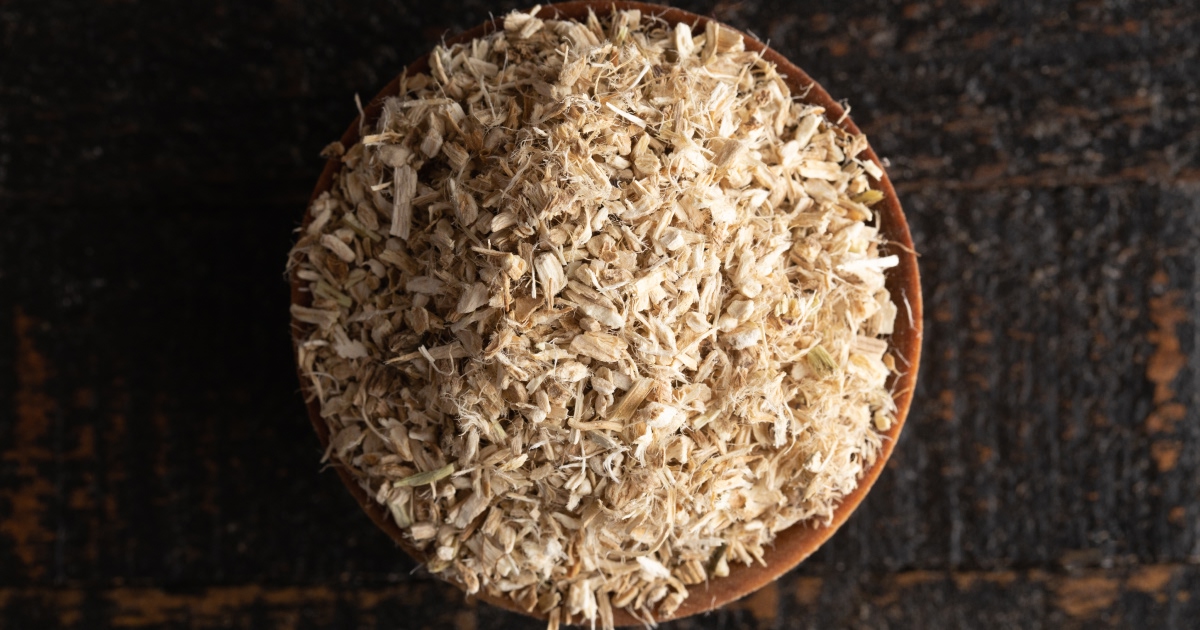
The version Kerr brews into tea and the version herbalists have studied is the root and leaf of Althaea officinalis – not anything found in the candy aisle. The plant’s root and leaves are fibrous and rich in mucilage polysaccharides, flavonoids, and phenolic acids. The mucilage polysaccharides handle the physical work of coating and protecting tissues; the flavonoids and phenolic acids contribute antioxidant and anti-inflammatory effects.
A viral social media trend claimed that eating bagged marshmallows could treat a cold. Store-bought marshmallows contain no marshmallow plant extract and share nothing with the plant beyond a name.
Marshmallow root benefits for the gut
Marshmallow root’s mucilage creates a protective, soothing layer along the lining of the digestive tract, offering relief from discomfort associated with conditions like acid reflux, gastritis, and IBS. The gel forms a physical buffer between stomach acid and the vulnerable lining of the esophagus and gut, reducing irritation rather than suppressing acid production.
Marshmallow root preparations can also be taken as capsule supplements, powder, teas, or tinctures for digestive complaints including inflammatory bowel conditions. A 2015 animal study published in the Journal of Natural Science, Biology and Medicine found that marshmallow extract may help protect the gut from gastric ulcers – rats pretreated with the extract were significantly less likely to develop stomach ulcers after NSAID exposure, with researchers attributing the effect to the mucilage and flavonoids covering and protecting the gastric lining.
The European Medicines Agency has formally assessed marshmallow root’s therapeutic value: the agency’s Committee on Herbal Medicinal Products concluded that marshmallow root preparations can be used to treat irritation of the mouth or throat and associated dry cough, and can also be used to relieve mild discomfort of the stomach and gut. That endorsement is based on its long-standing traditional use as much as clinical trial data.
What it does for coughs and respiratory irritation
Marshmallow root’s mucilage forms a protective film on inflamed mucous membranes, which is why marshmallow extract is added to many cough syrups and throat lozenges. For anyone with a sore throat or dry cough, it may reduce irritation and swelling relatively quickly.
A 2018 study published in Complementary Medicine Research followed 822 people taking marshmallow root extract in lozenges or syrups for a dry cough. Both preparations produced a good effect on symptomatic treatment of oral and pharyngeal irritation, with most participants reporting relief within approximately 10 minutes.
A 2020 in vitro study published in Frontiers in Pharmacology found that marshmallow root extract’s antitussive properties and mucilage allow it to decrease throat inflammation and irritation, reduce swelling in the lymph nodes, speed up healing time, and reduce dry coughing, with immediate effects attributed to a protective film forming on the inflamed mucosa.
You can find marshmallow root discussed alongside other options in this overview of herbs that support lung health.
The skin angle
Topical application of marshmallow root may help relieve eczema and skin irritation, including irritation from UV radiation. A clinical trial published in Phytotherapy Research randomly allocated children into two groups: one used 1% marshmallow root ointment and the other used 1% hydrocortisone ointment twice daily for a week, then three times per week. The trial found that a topical cream containing 1% marshmallow root was more effective than 1% hydrocortisone cream for atopic dermatitis in children.
Hydrocortisone is a corticosteroid and a common first-line treatment for eczema in children, so outperforming it – even in a small pilot trial – is a meaningful result. The caveat: this was a small study, and larger-scale trials have not yet confirmed the finding.
Topical preparations are the delivery method for skin benefits – the same mechanism that makes mucilage coat the gut also creates a soothing barrier when applied directly to inflamed skin.
Heart health and antibacterial properties
A 2011 animal study published in Pharmaceutical Biology found that taking liquid marshmallow flower extract for one month had a positive effect on HDL cholesterol – the kind often referred to as “good” cholesterol. No human trials have yet replicated this finding, so it should be read as preliminary rather than established.
A 2015 study published in Avicenna Journal of Phytomedicine found marshmallow root leaf extract effective against gram-positive bacteria and improved wound healing in a rat excision wound model. Gram-positive bacteria include common wound pathogens like Staphylococcus aureus, making the wound-healing application potentially practical, even if human trials are still needed.
What to watch out for
Research on marshmallow root’s safety remains limited, and its full range of effects is not yet well defined. Informing a healthcare provider about existing health conditions or medications before taking it is advisable.
The drug interaction concern is specific and practical. Mucilage can decrease how much medicine the body absorbs. Taking marshmallow at the same time as other oral medications can reduce those medications’ effectiveness; to prevent this, take marshmallow at least one hour after any oral medication.
Marshmallow may also interfere with blood sugar control, which matters for people who are diabetic, pre-diabetic, or taking insulin. Because of its effects on fluid retention and blood platelet formation, stopping marshmallow at least two weeks before scheduled surgery is also advisable. People taking lithium should flag this to their doctor: marshmallow may decrease how well the body eliminates lithium, potentially increasing lithium levels and leading to serious side effects.
Most reviews conclude marshmallow root is unlikely to cause side effects when used appropriately, and it has a long track record in traditional medicine. The research base – while growing – still leans heavily on animal studies and small human trials.
What this means for you
For gut irritation, acid reflux, and a dry cough, the evidence is somewhat solid – and the safety profile favorable enough – that brewing the dried root as a tea is a reasonable option to explore. The root is available as tea, lozenges, throat sprays, creams, salves, and dietary supplements. A cold-water infusion (soaking the dried root in room-temperature water overnight) extracts more mucilage than hot water, so it may be worth trying both methods depending on the intended use.
For skin conditions, the topical evidence is more specific. A 1% marshmallow root cream or ointment, applied twice daily, is what the eczema trial used. If you are managing a child’s eczema or your own, discussing the Phytotherapy Research findings with a dermatologist is worthwhile – particularly because hydrocortisone cream carries risks of skin thinning with prolonged use, and a plant-based option showing comparable or better results in a pilot trial is clinically relevant, even if not yet definitive.
Marshmallow root is the brown, fibrous root and husk of Althaea officinalis, used medicinally for centuries. The candy that borrowed its name contains no plant extract.
Disclaimer: The author is not a licensed medical professional. The information provided is for general informational and educational purposes only and is based on research from publicly available, reputable sources. It is not intended to constitute, and should not be relied upon as, medical advice, diagnosis, or treatment. Always consult a licensed physician or other qualified healthcare provider regarding any medical condition, symptoms, or medications. Do not disregard, avoid, or delay seeking professional medical advice or treatment because of information contained herein.
AI Disclaimer: This article was created with the assistance of AI tools and reviewed by a human editor.
Read More: Miracle Drink Claims to ‘Clear Excess Sugar’ Before Bed — What Does the Evidence Say?