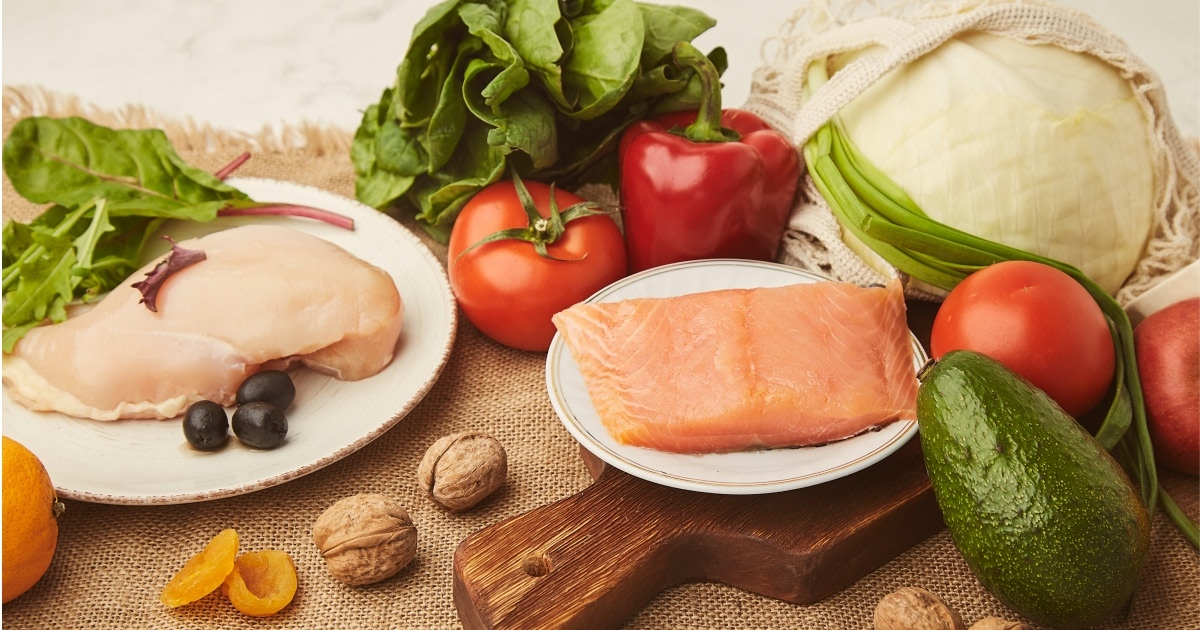

Welcome to my comprehensive guide on the Low FODMAP Diet, a scientifically backed diet that can bring significant relief to individuals struggling with digestive issues. This diet holds the promise of a more comfortable and manageable life for those with conditions like IBS.
As a Toronto Naturopathic Doctor who focuses on digestive health, I am here to provide detailed insights into this diet. I strongly recommend seeking guidance from your healthcare provider or naturopathic doctor before starting the Low FODMAP Diet. This professional support can ensure that the diet is tailored to your needs, giving you the confidence that you’re on the right track.
If you want to improve your digestive health, schedule a free 10-minute consultation with me so we can explore your options. For more ideas, purchase a sample 7-Day Low FODMAP Diet Meal Plan on my Meal Plans page.
What are FODMAPs?
FODMAPs = Fermentable Oligosaccharides, Disaccharides, Monosaccharides, and Polyols
FODMAPs are a group of short-chain carbohydrates (sugars) that are not properly digested or absorbed in the digestive tract, leading to symptoms related to IBS like abdominal cramping, excessive flatulence, bloating, distension, and altered bowel habits (diarrhea, constipation, or both).
When FODMAPs are consumed, they pass slowly through the small intestine, attracting water. Upon reaching the large intestine, gut bacteria utilize the FODMAPs as a fuel source to survive. This rapid fermentation of FODMAPs by bacteria leads to the production of gas. The excess gas and water cause the intestinal wall to stretch and expand, resulting in sensations of pain and discomfort and changes in stool presentation.
The low FODMAP diet gained prominence for its effectiveness in managing irritable bowel syndrome (IBS) symptoms and other gastrointestinal disorders by reducing the intake of these fermentable sugars.
Fermentable – process through which gut bacteria ferment undigested carbohydrates to produce gases.
Oligosaccharides – such as fructans and galacto-oligosaccharides, are found in foods such as wheat, rye, onions, garlic, and legumes/pulses.
Disaccharides – lactose, found in dairy products like milk, soft cheeses, and yogurts.
Monosaccharides – fructose – found in honey, apples, high-fructose corn syrup, etc.
And
Polyols – sorbitol and mannitol – found in some fruits and vegetables and used as artificial sweeteners.
Research Studies
Over the years, numerous research studies, systematic reviews, and meta-analyses have provided robust evidence supporting the efficacy of the Low FODMAP Diet in alleviating symptoms such as bloating, gas, abdominal pain, and irregular bowel movements in individuals with IBS. Studies have consistently shown that following a low FODMAP diet can significantly reduce overall symptom severity and improve the quality of life for many patients.
A randomized crossover trial found that up to 70% of the IBS patients had significantly lower overall symptom scores while on a low-FODMAP diet compared to IBS patients on a regular diet.
Conditions The Low FODMAP Diet is Helpful For
The Low FODMAP Diet is not just beneficial for individuals with IBS. It has also shown promise in managing symptoms of other gastrointestinal conditions, including inflammatory bowel disease (IBD) and functional dyspepsia. By reducing the consumption of fermentable carbohydrates, this diet can empower you to take control of your gut health.
By reducing the intake of high FODMAP foods, individuals can experience relief from common digestive symptoms and improve their overall gut health.
How Does The Low FODMAP Diet Work?
The low FODMAP diet is structured as a three-step elimination diet.
In the first phase, high FODMAP foods are removed from the diet for 2-6 weeks. In phase two, you systematically reintroduce restricted foods one by one. You observe how well you tolerate increasing quantities of each food over 2-3 days before moving on to the next. Once you identify foods that trigger symptoms, you can avoid or limit them while safely enjoying everything else. Phase three is the personalization phase, in which you only avoid foods in quantities that cause symptoms.
Reintroduction aims to balance restricting some high FODMAP foods (to a level that provides symptomatic relief) and reintroducing other FODMAP-rich foods that are better tolerated. Often, people can reintroduce many high FODMAP foods back into their diet, but they may not be able to eat them as often or in the same quantity as before.
List of Low, Moderate, and High FODMAP Foods
Understanding the classification of foods into high, moderate, and low FODMAP foods is essential for successfully implementing the diet and customizing it to individual needs.
| Food Group | High FODMAP Foods | Low FODMAP Alternatives |
| Vegetables | Artichoke, asparagus, cauliflower, garlic, green peas, mushrooms, onion, sugar snap peas | Aubergine/eggplant, bean (green), bok choy, green capsicum (bell pepper), carrot, cucumber, lettuce, potato, bean shoots, zucchini (1/5 cup or 65g) |
| Fruit | Apples, apple juice, cherries, dried fruit, mango, nectarines, peaches, pears, plums, watermelon | Cantaloupe (3/4 cup or 120g), kiwi fruit (green), mandarin, orange, pineapple, strawberries (5 medium) |
| Dairy and alternatives | Cow’s milk, custard, evaporated milk, ice cream, soy milk (made from whole soybeans), sweetened condensed milk, yogurt | Almond milk, brie/camembert cheese, feta cheese, hard cheeses, lactose-free milk, soy milk (made from soy protein) |
| Protein sources | Most legumes/pulses, some marinated meats/poultry/seafood, some processed meats | Eggs, firm tofu, plain cooked meats/poultry/seafood, tempeh |
| Breads and cereal products | Wheat/rye/barley-based breads, breakfast cereals, biscuits and snack products | Gluten-free corn flakes, oats, quinoa flakes, quinoa/rice/corn pasta, rice cakes (plain), sourdough spelt bread, wheat/rye/barley-free breads |
| Sugars/sweeteners & confectionary | High-fructose corn syrup, honey, sugar-free confectionery | Dark chocolate, maple syrup, rice malt syrup, table sugar |
| Nuts and seeds | Cashews, pistachios | Macadamias, peanuts, pumpkin seeds, walnuts |
Vegetables
High FODMAP Foods: Artichoke, asparagus, cauliflower, garlic, green peas, mushrooms, onion, sugar snap peas.
Low FODMAP Alternatives: Aubergine/eggplant, bean (green), bok choy, green capsicum (bell pepper), carrot, cucumber, lettuce, potato, bean shoots, zucchini (1/5 cup or 65g).
Fruit
High FODMAP Foods: Apples, apple juice, cherries, dried fruit, mango, nectarines, peaches, pears, plums, watermelon.
Low FODMAP Alternatives: Cantaloupe (3/4 cup or 120g), kiwi fruit (green), mandarin, orange, pineapple, strawberries (5 medium).
Dairy and alternatives
High FODMAP Foods: Cow’s milk, custard, evaporated milk, ice cream, soy milk (made from whole soybeans), sweetened condensed milk, yogurt.
Low FODMAP Alternatives: Almond milk, brie/camembert cheese, feta cheese, hard cheeses, lactose-free milk, soy milk (made from soy protein)
Protein sources
High FODMAP Foods: Most legumes/pulses, some marinated meats/poultry/seafood, some processed meats.
Low FODMAP Alternatives: Eggs, firm tofu, plain cooked meats/poultry/seafood, tempeh.
Breads and cereal products
High FODMAP Foods: Wheat/rye/barley-based breads, breakfast cereals, biscuits and snack products.
Low FODMAP Alternatives: Gluten-free corn flakes, oats, quinoa flakes, quinoa/rice/corn pasta, rice cakes (plain), sourdough spelt bread, wheat/rye/barley-free breads.
Sugars/sweeteners & confectionery
High FODMAP Foods: High-fructose corn syrup, honey, sugar-free confectionery.
Low FODMAP Alternatives: Dark chocolate, maple syrup, rice malt syrup, table sugar
Nuts and seeds
High FODMAP Foods: Cashews, pistachios.
Low FODMAP Alternatives: Macadamias, peanuts, pumpkin seeds, walnuts.
Moderate FODMAPs
Some foods are considered moderate FODMAPs. When eaten in excess, they may aggravate digestive symptoms. Follow the serving sizes listed below for these foods; only avoid them if you have symptoms.
| Fruits | Vegetables | Nuts |
| ¼ avocado<3 cherries½ grapefruit (medium)<10 longon<5 lychee½ pomegranate (small)<3 rambutan< ¼ cup shredded coconut<10 dried banana chips | ¼ cup artichoke hearts (canned)<3 asparagus spears4 beet slices< ½ cup broccoli< ½ cup brussels sprouts< ¼ cup butternut pumpkin< 1 cup cabbage (savoy)1 celery stick< ½ cup green peas3 okra pods<10 pods snow peas½ corn cob< ½ cup sweet potato | < 10 almonds< 10 hazelnuts |
Fruits
- ¼ avocado
- <3 cherries
- ½ grapefruit (medium)
- <10 longan
- <5 lychees
- ½ pomegranate (small)
- <3 rambutan
- < ¼ cup shredded coconut
- <10 dried banana chips
Vegetables
- ¼ cup artichoke hearts (canned)
- <3 asparagus spears
- 4 beet slices
- < ½ cup broccoli
- < ½ cup Brussels sprouts
- < ¼ cup butternut pumpkin
- < 1 cup cabbage (savoy)
- 1 celery stick
- < ½ cup green peas
- 3 okra pods
- <10 pods snow peas
- ½ corn cob
- < ½ cup sweet potato
Nuts
- < 10 almonds
- < 10 hazelnuts
Swapping High FODMAP Ingredients for Low FODMAP Alternatives
Here are some substitutions for high-FODMAP foods that are just as tasty and much better for your digestive health.
High FODMAP ingredients → Low FODMAP Alternatives
- Onion, leek → Green spring onion tips or pickled onion
- Garlic → Garlic-infused oil (cut and peel garlic and sauté in oil for 1-2 minutes, then discard the garlic pieces and retain the garlic-flavored oil for cooking).
- Stock → Homemade stock made with low FODMAP ingredients
- Pasta, wheat noodles, cous cous, gnocchi, bread → rice, rice noodles, polenta, buckwheat, quinoa, oats, puffed amaranth, bulgur, millet, rice, tortilla, sourdough spelt or gluten-free bread
- Dried fruit → dried cranberries
- Red kidney beans, split peas, baked beans → Canned lentils or canned chickpeas
- Honey → Maple syrup (1/2 Tbsp)
- Cashews, pistachios → Macadamia nuts or peanuts
- Wheat flour → Rice flour or sorghum flour
- Cow’s milk, yogurt → Almond milk, rice milk, soy milk
About Dr. James Yoon
Dr. James Yoon is a top-rated naturopathic doctor practicing in downtown Toronto, with a clinical focus on digestive health, hormonal health, metabolic concerns, and complex chronic conditions. With over a decade of clinical experience, he combines evidence-informed naturopathic medicine with a functional medicine approach to better understand the underlying factors contributing to each patient’s health concerns.
Explore more of Dr. Yoon’s work at DrJamesYoon.com.
Sources
- Monash University. High and low FODMAP foods.
Disclaimer: This information is not intended to be a substitute for professional medical advice, diagnosis or treatment and is for information only. Always seek the advice of your physician or another qualified health provider with any questions about your medical condition and/or current medication. Do not disregard professional medical advice or delay seeking advice or treatment because of something you have read here.