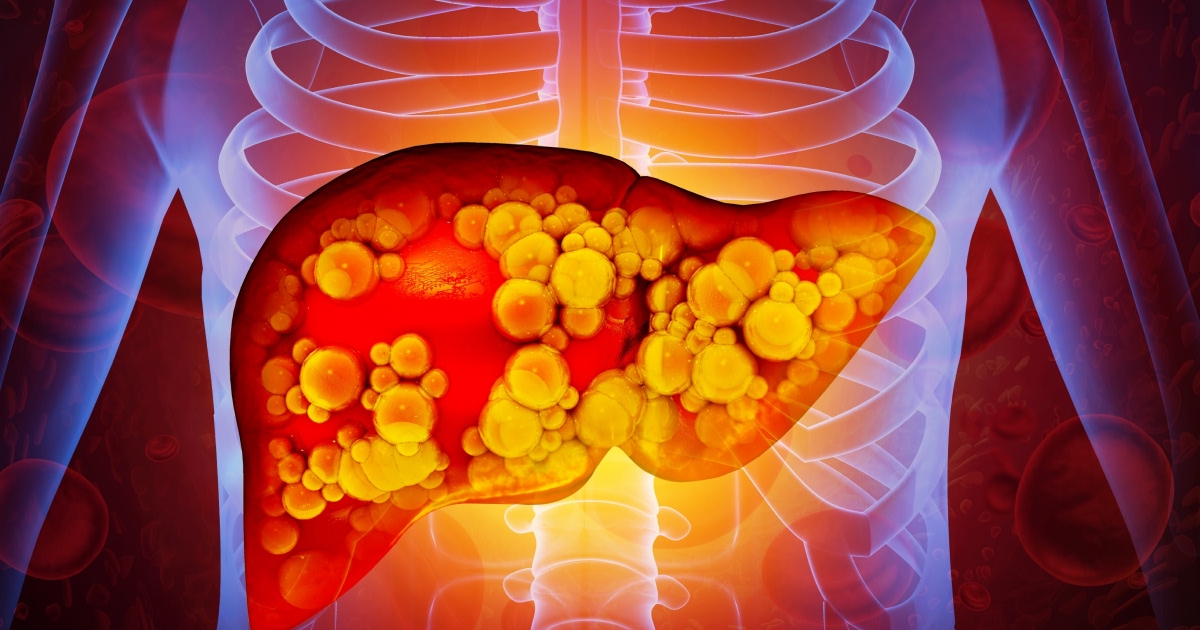

Fatty liver disease is easy to ignore, especially when you don’t know you have it.
It often causes no obvious symptoms, and many people only discover it after a scan or routine checkup finds something unexpected. With the condition now affecting roughly one in three adults worldwide, that means millions of people may be walking around with excess fat accumulating in their liver without realizing it.
But the liver may not be the only organ at risk.
A 2026 review led by researchers at the University of Manchester and Northern Care Alliance NHS Foundation Trust, published in Current Opinion in Nephrology and Hypertension, brought together evidence from studies involving millions of patients. The findings point to connections between fatty liver disease and cardiovascular disease, chronic kidney disease, and premature death.
In other words, what starts quietly in the liver may have consequences throughout the body.
The condition is now formally known as metabolic dysfunction-associated steatotic liver disease, or MASLD. It was previously called non-alcoholic fatty liver disease (NAFLD), but the name changed in 2023. MASLD describes excess fat building up in the liver alongside at least one metabolic risk factor, such as excess body weight, type 2 diabetes, or abnormal blood fats.
How Common Fatty Liver Disease Actually Is
MASLD is the most prevalent subtype of steatotic liver disease, affecting approximately 30% to 40% of adults worldwide. That figure alone places it among the most common chronic conditions on the planet, driven largely by rising rates of obesity and type 2 diabetes.
The scale of the problem is expected to worsen. MASLD is projected to affect more than half of adults globally by 2040 as obesity and type 2 diabetes continue to spread. For healthcare systems already stretched managing cardiovascular and kidney disease, that trajectory carries serious implications.
Why the Liver Is the Center of This Story
The liver does far more than filter toxins. It manages blood sugar, regulates fat storage, produces proteins, and handles a constant flow of hormones and metabolic signals. When fat begins building up in liver cells, that machinery starts to malfunction. Insulin resistance – a state in which the body’s cells stop responding properly to the hormone insulin – is a central driver of this process. Research published in Frontiers in Medicine in 2025 found that an imbalance in gut bacteria worsens MASLD by increasing gut permeability, raising inflammation throughout the body, and disrupting energy metabolism.
Those signals don’t stay in the liver. When gut bacteria are out of balance, they interfere with the gut-liver axis – the two-way communication system between the digestive tract and the liver that helps regulate metabolism, immune responses, and the gut’s protective barrier. Insulin resistance overloads the liver with fat and triggers a damaging cycle: the liver releases pro-inflammatory substances into the bloodstream, which can then reach and damage blood vessels, the heart, and the kidneys.
The Heart and Kidney Connection Goes Beyond Shared Risk Factors
For many years, the prevailing explanation for why fatty liver, heart disease, and kidney disease often appear together was that they share the same risk factors. Obesity, high blood pressure, and type 2 diabetes promote all three simultaneously. Under that model, a fatty liver is just another symptom of a metabolic system under strain, not itself a threat to the heart or kidneys.
The Manchester review challenges that interpretation. The connection between heart and kidney disease in people with MASLD was not explained only by familiar risk factors such as obesity, diabetes, and high blood pressure. Fatty liver appeared to contribute additional risk above and beyond those shared drivers.
People who already had both liver disease and kidney disease simultaneously faced particularly high risks, supporting the idea that these aren’t simply two separate conditions happening to coexist in the same body.
Researchers at the University of Manchester and other institutions have proposed a new framework for thinking about how these organs relate to one another. A 2025 paper introduced the concept of Cardiovascular-Renal-Hepatic-Metabolic (CRHM) syndrome, which places the liver alongside the heart, kidneys, and metabolic system as an equal contributor to multi-organ disease. The idea is that treating each organ in isolation misses how much they influence one another.
When Fat Becomes Scar Tissue
Fatty liver disease exists on a spectrum. In its early stages, fat builds up in liver cells but causes no significant structural damage. Over time, in some people, that fat triggers chronic inflammation. The liver’s response to repeated injury is to form scar tissue, a process called fibrosis. As fibrosis advances, the liver’s normal, functional cells get replaced by rigid scar tissue – similar to what happens when any wound heals but never fully recovers. At its most advanced stages, this can progress to hepatocellular carcinoma (liver cancer).
Advanced fibrosis is the major determinant of liver-related illness and death in MASLD. Once scarring reaches advanced stages, normal liver function begins to deteriorate. The cardiovascular and kidney risks tracked in the Manchester review were especially pronounced in people whose disease had progressed to this point. An inflamed, scarred liver produces more harmful signals and manages blood composition less effectively, raising downstream risks across multiple organ systems.
A Drug Approval That Changes the Conversation
Until mid-2025, treatment options for people with significant liver scarring due to MASLD were largely limited to lifestyle changes and managing underlying metabolic conditions. That changed in August 2025. The Wegovy formulation of semaglutide received FDA approval for treating MASH – metabolic dysfunction-associated steatohepatitis, the inflammatory and progressive form of MASLD – with moderate-to-advanced fibrosis, based on interim results from the phase 3 ESSENCE trial. In that trial, 72 weeks of weekly injections resolved MASH without worsening fibrosis in 62.9% of patients.
Semaglutide became the first GLP-1 receptor agonist – a class of drugs that mimic a natural gut hormone to regulate blood sugar and appetite – approved for MASH with liver fibrosis, excluding cirrhosis cases. The accelerated approval requires confirmatory evidence from the ESSENCE trial and other ongoing studies to validate long-term clinical benefit.
Semaglutide is not approved for people whose MASLD has already progressed to cirrhosis.
For anyone managing fatty liver disease alongside other metabolic conditions, understanding the latest treatment developments for MASLD can help inform conversations with a doctor about what options are now available.
Other drugs are further back in the pipeline but moving quickly. Tirzepatide is under investigation in phase 3 trials, with the SYNERGY-OUTCOMES study designed to determine whether it can prevent major adverse liver outcomes in MASLD. Retatrutide, a triple hormone receptor agonist that acts on the GLP-1, GIP, and glucagon pathways simultaneously, is also in phase 3 trials for MASLD, with results expected in 2026.
Read More: Fatty Liver May Be a Hidden Warning Sign for Future Heart Disease
What You Can Actually Do About It
Drugs are part of the picture, but not the whole picture. The Manchester researchers were clear that lifestyle interventions remain foundational for anyone at risk. MASH is typically managed with lifestyle changes focused on weight reduction and alcohol avoidance, alongside treatment of diabetes and high cholesterol for those with those conditions.
A balanced diet, regular exercise, weight management, and limiting alcohol intake can reduce both the risk and progression of the disease. Poor nutrition and insufficient physical activity are the primary lifestyle contributors to MASLD development.
The link to gut health also opens a practical avenue. When gut bacteria are imbalanced, the gut lining becomes more permeable, allowing harmful substances to enter the bloodstream and reach the liver. Dietary choices that support a healthy gut ecosystem – including adequate fibre, fermented foods, and limiting ultra-processed foods – may carry liver benefits that go beyond simple calorie management.
What This Means for You
One of the most important things about fatty liver disease may also be what makes it so easy to overlook: you can have it without feeling sick.
But the growing evidence suggests that what happens in the liver doesn’t necessarily stay there. The same metabolic problems involved in MASLD are closely tied to the heart and kidneys, and researchers are increasingly looking at these organs as parts of an interconnected system rather than separate health problems.
That makes fatty liver worth paying attention to long before serious liver damage develops.
For people with risk factors such as obesity, type 2 diabetes, high blood pressure, or metabolic syndrome, liver health may be worth discussing with a healthcare provider even when there are no obvious symptoms.
There is also more that can be done about MASLD than there once was. Lifestyle changes remain a major part of treatment, while newer medications are beginning to offer additional options for some people with more advanced disease.
Perhaps the biggest shift, though, is in how fatty liver itself is being understood.
It may be called fatty liver disease, but the consequences don’t necessarily stop at the liver.
Disclaimer: This information is not intended to be a substitute for professional medical advice, diagnosis, or treatment and is for information only. Always seek the advice of your physician or another qualified health provider with any questions about your medical condition and/or current medication. Do not disregard professional medical advice or delay seeking advice or treatment because of something you have read here.
AI Disclaimer: This article was created with the assistance of AI tools and reviewed by a human editor.
Read More: The Link Between Vitamin D Deficiency and Fatty Liver