
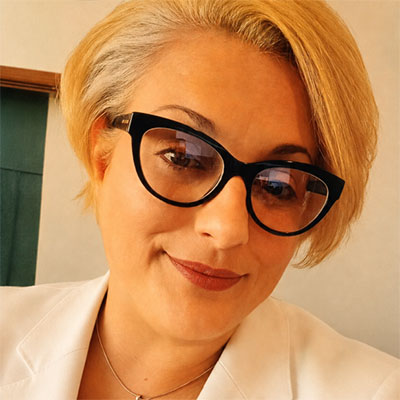
After 26 years, approximately 87 surgeries, and continuing complications from an acid attack by her former husband, María Consuelo Córdoba said she had reached her limit.
The 58-year-old Colombian woman has been living with the consequences of the attack since 2000. She uses an improvised protective mask with tubes that help her breathe, has struggled financially, and says she has spent years trying to obtain additional reconstructive treatment. El Espectador reported that Córdoba survives largely on money she receives from strangers while continuing to live with the effects of her injuries.
Córdoba had even been authorized to access euthanasia. According to Capital Salud EPS, that authorization had been in place for approximately four years, leaving the decision of whether to proceed in her hands.
In early September 2026, she publicly said she wanted to go through with it.
Then her story spread across Colombia.
Within days, people began offering help. Support was arranged for additional reconstructive surgeries involving her nose and mouth. Colombian businessman Arturo Calle also stepped forward, offering to help Córdoba obtain a home and provide continuing financial assistance.
Córdoba’s response changed the direction of her story once again.
She said she no longer wanted euthanasia.
“I want to have my surgery because I’m not going to have euthanasia,” Córdoba said after learning that support for the procedures had been secured. Caracol Radio reported that she had decided to continue pursuing her recovery.
A Life Shaped by Decades of Operations
Córdoba moved to Bogotá from Istmina, Chocó, with her then-husband around 2000. According to her account, she wanted to remain in the capital and work while he wanted to return to Chocó.
She says that when she opened the door to him one night, he threw acid at her. Córdoba recalled that she hadn’t realized what he was carrying because the liquid had been concealed in a liquor container. Her account of the attack was reported by El Espectador.
The attack left her with devastating facial injuries and began what would become more than two decades of medical treatment.
Córdoba says she has undergone approximately 87 surgeries, with additional reconstructive work still needed. She has described continuing problems with basic functions such as breathing and says the injuries have left her unable to support herself through regular work.
In a September interview with Caracol Radio, Córdoba described being told that the hospital had completed the procedures it could provide and that further plastic surgery would cost money she did not have.
The physical injuries are only one part of what survivors can face. Research analyzing the lived experiences of acid attack survivors has documented significant psychological and social consequences among survivors, including depression, anxiety, suicidal thoughts, post-traumatic stress, isolation, and negative reactions from others.
These findings do not necessarily describe Córdoba’s individual experience, but they illustrate how the consequences of an acid attack can extend far beyond the initial physical injuries.
The Pope, a Promise, and What Followed
According to the Vatican’s official records, Pope Francis made an apostolic journey to Colombia from September 6 to 11, 2017.
Córdoba says she met him during that visit and spoke about her condition, her pain, and her thoughts about euthanasia.
According to Córdoba, the encounter persuaded her to continue living. She later told Caracol Radio that she had promised after meeting Francis that she would not proceed with euthanasia.
But as the years passed and her medical and financial difficulties continued, she began considering it again.
By 2026, Córdoba said she had reached the point where she wanted to proceed.
How Colombia’s Euthanasia Framework Works
Colombia was the first country in Latin America to decriminalize euthanasia. Its framework developed primarily through a series of Constitutional Court rulings rather than legislation passed by Congress.
Euthanasia was initially decriminalized for terminally ill patients in 1997, although access remained limited for years. Colombia’s Ministry of Health later issued regulations governing the procedure in 2015.
The rules subsequently expanded. In its 2021 C-233 ruling, Colombia’s Constitutional Court removed terminal illness as an absolute requirement, allowing euthanasia in certain cases involving intense physical or psychological suffering arising from serious and incurable illness or bodily injury.
The framework emphasizes that the patient’s request must be voluntary, informed, and unequivocal.
Córdoba’s situation was somewhat different from early reports suggesting she was waiting for approval. Capital Salud clarified in September that Córdoba told the insurer she had already possessed authorization for approximately four years. The decision of whether to use it remained hers.
Capital Salud also said it would continue providing medical care regardless of her decision.
Then Help Started Arriving
After Córdoba spoke publicly about her circumstances, her story spread quickly across Colombian media.
One of the first people to respond publicly was Colombian businessman Arturo Calle. During an appearance on Caracol Radio, Calle said he wanted to help Córdoba obtain a home and encouraged others to contribute to improving her circumstances.
But another development appears to have played an especially important role in Córdoba’s decision.
Juan José Castro, creator and host of the Colombian podcast Vamos Pa’ Eso, told Córdoba that a network of people who had learned about her case had secured the resources needed for further reconstructive treatment.
Caracol Radio reported that the planned procedures would focus on reconstructing her nose and mouth, two areas Córdoba considered fundamental to improving her quality of life.
After hearing the news, Córdoba said she wanted the operations.
And she no longer wanted euthanasia.
“I want to have my surgery because I’m not going to have euthanasia,” she said.
The reversal became public on September 7, only days after renewed attention had been drawn to her intention to proceed with euthanasia.
More Help Followed
Córdoba’s circumstances continued to change.
On September 8, she met Arturo Calle in person. Subsequent Colombian reporting confirmed that Calle planned to help her obtain housing and provide monthly financial assistance.
“I’ll give her money monthly,” Calle said, while continuing to encourage other people to contribute if they wanted to help.
El Colombiano also reported on Calle’s support, which came after Córdoba’s story attracted widespread attention.
The offers do not undo what Córdoba has experienced or guarantee what the outcome of additional reconstructive treatment will be. The surgeries had not yet taken place when her change of decision was reported, and details about when they would occur and their eventual results remained unknown.
A Very Different Decision
Only days earlier, Córdoba was publicly explaining why, after 26 years of surgeries and continuing complications, she wanted to end her life.
Now she is preparing for more treatment.
The change wasn’t because her injuries disappeared or because the previous 26 years suddenly became easier. What changed was that Córdoba was offered access to additional reconstructive treatment she had been seeking.
Two more procedures are expected to address her nose and mouth. She has also been offered help with housing and continuing financial support.
For Córdoba, that was enough to reconsider a decision that had once appeared settled.
Her case is still developing. The additional surgeries have yet to take place, and there is no way to know what their results will be.
But Córdoba has made her current wishes clear.
After approximately 87 operations, she has chosen to undergo more treatment.
And for now, she says she no longer wants euthanasia.
Disclaimer: This information is not intended to be a substitute for professional medical advice, diagnosis, or treatment and is for information only. Always seek the advice of your physician or another qualified health provider with any questions about your medical condition and/or current medication. Do not disregard professional medical advice or delay seeking advice or treatment because of something you have read here.
AI Disclaimer: This article was created with the assistance of AI tools and reviewed by a human editor.
Read More: Suicide Pod Co-President Dies by Suicide After First User’s Death and Police Detention