

Losing a parent is one of those experiences people are often expected to understand before it happens. Parents grow older. Adult children know that, eventually, they may have to say goodbye. But knowing a loss is coming does not necessarily make it easier when it arrives.
For many people, the death of a parent changes far more than who is sitting at the dinner table. It can alter family roles, remove a source of advice or unconditional support, bring old regrets to the surface, and even change how someone thinks about their own identity and mortality. Research suggests the effects can reach physical health as well as emotional well-being.
And grief rarely follows the clean timeline people sometimes expect. It can fade into the background and suddenly return months or years later because of a birthday, a familiar song, a family tradition, or something you instinctively want to tell the person who is no longer there.
Everyone experiences parental loss differently, but certain realities appear repeatedly in bereavement research and in the experiences of people who have lived through it. Here are six hard truths about losing a parent that people don’t always talk about.
1. The loneliness can be its own kind of loss

A 2025 qualitative study published in Death Studies examined bereaved adult children in Hong Kong and found that the adjustment to living without a deceased parent was not only about losing a companion. It could carry an existential dimension: a sense of isolation in the world itself, distinct from ordinary sadness. Participants described this as feeling “alone and lonely” in a broader, harder-to-name way.
Because of the unique, longstanding relationships adult children share with aging parents, parental loss frequently brings secondary losses alongside the primary one. These can include the loss of a confidant, a source of unconditional support, a keeper of family history, and, for some people, the last person who knew them as a child. Each of those losses may arrive separately, sometimes weeks or months after the death, catching people off guard.
The same Death Studies research highlighted that adult children struggle significantly to adjust to parental loss, even when a parent dies in old age. The age or “expectedness” of the death doesn’t insulate against grief. If anything, the cultural assumption that adult bereavement is easier can leave grieving people feeling like their pain needs justification. It doesn’t.
2. Grief has no fixed timeline or predictable path

One of the most persistent and unhelpful myths about losing a parent grief is that it follows a neat progression: stages arrive in order, feelings soften at the expected pace, and somewhere around the one-year mark, life begins to normalize. The clinical picture looks nothing like that.
According to Cleveland Clinic, a person may feel better for several weeks and then have a very difficult day after encountering something as small as an old photo. Anniversaries, familiar places, and unexpected reminders can all pull grief back to the surface, sometimes with surprising force.
The American Psychiatric Association’s DSM-5-TR does not frame this nonlinear experience as pathological. A range of contradictory emotions, including anger, sadness, numbness, anxiety, guilt, and regret, are considered by the DSM to be healthy responses for adults who have lost a parent. Feeling fine at dinner and wrecked before bed is not a sign something has gone wrong. It is a sign grief is doing what grief does.
That said, there is a meaningful clinical distinction between persistent grief and what the APA now formally recognizes as prolonged grief disorder (PGD). For a diagnosis of prolonged grief disorder, the loss must have occurred at least a year ago for adults, and the DSM-5-TR was specifically updated to help clinicians differentiate between normal grief, which typically decreases over time without impairing daily function, and this more enduring, disabling form. The American Psychiatric Association estimates that between 4% and 15% of bereaved adults experience the persistent symptoms of prolonged grief disorder. If you find that the intensity of your grief has not shifted at all over the course of a year or more, or that it is genuinely preventing you from functioning, speaking to a mental health professional is a reasonable and practical step.
3. Your physical health can take a real hit

A 2019 study found that bereaved men face a roughly 30% higher risk of death compared to non-bereaved men following parental loss, with the elevated risk driven largely by deaths from natural causes. The body registers grief as a form of stress, and that stress has measurable consequences.
Research from the University of Wisconsin-Madison, published in the Journal of Family Issues, found that the physical health impact on bereaved men is particularly pronounced after parental loss, while also noting that a father’s death tends to carry more negative effects for sons, and a mother’s death more for daughters. These patterns are not absolute, but they suggest that the health consequences of parental bereavement can depend on gender in ways worth paying attention to.
Sleep disruption, appetite changes, and a weakened immune response are all documented in the bereavement literature. If you’re grieving and your physical health feels off, that connection is real. Being honest with your doctor about what you’re going through, even if a medical visit feels irrelevant to an emotional experience, is a practical step.
Read More: Things Parents Unknowingly Do That Break a Child’s Heart
4. Family roles shift in ways nobody warned you about
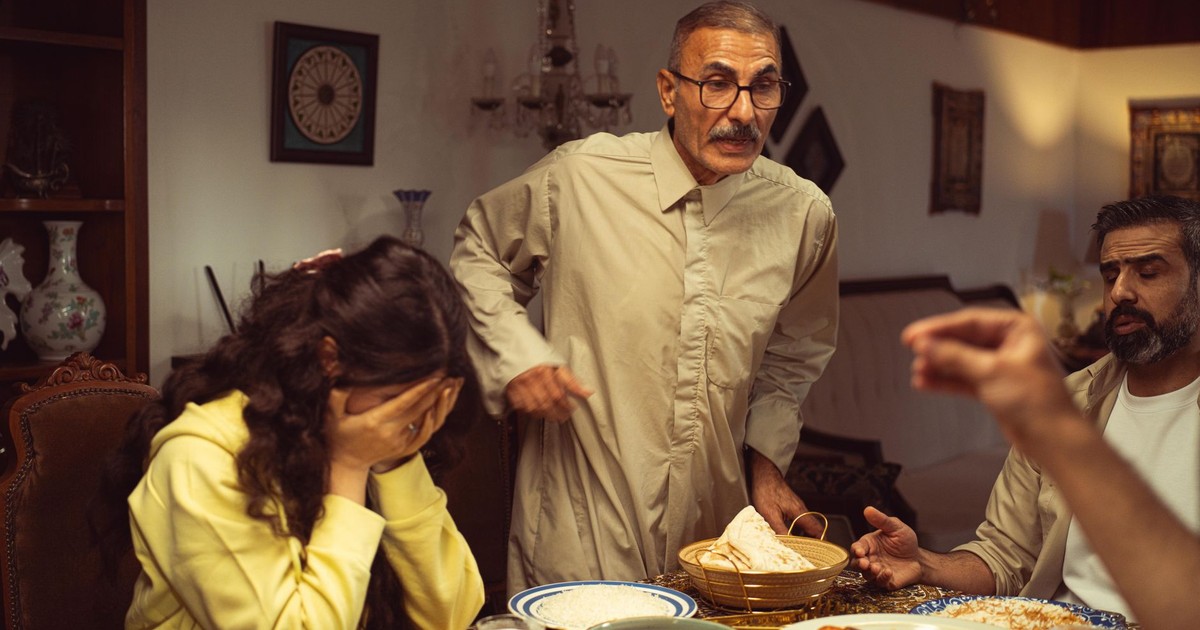
When a parent dies, adult children often must transition to becoming the oldest generation in the family, taking on the role of standard-bearer in ways they may not feel prepared for. That shift can be symbolic at first, then suddenly very practical: who hosts the holidays, who holds the family memories, who makes the decisions.
A 2023 study published in Omega: Journal of Death and Dying examined 55 young adults who had lost a parent to cancer. Participants described ways the loss had influenced their priorities, values, relationships, and perspectives on life. While those findings cannot necessarily be generalized to everyone who loses a parent, they illustrate how parental loss during young adulthood can extend beyond grief itself and influence how people think about their lives and relationships.
Psychology Today has noted that losing both parents in quick succession may thrust the older sibling into the role of family matriarch or patriarch, changing family dynamics in ways that aren’t always welcome or chosen. For those who still have a surviving parent, responsibilities and emotional support can fall on adult children unexpectedly, adding pressure on top of grief itself. Mediating tensions between siblings, managing a surviving parent’s needs, and holding the family together can all land on the same people who are already trying to process their own loss.
5. Regret and guilt arrive almost universally

Most people, after a parent dies, find themselves replaying things they wish had gone differently. The trip that never happened. The conversation that was postponed too many times. The visit that felt optional until it wasn’t. The Center for Loss identifies guilt and regret as common and normal responses to the death of a mother or father.
A study published in PLOS One by researchers Margaret Stroebe and colleagues examined self-blame and regret among 60 people who had lost a spouse. Although the study was not specifically about parental loss, it found that greater self-blame was associated with more intense grief early in bereavement. The researchers also examined thoughts involving things people believed they “should” or “should not” have done, illustrating how looking backward and assigning responsibility to oneself can become part of the grieving process.
For some people, guilt is amplified by a complicated relationship with the parent who died: unresolved conflicts, estrangement, or a dynamic that was never simple. If the relationship was difficult, grief may feel confusing rather than straightforwardly sad. That experience is also valid and also researched.
Read More: 10 Things About You That Will Change When You Lose Your Parents
6. Losing a parent can shift how you see yourself

According to the American Psychiatric Association, the death of one or both parents can carve away a layer of a person’s identity, fundamentally shifting their sense of self. The parent-child relationship, however it looked in adulthood, was often one of the longest and most formative of a person’s life. When it ends, the self that existed within that relationship has to be renegotiated.
A study by Tina Lundberg and colleagues, published in Omega: Journal of Death and Dying, examined posttraumatic growth among young adults who had lost a parent to cancer. Participants described changes in areas including their priorities, relationships, appreciation of life, personal strength, and perspectives on the future. Researchers sometimes describe positive psychological changes that emerge through struggling with highly challenging experiences as posttraumatic growth. That doesn’t mean loss itself is beneficial, nor does everyone experience growth after bereavement, but it illustrates one way a major loss can become intertwined with changes in identity and perspective.
Midlife adults are particularly vulnerable to this identity shift, as parental loss in this period can coincide with other transitions and deepen an already complex reassessment of life direction. For some, losing a parent becomes the event that prompts long-delayed choices. For others, it simply leaves a gap in identity that takes a long time to understand.
Adapting is not the same as moving on

Adapting is not the same as moving on
People grieving a parent are often told that, eventually, they’ll “get through it” or “move on.” Usually those words are meant kindly. But they can make grief sound like a process with a finish line, after which the loss is supposed to stop mattering.
For most people, grief does change. The most intense feelings generally become less frequent and everyday life gradually grows around the loss. But adapting doesn’t require forgetting a parent or reaching a point where their absence no longer hurts. A birthday, a smell, an old photograph, or a moment when you instinctively reach for the phone can bring that absence forward again years later.
The family may look different. Your role within it may have changed. There may be conversations you wish you’d had and parts of yourself that feel different now. None of that means grief has been done incorrectly. There is no single timetable for learning how to live with someone’s absence.
There is also a difference between grief that returns in waves and grief that remains so intense and persistent that it seriously interferes with everyday life. If grief continues to feel overwhelming or makes functioning difficult over an extended period, a healthcare professional or therapist experienced in bereavement can help determine whether additional support may be useful.
For everyone else learning to live in a world without a parent, adapting doesn’t mean leaving them behind. It means gradually finding a way to carry the relationship, the memories, and the loss forward with you. Sometimes grief returning years later isn’t evidence that you failed to move on. It is simply evidence that someone still matters.
Disclaimer: The information provided here is for educational and informational purposes only and is not a substitute for professional psychological, psychiatric, or mental health advice, diagnosis, or treatment. Always seek the guidance of a licensed mental health professional, therapist, psychologist, or psychiatrist with any questions or concerns about your emotional well-being or mental health conditions. Never ignore professional advice or delay seeking support because of something you have read here.
AI Disclaimer: This article was created with the assistance of AI tools and reviewed by a human editor.
Read More: 7 Parenting Mistakes Everyone Should Try to Avoid