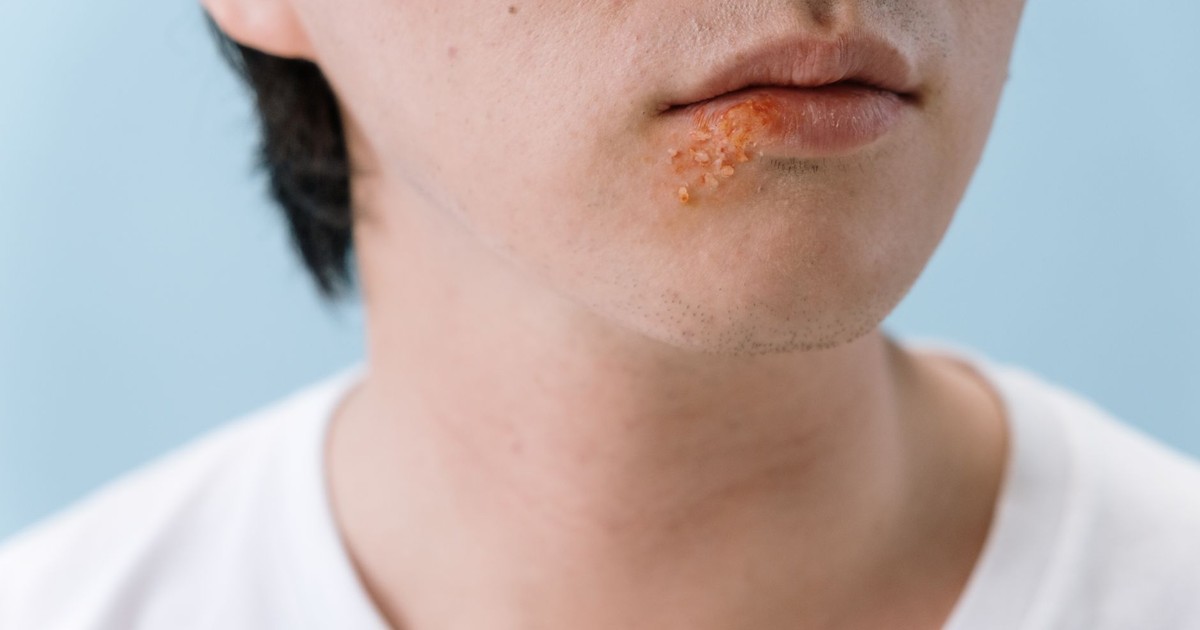

Chickenpox may feel like a childhood illness that disappears once the spots are gone. But the virus responsible never actually leaves the body.
Varicella zoster virus (VZV) retreats into nerve cells after the initial infection, where it can remain dormant for decades. If it later reactivates, usually as immune defenses weaken with age or illness, the result is most commonly shingles, but a painful rash isn’t the only possible consequence.
Researchers at the University of Colorado Anschutz have highlighted VZV’s involvement in conditions ranging from persistent nerve pain and facial paralysis to inflammation of blood vessels supplying the brain and an increased risk of stroke. In some cases, the virus can reactivate without producing a shingles rash at all, making the connection considerably harder to recognize.
More than 90% of people worldwide carry dormant VZV, and roughly one in three will experience reactivation during their lifetime. A 2026 review published in Nature Reviews Disease Primers details the surprisingly wide range of neurological, vascular and other complications associated with VZV reactivation, highlighting why this familiar childhood virus can remain medically relevant decades after chickenpox has passed.
When the Virus Wakes Up
After a person recovers from chickenpox, VZV remains dormant in nerve cells for life. As the immune system changes with age or becomes suppressed by illness or medical treatment, the virus can reactivate, most commonly causing shingles. Shingles, medically known as herpes zoster, produces a painful, blistering rash typically confined to one side of the body, following the path of the nerve where the virus was hiding.
Reactivation, typically triggered by age-associated immune decline or immune-suppressive conditions, produces herpes zoster that can be complicated by postherpetic neuralgia. In some cases, VZV reactivation also produces multisystem disease – including vasculopathy, cranial neuropathies, myelopathy, and cardiovascular or gastrointestinal complications – and these complications can occur without any skin rash at all.
VZV infects more than 90% of the global population. Primary infection typically causes chickenpox, after which VZV establishes lifelong latency in ganglionic neurons along the entire neuroaxis. Approximately one in three people who carry VZV will experience reactivation at some point in their lifetime. According to the CDC, Shingles affects an estimated 1 million people annually in the United States.
The Long Shadow of Nerve Pain
Postherpetic neuralgia (PHN) is a complication of shingles that causes persistent pain in the area where the rash appeared, continuing after the blisters have healed. According to Cleveland Clinic, PHN is the most common complication of shingles, typically defined as pain that persists beyond three months from the onset of the rash.
The experience of PHN is not simply residual soreness. For some people, that pain lingers for years. Sleep disruption, difficulty with everyday movement, and sensitivity to clothing contact on the affected skin are among the most disabling aspects. Anyone who develops persistent burning or shooting pain after a shingles episode should speak to a doctor.
Shingles Without a Rash: The Invisible Reactivation
VZV can reactivate from dormancy in the dorsal root ganglia and spread internally along nerves, reaching structures that cannot be seen from outside the body, without ever causing characteristic skin involvement. This is documented as zoster sine herpete – dermatomal pain or neurological symptoms that occur without any rash.
When the virus travels inward along nerves rather than outward toward the skin, it can produce neurological or systemic disease that is particularly difficult to recognize and diagnose. A doctor seeing unexplained one-sided nerve pain, weakness, or sensory changes may not think to look for a virus the patient contracted in childhood.
Pain, weakness, or sensory changes that follow a single nerve pathway – without an obvious explanation from standard testing – are consistent with VZV reactivation and should prompt laboratory investigation. Blood or spinal fluid can be tested for evidence of VZV infection or the immune response to it.
Facial Paralysis and the Geniculate Ganglion
Not all VZV reactivation follows spinal nerves. When the virus reactivates in the geniculate ganglion, a small cluster of nerve cells associated with the facial nerve near the ear, it can produce Ramsay Hunt syndrome.
The syndrome can cause one-sided facial weakness or paralysis, along with severe ear pain, ringing in the ears, hearing loss, or dizziness. A painful blistering rash around or inside the ear is characteristic of Ramsay Hunt syndrome, but VZV-related facial paralysis can sometimes occur without the typical rash.
That can make some cases difficult to distinguish from Bell’s palsy, another condition that causes sudden weakness or paralysis on one side of the face. Unlike Ramsay Hunt syndrome, however, Bell’s palsy does not have a confirmed VZV cause and is generally diagnosed when another identifiable cause of the facial paralysis cannot be found.
Prompt medical evaluation matters because antiviral treatment is commonly used for Ramsay Hunt syndrome, and earlier treatment is associated with better outcomes.
VZV, Blood Vessels, and Stroke Risk
VZV can travel along nerves to the walls of arteries supplying the brain, triggering inflammation and vasculitis that can lead to stroke. A systematic review and meta-analysis published in the Journal of NeuroVirology found that VZV reactivation raised stroke risk 1.80-fold within 14 days and remained elevated at 1.45-fold within 90 days.
Shingles is also associated with approximately 30% higher long-term risk of major cardiovascular events, according to research published in the Journal of the American Heart Association. Researchers continue to investigate how much of this risk comes directly from the virus and how much involves inflammation or other downstream changes.
Children are not exempt. Research published in Clinical Infectious Diseases found that children who experience chickenpox are at increased risk of arterial ischemic stroke in subsequent months. VZV vasculopathy – whereby the virus spreads along nerve fibers and involves blood vessels directly – appears to underlie this association.
A Journal of Hospital Medicine case series presented at SHM Converge 2025 documents how VZV vasculopathy can present months after initial infection, even when no skin rash was reported at the time of reactivation.
Read More: Getting the Shingles Vaccine Could Lower Dementia Risk — Here’s What the Research Says
Diagnosing What the Rash Doesn’t Show
When VZV reactivates without a visible rash, detecting it requires deliberate investigation. Doctors can test blood or spinal fluid – the fluid surrounding the brain and spinal cord – for signs of the virus or the immune system’s response to it. Polymerase chain reaction (PCR), which detects the virus’s genetic material, is the standard confirmatory test.
When neurological or vascular symptoms appear without an obvious explanation, VZV belongs on the list of possible diagnoses, particularly in patients over 50 or with any history of compromised immunity. When VZV is confirmed, treatment involves antiviral medication. Herpes zoster is typically treated with antivirals such as acyclovir or valacyclovir. For severe disease affecting the central nervous system or multiple organ systems, intravenous acyclovir is the standard approach.
What This Means for You
For most people carrying VZV, the virus will remain dormant for years, and even when it reactivates, shingles is the most familiar outcome. Serious neurological and vascular complications are much less common. But recognizing that they can occur matters, particularly because VZV reactivation doesn’t always produce the characteristic rash.
Persistent nerve pain following shingles, new facial weakness, or sudden neurological symptoms warrant medical attention. A history of shingles or previous VZV infection may also be relevant information for a doctor investigating otherwise unexplained neurological symptoms, although those symptoms have many possible causes and VZV should not be assumed to be responsible.
Prevention matters too. Shingrix is recommended for adults 50 and older and for certain younger adults with weakened immune systems. Its primary purpose is to prevent shingles and its complications, including postherpetic neuralgia.
Chickenpox, in other words, isn’t always a virus the body encounters once and leaves behind. VZV can remain hidden in the nervous system for decades, and understanding what can happen when it reactivates may help serious complications be recognized sooner.
Disclaimer: This information is not intended to be a substitute for professional medical advice, diagnosis, or treatment and is for information only. Always seek the advice of your physician or another qualified health provider with any questions about your medical condition and/or current medication. Do not disregard professional medical advice or delay seeking advice or treatment because of something you have read here.
AI Disclaimer: This article was created with the assistance of AI tools and reviewed by a human editor.
Read More: ‘I Thought I Had A Headache. It Turned Out To Be Herpes (HSV-1) — In My Brain.’