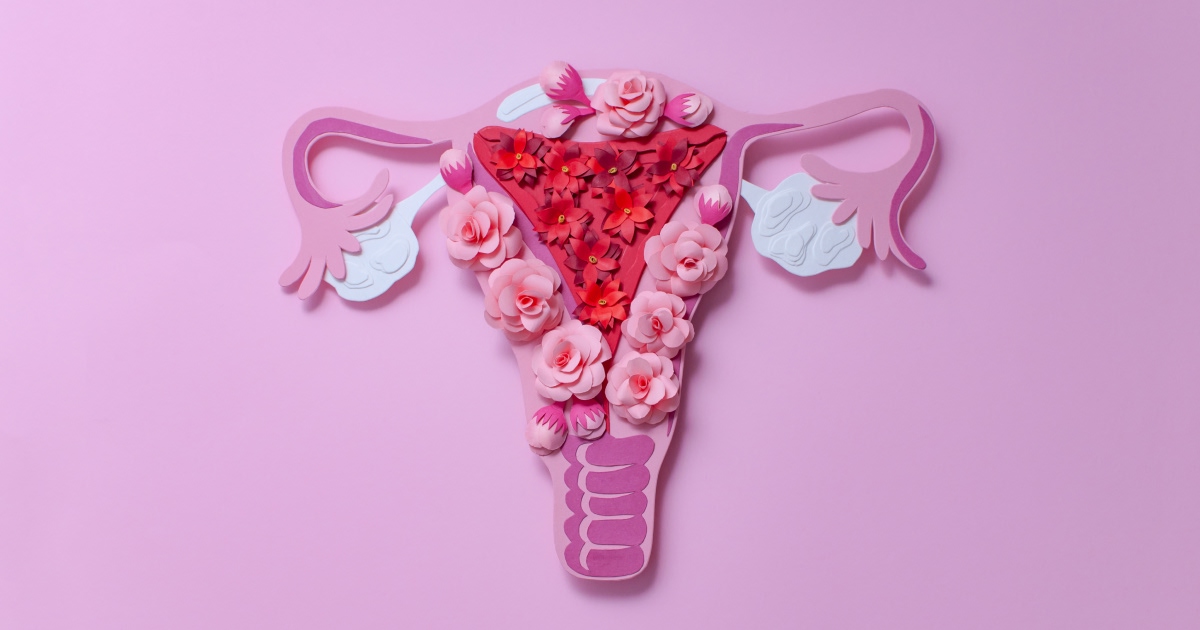

For years, women with PMOS, formerly known as PCOS, have often been told that losing weight can help manage the condition. But for some women, putting too much emphasis on weight and restrictive eating may complicate another problem entirely.
Research has consistently found a connection between PMOS and higher rates of eating disorders and disordered eating. And increasingly, researchers are looking at why.
The relationship appears to involve a complicated mix of metabolic and hormonal changes, mental health, body image, delayed diagnosis, and the way PMOS has traditionally been treated. Experts have also cautioned that some of the lifestyle advice commonly given to women with PMOS could complicate recovery when an eating disorder is already present.
So how strong is the connection, and what might be driving it? Here are six things the research reveals about PMOS and disordered eating.
1. The Eating Disorder Risk Is Higher Than Many Realize
A systematic review and meta-analysis including 28,922 women with PMOS and 258,619 controls found that individuals with PMOS had 53% higher odds of any eating disorder. That figure, from a 2024 meta-analysis led by researchers at the University of Wisconsin and published in the Journal of Clinical Endocrinology & Metabolism, is a consistent signal that held across multiple countries and diagnostic criteria.
Odds of bulimia nervosa, binge eating disorder, and disordered eating were all elevated in PMOS, while anorexia nervosa was not. When researchers analyzed the women by BMI, both those who were normal weight and those of higher weight had higher disordered eating scores compared to women without PMOS – meaning the elevated risk is not simply a consequence of body size.
PMOS is often associated with hormonal imbalances, metabolic dysfunction, and comorbid psychiatric disorders, including eating disorders. A 2025 literature review published in the Journal of Clinical Medicine emphasized the bidirectional relationship between PMOS and eating disorders, in which hormonal imbalances perpetuate psychiatric conditions, creating a cycle that can be difficult to break without treating both sides simultaneously. If you’re working with a doctor who manages your PMOS symptoms without screening for disordered eating, this data suggests that’s a gap in care worth closing.
2. Hormones and Metabolism May Play a Role
The connection between PMOS and disordered eating isn’t just psychological – it’s written into the condition’s biology. Elevated levels of kisspeptin in PMOS contribute to increased susceptibility to eating disorders such as bulimia and binge eating, likely due to its influence on the limbic system and glucose metabolism, according to the 2025 literature review in the Journal of Clinical Medicine. Hyperinsulinemia and insulin resistance further impair reproductive and metabolic health while promoting eating disorders like binge eating and bulimia.
Those with PMOS may have altered eating and food-seeking behaviors related to inherent hyperandrogenism. Several studies have proposed a bidirectional relationship between hyperandrogenism and hyperinsulinemia in contributing to the development of eating disorders in PMOS, particularly binge eating disorder and bulimia nervosa, wherein hyperinsulinemia can predispose individuals to binge eating, while binge eating behaviors may contribute to hyperinsulinemia, adiposity, and androgen excess, according to a 2024 scoping review published in Advances in Nutrition.
The 2025 literature review identifies serotonin, leptin, insulin, ghrelin, kisspeptin, and cortisol as key hormonal factors in the pathophysiology of PMOS and associated psychiatric symptoms. Serotonin deficiency, commonly seen in PMOS, is associated with both mood and eating disorders. Serotonin regulates not only mood but also appetite, satiety signals, and the brain’s response to food rewards. When serotonin is chronically low, the biological drive to eat – especially carbohydrate-heavy foods that temporarily boost serotonin – becomes harder to resist through willpower alone. The drive itself is hormonal.
3. Mental Health and Body Image Add Another Layer

PMOS affects an estimated 1 in 8 women globally, but its broader endocrine and metabolic features are frequently overlooked. Mental health is one of those overlooked features. The physical symptoms of PMOS can cause emotional distress, body image struggles, and feelings of shame or isolation – all of which increase vulnerability to disordered eating behaviors.
Anxiety and depression aren’t just downstream effects of feeling bad about symptoms. Key hormonal factors – including serotonin, leptin, insulin, ghrelin, kisspeptin, and cortisol – each play a role in the pathophysiology of PMOS and its associated psychiatric symptoms, the 2025 Journal of Clinical Medicine literature review found. Cortisol inhibits the hypothalamic-pituitary-ovarian axis and oogenesis, which can impair ovarian follicle development. Stress and associated elevated cortisol levels can also lead to eating disorders such as binge eating, the most common eating disorder in women with PMOS.
Future research should focus on discovering the underlying hormonal mechanisms to improve treatment strategies and quality of life for women with PMOS. For now, the evidence makes clear that the mental and emotional burden of the condition – compounded by the biological drivers above – creates exactly the kind of environment in which eating disorders take hold and persist.
4. Getting a PMOS Diagnosis Can Take Years
The same 2024 meta-analysis that found 53% higher odds of any eating disorder in PMOS also found that odds of binge eating disorder specifically were nearly doubled. But before any of those risks can be addressed, a woman first needs to know she has the condition – and getting there is rarely straightforward.
The diagnostic process took more than two years for a third of survey respondents, according to the Endocrine Society. That same survey found that nearly half of 1,385 women saw three or more healthcare providers before receiving a diagnosis. Visible hyperandrogenic symptoms, diagnostic delays, and pervasive provider-induced weight stigma all compound the psychosocial distress that makes eating disorders more likely.
Up to 70% of women with PMOS globally remain undiagnosed, according to the WHO. Every year without a diagnosis is a year without appropriate management – and, for women with unrecognized disordered eating running alongside PMOS, it’s a year in which both conditions can entrench more deeply. Patients and clinicians who know about the PMOS-eating disorder link are better positioned to flag symptoms early, rather than waiting for a formal diagnosis to prompt the conversation.
5. Weight-Focused Care Can Complicate the Picture

The standard first-line treatment recommendation for PMOS is lifestyle modification: change your diet and increase exercise, with the implicit goal of weight loss. The same bidirectional biology described above – wherein hyperinsulinemia predisposes individuals to binge eating, while binge eating reinforces hyperinsulinemia – means that weight-centric advice can accelerate the very behavior it’s meant to prevent.
As the 2024 meta-analysis team noted, “The lifestyle modifications we often recommend for women with PCOS – including physical activity, healthy diet, and behavior modifications – could hinder the recovery process for eating disorders.” Standard clinical recommendations enforcing strict caloric restrictions can act as a trigger for rebound binge eating due to profound metabolic inflexibility in these patients.
Laura Cooney, M.D., M.S.C.E., associate professor at the University of Wisconsin in Madison and the study’s first author, said at the time of the meta-analysis release: “Many women with PCOS experience weight stigma, and that can be detrimental to mental health generally and contribute to disordered eating.” Research shows that weight stigma from providers causes patients to feel judged, avoid seeking care, and experience worse health outcomes – and a 2025 analysis found that weight-based discrimination is also linked to disordered eating habits and reduced physical activity. For women with PMOS, whose hormonal environment already predisposes them to both, that’s a compounding problem.
If you’re managing PMOS and feel that treatment conversations focus exclusively on body weight rather than the full picture of your symptoms and mental health, that’s a reasonable concern to raise directly with your provider. Asking for a mental health screening or a referral to a dietitian experienced with hormonal conditions is an appropriate next step.
For more on how hormonal conditions intersect with mental and metabolic health, this overview on insulin resistance and PMOS covers the biological connections worth understanding.
Read More: Do Protein Powders Spike Insulin? What Every Woman With PCOS Needs to Know
6. Treating Both Conditions May Require a Different Approach
A multidisciplinary approach including gynecologists, endocrinologists, psychiatrists, and nutritionists is recommended to ensure appropriate treatment. Early identification of those at risk through targeted screening and personalized interventions is key, the 2025 literature review concluded.
Women with PMOS perceive themselves as having overweight significantly more often than women without PMOS, even when their BMI is in the normal range, according to a 2023 population-based cohort study published in Obesity. That distorted body perception is not separate from the clinical picture – it’s part of it, and it needs to be addressed alongside the hormonal and metabolic components.
Clinical management of PMOS should take eating disorders and disordered eating into account, particularly when weight management or lifestyle changes are being considered. International evidence-based guidelines recommend further assessment when disordered eating is suspected and appropriate treatment and support when it is identified. Psychological therapies, including cognitive behavioral therapy where appropriate, may also form part of care. Weight loss may remain a relevant health goal for some women with PMOS, but screening for disordered eating can help clinicians determine whether a weight-focused approach is appropriate. The goal is to address the hormonal, metabolic, and psychological aspects of the condition together rather than treating each in isolation.
What This Could Mean for PMOS Care
The connection between PMOS and eating disorders isn’t simply about body weight. Research has found elevated disordered eating among women with PMOS across BMI categories, while metabolic factors, mental health, body image and experiences of weight stigma may all contribute to a complicated relationship with food.
That matters because lifestyle changes are commonly recommended as part of PMOS management. For someone who already has an eating disorder or is developing disordered eating patterns, however, an intense focus on dieting, restriction or weight loss may not be appropriate without considering that broader picture.
This is why researchers and international guidelines have increasingly emphasized screening for eating disorders as part of PMOS care. When both conditions are present, treatment may need to address metabolic and reproductive health alongside nutrition and psychological well-being rather than treating each issue in isolation.
For women with PMOS, the takeaway isn’t that healthy eating, exercise or weight management are inherently harmful. It’s that PMOS care shouldn’t begin and end with the number on the scale. Recognizing the connection with disordered eating can help patients and healthcare providers choose an approach that considers the whole person.
Disclaimer: The information provided here is for educational and informational purposes only and is not a substitute for professional psychological, psychiatric, or mental health advice, diagnosis, or treatment. Always seek the guidance of a licensed mental health professional, therapist, psychologist, or psychiatrist with any questions or concerns about your emotional well-being or mental health conditions. Never ignore professional advice or delay seeking support because of something you have read here.
AI Disclaimer: This article was created with the assistance of AI tools and reviewed by a human editor.
Read More: PCOS Is Now Called PMOS — Here’s What the Name Change Really Means