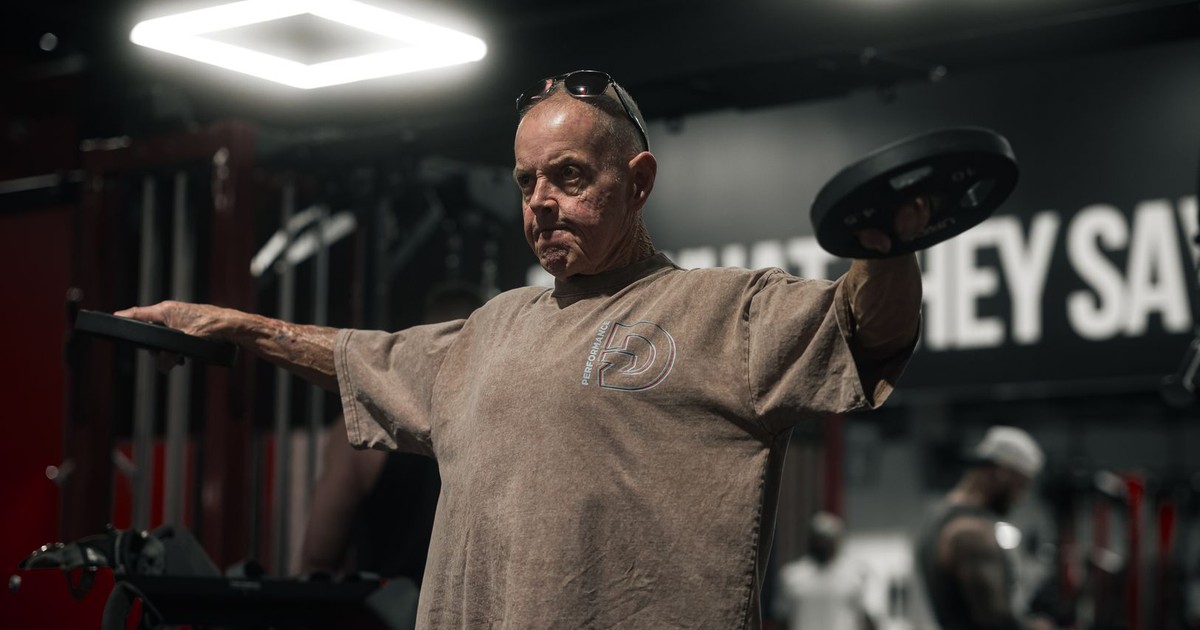

Muscle loss can be easy to ignore in your 40s and 50s. You may still feel strong, stay active and get through everyday tasks without much trouble. But beneath the surface, the amount and quality of muscle we carry tends to decline with age, and the process can accelerate later in life.
Over time, that loss can affect much more than appearance. Muscle helps support balance, mobility, metabolism and the ability to remain independent as we get older. Severe age-related muscle loss, known as sarcopenia, is also associated with frailty and a greater risk of falls.
The encouraging part is that muscle loss isn’t entirely beyond our control. Speaking to Fox News, Jacob Zemer, a New York-based certified fitness coach who primarily works with adults between 35 and 55, points to four habits that can help protect muscle as we age: getting enough protein, resistance training, prioritizing sleep and continuing to move throughout the day.
And research suggests you don’t have to train like a bodybuilder to benefit. Here’s what the science says about each one.
Why Muscle Loss Accelerates With Age
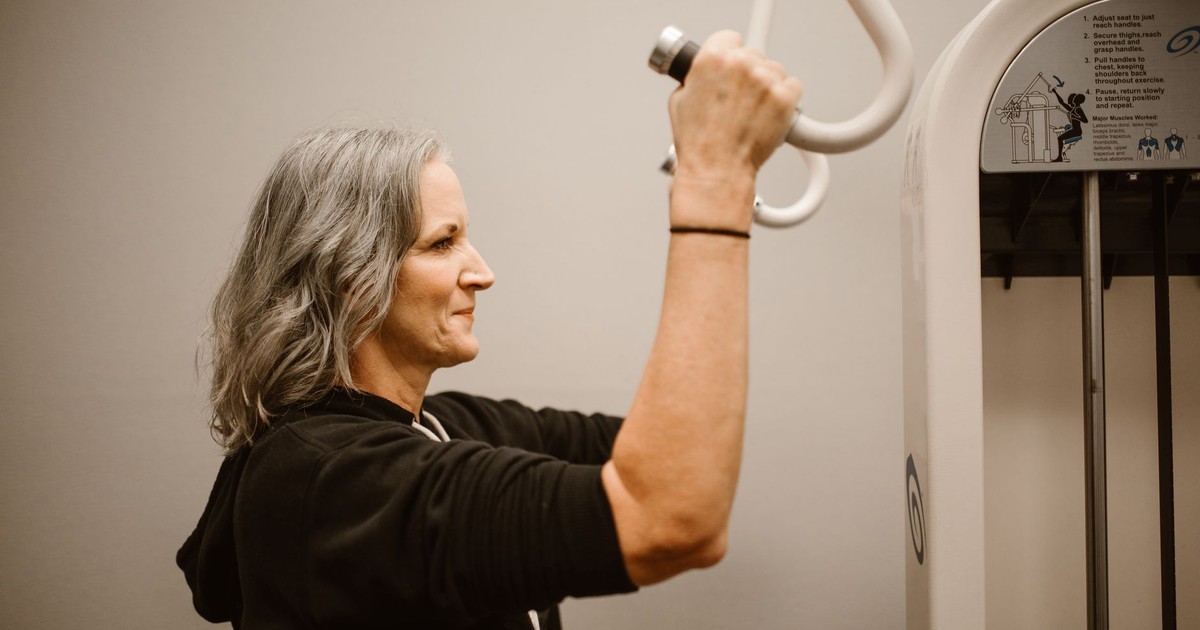
When people transition from the active routines of their youth to more sedentary, career- and family-focused daily schedules, their baseline metabolism drops alongside their physical activity. Zemer puts the shift plainly. “The biggest change is lifestyle,” he told Fox News Digital. “When you’re in your teen years or your 20s, you’re running around, you’re doing activities that lend themselves to building muscle.”
Hormonal changes compound those lifestyle factors as people approach their 40s. “That means we partition the calories we’re using less and less for protein and building muscle, and more and more for simply storing as fat,” Zemer said. The biology backs that up. Hormone replacement therapy can significantly increase serum steroid hormone-binding globulin, which leads to a decrease in serum free testosterone levels in women, and low serum free testosterone is associated with lower muscle mass. In men, testosterone levels begin a continuous decline starting in their 20s, with a growing proportion becoming clinically hypogonadal – defined as levels below 320 ng/dl – by their 70s, according to research published in Advances in Physiology Education. That same research found skeletal muscle has many androgen receptors, and when those receptors are stimulated, muscle protein synthesis occurs. Growth hormone secretion also declines with age, which reduces IGF-1 (insulin-like growth factor 1, a hormone that signals muscles to grow and repair).
There’s also a metabolic layer to the problem. The muscle protein synthetic response to food intake is blunted in older adults, meaning that even if an older person eats adequate protein, the muscles don’t respond to it as efficiently as they did at 25. This doesn’t mean protein stops mattering – it means the threshold for “enough” gets higher.
1. Get Adequate Protein – and Understand Why the Bar Rises With Age

Dietary protein is a potent stimulator of muscle protein synthesis – the biological process by which the body repairs and builds muscle tissue. For younger, sedentary adults, standard dietary protein intake is generally sufficient to maintain muscle. For older adults, and especially those who exercise, the math changes.
A 2025 review published in the journal Nutrients found that dietary protein intake of at least 1.0 to 1.2 grams per kilogram of body weight per day is required in healthy, aging populations to maintain muscle mass. That translates to roughly 75 to 90 grams of protein daily for a 165-pound (75 kg) adult – a target many people fall short of without realizing it. The same research found that 30% of men and 50% of women over 71 consume inadequate dietary protein.
For people who train regularly, Zemer suggests targeting 0.8 to 1 gram of protein per pound of body weight – a range consistent with recommendations from sports nutrition literature. Timing also matters. Research from the Gatorade Sports Science Institute found that physical activity performed prior to ingestion increases muscle protein synthesis in older adults – which means a post-workout meal or shake isn’t just convenient, it’s physiologically strategic. As Zemer put it, “Getting seven to nine hours of quality sleep is vital,” but the same principle of intentional timing applies to protein: the window around training matters.
For context on what adequate protein looks like in practice: a 6-ounce serving of chicken breast contains roughly 50 grams. Two eggs at breakfast add about 12 grams more. Greek yogurt, cottage cheese, canned tuna, and legumes are efficient additions that don’t require major diet overhauls. The goal is consistency across the day, not one large protein load.
2. Strength Train Regularly – Even 30 Minutes Twice a Week Counts
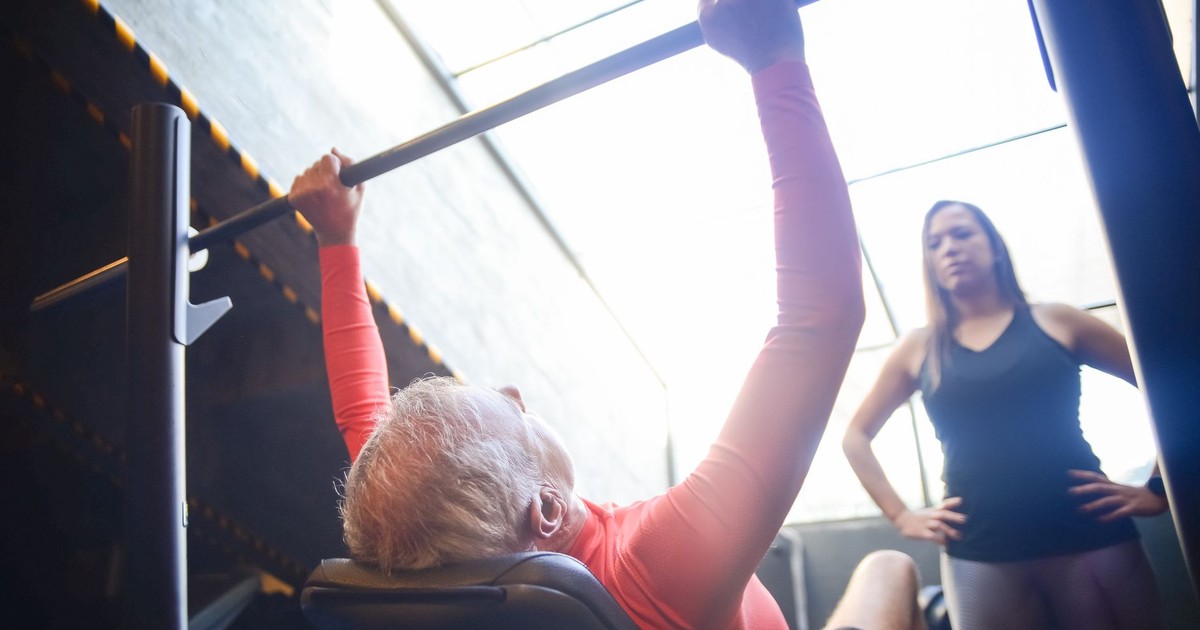
A 2025 systematic review found that resistance training significantly improved handgrip strength, gait speed, and knee extension strength in older adults with sarcopenia – three of the most clinically meaningful markers of functional independence. This is the strongest category of evidence available for preventing muscle loss aging, and it points clearly in one direction: lift weights, consistently, over time.
The CDC recommends that adults perform muscle-strengthening activities on two or more days a week that work all major muscle groups – including the legs, hips, back, abdomen, chest, shoulders, and arms. The same guidelines recommend pairing that with 150 minutes of moderate-intensity aerobic activity each week, or 75 minutes of vigorous activity.
For intensity, a 2022 paper in Frontiers in Sports and Active Living found that training at 60 to 80% of one-repetition maximum for major muscle groups is an effective starting point for maintaining muscle mass. In plain terms: you don’t need to max out the weight rack. Working hard enough that completing the last two reps is genuinely difficult is the target zone.
Zemer recommends that beginners focus on foundational movement patterns before adding complexity. Body-weight squats, lunges, push-ups, and rows build functional strength that carries over into real-life activities. He’s also a proponent of loaded carries – walking a set distance while holding a weighted object in each hand – as a way to simultaneously build grip strength, core stability, and balance. Each of those qualities directly reduces fall risk, which a 2024 review in Current Research in Physiology linked directly to sarcopenia alongside reduced mobility and osteoporotic fractures.
For anyone who feels intimidated by the gym environment, starting with a few sessions with a certified trainer to learn proper form is a practical step. Poor technique is how people get hurt, and one injury that leads to weeks of rest is a much bigger setback than the cost of a few sessions upfront.
The connection between aging joints and sustained physical movement matters here too: reduced mobility tends to become self-reinforcing, where people move less because movement hurts and then lose the muscle that would have made movement easier.
3. Get Sufficient Sleep – Because Poor Sleep Actively Breaks Down Muscle
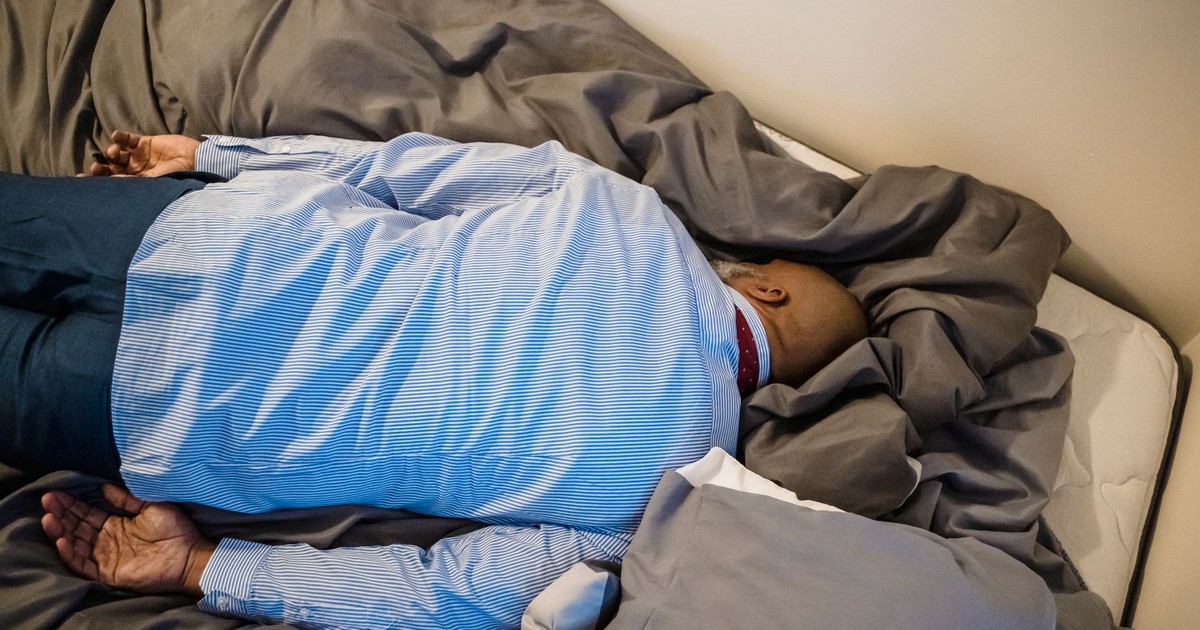
Sleep is where muscle actually gets built. Not in the gym – in bed. During sleep, particularly the deep slow-wave stages, the body releases growth hormone, repairs damaged muscle fibers, and replenishes the glycogen (stored carbohydrate fuel) that powers the next workout. Disrupt that process consistently and the training stimulus you worked for largely goes to waste.
A 2021 randomized crossover study published in Physiological Reports found that a single night of total sleep deprivation reduced skeletal muscle protein synthesis by 18%, while simultaneously increasing plasma cortisol by 21% and decreasing plasma testosterone by 24%. Cortisol is a catabolic hormone – meaning it promotes tissue breakdown rather than repair. A chronically elevated cortisol-to-testosterone ratio is essentially the hormonal signature of muscle loss.
Zemer draws a clear line between occasional short nights and chronic deprivation. “Getting seven to nine hours of quality sleep is vital,” he has told Fox News Digital, noting that consistently sleeping fewer than that is where real deterioration begins. In classic metabolic experiments, people sleeping 8.5 hours lost more fat and preserved more muscle compared to those sleeping 5.5 hours, despite identical caloric intake. Sleep quality isn’t a wellness luxury – for anyone trying to prevent muscle loss as they age, it’s as functionally important as the training itself.
Practical steps that consistently improve sleep architecture include keeping a fixed bedtime, limiting caffeine after 2 p.m., reducing screen exposure in the hour before bed, and keeping the room cool and dark. None of these require a prescription or a supplement.
4. Keep Moving Even When You Can’t Train Formally

The fourth habit isn’t about the gym at all. It’s about avoiding long stretches of complete inactivity when possible. Research on bed rest and muscle loss in older adults has found that periods of physical inactivity can accelerate losses in muscle mass, strength and functional capacity. Even relatively short periods of disuse can matter, particularly for older adults who may already have less muscle and strength to spare.
Zemer is unambiguous on this point: the worst thing you can do is stop entirely, even when injured. “Most of my clients are really focused on longevity,” he told Fox News Digital. “They’re not people who are looking to be bodybuilders or power lifters – they want to age well.” A tweaked knee doesn’t prevent upper body training. A shoulder injury doesn’t mean abandoning lower body work. The body doesn’t compartmentalize the way most people think – maintaining systemic training stimulus, even at reduced volume, signals the nervous system and endocrine system to stay in an anabolic (building) rather than catabolic (breaking-down) state.
This extends to everyday movement outside structured workouts. Walking, taking the stairs, carrying groceries and simply spending less time sedentary all contribute to overall activity, although they don’t replace resistance training for preserving muscle. This can become especially important during periods of substantial weight loss. Mass General Brigham researchers have highlighted exercise and adequate protein intake as important strategies for preserving muscle and bone during weight loss, including among people taking GLP-1 medications.
UC Davis Health similarly noted in 2025 that rapid weight loss can involve losses of lean tissue and emphasized resistance exercise and high-quality protein as strategies for limiting muscle loss. Importantly, lean mass isn’t synonymous with skeletal muscle, so estimates of lean-mass loss shouldn’t automatically be interpreted as the same amount of muscle loss.
What This Means for You
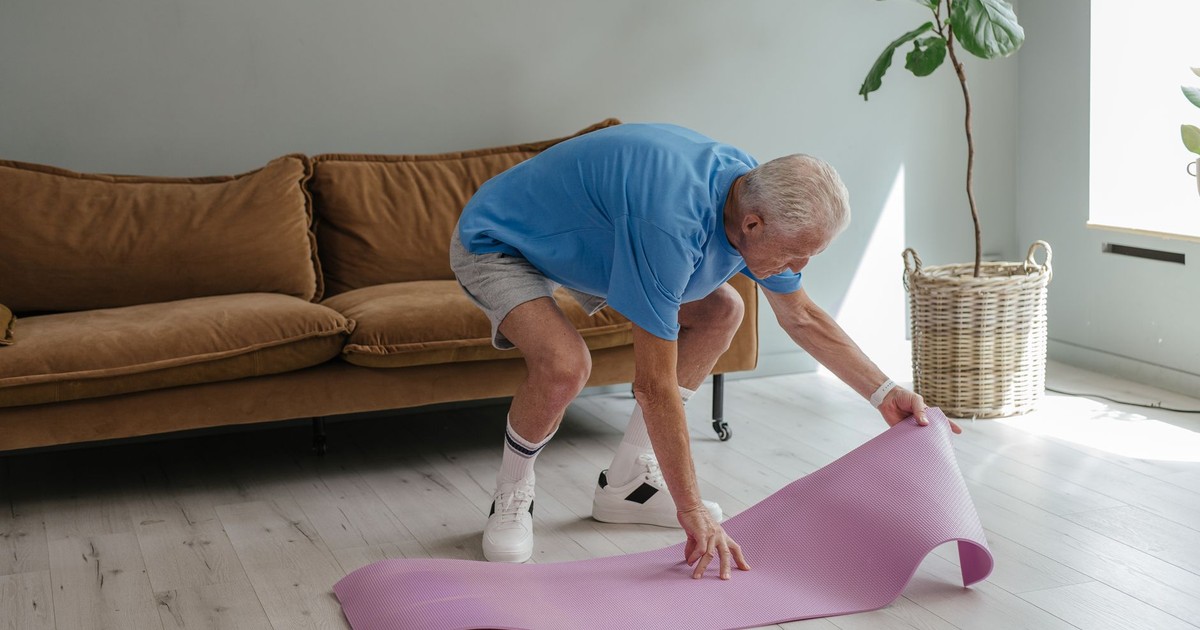
Protecting muscle as you age doesn’t require becoming a bodybuilder or spending every day in the gym. The research instead points toward something much less dramatic: consistency over time.
Adequate protein gives the body the building blocks it needs. Resistance training provides the signal to maintain and strengthen muscle. Sleep supports recovery, while regular movement helps prevent long stretches of inactivity from becoming the norm.
Zemer compares muscle to a retirement account: what you build and maintain earlier in life gives you more to draw from later. It’s a useful way to think about strength because the goal isn’t simply bigger muscles. It’s preserving the ability to climb stairs, carry groceries, get up from a chair and continue doing the things that make independent life possible.
You also don’t need to wait until muscle loss becomes obvious to start paying attention. Building strength now may be one of the most practical investments you can make in how well you move later in life.
Disclaimer: This information is not intended to be a substitute for professional medical advice, diagnosis, or treatment and is for information only. Always seek the advice of your physician or another qualified health provider with any questions about your medical condition and/or current medication. Do not disregard professional medical advice or delay seeking advice or treatment because of something you have read here.
AI Disclaimer: This article was created with the assistance of AI tools and reviewed by a human editor.
Read More: How Does Exercise Affect Your Hormones? What Women Should Know – by Dr. Vaidehi Patel, BSc, ND