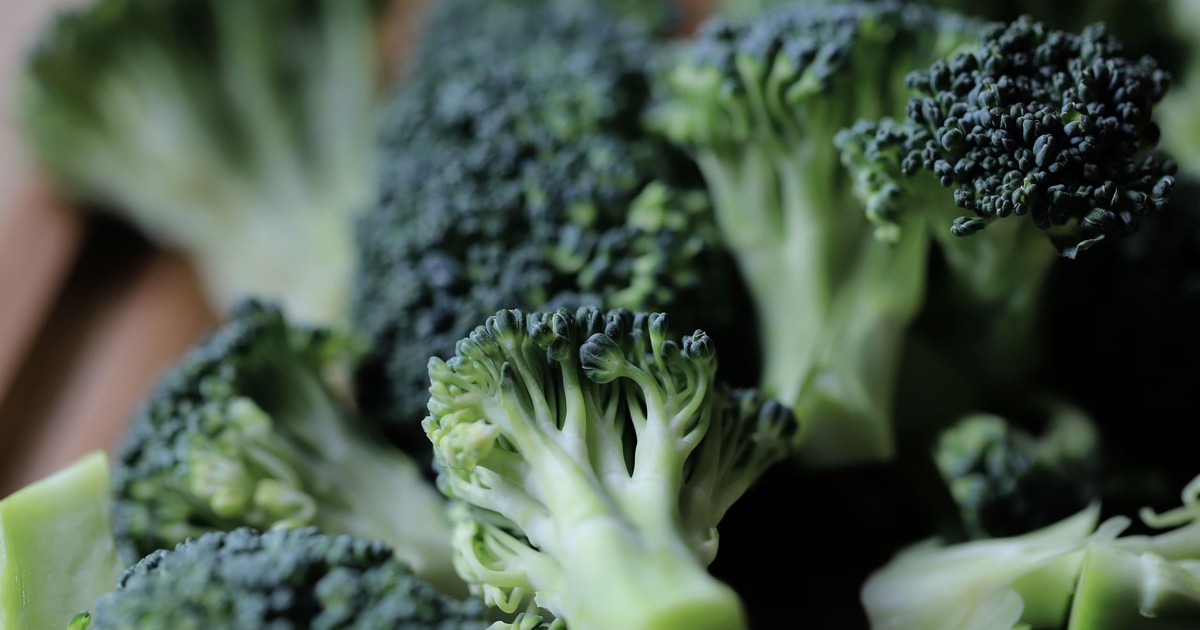

Boiling broccoli can wipe out most of one of its best-studied health compounds. It’s not about overcooking. It’s about a chemical reaction that needs to happen before the broccoli ever hits the water. Most people don’t know this is happening, because boiled broccoli still looks and tastes fine. It stays green and tender. But much of its nutrition is gone.
The compound is called sulforaphane, and raw broccoli doesn’t actually contain it. The plant stores a building block called glucoraphanin. This only turns into sulforaphane with the help of an enzyme called myrosinase. Heat destroys that enzyme quickly. That’s the main problem with the way most people cook broccoli. The usual methods wipe out the very reaction that makes it so good for you.
Broccoli is high in vitamins C, A, and K. It also contains sulforaphane, which may help prevent some types of cancer. But how many of those benefits make it to your plate depends on what you do between the cutting board and the pot. Here’s what research shows about cooking broccoli well, and the small changes that make a real difference.
1. Does boiling strip the most nutrients?
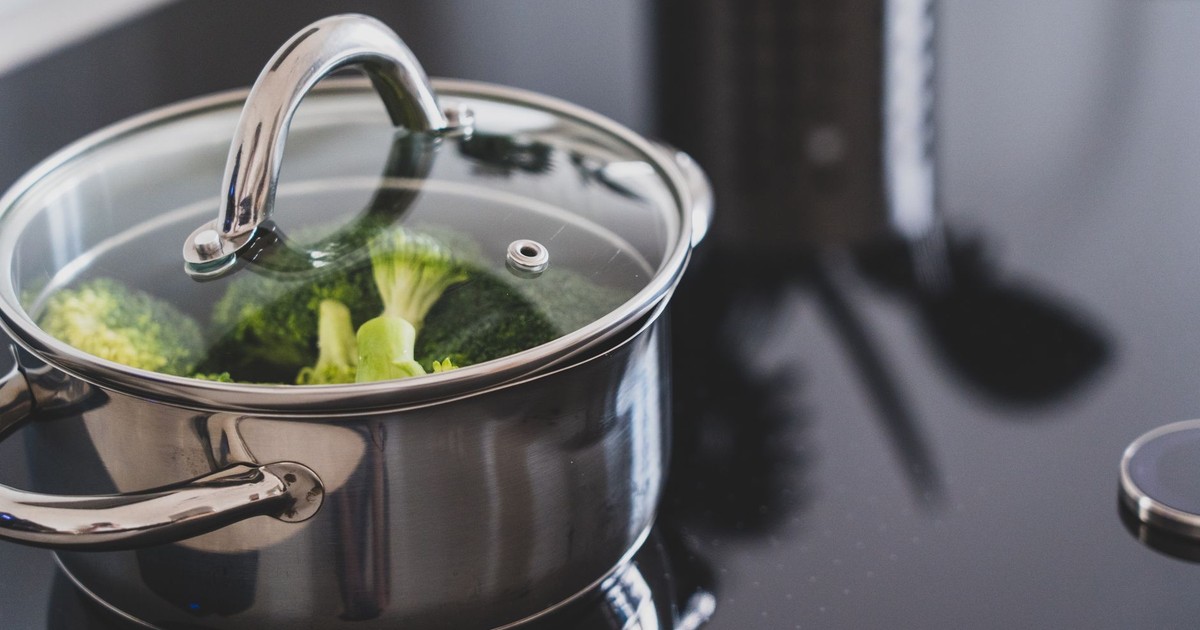
Sol Figueroa is a registered dietitian in Florida. She has said boiling causes “the most loss in nutrients.” She explained that “vitamin C and glucoraphanin dissolve in water, so a lot of them end up in the cooking water that gets poured down the drain.” Figueroa spoke to Fox News Digital along with other nutrition experts about cooking broccoli.
Research backs this up. A 2009 study published in the Journal of Zhejiang University Science B found that boiling caused the biggest loss of vitamin C in broccoli. It was also one of the worst methods for keeping glucosinolates, the family of compounds that includes glucoraphanin. The same study found that every cooking method except steaming caused big losses of chlorophyll and vitamin C. Boiling broccoli for 10 minutes destroys about half of its vitamin C. It washes out a similar share of glucosinolates.
The loss of sulforaphane is even worse. Research has found that boiling broccoli for about 10 minutes destroys almost all the myrosinase. It also washes much of the glucoraphanin into the water. Together, that cuts how much sulforaphane your body takes in by about 90% compared with raw broccoli. If you do boil, Fox News Digital reported that Figueroa suggests using as little water as you can and cooking it for a short time. Even better, save the cooking water and add it to soups or stews. That way, the vitamins that went into the water don’t go down the drain.
2. Roasting looks healthier than it is
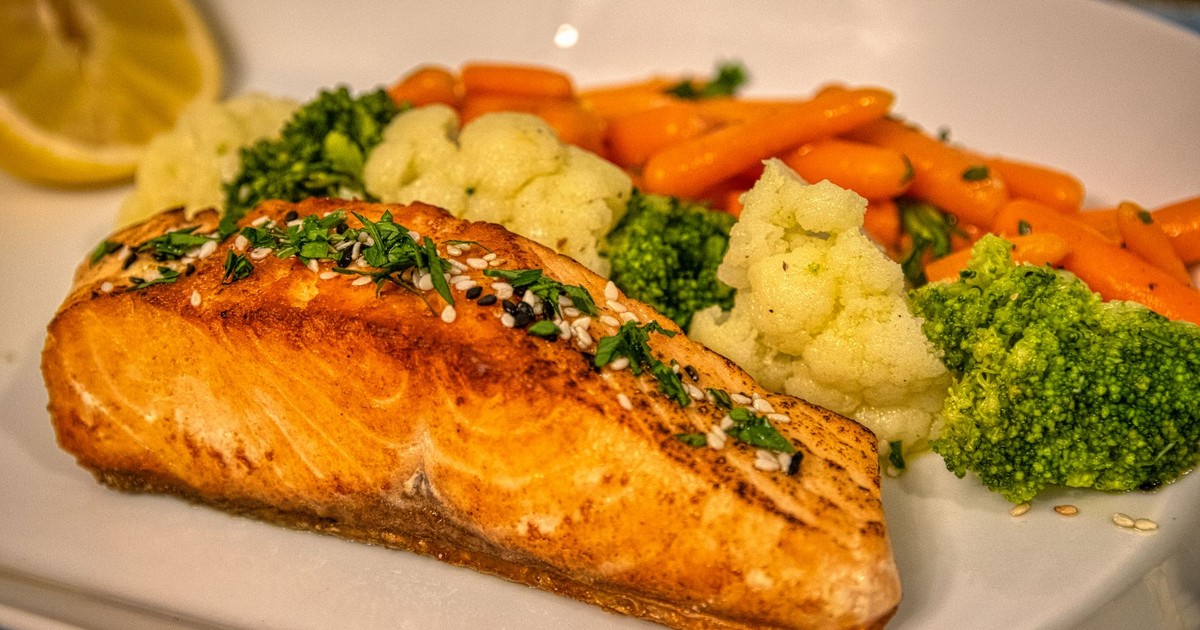
Roasted broccoli has become a weeknight favorite. It tastes better than boiled, and dry heat seems gentler than soaking in water. But roasting uses high heat, so it likely destroys some of broccoli’s heat-sensitive nutrients. These include the myrosinase needed for sulforaphane, as well as vitamin C and folate.
Cooking for a long time or at high heat, including roasting, can cut the antioxidants, anti-inflammatory compounds, and other helpful plant compounds in broccoli. A 2022 study in the journal Food Chemistry found that heat lowered broccoli’s antioxidant power, and higher heat caused bigger losses. Ovens for roasting are often set to 400°F (200°C) or higher. That’s well past the point where myrosinase stops working.
Read More: 6 Reasons You Should Eat More Broccoli (Including the Stems)
Still, roasting doesn’t wash out vitamins the way boiling does, since there’s no water for them to dissolve into. Vitamins A and K dissolve in fat, not water, and they hold up better to heat. So they survive better in the oven than in a pot. If your family likes roasted broccoli best, it keeps much more sulforaphane than boiling. But it still keeps much less than steaming.
3. Is steaming the best way to protect nutrients?
Steaming broccoli for a short time helps keep nutrients that long cooking can destroy. Research agrees on this. The 2009 Journal of Zhejiang University Science B study is the most complete comparison of home cooking methods for broccoli. It found that steaming was the only method that did not cause big losses of glucosinolates. That makes it the best choice for keeping all of broccoli’s health compounds.
Vitamin C tells the same story. Steaming broccoli for five minutes keeps about 80% of its vitamin C. Boiling loses much more. Time is the key. Aim for three to five minutes of steaming over gently boiling water. After that, the cell walls start to break down, the myrosinase stops working, and steaming loses its edge.
One tip: cut the florets into pieces of about the same size before steaming. That way they cook evenly. If the pieces are uneven, some will still be hard while others are already mushy. Felice Kaufman is a food blogger behind the site Cooking in the Keys and a former chef at a New York Whole Foods Market. She suggests cutting florets to the same size and checking them at three minutes. Her rule: if you’d eat a piece right now, it’s done. It will keep cooking a bit after you take it out of the steamer.
4. Microwaving preserves vitamin C better than almost anything else
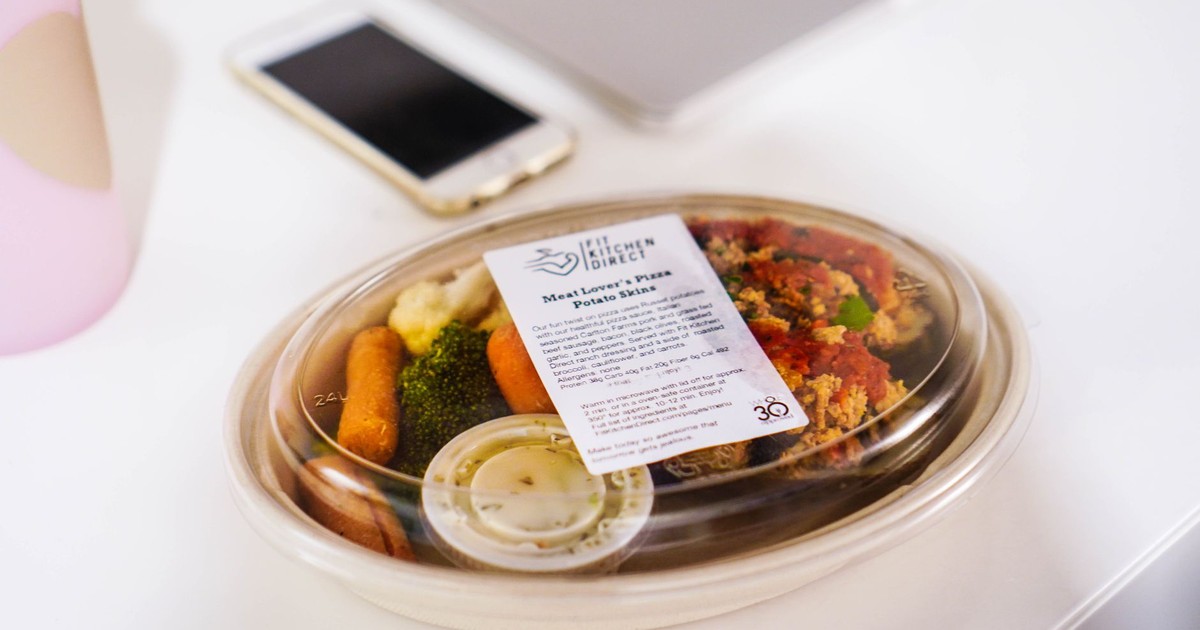
Microwaves have a bad reputation for nutrition, but the research doesn’t back that up, at least for broccoli. Microwaving may be one of the better ways to keep nutrients. Some studies found it kept up to 90% of the vitamin C. The same 2009 study found that microwaving, like steaming, kept more glucosinolates than boiling or stir-frying.
Microwaving keeps vitamin C because it’s fast. The shorter the cooking time, the less time heat has to break down nutrients or wash them out. The trick is to use very little water, just a tablespoon or two to make steam inside the dish. More water makes microwaving more like boiling. Here’s how: put the florets in a microwave-safe dish with a little water. Cover it loosely and cook on high for two to three minutes. Check it, then add time in 30-second steps.
The one downside is glucoraphanin. Some studies suggest microwaving is harder on this compound than steaming. If sulforaphane is your main goal, steaming is a bit better. If vitamin C is your goal, the microwave is a great choice, and it’s much easier on a weeknight than setting up a steamer basket.
You can read more about how broccoli’s nutritional composition stacks up across different parts of the vegetable in this breakdown of broccoli nutrition, including the stems.
5. The sulforaphane problem, and the 30-minute fix

Sulforaphane starts with an odd bit of plant chemistry. It isn’t sitting ready-made inside broccoli. Instead, the plant keeps glucoraphanin in one part of the cell. It keeps myrosinase, the enzyme that turns glucoraphanin into sulforaphane, in a separate part. When you chew or chop raw broccoli, the two parts break open and mix. The enzyme does its job and sulforaphane forms. If you cook broccoli without chopping it first, the heat kills the enzyme before this can happen.
Chop or crush your broccoli and let it sit for about 30 to 40 minutes before cooking. This gives the enzyme time to turn glucoraphanin into sulforaphane while the broccoli is still raw. Sulforaphane comes from broccoli and its plant relatives, like cabbage and kale. Studies show it has cancer-fighting properties. Research published in Frontiers in Oncology described its effects on colon cancer cells. In lab and animal studies, it slowed tumor growth in models of prostate, colon, and breast cancer.
Letting chopped broccoli rest for 30 minutes is the biggest, cheapest change you can make. You don’t need special tools or a new cooking method, and it doesn’t change the taste. Chop the broccoli when you start making dinner. By the time the oven is hot or the water is boiling, the reaction has already happened.
6. Adding mustard powder to cooked broccoli can rescue sulforaphane production
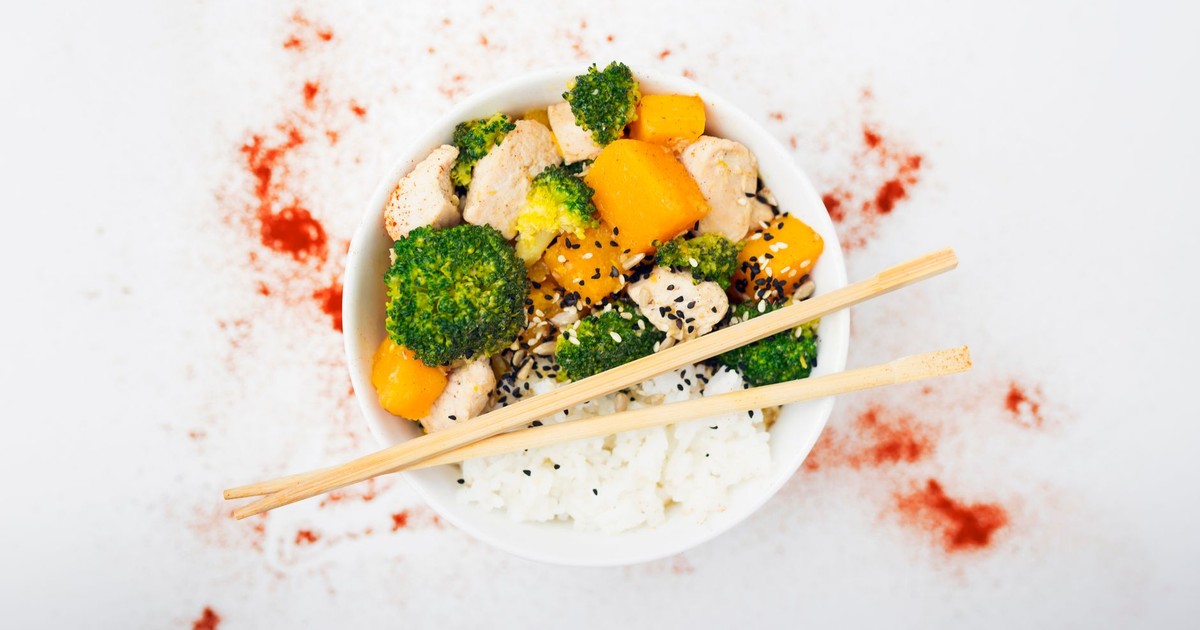
If you forget to chop it early, there’s a fix that works even after cooking: mustard seed powder. As Fox News Digital noted, mustard seeds contain myrosinase, the enzyme that turns glucoraphanin into sulforaphane and gets lost during cooking. Sprinkling a little mustard powder on cooked broccoli adds the enzyme back. That restarts the reaction even after heat has killed broccoli’s own myrosinase.
The effect is big. A 2024 study published in Scientific Reports found that adding myrosinase, the active enzyme in mustard seeds, to glucoraphanin about doubled how much sulforaphane the body could use. Earlier research published in the NIH’s National Library of Medicine found that sulforaphane from foods with active myrosinase is three to four times easier for the body to absorb than sulforaphane from glucoraphanin without the enzyme.
Half a teaspoon of plain mustard seed powder on a serving of cooked broccoli is enough to help. For the best mix of nutrients and easy digestion, chop the florets, let them rest for 30 minutes, then steam them for three to four minutes. If you cook broccoli all the way through, add half a teaspoon of mustard powder to bring back sulforaphane. Yellow mustard powder is sold in almost any grocery store and is the easiest choice.
7. The stalk is not a scrap, it’s worth cooking
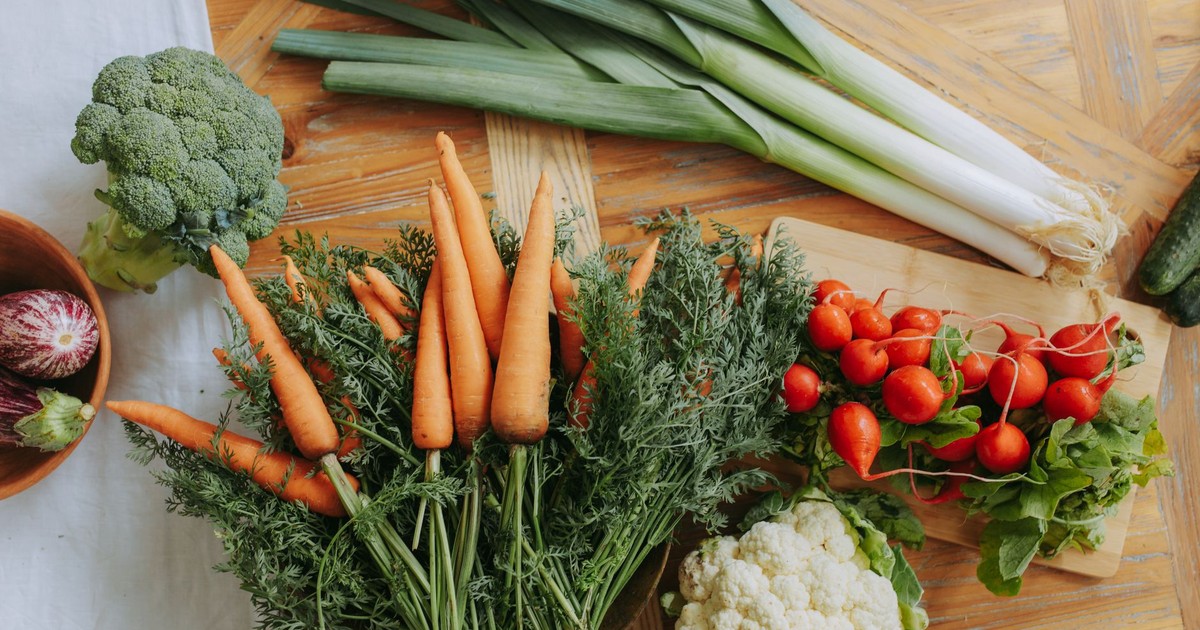
Most people cut off the broccoli stalk and throw it away. But broccoli leaves and stalks have about the same nutrition as the heads. That makes the stalk one of the most wasted healthy parts of a common vegetable. Per 100g, raw broccoli stalks have 93mg of vitamin C and 71mcg of folate. That’s slightly more than the florets, which have 89mg of vitamin C and 63mcg of folate.
The stalk is tougher than the florets, so it takes longer to cook at the same size. The easy fix is to cut it thinner. Slice the trimmed stalk into coins or matchsticks, and they’ll cook at about the same rate as the florets. Kaufman told Fox News Digital she trims and slices the stalk and cooks it along with the florets. It tastes mild and a bit sweeter than the head. It works well steamed or roasted.
What this means for you
Here’s the short version. Chop your broccoli, let it rest for 30 minutes, then steam it for three to five minutes. That keeps the most nutrients, including vitamin C, glucosinolates, and sulforaphane. If that’s not doable on a busy night, microwaving with very little water is a strong second choice for vitamin C. If you boil, use as little water as possible, keep it under five minutes, and save the cooking water.
The mustard powder trick is worth doing no matter how you cook, because even steamed broccoli loses some sulforaphane. And if roasting is what gets your family to eat broccoli, that matters more than chasing one compound. As Figueroa told Fox News Digital, “the most important thing is eating broccoli at all.” The habit matters more than the method. Knowing how to cook broccoli well just helps you get more out of something you already eat.
Disclaimer: This information is not intended to be a substitute for professional medical advice, diagnosis, or treatment and is for information only. Always seek the advice of your physician or another qualified health provider with any questions about your medical condition and/or current medication. Do not disregard professional medical advice or delay seeking advice or treatment because of something you have read here.
AI Disclaimer: This article was created with the assistance of AI tools and reviewed by a human editor.