
Francis Apraku already had a reason to feel proud of his morning routine at James Madison High School. He greeted students in the hallways, kept the building clean, and had a habit of checking in on anyone who looked like they were having a rough day. The football players outside the weight room noticed that. They noticed it enough that one afternoon they asked him a question he wasn’t expecting: if you could have anything, what would it be?
His answer was immediate. “My heart’s desire is a Jeep Wrangler,” Apraku told CBS News. He said it the way you say something you’ve always believed is out of reach. For good reason. Apraku, who came to the United States from Ghana, regularly sends money back home to relatives there. A luxury SUV wasn’t in the budget. He admitted as much: “That’s why I’ve tried to work hard.”
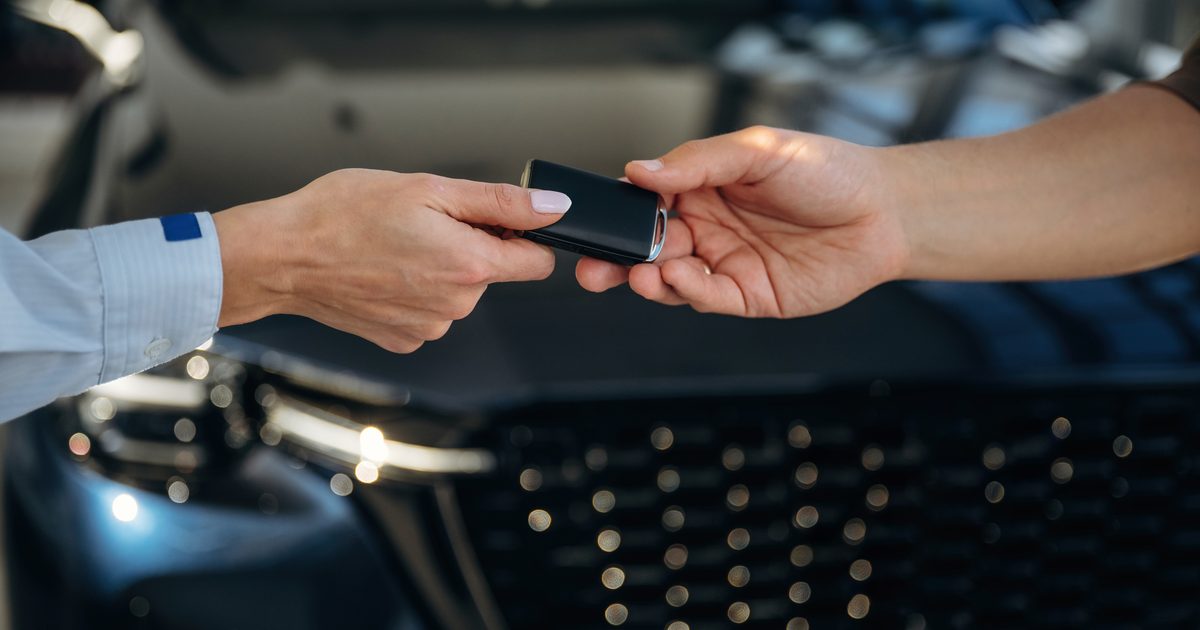
The students started a fundraising campaign that brought in about $22,000 in four months. They used GoFundMe, and the response went well beyond their school community. When student Logan Georgelas saw the campaign hit $5,000 on the first day alone, the group realized the goal was actually achievable. With the money, they purchased a 2015 Jeep Wrangler and surprised Apraku with it.
How did the surprise gift unfold?
Apraku received the surprise in the parking lot of a local Vienna restaurant where the students had staged the reveal. The cherry-red SUV sat with a bow on the hood. When Apraku saw the Wrangler, he said the gesture brought him to his knees. Literally.
“My leg started shaking,” he said. “I will never, ever forget today.” He fell to the ground, overwhelmed. Student Logan Georgelas recalled watching Apraku and thinking, “Is he OK?” The group had to help him back to his feet before they could walk him to the car.
Apraku’s first instinct, once he composed himself, was not to talk about the vehicle. He said he would never forget the day, not because of the car, but because of the kids. “I can’t believe this in America,” he added. “Only in America.”
Read More: Student Secretly Spent Six Months Making 1,300 Valentines, so Nobody Felt Left Out
Bennett Hibshman, one of the sophomores who led the effort, described the relationship with Apraku the same way across multiple interviews: “He’s more than a custodian, he’s a friend.” The group had gotten to know Apraku during the previous school year, struck by how consistent his warmth was. He greeted students, handed out fist bumps, and was the first to notice when someone walked in upset. It was that consistency that motivated the campaign. As Hibshman put it: “No one else is going to” do something for him.
Jeep was also moved by the story and told CBS News it would gift Apraku a package covering his oil changes and tire rotations for the next six years at his local dealership. The vehicle the students had chosen was a 2015 model with a 3.6-liter V6 engine and 285 horsepower, with four-wheel drive. It was now fully supported for years of running costs.
Why did teenagers lead this?
A 2026 Gallup survey, conducted on behalf of The Allstate Foundation, found that 82% of youth aged 12 to 25 report participating in some form of service. The most popular form isn’t formal volunteering. Some 54% of young people say donating goods or organizing donations is among their most common activities. That’s precisely what the James Madison students did, using a crowdfunding page to organize a community donation drive around a person they cared about.
Peer-reviewed research backs up what many parents and teachers already suspect: compassion in adolescents predicts behavior. A 2025 study in the Journal of Adolescence found that compassion was the aspect of empathy most distinctively linked to helping behavior and less aggressive responses among teenagers. The students at James Madison didn’t form a committee or earn community service hours. They saw someone they liked, identified what he wanted, and built a plan.
More than nine in ten young people agree that everyday acts of kindness can be just as important as formal volunteering, according to the same Gallup survey. The custodian surprise gift at James Madison was both, informal in its origins and organized in its execution.
What does Apraku’s story show about sending money home?
Apraku works hard and sends money home. According to diaspora data, the Ghana-born population in the United States counts about 262,000 people, and the financial ties to home are substantial. Ghana received nearly $7.8 billion in remittances in 2025, with the United States as the largest source country.
For many immigrants in that community, personal spending on anything beyond necessity gets weighed against the needs of relatives abroad. Apraku’s Jeep Wrangler dream was genuine, and it was also the kind of dream that gets quietly shelved, not because it’s unreasonable, but because other priorities take precedence. When the students removed the financial barrier entirely, they weren’t just giving him a car. They were giving him permission to have something for himself.
That was not lost on Apraku. Among the things he said that day, one line stood out: “I give thanks to Almighty God for making today for me.” The phrase “for me” carries weight when you spend your working life looking after others.
What did this kind of giving do for the community?
The fundraiser’s success depended on more than a GoFundMe link. It spread through local Facebook groups, neighborhood pages, and word of mouth. Hibshman later noted that his own dentist and his boss at work had heard about the campaign before it concluded. The Vienna Inn, the local restaurant that hosted the reveal, posted the moment on Instagram. Liz Calvert, the principal of James Madison High School, expressed pride in the students publicly. The story moved from a school parking lot to national coverage in a matter of days.
Stories like this one sit in a wider pattern of students recognizing the unsung people in their schools. The James Madison students spent four months working toward something with no guaranteed outcome. They started a GoFundMe, shared it broadly, and kept going after they hit $5,000 on day one because that told them the community was ready to follow. The ask to Apraku, “what would you want if you could have anything?”, cost nothing, took thirty seconds, and started everything.
Apraku now drives a cherry-red Wrangler to work, with six years of oil changes and tire rotations covered. The students were sophomores who will remember September 10, 2024, as the day they proved to themselves that a group of teenagers with a GoFundMe account and enough conviction can change someone’s life.
Disclaimer: The author is not a licensed medical professional. The information provided is for general informational and educational purposes only and is based on research from publicly available, reputable sources. It is not intended to constitute, and should not be relied upon as, medical advice, diagnosis, or treatment. Always consult a licensed physician or other qualified healthcare provider regarding any medical condition, symptoms, or medications. Do not disregard, avoid, or delay seeking professional medical advice or treatment because of information contained herein.
AI Disclaimer: This article was created with the assistance of AI tools and reviewed by a human editor.