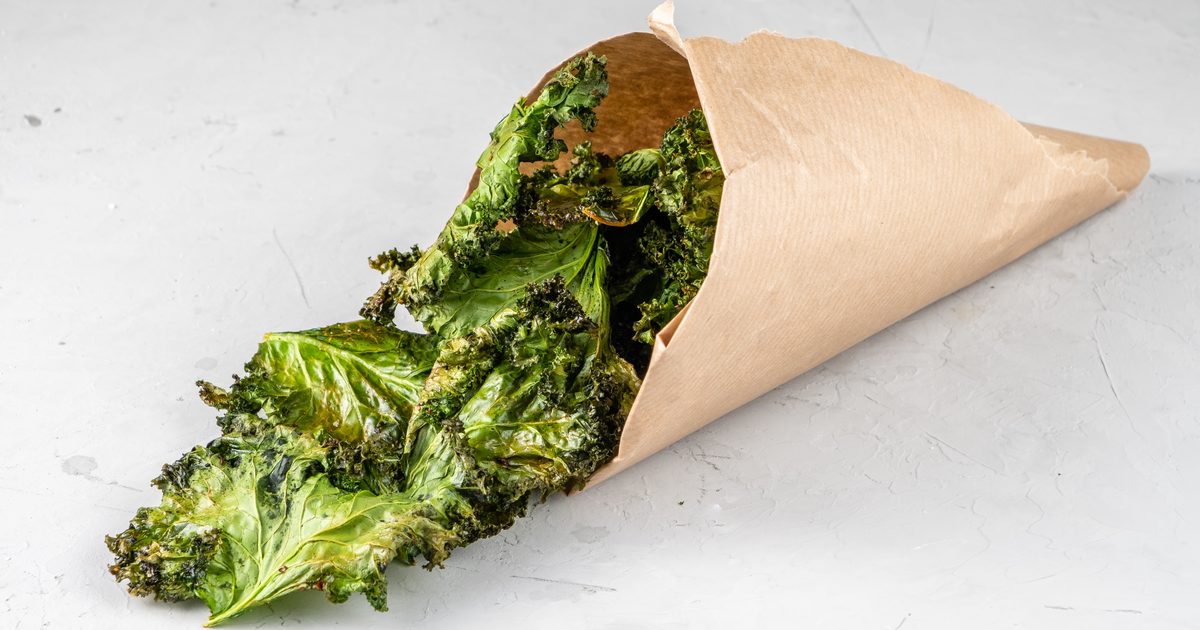

Snack Right Super Foods, Inc. is a company in Coral Gables, Florida. It sells snacks under the Brad’s Raw Chips name. On November 2, 2026, the company announced a nationwide kale chips recall. The recall covers about 25,000 bags. Those bags may contain thallium, a toxic metal that can harm the body. The FDA posted the recall notice the next day. If you have any Brad’s Plant Based kale snacks in your pantry, check the Best By date. Some recalled bags have Best By dates as late as February 17, 2027. So they may still look perfectly fine on your shelf.
Flavor alone does not tell you if a bag is part of the recall. Only certain lot numbers, matched to their UPC and Best By date, are included. The company says to stop eating the chips and throw them away. It is not offering refunds. It also asks people not to return the bags to stores.
The recall traces back to a California investigation. The California Department of Public Health (CDPH) started looking into it in January 2026, Los Angeles County Public Health said. The recall itself came in November 2026. Bags shipped in late 2025 may still be sitting in homes across the country.
Which Products Are Affected? UPCs, Lots, and Best By Dates
Brad’s Crunchy Kale, Original (2 oz, UPC 813104021679): Lots 33525-1, 33525-2, and 33525-3 (Best By February 1, 2027). Also Lot 34525-1 (Best By February 11, 2027) and Lot 35125-2 (Best By February 17, 2027).
Brad’s Crunchy Kale, Cheeze It Up (2 oz, UPC 813104021877): Lot 35025-3 (Best By February 16, 2027).
Brad’s Crunchy Kale, Radical Ranch (2 oz, UPC 813104020726): Lot 29425-1 (Best By December 21, 2026).
Brad’s Veggie Chips Kale (3 oz, UPC 854615002054): Lot 33225-3 (Best By January 28, 2027), Lot 33325-2 (Best By January 29, 2027), Lot 33425-1 (Best By January 30, 2027), and Lot 33525-1 (Best By February 1, 2027), according to the FDA recall notice.
The lot code and Best By date are printed on the bag. Check both against this list. A bag with the right flavor but a different lot number is not part of the recall.
KeHE Distributors and United Natural Foods (UNFI) shipped the products to stores nationwide between October and December 2025. The company also sold chips directly to five people. That is how these bags ended up in pantries all over the country.
What Should You Do Right Now?
Stop eating the recalled chips right away and throw them out. The company says it is not offering refunds. Do not return the products to stores.
For questions, the company’s contact is Alexa Olvera. You can email her at [email protected]. She is available Monday through Friday, 10 a.m. to 4 p.m. Eastern. You can expect a reply within one business day. If you ate the product and have symptoms, contact your own doctor.
Read More: Ground Cinnamon Recalled in 6 States Over Elevated Lead Levels
How Did the Recall Come About?
California’s warning came first. CDPH began its investigation in January 2026 after a report about a person with high thallium levels. Staff then looked at the foods that person ate, including Brad’s kale products. They collected samples from stores in the Sacramento area. Lab tests found high thallium levels in several kinds of the snacks. In May 2026, CDPH told people not to eat certain Brad’s Plant Based products. The FDA recall came months later, after the FDA told the company that thallium had been found in tested products.
The FDA notice does not say the chips caused that person’s high levels. CDPH told Consumer Reports the person said they ate Brad’s kale chips almost daily for more than a year. The FDA recall covers four products. California’s warning named eight, including Crunchy Kale Vampire Killer, Crunchy Kale Nacho, Balsamic Salad Snack, and Ranch Salad Snack. CDPH told Consumer Reports it still advises people not to eat the Brad’s products that were left out of the recall.
Why Do Kale and Drying Matter?
Kale Pulls Thallium From the Ground
Kale belongs to a plant family called brassicas. These plants are known to soak up certain elements from soil. Thallium is a metal found naturally in soil and in sulfur-based minerals. It gets into the plant through the roots, which pull minerals up from the ground. That is how thallium ends up in the kale, not through dirty water or added ingredients.
A 2025 CDPH case report on kale chips looked at a family with high thallium levels. The authors noted that kale and its relatives can build up thallium in their leaves. Past research found levels up to 80 times higher than in the soil around them. The same report notes that topsoil across the lower 48 states has an average thallium level of 0.4 mg/kg. But the range runs from less than 0.1 to 8.8 mg/kg. So the amount in the soil can vary a lot depending on where the kale is grown.
Drying Concentrates What Was Already There
The company says its process did not add the thallium. Instead, drying is the issue. Drying removes about 85 to 90 percent of the water in the kale. That concentrates whatever was already in the fresh leaves. So a small amount of thallium in raw kale becomes a much higher amount per gram in the finished chip. That is how a snack made from a healthy vegetable can carry a risk the fresh vegetable would not.
What Does Thallium Do to the Body?
Gastrointestinal Effects
According to DermNet, a medical reference site, a large dose of thallium taken in a short time can cause severe stomach pain, nausea, vomiting, and diarrhea within 3 to 4 hours. These stomach symptoms are often the first sign that the body is reacting to the metal. Long-term exposure to smaller amounts can look different and is harder to spot.
Peripheral Neuropathy
Peripheral neuropathy is nerve damage that affects the hands and feet. After a large dose, it usually shows up about 2 to 5 days later. Symptoms include numbness, tingling, and pain, especially on the soles of the feet and palms of the hands. It can get worse quickly.
Hair Loss
Sudden hair loss usually starts about 2 to 3 weeks after a large exposure. It can spread to major hair loss across the scalp, called alopecia, DermNet says. The FDA recall notice lists stomach and gut illness, nerve damage in the hands and feet, and hair loss as effects of exposure to high levels of thallium.
Heart Effects
Health officials also list heart problems as a possible effect. Los Angeles County Public Health named “heart-related complications” among the serious effects of high thallium exposure. If you think you have been exposed to thallium, the Agency for Toxic Substances and Disease Registry (ATSDR) says to call a doctor or a poison control center.
The FDA notice does not report any illnesses tied to the specific lots in this recall.
How Is Thallium Exposure Tested and Treated?
How Thallium Is Measured
Thallium can be measured in urine, blood, and hair. Blood levels only show very recent exposure. So they are not a good way to track exposure over time. A high thallium level in urine or hair cannot tell on its own whether health problems will develop.
Medical Treatment
If you are worried about thallium exposure, contact a doctor or poison control center. Do not try to treat it yourself. For serious poisoning, doctors may use a drug called Prussian blue, which binds thallium in the gut so the body can get rid of it, according to StatPearls, a medical reference from the National Library of Medicine.
What Does This Recall Mean for You?
Check your pantry now against the full product and lot list above. Some recalled bags have Best By dates as late as February 17, 2027. So a recalled bag looks unexpired. You would not know it was a problem without checking the lot code. Throw away any matching bag, and do not return it to the store.
If you ate any of the recalled products and now have stomach pain, tingling in your hands or feet, or unusual hair loss, contact your doctor. Tell them about the recall. A high thallium reading in a urine or hair test cannot predict on its own whether health problems will happen. Even so, ATSDR says to call a doctor or poison control center if you think you may have been exposed.
The FDA recall does not cover all kale chips or all Brad’s products. It only covers the four products listed, and only the lot numbers named in the FDA notice. California health officials, though, still advise against eating the other Brad’s kale products on their list.
Disclaimer: The author is not a licensed medical professional. The information provided is for general informational and educational purposes only and is based on research from publicly available, reputable sources. It is not intended to constitute, and should not be relied upon as, medical advice, diagnosis, or treatment. Always consult a licensed physician or other qualified healthcare provider regarding any medical condition, symptoms, or medications. Do not disregard, avoid, or delay seeking professional medical advice or treatment because of information contained herein.
AI Disclaimer: This article was created with the assistance of AI tools and reviewed by a human editor.