

Two studies led by Jenna AbuSalim and Joshua Rabinowitz looked at how fiber and certain plant proteins affect gut bacteria. Rabinowitz is director of the Princeton Branch of the Ludwig Institute for Cancer Research. One paper came out online on July 27, 2026, in the Proceedings of the National Academy of Sciences. It was a mouse study. The team used isotope tracing. That method tags molecules so researchers can follow them. When gut bacteria ran low on fiber, they began breaking down proteins in the mucus that lines the gut. That mucus helps keep microbes away from the cells of the gut wall. It is part of the body’s natural defenses.
A second paper came out in Nature Metabolism in June 2026. That work used isotope tracing in mice, rats, and human cells. It found that the body itself can make many phenol and indole chemicals. Those chemicals were once thought to come only from gut bacteria. These are two different papers. The mucus finding is from the mouse study, not a human trial. A ScienceDaily report on the work notes that more research is needed on long-term outcomes in people.
Mayo Clinic says a lack of dietary fiber can cause constipation. So can too little fluid, too little exercise, or certain medicines. The six signs below are constipation symptoms Mayo lists. They are not proof, on their own, that your fiber intake is low.
Sign 1: Fewer Than Three Bowel Movements a Week
Mayo Clinic says constipation generally means passing fewer than three stools a week. It can also mean having a hard time passing stool. Not eating enough dietary fiber is one cause. The pattern that is typical for you still matters. Mayo says bowel habits can range from three times a day to three times a week.
Sign 2: Hard, Dry, or Lumpy Stools
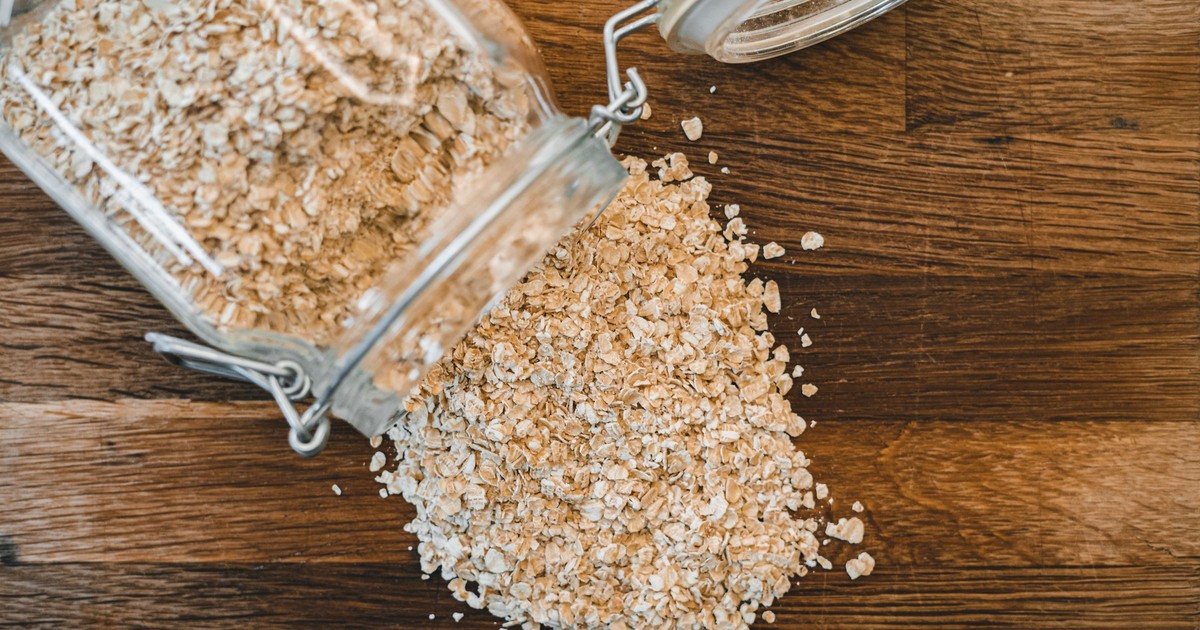
Mayo lists hard, dry, or lumpy stools as a constipation symptom. On its fiber page, Mayo says dietary fiber increases the weight and size of stool and softens it. Bulky stool is easier to pass. That lowers the chance of constipation. Insoluble fiber adds bulk. It also helps move material through the gut. Mayo lists sources such as whole-wheat flour, wheat bran, nuts, beans, and many vegetables.
Sign 3: Straining or Pain When You Pass Stool
Mayo lists straining or pain when passing stools as a symptom of constipation. It also explains the usual process. If stool moves too slowly through the colon, the body absorbs too much water from it. The stool can become hard, dry, and difficult to pass.
Read More: Secret Weapon to Hitting Your Fiber Goals Could Be Inexpensive Vegetable
Sign 4: A Feeling That Not All Stool Has Passed
Mayo Clinic also lists a feeling that not all stool has passed. Chronic constipation, Mayo says, means having two or more of these symptoms for three months or longer.
Sign 5: A Feeling That the Rectum Is Blocked
Mayo lists a feeling that the rectum is blocked as another constipation symptom. This is not always about fiber. Mayo says problems with pelvic floor muscles can also lead to chronic constipation. So can blockages, some medicines, and other health conditions. Make an appointment if symptoms last longer than three weeks. Do the same if you see blood in your stool. Get help if you have stomach pain that does not stop, or if you lose weight without trying.
Sign 6: Needing to Use a Finger to Pass Stool
Mayo Clinic includes the need to use a finger to pass stool among constipation symptoms. If this is happening, talk with a doctor. Do the same if constipation is new for you. Mayo also notes that chronic constipation can lead to hemorrhoids. A high-fiber diet may lower that risk, once a clinician has ruled out other causes.
What the Ludwig Institute Research Found
The mouse study in the Proceedings of the National Academy of Sciences used isotope tracing. It showed that proteins released by the body can be a source of harmful chemicals in the gut. Host-secreted proteins are made by your body and released into the gut. Mucin proteins from the gut lining are one example. In the mice, these were a source of the metabolites p-cresol sulfate and phenol sulfate. Metabolites are chemicals made when the body or microbes break down nutrients. Those two compounds have been linked to worse outcomes in cancer patients. They have also been linked to harmful effects in people with kidney disease. The same method showed that hard-to-digest dietary protein was the source of two helpful chemicals. These are hippuric acid and 3-phenylpropionate. Those have been linked to healthy body weight and better gut health. The study also showed that fiber slowed the bacterial breakdown of proteins the gut releases. That reduced the production of the tyrosine-derived phenols.
Gut bacteria break down the amino acids tyrosine and phenylalanine. Amino acids are the building blocks of protein. This process makes waste products called phenol metabolites. In the mouse work, both fiber and indigestible plant proteins helped shift the balance of these metabolites. The researchers call these hard-to-digest plant proteins “proteins imitating fiber,” or Prif. Fiber and Prif together shifted the balance away from the harmful phenols made from tyrosine. They pushed it toward the helpful ones made from phenylalanine. Fiber also slowed bacteria from breaking down the gut’s protective mucus. This is mouse research. It has not been shown in a human trial.
The second study was published in Nature Metabolism in June 2026. It challenged a long-held idea. Researchers used to think phenol and indole chemicals in the body came only from gut bacteria. The Nature Metabolism study used isotope tracing in mice, rats, and human cells. It showed that some of these metabolites are also made by the body’s own metabolism. In mice, blood levels of some metabolites stayed high even after antibiotics disrupted the gut bacteria. Indole-3-propionate and p-cresol sulfate are made only by microbes. Both did drop after antibiotic treatment. This confirmed that the two classes of metabolites have different origins.
Both studies used isotope tracing, but they asked different questions. The Nature Metabolism study was done in mice, rats, and human cells. The Proceedings of the National Academy of Sciences study was done in mice. In humans, it is still not known how little fiber it takes to cause real mucus loss. What this means for medical care is not yet clear. Plant-based diets can support gut health, immune function, metabolism, and heart health, the Ludwig Institute notes. The authors say these findings may help explain part of that link at the chemical level. They have not shown what this means for everyday diets in people.
What to Do Now
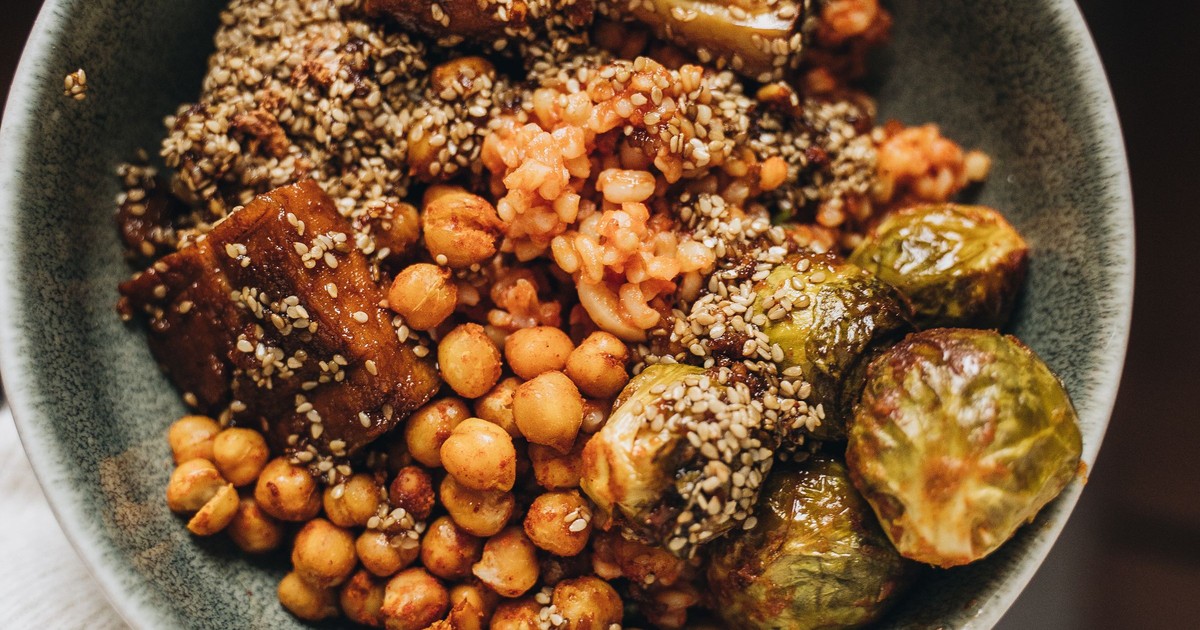
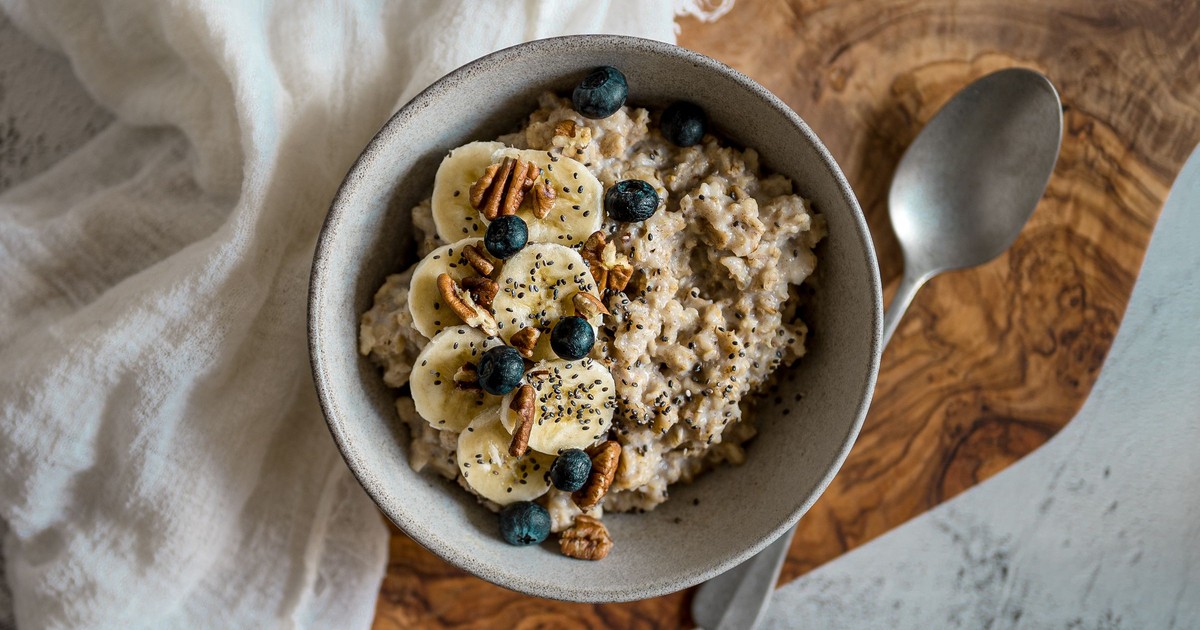
Mayo Clinic cites daily fiber amounts from the National Academy of Medicine. Women age 50 or younger are advised to get 25 grams a day. Women older than 50 are advised to get 21 grams. Men age 50 or younger are advised to get 38 grams. Men older than 50 are advised to get 30 grams. High-fiber foods include fruits, vegetables, beans and other legumes, whole grains, nuts, and seeds.
Add fiber to your diet slowly over a few weeks. Mayo says adding too much fiber too quickly can lead to gas, bloating, and cramping. That gives the bacteria in your gut time to adjust. Drink plenty of water, too. Fiber works best when it absorbs water. That helps make stool soft, bulky, and easier to pass.
Mayo says whole foods are generally a better source of fiber than supplements. Foods also provide vitamins, minerals, and a mix of fiber types. Check with a healthcare professional before starting a fiber supplement. Tell your doctor about lasting constipation first. Never stop or change a medicine based on diet changes alone.
Some conditions call for less fiber, at least for a time. Mayo says people may need to eat less fiber during a flare of inflammatory bowel disease. That includes Crohn’s disease and ulcerative colitis. The same may apply during a bout of diverticulitis. Once symptoms ease, fiber is often added back slowly, but only after talking with a clinician. High-fiber foods may also make gastroparesis worse. In that condition, the stomach empties slowly after eating. Do not raise your fiber intake on your own if you have one of these conditions.
Choosing a range of plant foods may support the kinds of metabolites described in the mouse study. Researchers have not yet shown how this plays out in everyday human diets. If constipation lasts more than three weeks, see a doctor before you change your fiber intake on your own. Do the same if you have bleeding, ongoing pain, or weight loss you cannot explain.
Disclaimer: The author is not a licensed medical professional. The information provided is for general informational and educational purposes only and is based on research from publicly available, reputable sources. It is not intended to constitute, and should not be relied upon as, medical advice, diagnosis, or treatment. Always consult a licensed physician or other qualified healthcare provider regarding any medical condition, symptoms, or medications. Do not disregard, avoid, or delay seeking professional medical advice or treatment because of information contained herein.
AI Disclaimer: This article was created with the assistance of AI tools and reviewed by a human editor.