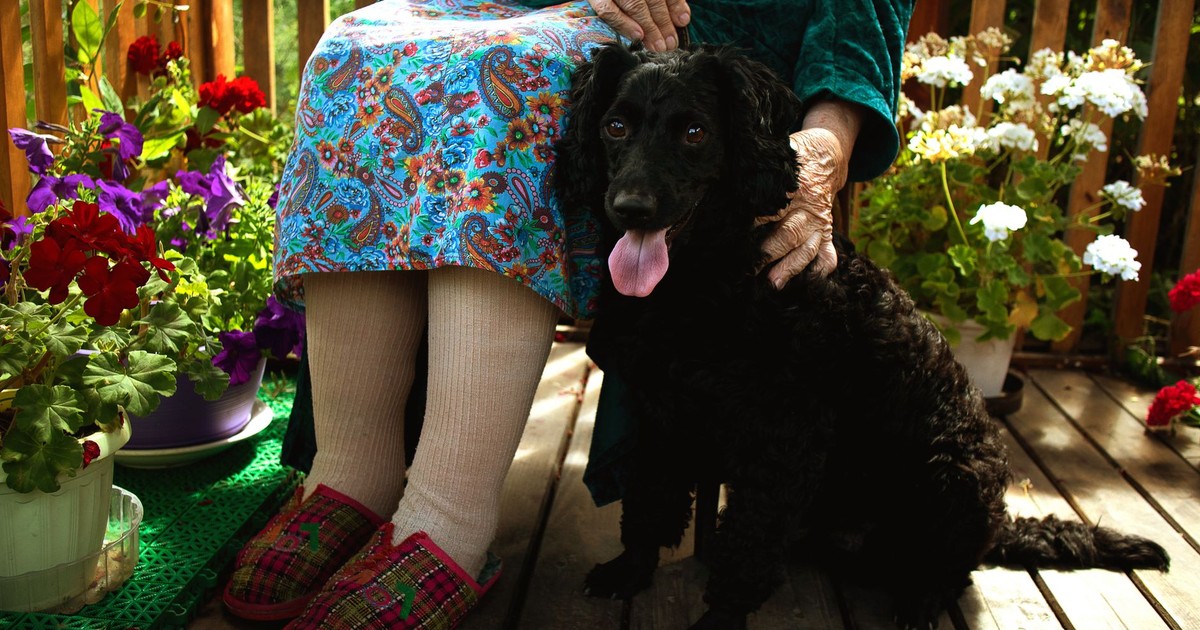

Flip-flops, mules, clogs, and backless slippers can raise the risk of a fall for people over 60. Many of us wear backless shoes at home without a second thought. The CDC says falls are the leading cause of fatal and nonfatal injuries among adults 65 and older. More than 1 in 4 people in that age group falls every year, but fewer than half of them tell their doctor.
Most falls happen inside the home, which is also the place where people tend to let their guard down. Two experts spoke to Parade for a story published on November 13, 2026. One is a geriatrician, a doctor who cares for older adults, and the other is a public health expert. They explained how one change in footwear may help lower your risk of a fall at home.
Why Falls Become More Likely After 60
Dr. Kenneth A. Knapp, PhD, is a public health expert, not a medical doctor. He is chair and associate professor in the Department of Public Health at New York Medical College. He specializes in family caregiving and long-term care, and he told Parade that older Americans are living longer and are healthier than ever. Still, balance, muscle strength, vision, and reaction time generally get worse as we age. As a result, aging is linked to a higher risk of falling.
Dr. Julia Loewenthal, MD, is a geriatrician and integrative primary care doctor at Lutanen Health. She is also an assistant professor of medicine at Harvard Medical School. She adds more detail on the changes that come with age. Changes in vision, weaker muscles, slower reflexes, and changes in feeling in the feet all play a role. These changes make it harder to stay balanced and harder to catch yourself when you start to fall.
Both experts note that some health conditions that raise the risk of falling are more common as we age. These include heart disease, Parkinson’s disease, and Alzheimer’s disease.
Read More: The Truth About Going Barefoot at Home: What Doctors Want You to Know
The Shoes Experts Want You to Stop Wearing at Home
Dr. Loewenthal named one mistake she sees older adults make at home. They wear shoes with no back, including flip-flops, mules, clogs, and backless slippers. “Footwear plays a bigger role in fall prevention than many people realize. Shoes without backs can increase fall risk because they don’t securely hold the foot in place,” she told Parade.
When someone walks in backless shoes, their toes may grip or curl to keep the shoe from slipping off. This “can change their normal walking pattern and potentially affect their balance,” Dr. Loewenthal explained. The National Institute on Aging (NIA) also lists unsafe footwear, such as backless shoes or high heels, as something that can raise your risk of falling.
Dr. Loewenthal’s fix is simple. Wear comfortable shoes that fit well and have a closed or secure back, a supportive structure, and nonslip rubber soles. “The most important thing is that the shoe stays securely on the foot without requiring someone to grip it with their toes to keep it in place,” she told Parade. If you have to grip a shoe with your toes to keep it on, it is not holding your foot in place.
Loose Rugs: A Hazard Underfoot
Dr. Knapp named loose rugs as the first thing he would deal with. “The first thing I’d recommend is to remove those loose rugs, especially near stairs,” he told Parade. He said securing them is not enough, because a slight curl at the edge can be enough to make you trip and fall. The CDC also lists throw rugs and clutter among home hazards that can lead to falls.
A 2013 study looked at emergency room data from 2001 to 2008. It estimated that 37,991 adults aged 65 and older were treated in U.S. emergency departments each year for falls linked to carpets and rugs. Most of those falls (72.8%) happened at home. The data is now more than 15 years old.
Bathroom Safety: Grab Bars and Nightlights
The bathroom is a common place for falls. In that same rug and carpet study, the bathroom was the most common room for fall injuries at home, at 35.7%. Some falls happened while people hurried to the bathroom. To help prevent falls there, Dr. Knapp says to think about grab bars near the toilet and the shower.
Night-time bathroom trips add another risk. “Frequent night trips to the bathroom, not uncommon among older men, have been associated with falls for two reasons: not being fully awake and poor lighting,” Dr. Knapp told Parade.
His advice is to use nightlights. He also suggests “taking a beat to focus one’s attention on being careful to and from the bathroom.” He said these steps “can help a lot.”
Strength Training, Vision Checks, and What Else Helps
Both experts stress regular strength training and balance exercises. Dr. Loewenthal explains that bone density naturally drops over time. That makes broken bones more likely, and we also tend to lose muscle mass and strength. Losing muscle can make it harder to protect ourselves during a fall, and she says regular strength training can help protect against this.
The NIA also suggests balance and strength training. It says yoga, Pilates, and tai chi can all improve balance and muscle strength. You can also lift weights or use resistance bands.
Dr. Loewenthal recommends getting your vision and hearing checked regularly. She also suggests telling a healthcare provider about any changes in your balance or the way you walk. The NIA adds that you should learn the side effects of any medicines you take. If a drug makes you sleepy or dizzy, tell your doctor or pharmacist.
“Falls are not simply an inevitable part of getting older,” Dr. Loewenthal told Parade. The CDC agrees that many fall risk factors can be changed.
Steps to Reduce Your Fall Risk at Home
Start with your shoes. If you wear flip-flops, mules, clogs, or backless slippers at home, think about replacing them. Look for shoes with a closed or secure back, a supportive structure, and nonslip rubber soles. The CDC lists poor footwear as one fall risk factor you can change.
Walk through your home and look at the floors. Remove loose rugs, especially near stairs, and add grab bars near the toilet and shower if you don’t have them. Place nightlights along the path from your bedroom to the bathroom.
On the medical side, ask your doctor or pharmacist about the side effects of your medicines. Book a vision and hearing check if you haven’t had one lately. If your balance or walking has changed, tell your doctor. The CDC says healthcare providers can help lower a person’s fall risk.
Disclaimer: The author is not a licensed medical professional. The information provided is for general informational and educational purposes only and is based on research from publicly available, reputable sources. It is not intended to constitute, and should not be relied upon as, medical advice, diagnosis, or treatment. Always consult a licensed physician or other qualified healthcare provider regarding any medical condition, symptoms, or medications. Do not disregard, avoid, or delay seeking professional medical advice or treatment because of information contained herein.
AI Disclaimer: This article was created with the assistance of AI tools and reviewed by a human editor.