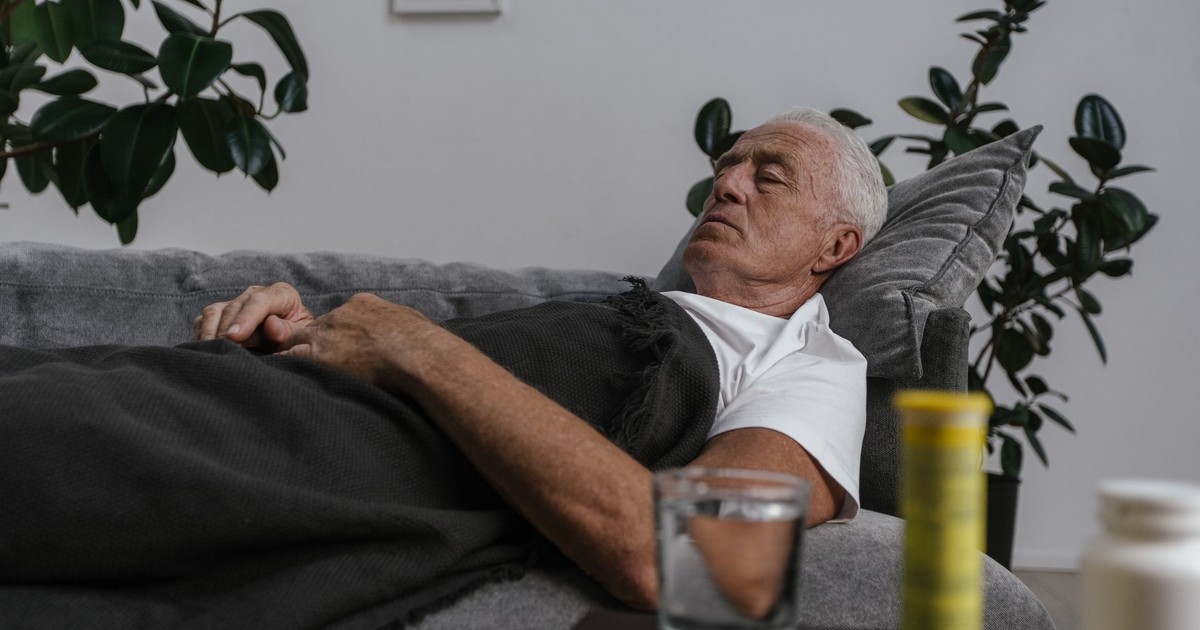
Older adults who nap longer or more often were linked to a higher risk of death. That finding comes from a 19-year study of 1,338 adults aged 56 and older. Each extra hour of daytime sleep per day was linked to a 13% higher risk of death. Each additional nap per day added a 7% higher risk. If a parent or older loved one is sleeping more during the day than before, mention that change to their doctor.
The link between napping and risk of death has come up in research before. Most earlier studies asked people to report their own napping. This study measured it directly, which is less common. The link between napping and death risk has come up in research before. How napping is measured can shape what that research finds. When people report their own sleep habits, they often miss details. Timing, length, and consistency can be hard to recall. Wrist-worn monitors do not.
The morning-versus-afternoon finding is particularly specific. Older adults who napped in the morning had a 30% higher risk of death. That was compared with those who napped in the early afternoon. It points to something more targeted than simply napping too much.
What the 19-Year Study Actually Found
Researchers from Mass General Brigham and Rush University Medical Center studied 1,338 adults. All were aged 56 or older. The team followed them for up to 19 years. They used data from the Rush Memory and Aging Project. That study started in 1997 and tracked memory and brain health in older adults in northern Illinois. Participants wore wrist activity monitors for 10 days. The monitors recorded movement and rest around the clock. This gave researchers an objective picture of when and how long each person napped.
By the end of the study period, 926 of the 1,338 people in the study had died. The average follow-up was 7.54 years. Researchers then looked back at napping data collected at the start of the study. They checked whether certain patterns predicted who died sooner.
The adjusted results were published in JAMA Network Open in April 2026 and covered by ScienceDaily on November 16, 2026. Each extra hour of daytime napping per day was tied to a 13% higher risk of death. The adjusted hazard ratio was 1.13. Each additional nap per day added 7% to that risk (adjusted hazard ratio 1.07). These figures were adjusted for age, sex, medical conditions, nighttime sleep, and other factors.
Read More: Your Brain Waves During Sleep May Signal Alzheimer’s Risk Years Early
The time of day a nap occurred also mattered. Researchers had not shown this before using device-measured data. Morning nappers had a 30% higher risk of death than those who napped in the early afternoon. Some people’s nap length changed a lot from day to day. Once researchers accounted for other factors, that difference did not predict a higher risk of death.
Why Morning Naps May Signal Something Different
An early-afternoon nap fits a well-established biological pattern. The human body has a natural dip in alertness in the early afternoon. The circadian system drives this. It is the body’s internal clock. It controls sleep, hormones, and other daily cycles.
A morning nap is different. The body should be at or near peak alertness in the morning. Sleeping at that time can mean nighttime sleep was not enough. It may have been broken up. Or it may not have left the person feeling rested. It may also point to early brain changes. Other conditions can also break up normal sleep and wake cycles. Chenlu Gao, PhD, led the study. She works in the Department of Anesthesiology at Mass General Brigham. Gao is also an affiliated research fellow in the Division of Sleep and Circadian Disorders.
The Mass General Brigham research team says too much napping likely signals an underlying disease. It may also signal chronic conditions, sleep problems, or disrupted body-clock patterns. They do not believe napping directly shortens life. In this context, a nap is more likely a sign of something already underway. It is less likely the cause of harm.
Napping and Mortality Risk: What Prior Research Showed
Daytime napping is common in older adults. Between 20% and 60% of older adults regularly nap, depending on the population studied. Earlier research had already linked too much napping to nerve cell loss in the brain. It had also linked it to heart disease and higher rates of illness. Earlier research on daytime napping in older adults largely depended on self-reported data. That approach misses the time of day naps occur. It also misses day-to-day changes and how regular the naps are.
The study used actigraphy, a waterproof wristwatch-sized activity monitor that records movement. It offers a clearer alternative to people describing their own naps. Actigraphy tracks rest and activity over time using a small wrist device. It takes guesswork out of self-reporting. It captured the timing and pattern of each nap across 10 consecutive days. This let researchers separate morning nappers from afternoon nappers. They could also look at how often someone napped apart from how long each nap lasted.
Most people in the study were white older adults from northern Illinois. That limits how broadly the findings apply. The results may not apply to all people equally.
This Is Evidence From Watching People, Not a Verdict on Naps
This study is observational. Certain napping patterns were linked to higher death rates in this group of older adults. The study cannot prove that napping caused any deaths. The researchers say long naps or morning naps are more likely a sign of health problems that are already there. Someone with early heart failure or early brain decline may start napping more as a symptom. It may not be a free choice.
This evidence does not show that a short early-afternoon nap is a warning sign. That is true for an otherwise healthy older adult. The study found links with longer naps, more frequent naps, and naps taken in the morning. If napping increases, that change is worth raising with a doctor.
Gao’s team says wearable activity trackers could become useful tools for screening. The research is still early, but that is a real clinical possibility.
Practical Steps for Those Watching a Parent’s Sleep
Napping at the same time each afternoon is not what this study flags as a concern, if the length and frequency do not change. Watch for naps that get longer. Watch for naps that happen more often. Watch for naps that shift into the morning hours.
If that kind of shift is happening along with other changes, bring it up at a visit with the doctor. Those other changes may include new fatigue, less activity, more broken sleep at night, or memory problems. These include heart issues, sleep disorders, or early changes in the brain.
A wearable device that logs rest and movement gives doctors more reliable data. It is more accurate than asking someone to recall their sleep. That is exactly the kind of data this study was built on.
Talking to Your Doctor About Napping
A nap is not a diagnosis. The researchers are clear on that, and so is the evidence. The same applies if naps keep getting longer. Asking about nighttime sleep is a good place to start. Poor or broken nighttime sleep can cause daytime drowsiness.
If you or someone you care for uses a wearable device, save the sleep and activity data. Bring it to medical appointments. That kind of objective record can help a clinician spot changes over time.
Short early-afternoon naps remain a reasonable habit for older adults. The 19-year data does not argue against that. What it does support is paying attention to shifts in when those naps happen, how often they happen, and how long they last. A clear change in napping is worth telling a doctor about.
Disclaimer: The author is not a licensed medical professional. The information provided is for general informational and educational purposes only and is based on research from publicly available, reputable sources. It is not intended to constitute, and should not be relied upon as, medical advice, diagnosis, or treatment. Always consult a licensed physician or other qualified healthcare provider regarding any medical condition, symptoms, or medications. Do not disregard, avoid, or delay seeking professional medical advice or treatment because of information contained herein.
AI Disclaimer: This article was created with the assistance of AI tools and reviewed by a human editor.