
Twelve health checkups and tests can catch serious problems before you feel a thing. When you get each one depends on your age, sex, family history, and personal health history. Timing is not a single universal calendar. WebMD’s guide to checkups and tests outlines which tests matter and when each one generally applies.
Blood pressure screening starts at 18. Colorectal cancer screening starts at 45. Bone density testing waits until 65 or 70 for most people. Getting the timing right means you will not miss something important. It also means you will not worry before you need to. These are health checkups based on age and risk. The right timing for each one depends on your situation.
None of these screenings (blood pressure, colorectal cancer, or bone density) is a diagnosis. A result outside the normal range is a starting point for a conversation with your doctor, not a verdict.
Routine Physical Exam
Your doctor will listen to your heart and lungs and check your vital signs. They will also ask about your health and lifestyle. How often you need a full physical depends on your age and overall health. Some people go every year. Your doctor can tell you what schedule makes sense for you.
Height, Weight, and BMI
Every checkup will include height and weight. Your doctor uses those numbers to calculate your BMI (body mass index). Your BMI is based on a formula of height and weight. BMI screening checks if your weight puts you at higher risk. That includes risk for heart disease, type 2 diabetes, and some cancers. If your BMI is outside the healthy range, your doctor can suggest steps to address it.
Blood Pressure: Starting at 18
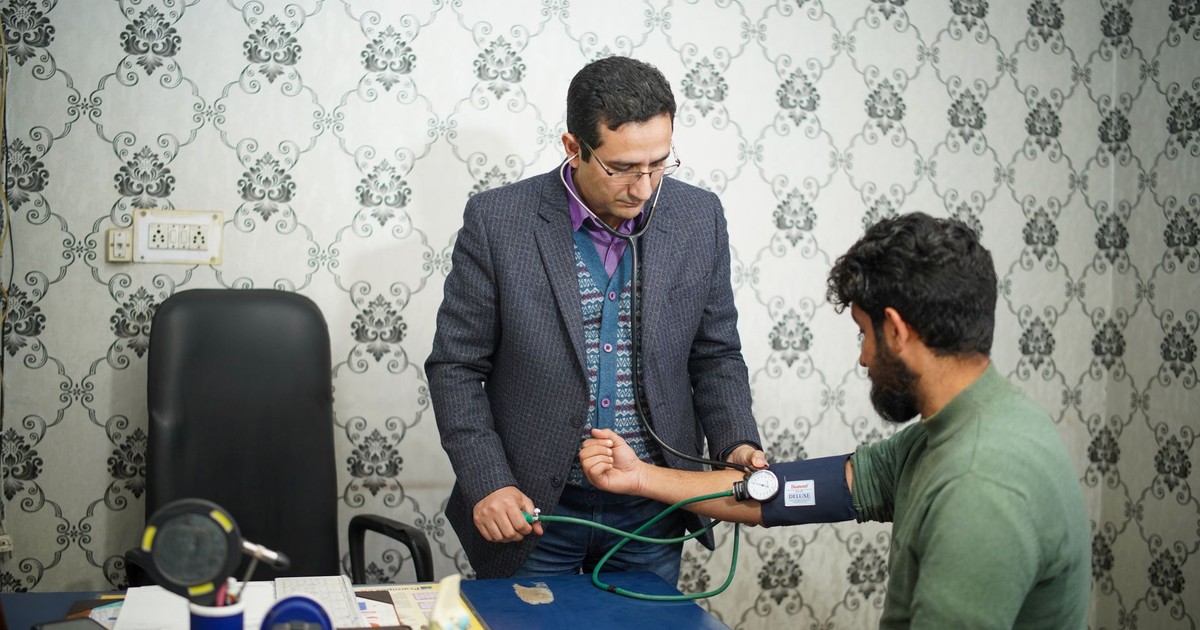
Normal blood pressure is below 120 over 80 mmHg. Doctors define high blood pressure, or hypertension, as a reading of 130 over 80 or higher. According to the Mayo Clinic, untreated high blood pressure raises the risk of heart attack and stroke.
Adults should have their blood pressure checked at least every two years starting at age 18. If your numbers are elevated, your doctor may want to check more often.
Cholesterol
Adults should have their cholesterol checked every four to six years starting at age 20, according to Cleveland Clinic. Cholesterol is a type of fat in your blood. High levels can build up in artery walls and raise the risk of heart disease and stroke. Your doctor may suggest more frequent testing if you’re older or have diabetes. Your doctor may also suggest earlier testing if heart disease runs in your family. A past history of high cholesterol is another reason to test sooner.
Read More: A Simple Blood Test May Help With The Early Detection of 14 Cancers
Colorectal Cancer Screening: Starting at 45
The U.S. Preventive Services Task Force (USPSTF) recommends offering colorectal cancer screening starting at age 45 for average-risk adults. These tests look for blood in the stool or for tissue growths called polyps in the colon or rectum. There is more than one way to screen for this condition. The best choice depends on your preferences and your doctor’s advice.
A fecal immunochemical test, or FIT, checks a stool sample for hidden blood. Doctors recommend doing it every year. A flexible sigmoidoscopy lets a doctor look at the lower part of the colon. Doctors recommend it every five years. A full colonoscopy allows a doctor to look at the entire colon. It is recommended every 10 years for average-risk adults. Some digestive health doctors recommend shorter follow-up times after a colonoscopy. This depends on what is found during the exam.
Some groups suggest African American adults ask their doctor about colorectal cancer screening before age 45. This group faces a higher rate of colorectal cancer at younger ages. Talk to your doctor about the right start time for you.
Blood Sugar Testing: Starting at 45
The USPSTF recommends blood sugar screening for adults aged 35 to 70 who have overweight or obesity. This checks for prediabetes and type 2 diabetes. WebMD’s guide suggests that routine testing is worth discussing with your doctor once you reach age 45. The test measures glucose (sugar) levels in your blood. Your doctor may suggest starting sooner if you are overweight. High blood pressure or high cholesterol are also reasons to start early. So is a history of gestational diabetes during pregnancy.
Catching prediabetes early gives you real options. Lifestyle changes in diet and physical activity can slow or prevent the move to type 2 diabetes in many people.
Skin Check
Checking your own skin once a month for changes in moles, freckles, or other marks is a simple habit worth keeping. When skin cancers are found early and treated, they are almost always curable, according to WebMD. If you or a close family member has had skin cancer, ask your doctor about regular professional skin exams.
Bone Density Testing: 65 for Women, 70 for Men
As people age, bones naturally lose density. When bone loss becomes severe, it is called osteoporosis. This condition makes bones fragile and easy to break.
The USPSTF recommends bone density screening for women 65 or older. For men, the Bone Health and Osteoporosis Foundation recommends testing starting at age 70. Both women and men may need testing earlier in some cases. These include breaking a bone after a minor injury. Long-term steroid use is also a risk factor. So is rheumatoid arthritis, where the immune system attacks the joints. Weighing less than 127 pounds is another risk factor. If bone density is low, treatment options exist and your doctor can explain them.
Mammogram: Starting at 40
The USPSTF recommends breast cancer screening starting at age 40, with mammograms every other year. This guidance was updated in 2024. Some doctors advise annual mammograms. Others say every two years is enough. The right frequency depends on your personal and family history. Talk to your doctor at age 40 about what schedule fits your situation.
Cervical Cancer Screening: Starting at 21
The USPSTF recommends cervical cancer screening every three years for women aged 21 to 29. A Pap test is used for this screening. Women aged 30 to 65 have a few options. They can get an HPV test every five years. They can get a Pap test every three years. Or they can get a combined HPV and Pap test every five years.
A Pap test checks for cell changes in the cervix that could develop into cancer. An HPV test looks for the virus that causes most cases of cervical cancer. Talk to your doctor starting around age 21 about which approach is right for you.
Prostate Exam: A Shared Decision Starting Around 50
Prostate screening is a decision men make together with their doctor. For men aged 55 to 69, the USPSTF says the decision to have periodic PSA-based screening should be a personal one. It should be made after talking with a doctor about the possible benefits and risks.
The PSA (prostate-specific antigen) test is a blood test. A digital rectal exam is sometimes used alongside it. Most men should talk to their doctor about prostate screening around age 50. This is based on guidance from WebMD. If you are a man approaching that age, bring this up with your doctor. It is a conversation to have together, not a test to skip or request without talking it through first.
Dental Checkup
Dental visits cover more than cavities. Regular cleanings let a dentist check for gum disease and other mouth problems. These problems can affect your overall health. Most adults do well with one or two visits per year. The right schedule depends on your oral health history. Your dentist can tell you what interval makes sense.
What This Means for You
Not every test on this list applies to you right now. Some are based on age thresholds you have not yet reached. Others depend on factors like family history or weight that your doctor needs to assess with you. Knowing what is on the horizon helps you ask the right questions at your next appointment.
A few key age markers are worth keeping in mind. Cholesterol screening starts at 20. Blood sugar and colorectal cancer screening both start at 45. Bone density screening starts at 65 for women. Mammogram screening starts at 40.
If you are unsure whether you are current on any of these, your primary care doctor is the right person to ask. They can review your records, factor in your risk profile, and build a schedule that fits you.
Disclaimer: The author is not a licensed medical professional. The information provided is for general informational and educational purposes only and is based on research from publicly available, reputable sources. It is not intended to constitute, and should not be relied upon as, medical advice, diagnosis, or treatment. Always consult a licensed physician or other qualified healthcare provider regarding any medical condition, symptoms, or medications. Do not disregard, avoid, or delay seeking professional medical advice or treatment because of information contained herein.
AI Disclaimer: This article was created with the assistance of AI tools and reviewed by a human editor.