
Passenger complaints have risen every year since 2021, according to U.S. PIRG. The numbers from the PIRG Education Fund’s Plane Truth 2025 report show this is not a one-year blip. Delays cause frustration. Frustration leads to conflict. The check-in desk and gate counter are often where that conflict hits first.
Unruly behavior is held to a higher bar than a formal complaint. It means more than a letter of complaint to the airline. It includes hitting, verbal threats, or trying to stop crew from doing their job. The rate of unruly passenger incidents has dropped more than 80% since the record highs of early 2021. Even so, the FAA recorded 2,102 such incidents in 2024. The volume remains well above anything seen before the pandemic.
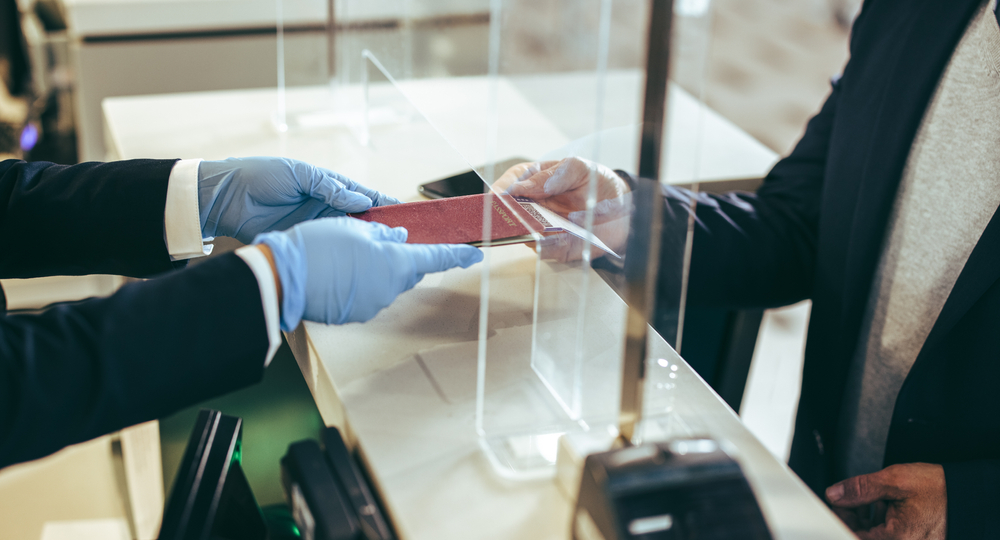
The airport check-in counter is on the front line of these clashes. Gate agents and check-in staff handle overbookings, seat assignments, delays, and cancellations. Those are the most common triggers for confrontation. These workers do not set airline policy. They absorb the anger it generates.
What the FAA Actually Does About It.
The FAA can take legal action against any passenger who assaults, threatens, or gets in the way of airline crew. It can also send the most serious cases to the FBI. Criminal charges, including felonies, may follow.
Read More: United Passenger Sparks Outrage by Refusing to Share Armrest With Plus-Sized Passenger
The FAA’s stricter rules led to 512 investigations being opened in 2024. The FAA has referred more than 310 of the most serious cases to the FBI since late 2021. That program aims to make sure unruly passengers face criminal charges when the evidence is strong enough.
The penalties are not theoretical. Acting out on a plane can jeopardize a passenger’s eligibility for programs such as TSA PreCheck. The FAA has said clearly: “Unruly travelers face stiff fines from the FAA and possible criminal prosecution too.”
The “Do You Know Who I Am?” Fantasy and What It Reflects.
The gate-agent anecdote works because it gives the powerless worker the perfect weapon: calm wit. In reality, airline staff are trained to calm things down. They are not trained to trade insults with a hostile passenger. The folk tale hands the agent a victory that rarely comes in real airports, which is precisely why people keep sharing it.
Snopes traces multiple versions of the broader legend family. One set involves a bigoted passenger. That person demands to be moved away from someone of a different race or religion. The seat upgrade ends up going to the person the passenger objected to. This story has been retold with different airlines, different countries, and different prejudices across many versions of the legend. The details shift with each retelling. The punchline stays the same. Snopes treats all versions in this family as likely apocryphal legends.
The “Do you know who I am?” version is older still. Snopes links the comeback line to a 1978 book credited to Train. That book placed the story at the Athenaeum in London, long before airlines became the setting. We keep resetting the story in whichever public space feels most charged at the time.
Why These Stories Travel So Far.
Viral stories about airline passenger disputes almost always follow the same pattern. There is an arrogant passenger and a staff member with no formal power. In the end, the entitled person ends up looking small. These stories spread more when real air travel gets more frustrating. Complaints against U.S. airlines increased nearly 9% in 2024, even though passenger volume increased by only 4%. When systems fail and people are stressed, the fantasy of instant, witty justice spreads faster.
Viral sites often repackage old stories as if they just happened. There is no named agent, no named airline, no named passenger, no date, and no airport code. The story reads like breaking news. This story has been recycled for decades.
The DOT has released some 2025 complaint data, covering August through December 2025. It shows complaints fell compared with the same period in 2024. Delays, cancellations, and long check-in lines still happen. These problems cause passenger frustration, and they have not gone away.
What Are The Facts
A gate-agent comeback story has circulated online for decades and was rated a legend by Snopes, the long-running fact-checking site. The story is not a verified news event. It is a recycled urban legend of unknown origin. That label does not make the frustration behind it any less real. Complaints against U.S. airlines hit a record 66,675 in 2024, up nearly 9% from 2023, even though passenger volume grew by only 4%.
Snopes traced the family of “obnoxious passenger” stories back to at least 1998. In the version most people know, a delayed or canceled flight leaves a long line at the gate. A man pushes to the front and demands a first-class seat. He shouts at the agent: “Do you have any idea who I am?” She grabs the public address microphone and announces that there is a passenger at Gate 17 WHO DOES NOT KNOW WHO HE IS. When he swears at her, she replies: “I’m sorry, sir, but you’ll have to stand in line for that too.” The details shift with every retelling. The airline changes. The airport changes. No named agent, no documented date, no verifiable record exists. Snopes treats the entire family of tales as likely apocryphal legends.
Snopes also found an older version of the same comeback, set at the Athenaeum in London. In that version, a waiter uses the line on an imperious member. The airport setting came later. So the legend moved there.
The FAA recorded 2,102 unruly passenger incidents in 2024, a slight increase from 2023. We want the perfect comeback to be true because real airline passenger disputes rarely end that cleanly.
What to Do If You’re Caught in a Real Dispute.
Gate agents deal with problems they did not cause. Weather, broken planes, and crew mix-ups all create chaos. Then passengers take that anger out on the agent in person. The most effective thing a frustrated traveler can do is stay specific and stay calm. Ask what options exist right now, not what should have happened. Ask to be placed on a standby list. Inquire about compensation for a lengthy delay. Ask to speak with a supervisor if a policy cannot be explained to you.
If a dispute escalates past what staff can resolve, the U.S. Department of Transportation accepts complaints directly. Air travelers can file complaints with the Transportation Department. These can cover canceled flights, lost bags, and refunds that have not come through. Filing a formal complaint creates a record. The DOT uses these records to track how airlines perform. In serious cases, it uses them to enforce passenger rights.
The gate agent in the viral story almost certainly never said those six words. The frustration that makes people want to believe she did is entirely real, and the complaint data backs it up.
Disclaimer: The author is not a licensed medical professional. The information provided is for general informational and educational purposes only and is based on research from publicly available, reputable sources. It is not intended to constitute, and should not be relied upon as, medical advice, diagnosis, or treatment. Always consult a licensed physician or other qualified healthcare provider regarding any medical condition, symptoms, or medications. Do not disregard, avoid, or delay seeking professional medical advice or treatment because of information contained herein.
AI Disclaimer: This article was created with the assistance of AI tools and reviewed by a human editor.