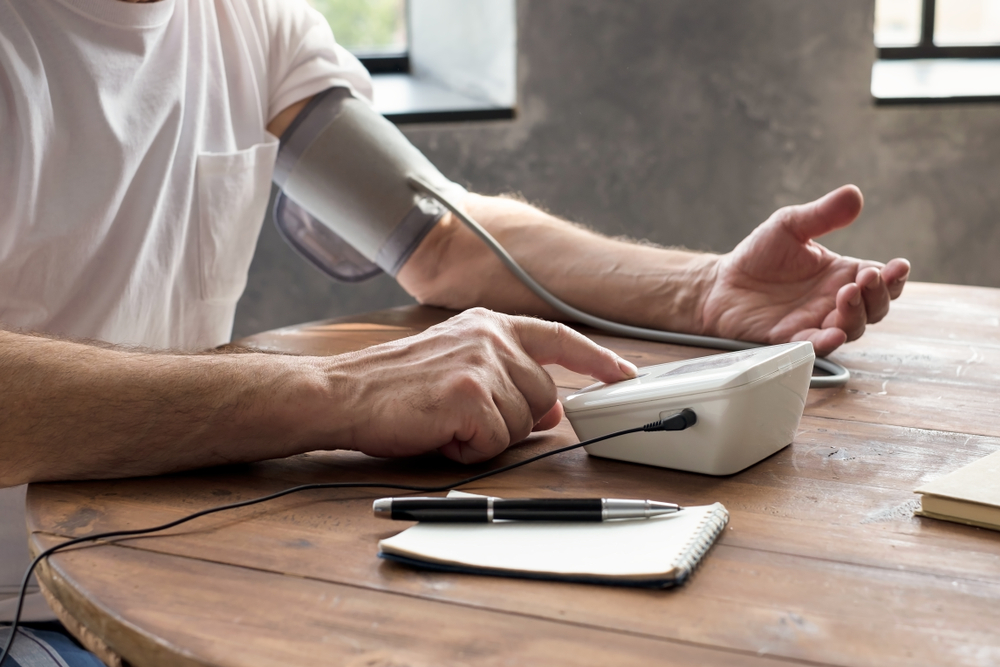

Surveys show that aging and happiness often follow a U-shaped curve. About 1 in 3 people in their 60s describe themselves as “very happy,” slightly more than those under 35. The decade also brings real challenges, including shifts in health that are worth knowing about in advance. A WebMD health slideshow by Danny Bonvissuto was reviewed by Zilpah Sheikh, MD, in June 2025. It covers 13 health changes adults in their 60s should watch for. These include rising cancer risk and shifts in sleep, hearing, and immunity.
1. Cancer Risk Rises
If you ever receive a cancer diagnosis, you are most likely to get the news in your 60s. Half of all breast cancers are diagnosed at age 61 or older. For colorectal cancer, the median age of diagnosis is 68.
Older age is the single biggest factor that raises your odds across almost all cancer types. Talk to your doctor about how often you should have a mammogram, colonoscopy, or prostate test. That is the goal of screening.
2. Hearing Loss Becomes Common
Four out of 10 Americans in their 60s have trouble hearing. That makes it one of the most widespread changes of this decade. Hair cells deep inside the inner ear naturally die off as you get older. Once they’re gone, they don’t grow back. Infections, some medicines, and heart and blood vessel problems can also speed up this process.
Most people don’t act on hearing loss quickly. According to the WebMD slideshow, 80% of people who could benefit from hearing aids don’t wear them. Among those who do eventually get them, most wait more than 10 years on average before they get help. If voices sound muffled or you often ask people to repeat themselves, bring it up at your next doctor visit.
3. Metabolism Slows, But Diet and Activity Matter More
Your metabolism, the rate at which your body burns calories, does tend to slow as you age. A poor diet and not moving enough are likely bigger causes of weight gain in your 60s than a slow metabolism. Weight gain in this decade is not inevitable, as lifestyle factors such as diet and activity level play an important role alongside the body’s natural calorie-burning rate.
Regular activity helps you build and keep muscle. Stay active, work on maintaining muscle, and be mindful of your food choices.
4. Skin Gets Thinner and Drier
The two outermost layers of your skin both thin and flatten out during your 60s. These are the epidermis (the surface layer) and the dermis (the layer just beneath it). The result is skin that feels drier and itchier than before, sometimes with a crepe-paper texture. Wrinkles, age spots, creases, and bruises all become more visible.
Your sweat glands also become less active with age. Cuts and scrapes on the skin tend to take longer to heal than they used to.
Read More: What’s Considered High Blood Pressure Changes With Age. Here’s What’s Normal For Each Age Group
5. The Heart Needs More Attention
The mid-60s and beyond are a high-risk period for heart attack, stroke, and heart failure. Heart disease is the leading cause of death for Americans. The heart and blood vessels build up wear over decades. That damage cannot be fully undone.
Over the years, fatty deposits build up inside artery walls. This narrows the space blood has to flow, similar to a drain that slowly clogs. Large arteries also stiffen with age. This is called arteriosclerosis, or hardening of the arteries. Both changes push blood pressure higher. Blood pressure can reach a dangerous level with no signs you would notice. High blood pressure, also called hypertension, can lead to stroke and vision loss if not treated. It can cause other serious harm as well.
Protective habits still make a real difference at this age. Avoid smoking and cut back on salt, sugar, and saturated fats from meat and dairy. Try to get around 30 minutes of moderate movement most days. Walking, swimming, and yoga all count.
6. Memory and Mental Speed Shift
Many people in their 60s notice their thinking feels a little slower than it used to. Recalling a name or working through a problem may take more effort than it used to. This mental slowing, noticed by many people in their 60s, is a normal part of aging. It tends to happen slowly over time.
On the plus side, your vocabulary, general knowledge, and long-term memory tend to stay strong. The changes are mostly about processing speed, not total mental capacity.
7. Vision Changes Are a Real Risk in Your 60s
By age 65, roughly 1 in 3 people have some form of vision-reducing eye disease, according to the WebMD slideshow. The list includes cataracts, which cloud the eye’s lens. It also includes dry eye and glaucoma, a group of eye conditions that harm the optic nerve.
Age-related macular degeneration is among the most serious threats. It damages the central part of your vision, the part you use to read fine print or see clearly while driving. Most eye diseases don’t cause pain in their early stages. That is why annual eye exams matter even when your vision seems fine. Many conditions caught early can be treated before they cause permanent damage.
8. Bones and Joints Feel the Years
Muscle weakness and joint stiffness become more noticeable in your 60s. Joints may ache, snap, or pop with movements that used to feel effortless. Bone density also declines, raising the risk of fractures from falls or minor injuries.
Women should ask their doctor about a bone density scan at age 65. This test screens for osteoporosis. That is a condition where bones become weak and break more easily. Men should also talk with their doctor about bone density screening to decide whether it makes sense for them. Your doctor can tell you if calcium and vitamin D supplements might help keep your bones strong. The right choice depends on your own health.
9. Sleep Quality Declines
Adults in their 60s still need 7 to 9 hours of sleep each night. What changes is how easy it is to get that sleep. The body slowly makes less melatonin as you age. This hormone helps control when you feel sleepy and when you wake up. With less melatonin in the body, it gets harder to fall asleep. Staying in deep, restful sleep also becomes more difficult.
Daytime naps can make things worse by disrupting your overnight rhythm. If sleep difficulties are affecting your daily life, talk to your doctor rather than trying to treat the problem yourself.
10. Blood Pressure Often Climbs
Fatty buildup narrows the arteries. Stiffening of the larger arteries also occurs with age. Both of these changes push blood pressure higher as you get older.
High blood pressure is particularly concerning because it usually has no obvious symptoms. You can feel completely well while your blood pressure quietly damages blood vessels, the heart, and the kidneys.
11. Bladder Control Can Weaken
Bladder tissue loses flexibility with age. That means it holds less urine than it used to. The practical result is waking up more often during the night to use the bathroom. Urinary incontinence also gets more common with age. This means leaking urine when you cough, sneeze, or laugh. It can also mean a sudden, strong urge to use the bathroom.
Bladder control problems are genuinely common and are worth raising with your doctor. If bladder issues are disrupting your sleep or daily routine, bring it up at your next appointment.
12. The Immune System Weakens
By around your 60th birthday, your body has largely stopped producing new T cells. These are the immune cells that find and destroy bacteria, viruses, and other threats. That means infections are easier to catch. When you do get sick, recovery tends to take longer than it did in earlier decades.
Vaccines won’t pack the same protective punch as before. After age 65, a higher-dose flu vaccine is available and typically recommended. Also get vaccinated for shingles and pneumococcal disease. Both are more likely to occur once you are over 60.
13. Oral Health Becomes More Vulnerable
Three out of 10 people over age 65 experience dry mouth. The most common cause is medication. Many drugs used for blood pressure, anxiety, and other conditions can cause dry mouth as a side effect. Diabetes and other health conditions can also contribute. Dry mouth removes the saliva that helps protect teeth from decay, making dental problems more likely.
The risk of oral cancer also rises sharply in your 60s. Your odds in this decade are nearly four times higher than for someone 20 years younger. Regular dental visits are the best way to catch tooth problems early. They can also help find early signs of oral cancer before things get serious.
Staying Ahead of These Changes
Many of the changes above respond well to simple habits. Staying active helps. So does keeping up with screenings, vaccines, and dental care. These steps can make a real difference in your health.
Seeing your doctor for check-ins in your 60s, rather than waiting for symptoms, gives you the best chance of catching problems early. Talk to your doctor about which cancer screenings are right for your age and history. Ask whether a bone density scan makes sense for you. Find out what your blood pressure and cardiovascular numbers look like. The WebMD slideshow by Danny Bonvissuto, reviewed by Zilpah Sheikh, MD, does not replace a talk with your own doctor. But it is a good place to start. It can help you think of questions to ask.
Disclaimer: The author is not a licensed medical professional. The information provided is for general informational and educational purposes only and is based on research from publicly available, reputable sources. It is not intended to constitute, and should not be relied upon as, medical advice, diagnosis, or treatment. Always consult a licensed physician or other qualified healthcare provider regarding any medical condition, symptoms, or medications. Do not disregard, avoid, or delay seeking professional medical advice or treatment because of information contained herein.
AI Disclaimer: This article was created with the assistance of AI tools and reviewed by a human editor.