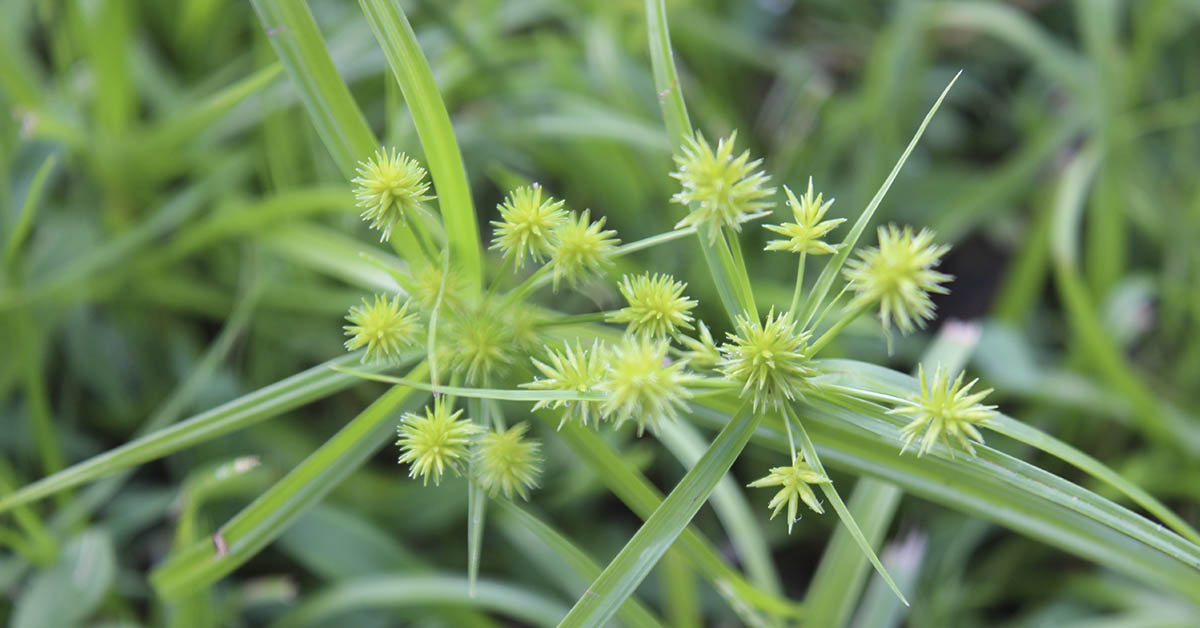

Sticker burrs have a way of turning a sunny day in the yard into a painful adventure. They are those tiny, spiny seed pods that stick to your socks, poke at your skin, and cling to your pet’s fur with stubborn determination. Most people know them as the annoying hitchhikers of the plant world, but there is more to them than meets the eye. These prickly seeds come from specific weeds that thrive in certain conditions, and once they take hold, they can be surprisingly hard to remove. Understanding how they grow, spread, and impact your space can help you fight back before they turn into a seasonal nightmare. With the right mix of prevention and control, you can keep your lawn and garden comfortable and safe.
What Sticker Burrs Actually Are
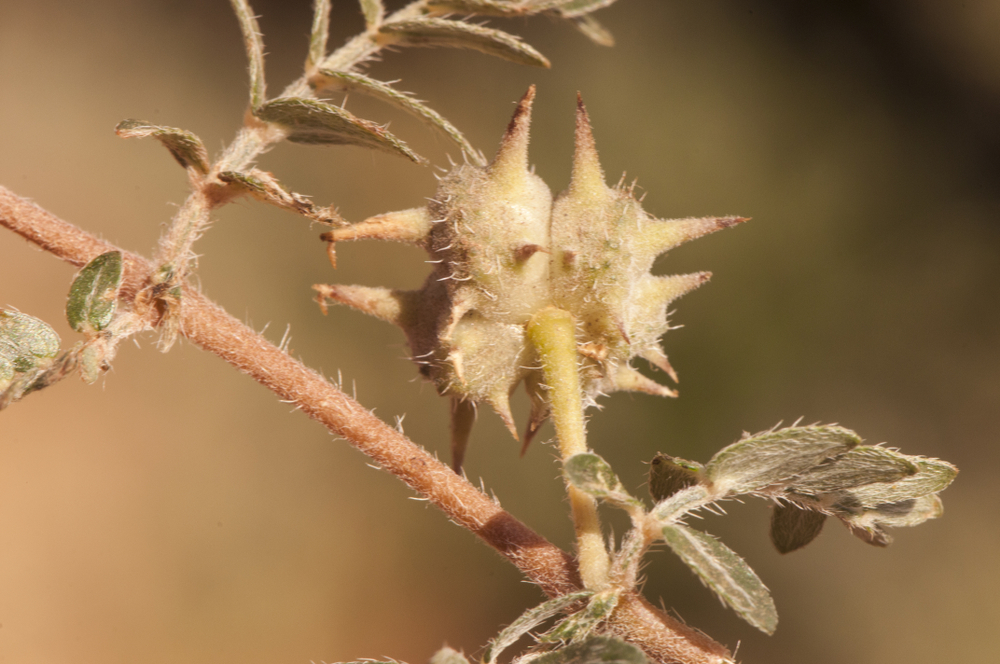
Sticker burrs are the hardened seed pods produced by certain types of weeds, such as sandburs, puncturevine, and burweed. Each burr is covered in tiny spines or hooks designed to attach to anything passing by. This is how the plant spreads its seeds over large areas without relying on wind or water. Once attached, they are transported to new locations on shoes, clothing, pets, or even vehicle tires. Many species that produce these burrs are well adapted to survive in poor soil and dry, sunny conditions. Some burrs, like those from goat head plants, are strong enough to puncture thin bicycle tires. What seems like a small patch of weeds can quickly grow into a stubborn infestation if left unchecked.
Why They Are So Frustrating to Deal With
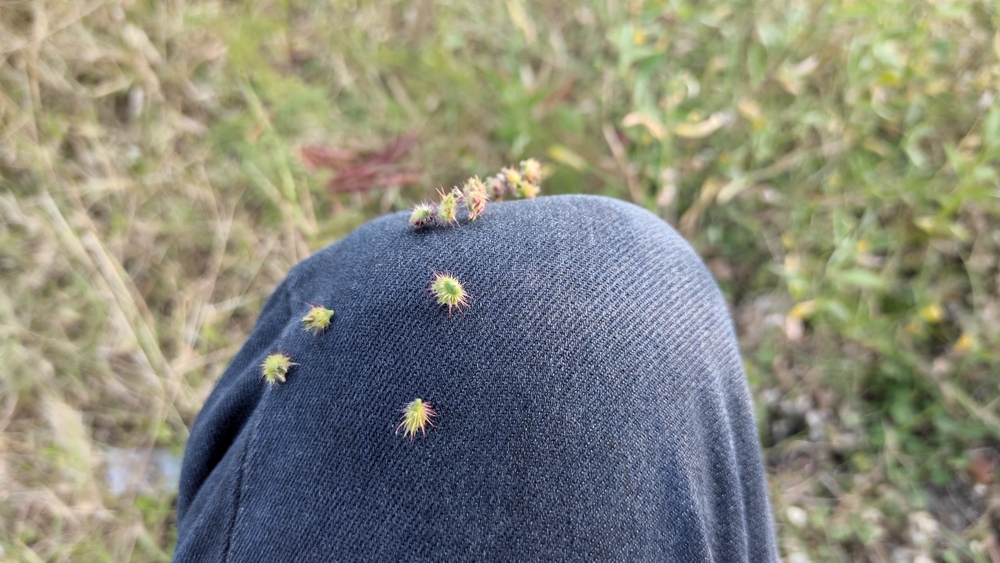
One of the biggest reasons sticker burrs cause so much frustration is how effectively they cling to surfaces. Once they’re in a pet’s fur, removing them can be a slow and uncomfortable process. Barefoot in the yard? You will feel their sharp points immediately. They are also notorious for slipping into laundry, scratching floors, and damaging vacuum cleaners. Beyond the annoyance, sticker burr infestations can choke out grass and make outdoor spaces less enjoyable. Even worse, their seeds can survive in the soil for several years, meaning that a one-time clean-up is rarely enough to solve the problem. Without consistent management, they will keep coming back season after season.
How to Spot Them Before They Spread
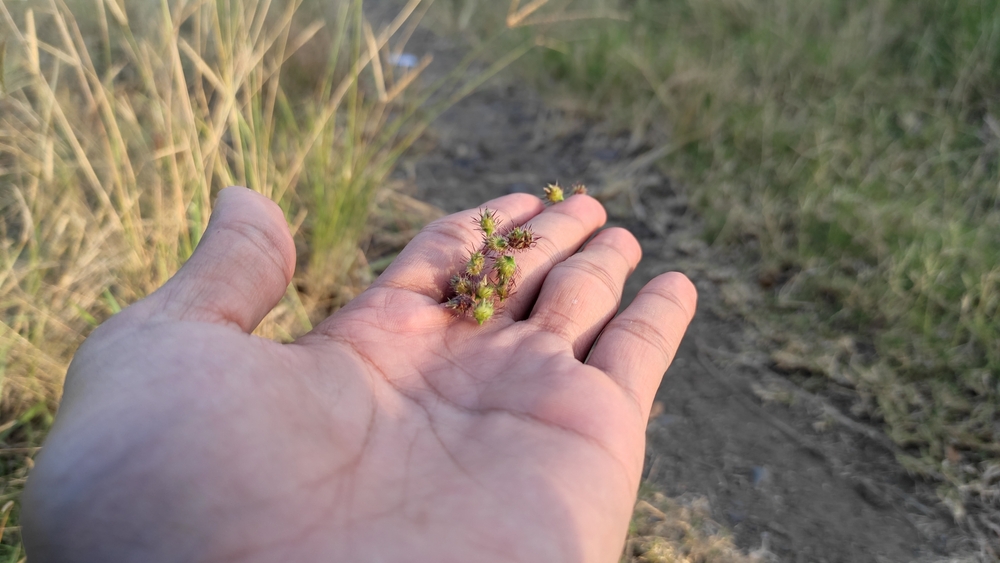
Early detection is your best defense against sticker burrs. The plants often stay low to the ground and can blend into the grass, especially in early growth stages. Look for thin stems with small, sometimes yellowish flowers that will eventually produce the spiny seed pods. These pods form at the base of the plant and start green before hardening into their dry, sharp form. You will usually find them in dry patches of your yard, along sidewalks, or in areas with thin grass cover. Pets may avoid certain spots or limp slightly after walking through infested areas, which is another clue they are present. Acting early means you can pull the plants before they produce mature seeds.
Proven Ways to Control Sticker Burrs
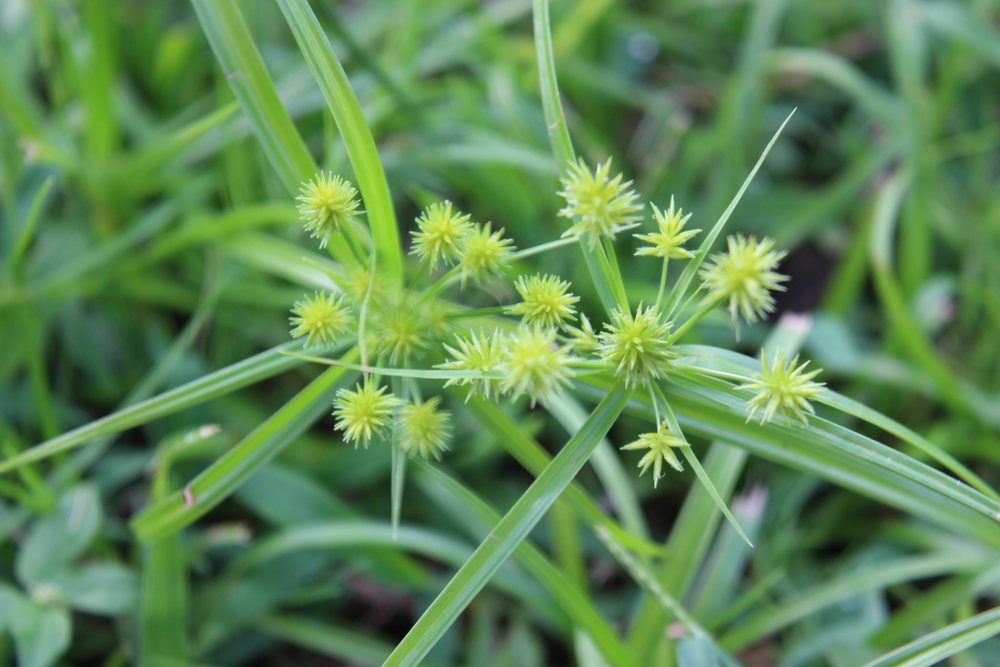
Once sticker burrs take root, it is a matter of persistence to remove them. Pulling them by hand works best when the plants are young and before they have formed their burrs. Dense, healthy grass is also a natural defense, as it leaves little room for weeds to grow. Some homeowners choose to use pre-emergent herbicides in early spring to stop seeds from sprouting. Others prefer physical tools designed to pick up burrs from lawns and driveways without chemicals. After removal, always dispose of the plants and burrs in sealed bags, never in compost, as they can still germinate. Regular mowing, proper fertilization, and overseeding can all help keep your lawn strong enough to resist reinfestation.
Seasonal Strategy for Year-Round Control

Sticker burrs behave differently through the seasons, and your approach should match their life cycle. In early spring, seeds begin to germinate, making it the ideal time to apply pre-emergent products or pull seedlings before they grow deep roots. During summer, the plants start to flower and set seed, so cutting them down before this stage is crucial. In fall, seeds drop to the ground, so any remaining plants should be removed before they add to the seed bank. Winter may seem quiet, but the seeds remain dormant in the soil, ready to sprout when conditions improve. Staying ahead each season stops the cycle from repeating. A calendar of seasonal lawn care can make a huge difference in long-term control.
Pet Safety and Comfort Around Sticker Burrs
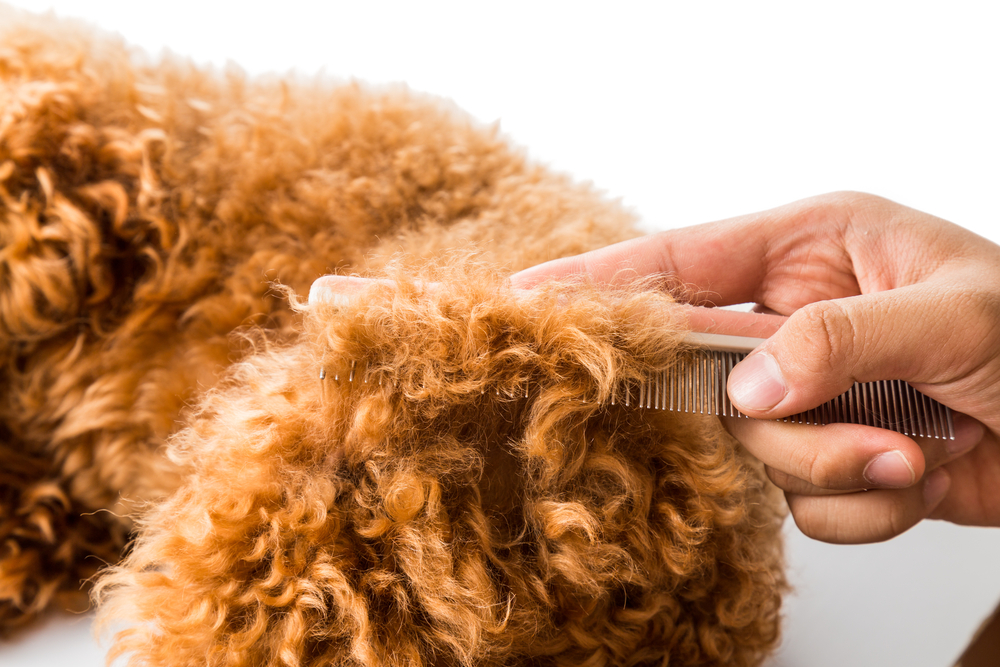
For pet owners, sticker burrs can be more than a nuisance – they can be a health risk. Burrs can tangle in fur, embed in paw pads, and even cause infections if not removed promptly. Long-haired breeds are especially prone to picking them up during walks or playtime. To protect your pets, check their paws and coats after spending time outside, especially in areas with dry grass. Keeping fur trimmed short around the feet and legs can make it harder for burrs to latch on. If you notice your pet chewing at its paws or limping, it is worth checking for hidden burrs. Preventing access to infested areas during peak burr season can save your pet a lot of discomfort.
Soil Health: The Secret Weapon Against Burrs

Sticker burrs thrive in poor, compacted soil, so improving your lawn’s soil health is one of the most effective ways to prevent them. Aerating the soil allows water, oxygen, and nutrients to reach grass roots more effectively. Adding organic matter, such as compost, can improve soil texture and promote healthy microbial activity. Planting thick ground cover in problem areas can block weeds from taking hold. For lawns, using the right type of grass for your climate ensures the turf stays dense and competitive against weeds. Healthy soil is a long-term investment that not only fights burrs but also improves the entire look and feel of your outdoor space. Over time, this approach reduces the need for heavy herbicide use.
The Bigger Picture: Environmental Impact of Sticker Burrs
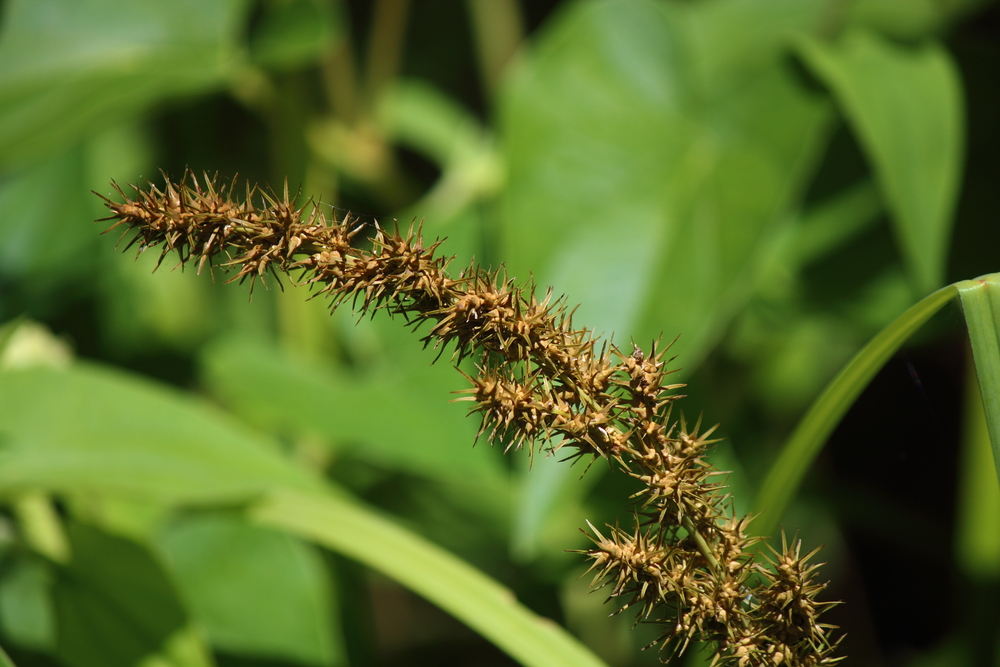
While most people focus on the personal inconvenience sticker burrs cause, they also have a broader environmental effect. Their ability to outcompete native plants can reduce biodiversity in certain areas. Dense infestations can alter the balance of plant life, making it harder for beneficial species to survive. In some regions, they can even affect the habitats of small animals that rely on native plants for food or shelter. Because they spread so easily through human and animal activity, they can invade new ecosystems far from their original range. This makes them a concern for land managers and farmers, not just homeowners. Addressing sticker burr problems early helps limit their spread to other areas.
Winning the Backyard Battle

Sticker burrs are small, but their presence can turn a peaceful yard into a patch of frustration. They hurt bare feet, stick to pets, and hide in places you least expect. Taking time to understand their growth cycle and acting before they spread makes a huge difference. Consistent lawn care, healthy soil, and seasonal vigilance are your strongest weapons. Every burr you remove is one less that can take root and spread. With steady effort, you can reclaim your outdoor space and enjoy it without worrying about hidden prickles waiting to strike.
Read More: Americans are Changing Their Backyards to Save Fireflies from Extinction
Disclaimer: This article was created with AI assistance and edited by a human for accuracy and clarity.