

Alzheimer’s disease is a growing concern among aging adults in the United States. Millions are already affected and the numbers are expected to rise significantly in the coming years. One surprising factor that plays a crucial role in reducing the risk of developing the neurodegenerative disease is maintaining healthy levels of Vitamin D.Neurologist Dale Bredesen, M.D., renowned author of “The End of Alzheimer’s” sheds light on the importance of this vital nutrient in supporting brain health and cognitive function. These are his Alzheimer’s prevention tips – primarily, how to use vitamin D to your prevention advantage.
Vitamin D and Alzheimer’s Disease

Vitamin D is an essential nutrient that plays a significant role in various bodily functions. This includes cognitive health and neuroprotection. Shockingly, a large percentage of adults in the U.S. are deficient or insufficient in Vitamin D. This deficiency has been linked to an increased risk of Alzheimer’s disease. Studies have shown an association between vitamin D deficiency and cognitive decline, emphasizing the critical role this vitamin plays in maintaining brain health.
“It is surprisingly common to see people come in with cognitive decline and their vitamin D level is 19 or 20 [ng/ml],” stated Dr. Bredesen.
The Link Between Vitamin D and Cognitive Function

Dr. Bredesen highlights that dangerously low levels of vitamin D are a common contributing factor to cognitive decline in his patients. Individuals with vitamin D levels below the clinical cutoff for deficiency are at a higher risk of experiencing cognitive issues. Factors such as limited sun exposure, inadequate supplementation, or poor absorption of vitamin D can lead to deficiency, making it essential to address these issues to prevent cognitive decline.
Read More: A 114-Year-Old’s Top 5 Foods for a Long and Healthy Life
Alzheimer’s Disease and Nutrition

Alzheimer’s disease and nutrition are closely interconnected, as a balanced and nutrient-rich diet can play a significant role in managing the symptoms and potentially slowing down the progression of the disease. Individuals with Alzheimer’s may experience changes in eating habits and appetite, leading to challenges in maintaining proper nutrition. It is essential to focus on a diet that includes foods rich in antioxidants, such as colorful fruits and vegetables, to help combat oxidative stress and inflammation in the brain. Including foods high in omega-3 fatty acids, like fish, nuts, and seeds, may also support brain health and cognitive function.
Additionally, staying hydrated and consuming a variety of nutrient-dense foods can help provide the necessary energy and nutrients to support overall well-being in individuals with Alzheimer’s disease. Caregivers and healthcare professionals play a crucial role in ensuring that individuals with Alzheimer’s receive adequate nutrition and support to help manage the disease effectively.
Vitamin D Benefits for the Brain

As already stated, vitamin D is one of the most important nutrients for Alzheimer’s disease prevention. This vitamin offers numerous benefits for brain health and cognitive function. Adequate levels of vitamin D have been linked to a reduced risk of cognitive decline, Alzheimer’s disease, and other neurodegenerative conditions. Vitamin D plays a crucial role in supporting the growth, maintenance, and function of brain cells, as well as promoting the production of important neurotransmitters that facilitate communication between brain cells. Moreover, vitamin D exhibits anti-inflammatory and antioxidant properties that help protect the brain from oxidative stress and inflammation, which are key factors in the development of neurodegenerative diseases. Ensuring optimal vitamin D levels will help support overall brain health, memory, and cognitive functions and maintain a healthy brain throughout life.
Getting Sufficient Vitamin D
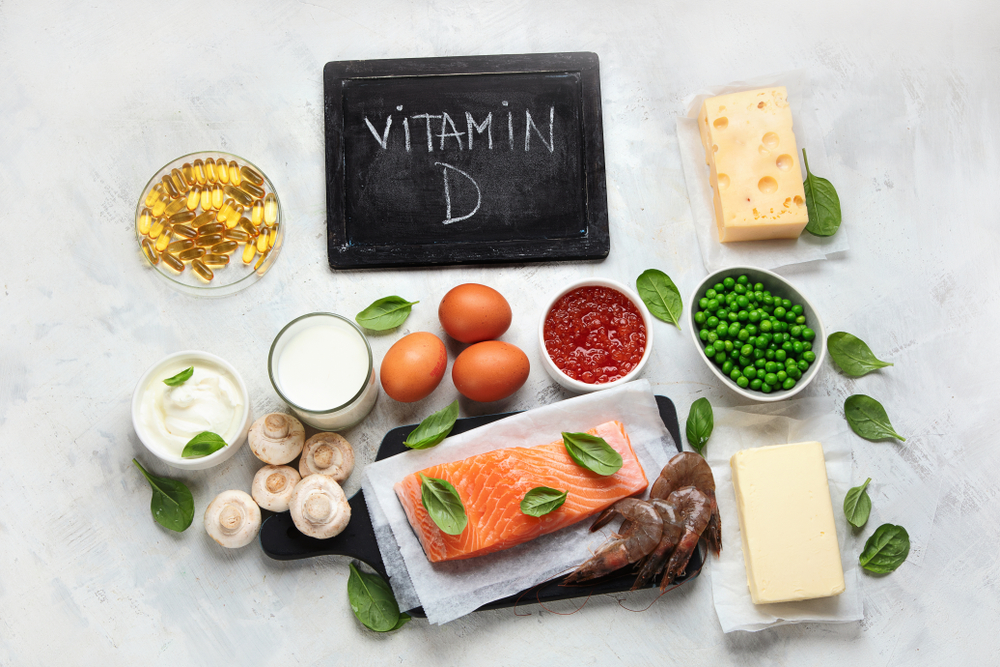
Spending time outdoors and getting sunlight exposure is the best way to get adequate vitamin D. This is because you synthesize vitamin D in your skin from exposure to the sun’s rays. This, however, can be tricky. The darker your skin tone, the longer you will need to spend outside each day with no SPF and with your arms, legs, and face exposed. Many of us also live largely indoor lives. We live in a house, we drive to work, we work inside a building, we drive home, and we even do much of our physical activity in indoor gyms. In the cooler and cold months, not only are the sun’s rays less strong as it is, but you likely aren’t looking to spend too much time outside with your arms and legs exposed in the middle of winter.
Unfortunately, dietary sources may also fall short in providing adequate levels of this essential nutrient. Therefore, supplementation is often recommended to ensure optimal vitamin D levels, especially for those living in cooler climates. However, not all supplements are created equal, and certain considerations need to be taken into account when selecting a vitamin D supplement.
What to Look for in a Vitamin D Supplement

There are a few things to look for and consider when looking for a vitamin D supplement. It is always important to do your research on different brands to ensure quality. When choosing a Vitamin D supplement, consider the following factors:
- Bioavailability: Opt for Vitamin D3, the superior form of Vitamin D, in an efficacious dose (e.g., 5,000 IU) to help raise and maintain optimal levels effectively.
- Absorption: Since Vitamin D is a fat-soluble vitamin, taking it alongside dietary fat is essential for enhancing absorption and bioavailability.
- Quality: Look for high-quality supplements that prioritize bioavailability and effectiveness in supporting brain health and longevity.
Natural Ways to Prevent Alzheimer’s

Taking vitamin D supplements is not the only way to reduce your risk of developing Alzheimer’s disease. Regular physical exercise has been shown to have a positive impact on brain health, reducing the risk of cognitive decline. A well-balanced diet rich in fruits, vegetables, and omega-3 fatty acids can also promote brain health and reduce the risk of Alzheimer’s. Engaging in mentally stimulating activities, such as puzzles, reading, or learning a new skill, can help keep the brain active and potentially protect against cognitive decline. Additionally, maintaining social connections and staying socially engaged has been linked to a lower risk of developing Alzheimer’s disease.
Finally, managing stress and getting plenty of quality sleep are essential for overall brain health and may contribute to preventing Alzheimer’s. By incorporating these natural approaches into everyday life, individuals can take proactive steps to support their brain health and potentially reduce their risk of developing Alzheimer’s disease.
Read More: Top 7 Herbs To Support A Healthy Liver
The Bottom Line

While the exact causes of Alzheimer’s disease remain uncertain, maintaining health levels of vitamin D has been recognized as a crucial step in preventing cognitive decline. By incorporating an effective vitamin D3 supplement into your daily routine, you can support your brain health and reduce the risk of developing Alzheimer’s disease. Prioritizing vitamin D intake is a proactive approach to safeguarding cognitive function as you age, demonstrating the significance of this essential nutrient in promoting overall brain health and longevity.
By following these recommendations and staying informed about the importance of Vitamin D in preventing Alzheimer’s disease, individuals can take proactive steps towards protecting their brain health and cognitive function in the long term.