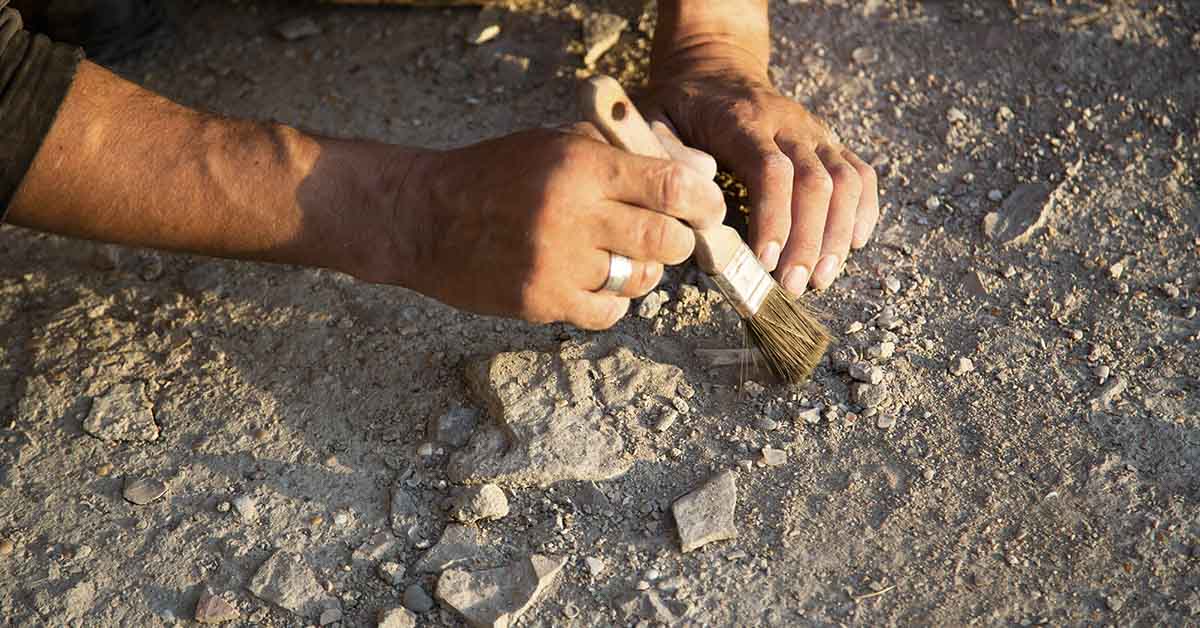
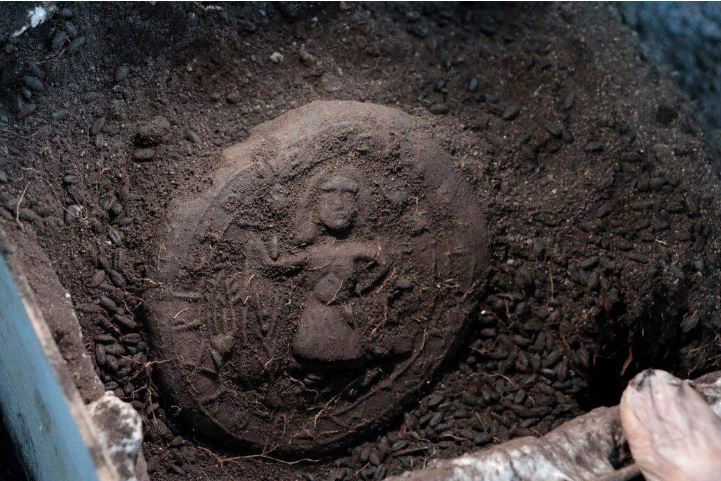
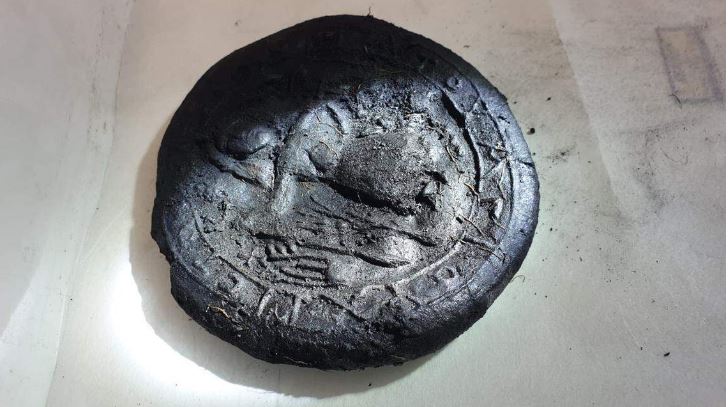
Have you ever seen Jesus on a loaf of bread? Now, I’m not talking about one of those viral images of a barely visible image of Jesus found on burnt toast; I’m talking about something far older and real. Archaeologists at Topraktepe, known as ancient Eirenopolis in Karaman, recently uncovered five incredibly well-preserved loaves. These loaves managed to survive over centuries because a fire rapidly carbonized the dough.
This effectively sealed all of the minute details on its surface, with one loaf featuring a robed figure sprinkling grain, surrounded by a Greek inscription. Authorities believe that it dates from the seventh or eighth century. They refer to the collection as the best preserved examples ever unearthed in Anatolia. Several companion breads have Maltese cross motifs that were imprinted before baking. The Karaman Governorate announced the discovery, which received widespread international attention. Multiple outlets then reported the find, focusing on the unusual depiction of Jesus as a sower or farmer. It is believed that this theme likely resonated with an agrarian community practicing a faith closely tied to local work and seasons.
The researchers now plan to conduct material analyses to learn more about the various factors that shaped the designs. These tests can determine fire temperature and fermentation based on bubble and crust patterns. The researchers will also scan the relief to examine tool traces and stamp depths. These features contribute to a better understanding of the workshop techniques involved in making the stamped icons.
These loaves are important as they illustrate early medieval worship through everyday food and sacred symbolism. Fieldwork at Topraktepe is still ongoing, with guidance from the Karaman Museum Directorate and government experts. As excavation strata are identified, the related rooms and activity areas will become clear. These loaves may serve as the foundation for a wider narrative regarding production and ceremonial circulation. The discovery has already impacted common beliefs about how dedication influenced daily bread. Future seasons are likely to connect the breads to a chapel, hall, or bakery.
Communion Bread and the Sower Icon
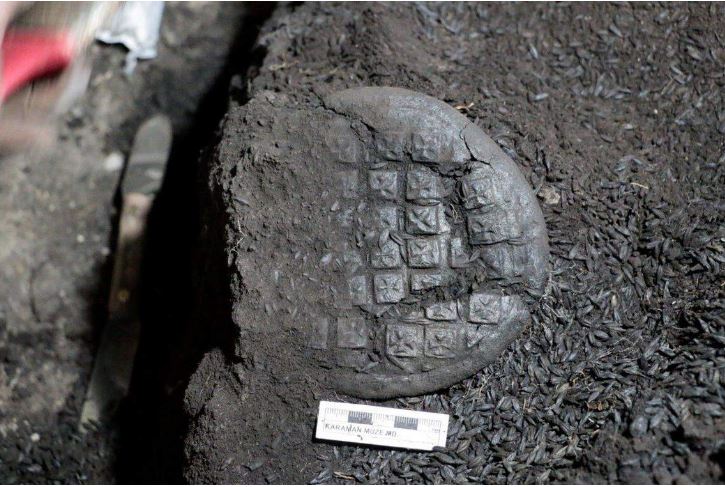
Think of these loaves as early church bread with a message baked in. In Eastern liturgies, they are called prosphora, and they are leavened. Bakers pressed stamps into the dough, leaving crosses, Christograms, and devotional images. Many stamps read “IC XC NIKA,” a short phrase meaning “Jesus Christ conquers.” During the service, priests cut a central square called the Lamb. That piece is consecrated in the Divine Liturgy and shared as Communion.
Other stamped panels often honor Mary and ranked groups of saints. Over time, designs became standardized, reflecting clear theology and careful craft. The Topraktepe loaf goes further, showing Jesus scattering seed in the field. It echoes the Parable of the Sower in a direct, earthy way. The lesson feels practical, inviting receptive hearts and steady, fruitful labor. Maltese crosses on the companion loaves fit the well-documented stamping tradition.
Across many centuries, artisans carved bread stamps from wood, bronze, and ceramic. Curators note that stamped loaves helped with identification and liturgical preparation. Scholars also track loaf marking across communities concerned with purity and identity. Seen this way, Topraktepe’s icon teaches doctrine through touch, sight, and nourishment.
It shows theology pressed into crust before any prayer begins at the altar. Devotion meets craftsmanship right at the oven door, while dough becomes testimony. The stamped surface acts like a small catechism you can hold. Here, the Sower makes scripture tangible, even edible, within a working economy. That union of image and daily bread explains the powerful public response. This discovery bridges text, ritual, and the baker’s bench in one scene.
Why These Breads Survived
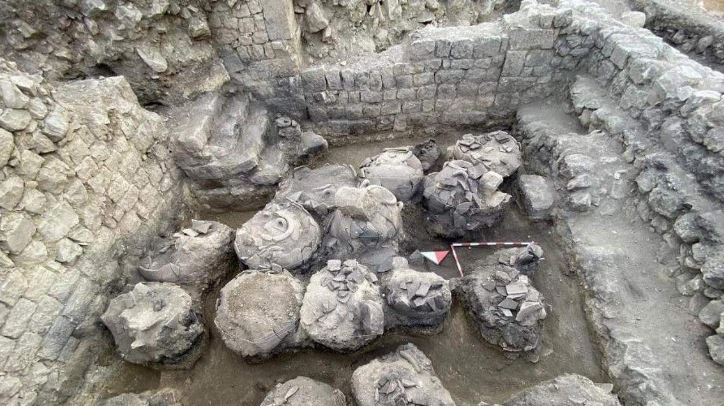
Ancient foods usually decay unless quickly dried, burned, or mineralized. However, the carbonization process removes moisture and locks the structure under oxygen-poor conditions. It is this chemistry that preserves the form while blackening any organic matter into stable carbon. Similar preservation happened at Herculaneum and Pompeii during the Vesuvian eruption. In fact, Roman ovens there yielded carbonized loaves with cords, stamps, and scoring. Those carbonized loaves inspired experimental bakes that sharpened research on ancient production. To reconstruct these methods, researchers examined aspects such as the crumb pores and stamp edges. Every feature may provide researchers with clues regarding the fermentation process and oven temperature used. It is believed that the Topraktepe breads likely burned in a contained, brief fire. That would have carbonized the loaves while preserving lettering and clear imagery. Such a definition has allowed epigraphers to make readings with more confidence today.
High resolution imaging has also revealed shallow tool marks and complete stamp fields.
Additionally, recent Anatolian discoveries have provided valuable context for these carbonized breads.
At Küllüoba, a 5,300 year old loaf was buried. To researchers, its intentional charring and placement suggest a protective or ritual purpose.
The loaf lay beneath a threshold and appeared intentionally charred before deposition. Many scholars regard that placement as ritual or protective rather than accidental. Another study reported an unbaked loaf, about 8,600 years old, at Çatalhöyük. This particular loaf rested near a hearth and still preserves a soft, doughy interior. When viewed together, these findings reveal Turkey’s long, continuous history of breadmaking practices.
The Topraktepe loaves carry that story forward into early Byzantine centuries. They also manage to link prehistoric techniques, Roman bakery technologies, and Christian liturgical traditions. Scientists will likely sample starches and phytoliths to identify cultivated crops. Additionally, isotopic tests could help them estimate where the grain or fuel originally came from. Furthermore, microscopy could help reveal whether bran was included whole or carefully sieved out.
Thanks to this discovery, these accidental burnings have led to a carefully guided research opportunity which may yet reveal much more about the past.
Eirenopolis in Context
Eirenopolis, the City of Peace, rises from the rugged Isaurian highlands. It sits between Pisidia and Cilicia on old roads to the Mediterranean. In late antiquity, it served as a bishopric within broader church networks. Records list bishops from the fourth through the ninth centuries. That timeline places organized Christian life inside a hardworking farm country. Terraced fields and orchards supported grain, fruit, and grazing animals.
Villages mixed prayer, trade, and small workshops along narrow lanes. Chapels, storerooms, and ovens shared the same crowded courtyards. Bakers in this world did more than feed their neighbors, they prepared stamped loaves for feast days and weekly liturgies. A nearby chapel might receive baskets of marked bread for distribution. The Sower image spoke directly to local worries about rain and harvest. It promised that grace could meet people in their everyday labor. Maltese crosses likely marked the bread as pure and set apart. Together, these details make the city’s faith feel practical and close. They show a community where worship and work shared the same table.
Archaeologists are now hunting for signs of real bakery activity on site. Hearths, ash pits, and sturdy benches would support a nearby baking workspace. A hall or storeroom could also explain carefully gathered bread offerings. Either option would place these loaves inside an organized Christian community. The setting is significant because it reveals theology lived far from big capitals. Devotion here spoke the language of fields, mills, and shared ovens.
That perspective challenges the idea that liturgy belonged only to urban elites. In Eirenopolis, doctrine traveled with grain sacks and carved bread stamps. These loaves help trace belief across valleys and seasonal work rhythms. Ongoing digs will link buildings, trash layers, and busy activity zones. The breads may eventually outline ritual logistics around Topraktepe with precision. Whatever the outcome, they already enrich daily life in a bishopric town.
Similar Parallels and What Happens Next
Parallels appear across the Eastern Mediterranean in museum cases and excavation reports. Byzantine bread stamps in major collections show crosses and the phrase “Jesus Christ Victorious.” Their layouts echo formulas still used by Eastern Christian bakers today. Modern clergy and bakers continue stamping prosphora with carefully standardized fields. That continuity helps scholars decode fragmentary or regional stamp variations with confidence. Researchers will compare the Topraktepe stamp against published typologies from multiple regions.
They will scan relief depth and study tool edges for workshop signatures. Residue tests can flag wheat or barley and even possible flavoring seeds. Early notes already suggest barley in similar ritual loaves from Anatolia. Temperature clues may come from bubble size and areas of crust vitrification. Comparative work will also consider other traditions of carbonized ancient breads. Studies of Pompeian panis quadratus examined cords, segment scoring, and shaping choices. Those analyses linked bread form to bakery logistics, storage, and neighborhood distribution. Together, these methods place the Topraktepe loaves within a living, readable tradition.
Researchers may propose similar operational models for Topraktepe’s ritual bread production. They will also search for altars, baptismal fonts, or storage niches that might signal a chapel receiving or distributing stamped loaves. Clear context would reveal whether the breads were waiting for liturgy or intended for memorial use. Media coverage has drawn wide attention to the discovery, while Catholic outlets focused on the Eucharistic reading and the Greek inscription.
As peer reviewed studies arrive, the picture will expand across multiple fields, with specialists refining translations, reconstructing tools, and identifying crops. Teams may even 3D print replicas to test how precisely the stamps performed during proofing. In this way, the Topraktepe set invites collaboration between archaeologists and liturgists, and it opens fresh questions about how faith was embodied through skilled provincial baking.
Read More: Artificial Intelligence Offers New Look at Jesus Using Shroud of Turin
The Galilee Mosaics
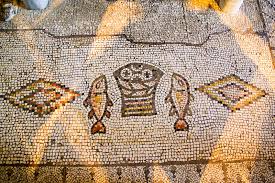
In the Galilee, fifth-century church mosaics make bread a visible theology. The best-known example sits in the Church of the Multiplication at Tabgha. A basket of loaves sits between two fish before the altar today. That mosaic originally stood behind the altar in the Byzantine sanctuary. Restorers moved it forward when rebuilding the modern basilica. The floor program mixes local flora with Nilotic landscape conventions from earlier art.
That visual language tied local worship with wider Mediterranean imagery and technique. It also centered bread as a sign of divine abundance and care. The basket and fish gesture toward Eucharist and miraculous feeding together. The scene linked ordinary food with a scriptural act of overflowing provision. Pilgrims could stand upon images that taught through stone and color. It was catechesis underfoot as well as proclamation from scripture. The same shoreline witnessed other agricultural and fishing narratives in the Gospels.
Those stories, therefore, met worshipers within a landscape they recognized intimately. Nearby, the “Burnt Church” at Hippos yielded another teaching mosaic. Excavations uncovered loaves and fish on a floor within a destroyed basilica. Scholars debate whether it references the miracle or a local version. Either interpretation reinforces bread as a sign carrying layered meanings. It shows ritual, memory, and identity expressed through harvested grain and water.
These mosaics parallel Topraktepe by preaching with agricultural symbols. Both make fields, nets, and loaves serve a theological message. The agricultural economy becomes the frame for divine generosity and thankfulness. Artifacts then become sermons that never require a spoken word. They locate faith within work rhythms of sowing, reaping, and sharing. That is exactly the message Topraktepe’s Sower made in carbonized crust. Stones and bread speak one language of gratitude and daily grace.
More Examples of Christ as the Sower
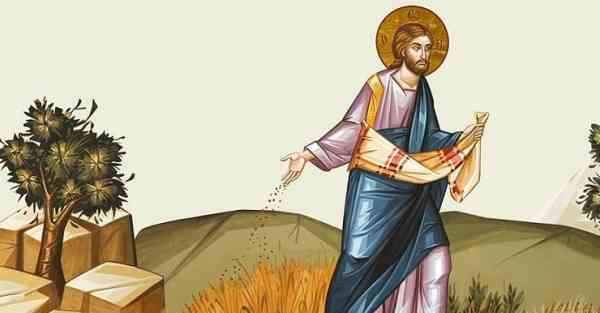
Manuscripts often carry the parables as living images for readers. A clear example appears in a late sixteenth-century manuscript from Cyprus. The Walters Art Museum holds a page titled “The parable of the sower.” The scene visualizes seeds falling on different soils and hearts. It turns spoken teaching into an image that a reader can contemplate. Earlier Byzantine cycles also surrounded the Gospels with narrative miniatures. The Rossano Gospels preserve sixth-century purple vellum illuminations. They show events from Christ’s life in rich staged compositions. Although not every parable appears, the format shaped later programs. It helped fix how artists framed Christ’s teaching in fields and towns. That tradition continued in icons explicitly named for the Sower. Modern iconographers still depict Christ scattering seed as the divine Word. A recent project, the Saint John’s Bible, revisited this image directly. Its illumination presents Jesus as the Sower for contemporary readers.
The choice shows continuity from Byzantine practice into modern calligraphy. Such pages pair scripture with fields, baskets, and flowing garments. They teach that grace meets soil prepared by patience and labor. These book images parallel Topraktepe’s agricultural Christ in bread. Both domains bind doctrine to ordinary work with grain and time.
They make hands, tools, and seasons part of sacred meaning. Bread stamps provide another booklike surface carrying sacred signs. Jordanian and Levantine stamps bear crosses and sacred monograms. They marked dough before baking to guide liturgical preparation. Those tools created portable pages pressed into every loaf. The result is theology travelling from workshop to altar and table. Together, pages, stamps, and loaves teach with the same symbol set. Christ walks as the Sower across parchment, clay, and crust. The message remains clear wherever seed and bread are found.
The Bottom Line
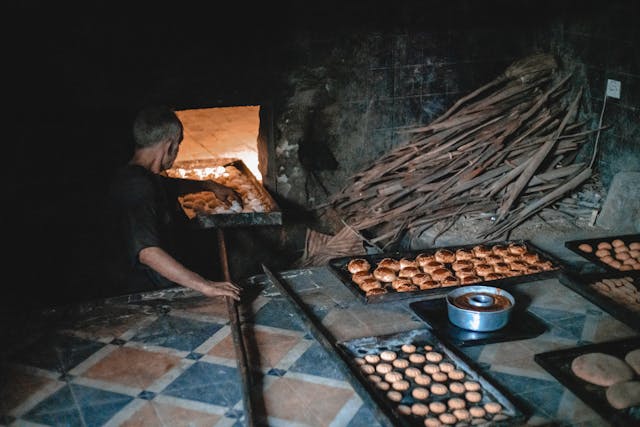
Finding Jesus on a loaf of bread is not as strange as it first seems. Yet, the Topraktepe breads turn faith, labor, and craft into one unforgettable story. Charred crust preserved a scene where Christ blesses sowers, fields, and daily bread. That image links scripture with the rhythms of plowing, proofing, and shared meals. Stamped symbols transform dough into teaching, long before prayers begin at the altar. Scientific tests will now read these loaves like pages, grain by grain. Microscopy, imaging, and residue studies can trace crops, ovens, and skilled hands. Their results will anchor Topraktepe within wider Byzantine networks of worship and work. Parallels in mosaics and manuscripts show the same language of abundance. In stone, pigment, and carbon, communities taught gratitude, patience, and fruitful hearts. These loaves remind us that theology often arrives through ordinary tools, faithfully used.
Disclaimer: This article was created with AI assistance and edited by a human for accuracy and clarity.
Read More: Archeologists Discover Long-Lost Temple Embedded in Remote Cliff Face