

A dog once identified a melanoma on its owner’s leg – sniffing persistently at a mole that turned out to be malignant – before any doctor had flagged it. That wouldn’t be surprising if the dog had medical training. This one didn’t. The more remarkable part is that the same detection ability, when formally trained and tested in clinical settings, holds up with almost pharmaceutical-grade precision. And dogs are just one entry on a list that includes insects, worms, and a species of rat that can process 100 tuberculosis samples in the time it takes a lab technician to look through a microscope.
The reason so many animals can detect diseases in humans comes down to chemistry. Tumors, infections, and metabolic disorders all alter the mix of volatile organic compounds – or VOCs, the tiny chemical molecules exhaled in breath, excreted in urine, or released in sweat – that the human body produces. Humans can sometimes smell disease at advanced stages. Animals with far more sensitive olfactory systems can detect it at the molecular level, often before symptoms appear or before standard screening catches anything. Pathological processes alter the VOC profile by changing the concentration of compounds normally produced in the cell or by synthesizing disease-specific compounds. That chemical shift is what trained animals learn to recognize.
The field has moved well beyond curiosity. Peer-reviewed research now covers animals ranging from mammals to insects to microscopic nematodes, with detection accuracy figures that rival established clinical tests. The following animals represent the current state of this science – what’s been tested, how well it works, and what it means for medicine going forward.
1. Dogs
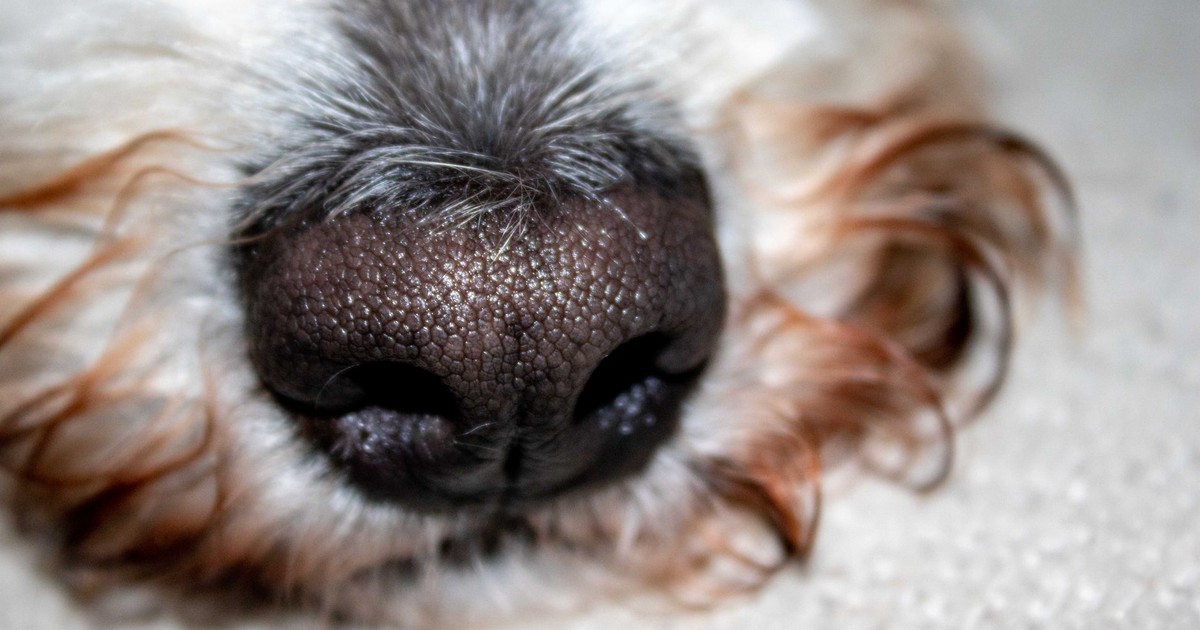
Trained dogs can detect some substances in very low concentrations, as low as parts per trillion, which makes their noses sensitive enough to detect cancer markers in a person’s breath, urine, and blood. That extraordinary sensitivity is why dogs have been the most extensively researched animals in disease detection. A recent systematic review found that 226 dogs have participated in various disease detection projects, with 68% of studies focused on cancer detection – the top three cancers being lung, prostate, and breast.
The accuracy numbers are striking. A study focused on prostate cancer detection found that a scent-trained dog reached 93.5% sensitivity and 91.6% specificity diagnosing histologically confirmed prostate cancer by sniffing urine specimens – figures that compare favorably with some standard screening tools. When researchers specifically trained dogs on lung cancer, results were even stronger. A 2025 feasibility study evaluated a team of five trained sniffer dogs analyzing breath samples from 824 volunteers – including 111 with confirmed lung cancer – using a collective detection method, and found individual accuracy above 84%. For bladder cancer, studies over the past decade showed trained dogs could identify the urine of patients with bladder cancer almost three times more often than chance.
Dogs have also demonstrated utility beyond cancer. A study published in PLOS ONE trained five dogs to detect SARS-CoV-2 by scenting patients directly. Across 848 subjects, the dogs detected COVID-19 positive patients with 95.9% sensitivity and 95.1% specificity in a controlled in-vivo efficacy trial. Multiple different sample types have been used across disease-detection studies, and while not every study has shown positive results, the common finding is that dogs exhibit remarkable odor detection capability that with further refinement may provide a noninvasive method for early detection.
The caveat is consistency. The KDOG1 clinical trial, a Phase 2 prospective study published in Nature Communications in November 2025, found that although dogs can detect breast cancer in sweat samples, the level of accuracy was insufficient for clinical use. That doesn’t invalidate the underlying biology – it confirms that the molecular signal exists – but it shows the gap between laboratory promise and clinical deployment. Researchers are now using findings like these to develop electronic nose devices that replicate what dogs do, without the variability.
2. African Giant Pouched Rats
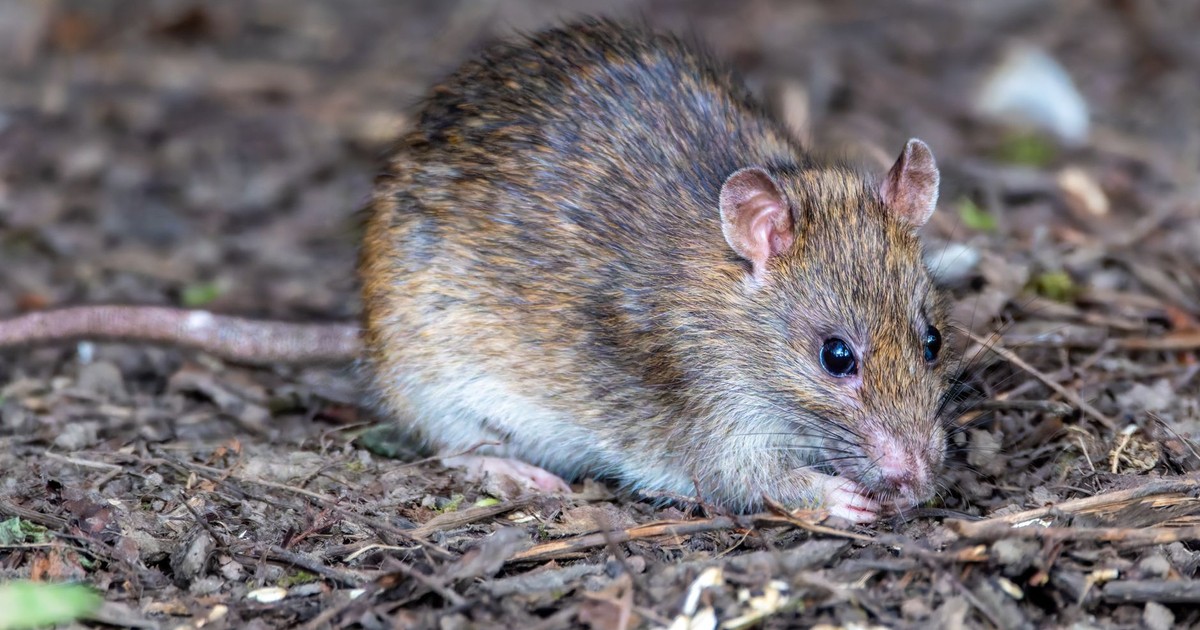
A single rat can screen around 100 samples in just 20 minutes, compared with up to four days in a traditional laboratory setting. That speed differential is why the nonprofit APOPO began training African giant pouched rats – nicknamed HeroRATs – to detect tuberculosis, a disease that kills over a million people each year and frequently goes undiagnosed in high-burden countries.
The accuracy of rat-based TB detection is well documented. At APOPO, samples from smear- or Xpert MTB/RIF-negative presumptive TB patients are screened using detection rats, yielding an annual average of a 40% increase in smear-positive case detection. A 2025 study published in PLOS ONE, which evaluated over 43,000 sputum samples from 34,565 people with suspected TB across 69 health facilities in Tanzania, found that APOPO’s HeroRATs detected an additional 2,176 TB cases – a 48% overall increase over what clinics identified alone, even at facilities already using sophisticated Xpert MTB/RIF diagnostic testing. The rats identify pulmonary TB by smelling TB-specific VOCs in sputum specimens, and their accuracy is notably independent of patients’ HIV status – an advantage over several conventional diagnostics.
Since their introduction until the end of 2023, APOPO’s TB detection rats have screened 954,469 sputum samples collected from 577,141 presumptive TB patients. The HeroRATs serve as a second-line screening tool – they test samples that were initially declared negative by microscopy but come from patients who still show symptoms. Research has also revealed that the rats are particularly sensitive to detecting TB in children’s sputum samples, even when bacterial load is low – a population that conventional diagnostics frequently miss.
The practical advantages over dogs are considerable: the rats are highly intelligent, easy to train, cheap to feed and maintain, locally sourced, and indigenous to sub-Saharan Africa, making them resistant to most tropical diseases. The cost of diagnosis by an APOPO HeroRAT is just $1, versus $2 – $3 for smear microscopy and $18 for Xpert testing. That pricing makes them a realistic public health tool in lower-income settings where TB burden is highest.
3. Honeybees

Honeybees possess a sense of smell that surpasses even that of sniffer dogs, detecting odors at several parts per trillion. That olfactory precision has made them a serious subject of disease-detection research, particularly for respiratory conditions and cancer.
Using Pavlovian conditioning – the same reward-and-stimulus approach used with dogs – researchers trained honeybees to respond to specific disease odors. Studies have demonstrated that honeybees trained to detect SARS-CoV-2 achieved diagnostic sensitivity of 92% and specificity of 86% in preliminary laboratory trials using simulated diagnostic scenarios – results that are encouraging but have not yet been validated in clinical settings with real patients. The training method involves exposing bees to a target scent while simultaneously offering a sugar water reward, causing them to associate the odor with a food response – a reflex that researchers can detect and measure.
For cancer detection specifically, the approach has gone further than behavioral training. Researchers have employed honeybee olfactory neural circuitry to classify human lung cancer volatile biomarkers at concentration ranges from parts per billion down to parts per trillion. Rather than training live bees, scientists are studying the honeybee’s neural wiring to build bio-inspired sensor systems that replicate its detection performance without requiring live insects. The bee becomes a biological blueprint rather than a diagnostic tool.
4. Ants

Ants might be the most cost-efficient animal on this list when it comes to training. A conditioning protocol based on only three training trials was sufficient for ants to associate cell-derived VOCs with a reward signal – far fewer repetitions than dogs require and with comparable early results in controlled laboratory settings.
After only three training sessions, ants were able to identify VOCs associated with cancer in urine samples in laboratory conditions. The species used in these experiments – Formica fusca, a common European ant – moved preferentially toward urine samples from cancer-bearing subjects and away from healthy controls, demonstrating the same chemotaxis (movement toward or away from a chemical signal) that makes nematodes useful for cancer detection. This research is still at an early, proof-of-concept stage conducted primarily in controlled settings, and has not yet been replicated in large-scale human trials.
What makes ants particularly interesting from a practical standpoint is scalability. Ants are found on every continent, reproduce quickly, require minimal resources, and can be trained in days rather than months. The detection principle is the same one operating across all these animals: tumors change the chemical composition of bodily fluids, and animals with sensitive olfactory systems can be trained to read that change. Ants just happen to learn it faster and cheaper than almost anything else studied so far.
Read More: Scientists Believe Dogs Are Entering a New Phase In Their Evolution
5. Locusts

Locusts weren’t obvious candidates for medical research. They don’t have the trained-animal track record of dogs or rats. But their olfactory biology turned out to be surprisingly useful for a different reason: their brains produce distinct, readable electrical patterns in response to different chemical signatures.
Locusts can differentiate a range of odors, including those released by cancer cells, and distinguish between different cancer cell types. Researchers at Michigan State University attached electrodes to locust brains and exposed them to gases from different oral cancer cell lines alongside healthy cells. Their brains produced a distinct electrical pattern for each of the different cell types tested. The locusts weren’t just detecting cancer versus no cancer – they were differentiating between cancer types at the level of cellular chemistry. This research remains preliminary, conducted in controlled ex-vivo conditions, and has not yet been tested on human subjects in a clinical context.
No one is proposing a clinical setting in which locusts screen patients directly. The value is in the biological template. A locust’s olfactory system can accomplish in seconds what would take sophisticated laboratory equipment significantly longer, and at a fraction of the energy cost. Researchers are working to understand the specific neural mechanisms that allow this discrimination to happen – with the goal of replicating them in engineered biosensor devices.
6. Nematode Worms (C. elegans)
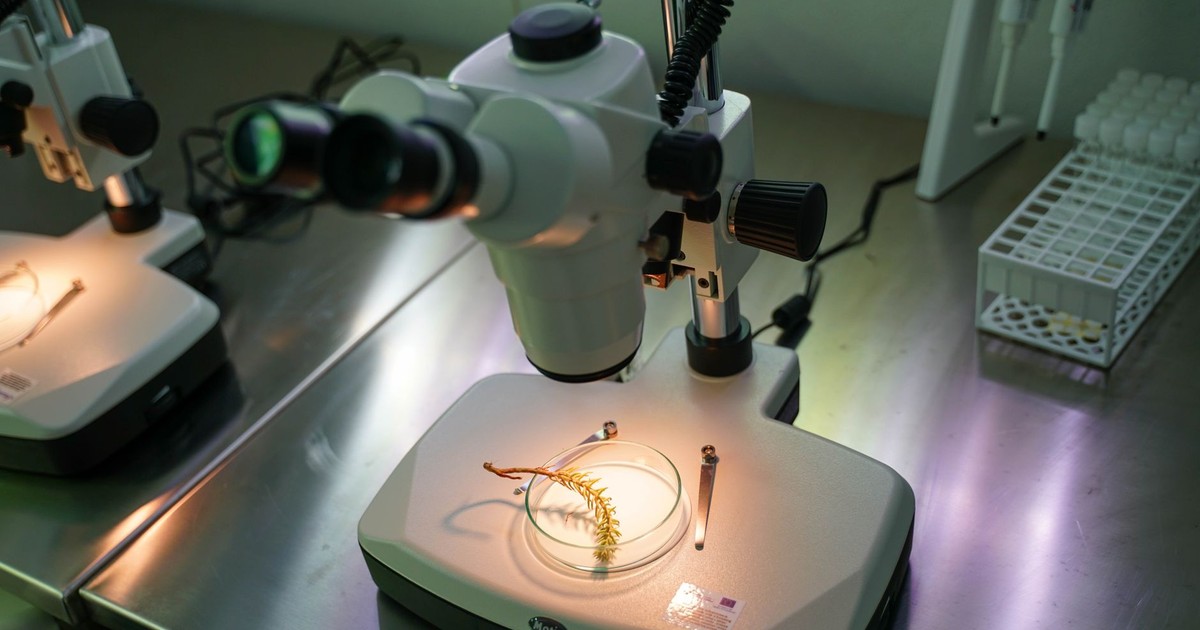
Caenorhabditis elegans is a microscopic roundworm about one millimeter long. It has roughly 1,000 cells in its entire body and is transparent enough to see through under a microscope. It also carries more than 1,000 candidate olfactory receptors – giving it a highly sensitive olfactory system with the innate ability to sense odors in the urine of cancer patients.
The worm’s behavior is the diagnostic mechanism. N-NOSE, a novel non-invasive cancer screening test, utilizes the chemotaxis response of Caenorhabditis elegans to detect tumor-related odors in urine. The worms show evasive action from the urine of healthy individuals while being attracted to the urine of cancer patients. That behavioral difference – attraction versus avoidance – is measurable, repeatable, and the foundation of a test now commercially available in Japan.
The breadth of what the worm can detect is expanding. A study assessing N-NOSE across a patient group exceeding 1,600 individuals diagnosed with various cancers demonstrated a capability to accurately identify upwards of 20 cancer types, achieving detection sensitivities between 60 and 90%, including initial-stage cancers. Pancreatic cancer – one of the hardest cancers to detect early – has been a particular focus, with the worms correctly identifying urine samples from pancreatic cancer patients including people with early-stage disease. A 2025 study published in Hematological Oncology found that N-NOSE, by leveraging the highly sensitive olfactory system of C. elegans, achieved a high rate of detection across multiple hematological malignancies, including multiple myeloma, lymphoma, and leukemia, maintaining robust sensitivity even at earlier disease stages.
Cancer remains a leading cause of mortality, yet participation in conventional screening programs is low due to invasiveness, cost, and accessibility – challenges that N-NOSE, as a urine-based screening test using C. elegans, is designed to address. Over 700,000 individuals had undergone the N-NOSE cancer test in Japan at the time of its most recent evaluation.
What This Means
The animals on this list aren’t curiosities. They represent a converging body of evidence that disease produces chemical signatures detectable far below the threshold of standard clinical testing – and that biology, in many cases, is already better at reading those signatures than technology is. Dogs and HeroRATs are already operating in real-world screening contexts. The N-NOSE worm test is commercially available in Japan. Honeybee neural circuits are informing the design of biosensors.
For patients and clinicians, the practical implication is that non-invasive, odor-based screening is moving from research interest to clinical consideration, particularly for cancers like lung and pancreatic that are frequently diagnosed late. None of these animal-based tools is currently a replacement for established diagnostics – existing evidence supports using them as adjuncts, not substitutes. If you’re at elevated risk for a cancer with limited early-screening options, ask your doctor whether VOC-based or breath-based screening tests are entering trial availability in your area. The science is further along than most people realize.
Disclaimer: This information is not intended to be a substitute for professional medical advice, diagnosis, or treatment and is for information only. Always seek the advice of your physician or another qualified health provider with any questions about your medical condition and/or current medication. Do not disregard professional medical advice or delay seeking advice or treatment because of something you have read here.
AI Disclaimer: This article was created with the assistance of AI tools and reviewed by a human editor.
Read More: Some People Claim to ‘Smell Cancer’ Before Diagnosis — Here’s the Science