
Just a few decades ago, the sky above Antarctica became a symbol of environmental crisis. Scientists had discovered a massive hole in the ozone layer—a protective shield in Earth’s atmosphere that blocks harmful ultraviolet radiation. This thinning layer sparked urgent global concern. As the hole grew larger each spring, it exposed life on Earth to higher risks of skin cancer, cataracts, and even crop damage. But today, that same sky is telling a new story.
Experts now say the ozone layer is healing. Recent satellite data and climate studies show clear signs of recovery. What once felt like irreversible damage is now seen as a rare environmental success—thanks to science, international cooperation, and public action. At the heart of this story is the Montreal Protocol, a global treaty that phased out ozone-depleting substances like CFCs. It worked. The steady rebound of the Antarctic ozone layer is being hailed by scientists as living proof that coordinated action can reverse even the most alarming environmental threats.
This article explores how the crisis began, what led to the healing, and why it matters not just for Antarctica—but for the entire planet.
From Crisis to Global Agreement: The Ozone Story
In the 1970s, scientists first detected that the ozone layer was thinning. By the mid-1980s, it became clear that human-made chemicals, especially chlorofluorocarbons (CFCs), were the cause. These chemicals were commonly used in aerosol sprays, air conditioners, and refrigerators. Once released into the atmosphere, CFCs traveled upward and released chlorine atoms that broke down ozone molecules.
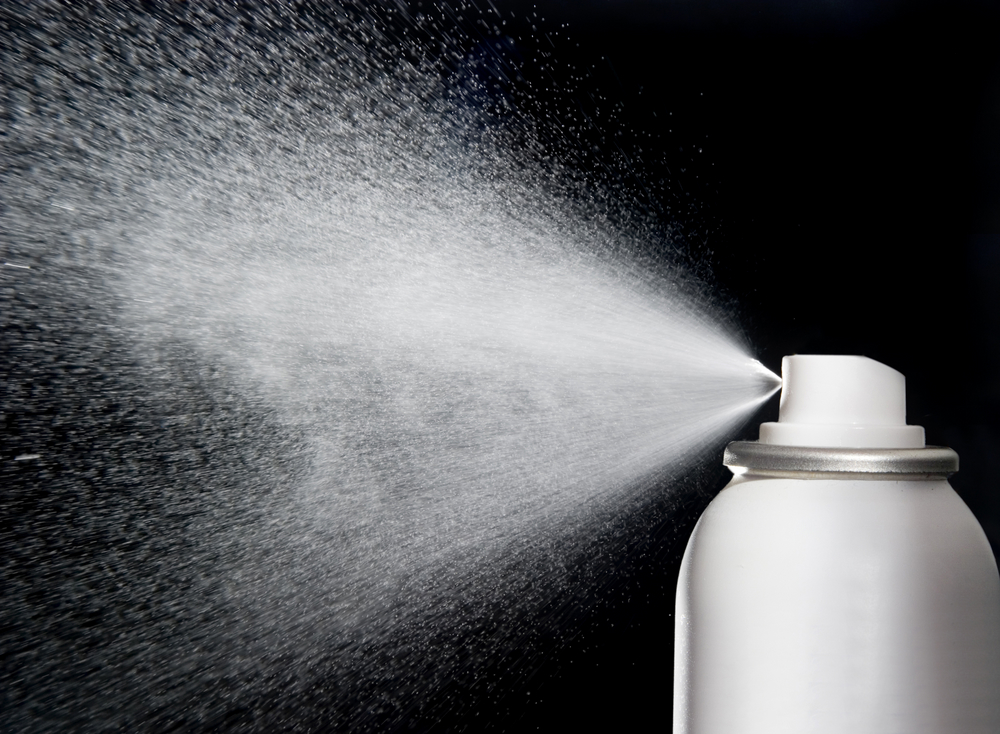
This process was especially severe over Antarctica. The region’s extreme cold created polar stratospheric clouds, which helped speed up ozone loss when sunlight returned each spring. The result was the now-infamous “ozone hole”—a seasonal gap that reached record sizes in the early 2000s.
Alarmed by the threat, countries came together in 1987 to sign the Montreal Protocol. This landmark agreement aimed to phase out the use of ozone-depleting substances. Over time, it was updated to cover more chemicals and adjust targets. Nearly every nation on Earth signed on, making it one of the most widely supported environmental treaties in history.
The effects were soon measurable. CFC levels in the atmosphere began to drop. And while the ozone layer hole still forms each spring, its size and duration have declined steadily over the last two decades.