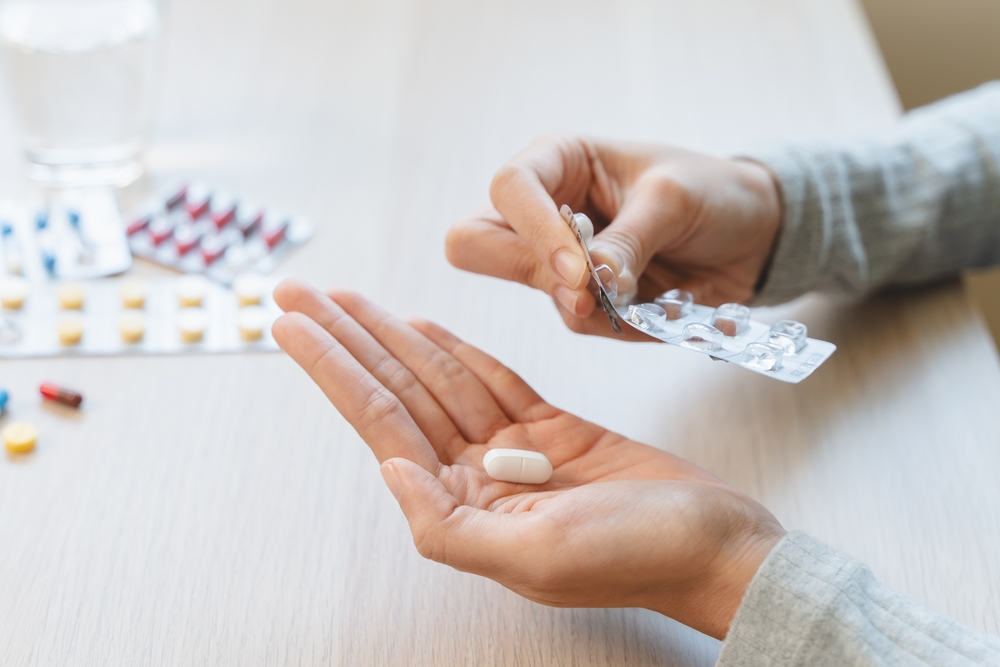

News of an anxiety medication recall has raised concern among patients, caregivers, and healthcare providers across the United States. For many people, medications used to manage anxiety are part of daily life. They help reduce panic, stabilize mood, and allow individuals to function more comfortably in high-stress situations. So, when a widely used prescription drug becomes the subject of a nationwide recall, it naturally leads to questions, and in some cases, fear.
Recently, certain batches of an extended-release anxiety medication were pulled from circulation due to concerns about inconsistent dosing. In simple terms, some tablets may not contain the amount of active ingredient listed on the label. While that might sound like a technical issue, the real-world implications can be serious. Even small changes in dosage can lead to unexpected side effects or reduced effectiveness, especially with medications that act on the central nervous system.
At the same time, it’s important to approach this situation with clarity rather than panic. Not every version of the medication is affected, and health officials have provided guidance to help patients navigate what comes next. Understanding what triggered the recall, who may be impacted, and how to respond can make a big difference.
What Triggered the Nationwide Recall?
The recall was initiated after quality control checks revealed inconsistencies in certain batches of extended-release tablets. These tablets are designed to release medication slowly over time, providing a steady effect throughout the day. However, when the amount of active ingredient varies from one tablet to another, that steady release becomes unpredictable.
In this case, some tablets may contain either more or less of the active ingredient than indicated. The medication involved contains alprazolam, a compound that belongs to a class of drugs known as benzodiazepines. These medications act on the brain to produce a calming effect, which is why they are commonly prescribed for anxiety and panic disorders.
Manufacturing issues like this are rare, but they can happen. Even with strict quality standards in place, pharmaceutical production involves complex processes. A small deviation during manufacturing can lead to larger problems once the medication reaches consumers.
Because of these risks, the recall was issued as a precautionary measure. Regulatory agencies aim to prevent harm before it occurs, rather than waiting for widespread reports of adverse effects. While not every patient will experience a problem, the potential for incorrect dosing makes it necessary to act quickly.
Understanding the Medication Involved
The medication at the center of this situation is commonly prescribed under brand and generic names, including extended-release versions such as Xanax XR. It is widely used to treat anxiety disorders, panic attacks, and sometimes short-term insomnia linked to stress.
What makes this medication effective is also what makes it sensitive to dosing changes. It works by enhancing the activity of a neurotransmitter called GABA in the brain. This neurotransmitter slows down brain activity, helping to create a sense of calm and relaxation.
However, because of how it interacts with the brain, even slight differences in dosage can have noticeable effects. A higher-than-expected dose may lead to excessive sedation, while a lower dose may fail to control symptoms. For individuals who take this medication regularly, consistency is key.
Extended-release versions are especially important in this context. They are designed to maintain stable levels of medication in the bloodstream over several hours. If the release mechanism is disrupted due to inconsistent dosing, the intended balance is lost.
Why Dosage Accuracy Matters So Much
When it comes to medications that affect the brain, precision is not optional, it’s essential. The body responds to these drugs in very specific ways, and even small variations can lead to significant changes in how a person feels.
If a patient unknowingly takes a higher dose than prescribed, they may experience symptoms such as extreme drowsiness, confusion, or slowed breathing. In more severe cases, this can become life-threatening. On the other hand, if the dose is lower than expected, the medication may not work as intended. This can lead to breakthrough anxiety, panic attacks, or even withdrawal symptoms in long-term users.
That’s one reason the Xanax recall has drawn attention. It highlights how critical it is for medications to meet strict standards every time. Unlike some drugs, where a slight variation may not have immediate consequences, benzodiazepines require a high level of consistency.
Patients who have been taking this medication for an extended period may have developed a physical dependence. This does not mean misuse, it simply reflects how the body adapts over time. In these cases, any disruption in dosing can have a stronger impact.
Who May Be Affected by the Recall?
Not every patient who takes anxiety medication is affected by this recall. The issue is limited to specific batches of extended-release tablets distributed within a certain time frame. However, because the medication is widely prescribed, a significant number of people could potentially be impacted.
Patients who rely on this medication daily may be the most vulnerable. They are more likely to notice changes in how the medication affects them, whether that means increased drowsiness or a sudden return of anxiety symptoms.
Healthcare providers are encouraging patients to check their prescriptions carefully. This includes looking at the manufacturer, batch number, and dosage information. Pharmacists can also help verify whether a specific prescription is part of the recall.
It’s also important to remember that recalls are a standard part of pharmaceutical safety systems. They are designed to protect patients, not alarm them. While the situation deserves attention, it should also be viewed within the broader context of ongoing safety monitoring.
The Exact Batches Being Recalled and How to Check Your Medication
One of the most important parts of any recall is understanding whether your specific prescription is affected. In this case, the recall applies to select batches of extended-release alprazolam tablets, not every prescription on the market.
According to reports from health authorities and pharmacy alerts, the recall involves specific lot numbers of extended-release tablets distributed nationwide in the United States. These batches were identified after routine testing revealed inconsistencies in dosage. While the exact lot numbers may vary depending on the distributor, they are typically listed in official recall notices issued by regulators and manufacturers.
So, how can you check if your medication is part of the recall?
Start by looking at your prescription bottle. Most pharmacy labels include:
- The medication name and strength
- The manufacturer
- The lot number or batch number
- The date the prescription was filled
If you still have the original packaging, you may also find the lot number printed there. This number is key, as it allows pharmacists and healthcare providers to trace whether your medication matches one of the recalled batches.
If you’re unsure, the safest step is to contact your pharmacist. They can quickly cross-reference your prescription with recall lists and confirm whether there is any cause for concern. You can also check official sources such as the FDA recall database or your country’s health authority website for updated information.
Importantly, do not assume your medication is affected without checking. At the same time, don’t ignore the possibility either. Taking a few minutes to verify your prescription can provide peace of mind and help you take the right next steps if needed.
Symptoms and Side Effects to Watch For
Even if you are not certain whether your medication is part of the recall, it’s helpful to know what warning signs to look out for. Changes in how your body responds to medication can sometimes signal a dosing issue.
If the tablet contains a higher dose than intended, you may notice:
- Unusual or extreme drowsiness
- Difficulty staying awake during normal activities
- Slowed breathing or shallow breaths
- Confusion or trouble concentrating
- Poor coordination or dizziness
On the other hand, if the tablet contains less medication than expected, symptoms may include:
- Increased anxiety or restlessness
- Return of panic attacks
- Irritability or mood swings
- Trouble sleeping
- Physical withdrawal symptoms, such as sweating or tremors
These symptoms can vary from person to person. Some individuals may notice subtle changes, while others may experience more intense reactions. The key is to pay attention to anything that feels different from your usual response to the medication.
If you experience severe symptoms, especially those related to breathing or consciousness, seek medical attention immediately. While most cases will not escalate to that level, it’s always better to act quickly when dealing with medications that affect the central nervous system.
What Should You Do If You’re Affected?
Hearing about a recall can be unsettling, but knowing how to respond can make the situation much more manageable. The first and most important rule is simple: do not stop taking your medication suddenly without medical guidance.
Benzodiazepines, including this type of anxiety medication, can lead to withdrawal symptoms if stopped abruptly. In some cases, sudden discontinuation can even be dangerous. That’s why any changes should be made under the supervision of a healthcare provider.
If you discover that your prescription is part of the recall, take the following steps:
First, contact your pharmacist. They can confirm the recall and advise you on whether to return the medication. Many pharmacies will replace recalled prescriptions or guide safe disposal.
Next, reach out to your doctor. They may recommend switching to a different batch, adjusting your dosage, or temporarily using an alternative treatment. Every situation is different, so personalized advice is essential.
Continue monitoring how you feel. If you notice any unusual symptoms, keep a record of them. This can help your healthcare provider make informed decisions about your treatment. Taking action quickly does not mean panicking. It simply means staying informed and working with professionals to ensure your safety.
Why Recalls Like This Happen
Although recalls can feel alarming, they are actually a sign that safety systems are working as intended. Pharmaceutical companies and regulatory agencies conduct ongoing testing to ensure medications meet strict standards. When something falls outside those standards, even slightly, a recall may be issued.
In this case, the issue appears to stem from manufacturing inconsistencies affecting dose accuracy. Producing extended-release tablets is particularly complex. The medication must be evenly distributed and released at a controlled rate over time. If that process is disrupted, the final product may not perform as expected.
It’s also worth noting that recalls are not uncommon in the pharmaceutical industry. They can involve anything from packaging errors to contamination risks. Most recalls are issued as a precaution, often before widespread harm occurs. The system is designed to catch problems early and prevent larger issues down the line.
The Broader Impact on Patients and Trust
Beyond the immediate health concerns, recalls like this can affect how patients feel about their treatment. Trust plays a huge role in medication adherence. When something goes wrong, even on a small scale, it can lead to hesitation or anxiety about continuing treatment.
For people managing anxiety disorders, this added uncertainty can be especially challenging. Medication is often just one part of a broader care plan that may include therapy, lifestyle changes, and support systems. Disruptions to that plan can feel overwhelming.
As more information becomes available, healthcare providers will continue to guide patients through the next steps. In most cases, switching to a safe batch or alternative medication resolves the issue without long-term effects.
Staying informed is one of the best things you can do. Check reliable sources, ask questions, and keep open communication with your healthcare team. These steps not only help you navigate this specific situation but also empower you to take control of your health in the long run.
Xanax XR Recall — Quick Facts
- Product: Xanax XR (alprazolam ER), 3 mg tablets
- Lot: 8177156 (60-count bottles, exp. Feb 2027)
- Recall by: Viatris Specialty LLC
- Reason: Failed dissolution specs (may release drug improperly)
- Risk level: FDA Class II (temporary/reversible effects possible)
- Distribution: U.S., Aug 2024 – May 2025
- Scope: Only this lot affected
What to do:
- Check your bottle’s lot number
- Don’t stop abruptly
- Contact your pharmacist or prescriber
- For more information on the recall, check the FDA Website
Staying Informed Without Panic
The recent recall serves as a reminder of how important quality control is in modern medicine. It also highlights the delicate balance involved in treating conditions like anxiety, where consistency and precision matter deeply.
If you take this type of medication, the most important takeaway is simple. Stay aware, check your prescription, and reach out to a professional if you have any doubts. With the right information and support, you can navigate this situation safely and confidently.
Disclaimer: This information is not intended to be a substitute for professional medical advice, diagnosis or treatment and is for information only. Always seek the advice of your physician or another qualified health provider with any questions about your medical condition and/or current medication. Do not disregard professional medical advice or delay seeking advice or treatment because of something you have read here.
A.I. Disclaimer: This article was created with AI assistance and edited by a human for accuracy and clarity.
Read More: FDA Class I Alert: Frozen Blueberries Recalled Over Listeria Threat