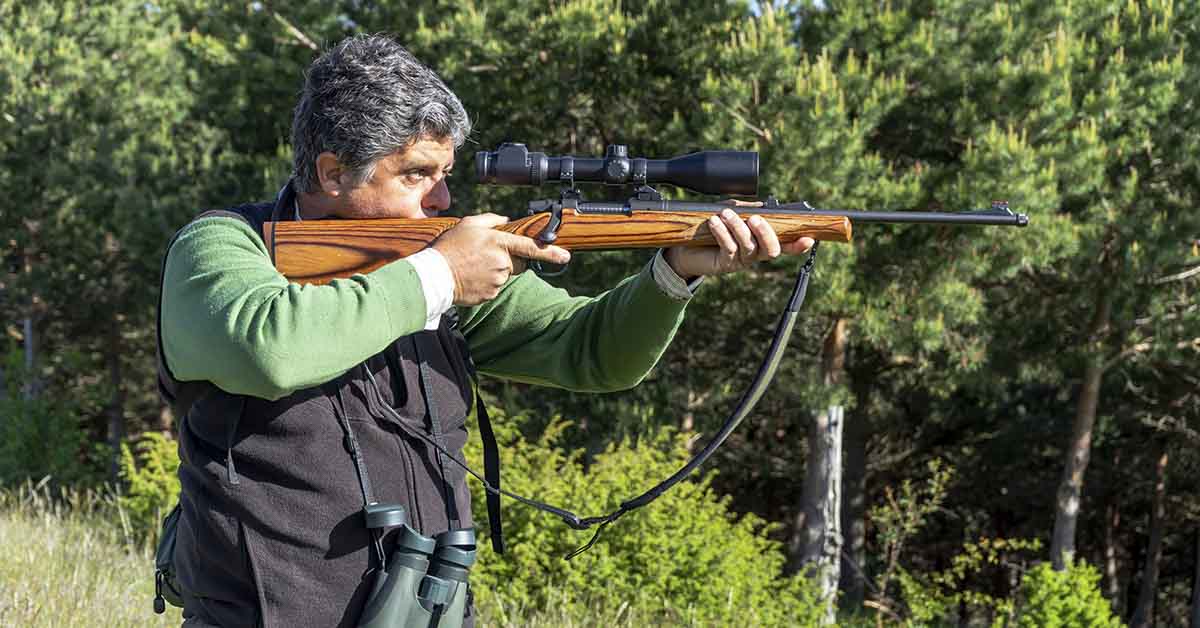
Italian prosecutors are now testing one of the most disturbing claims to emerge from the Bosnian war. During the siege of Sarajevo, wealthy foreigners allegedly paid huge sums to join Bosnian Serb snipers. They are accused of firing at civilians as a kind of human safari. For decades, stories about sniper safaris and “weekend snipers” circulated as rumors. Many observers dismissed them as too grotesque to believe, or too convenient as an explanation for random cruelty. That changed when Milan prosecutors opened a homicide inquiry into alleged trips where foreign visitors paid to shoot civilians. The investigation followed a complaint by Italian writer Ezio Gavazzeni, who drew on testimony, press archives, and a 2022 documentary titled Sarajevo Safari.
The case has now attracted attention from Bosnian officials, international lawyers, and politicians in other countries. It forces an old question back into public view. Were civilians killed only as part of a military strategy, or also as targets in a paid human safari designed for outsiders seeking “weekend” thrills? This article explores what is known so far and where the human safari narrative comes from. It explains how the allegations connect to the wider pattern of sniper attacks that shaped daily life in Sarajevo. It also describes why survivors, investigators, and former soldiers still disagree about whether sniper safaris ever existed. Finally, it considers what this new investigation can and cannot offer the city today. Sarajevo still lives with sniper scars in its streets, buildings, and family histories.
A Siege Built around Snipers
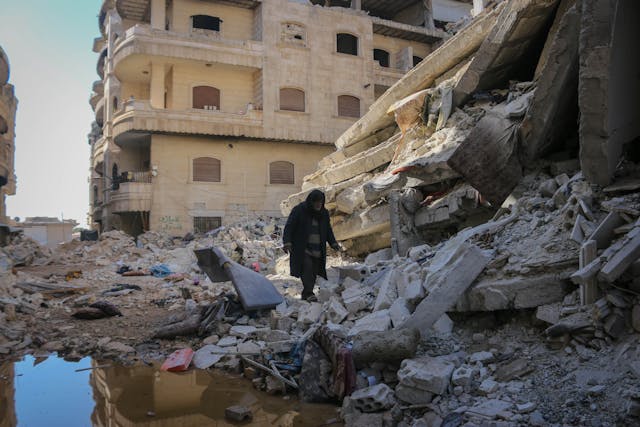
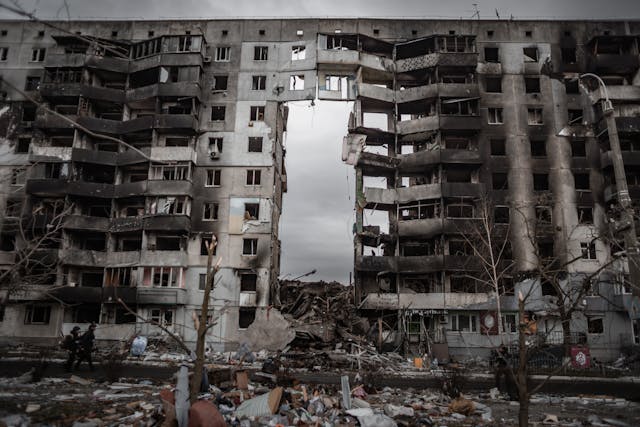
To understand the human safari allegations, you first need the siege itself. From 1992 to 1996, Sarajevo was encircled by Bosnian Serb forces. They held positions on the surrounding ridges and many tall buildings inside the city. Civilians rushed across streets, carried water under fire, and used improvised shields to move between blocks. The city’s main boulevards became killing zones whenever snipers chose to open fire on pedestrians. More than 10,000 people were killed in Sarajevo by shelling and sniper fire during the siege. A stretch of Meša Selimović Boulevard became notorious as “Sniper Alley”, where residents sprinted between ruined trams, burned cars, and shattered storefronts.
International crews filing reports from the nearby Holiday Inn hotel filmed people ducking and running as bullets struck concrete and glass around them. The city’s geography made this terror easier. Sarajevo lies in a basin, ringed by high ground that offers a clear view of streets below. The International Criminal Tribunal for the former Yugoslavia later concluded that the sniper campaign had a clear purpose. In several verdicts, judges said the objective was “to terrorize the civilians.” Judge O-Gon Kwon described how “Sarajevo civilians were targeted by snipers while going to fetch water.” He added that gunmen fired at children as they played, walked with parents, returned from school, or rode bicycles. In that landscape, almost any journey could become a life-threatening gamble. It was also fertile ground for later talk of sniper safaris and “weekend hunters.”
Rumors of Human Hunters
Image credit: Pexels
Stories about foreigners paying to shoot civilians did not begin in 2025. Italian writer and journalist Ezio Gavazzeni first encountered them in the 1990s. Italian newspaper Corriere della Sera mentioned alleged sniper tours, but without documentary proof that editors considered strong enough. Sarajevans themselves swapped stories about “human hunters” and wealthy visitors who supposedly arrived for short, intense trips. According to later accounts, these visitors observed the siege from hillside positions and sometimes pulled the trigger. Over time, these stories hardened into a dark urban legend. Bereaved parents spent decades wondering why particular children were targeted. One father asked why a sniper would aim at a “50 to 60 centimeter target” instead of his wife standing nearby.
For families like his, the human safari concept was not just some abstract idea. It offered one possible explanation for cruelty that otherwise defied sense. At the same time, journalists knew that atrocity rumors can spread quickly during war. Some reporters heard versions of the story but never published them, because there were no names, documents, or corroborating witnesses. That tension remains to this very day. Survivors remember whispers about strangers with expensive rifles and unusual equipment. Investigators must decide which fragments reflect reality and which grew from trauma, rumor, or deliberate propaganda. The new Milan case attempts to move the sniper safaris narrative out of rumor and into a courtroom, where those details can finally be tested.
The Human Safari Documentary
The modern human safari debate exploded after the 2022 documentary Sarajevo Safari by Slovenian director Miran Zupanič. The 75-minute film focuses on the story of a human safari that “has remained concealed from the public eye.” It presents testimony from a former Serb soldier and a civilian contractor, who claim that wealthy foreigners joined snipers in positions overlooking Sarajevo. According to them, visitors from Western countries, Russia, and elsewhere paid high fees to shoot at civilians as a form of war tourism. The documentary suggests that only “a select few were aware” of these alleged sniper safaris. It portrays a small, clandestine group of foreign guests, aided by elements of the Bosnian Serb army. For viewers who had already lived through the siege, those claims opened old wounds.
For many others, the film was the first time they had heard of these “human safaris” in Sarajevo. The film circulated at festivals and on specialist platforms, attracting attention in Slovenia, Bosnia, and other parts of Europe. Reactions in Republika Srpska were immediate and furious. Veteran groups and officials denounced the film as “propaganda” and “heinous lies about the VRS,” the Bosnian Serb army. They argued that it smeared all Serb fighters by presenting unproven allegations as established fact. Yet the film also prompted legal moves. Benjamina Karić, then a Sarajevo mayor, filed a criminal complaint in Bosnia after watching the premiere. Her initiative, combined with later Italian reporting, helped push the human safari story from cinema screens into prosecutors’ offices.
Ezio Gavazzeni and the Milan Investigation
Gavazzeni, who usually writes about terrorism and the mafia, decided to reopen the human safari trail after seeing Sarajevo Safari. He contacted Zupanič, sifted old newspapers, and looked for witnesses who had remained silent for years. With help from former investigating judge Guido Salvini and another experienced lawyer, he gathered material from across northern Italy. The team wanted to test whether Italians had joined what survivors were calling a “war safari.” Over months, Gavazzeni assembled a 17-page file. It reportedly includes testimony from a Bosnian military intelligence officer and a report by Benjamina Karić. The file describes “very wealthy people” with a passion for weapons who allegedly paid to kill civilians from the hills around Sarajevo.
According to summaries, they were not motivated by politics or ideology, but by excitement, status, and the chance to fire at human beings. Some testimonies speak of far-right sympathisers and hunting enthusiasts who saw sniper safaris as an extreme sport. In early 2025, Gavazzeni filed his complaint in Milan. Prosecutors led by Alessandro Gobbi opened an investigation into “voluntary murder aggravated by cruelty and abject motives.” Italian law allows such crimes to be pursued decades later, especially when suspects are Italian nationals. The case now seeks to identify weekend snipers who allegedly met in Trieste, traveled through Belgrade, and reached positions above Sarajevo. A spokesperson for Bosnia’s consulate in Milan said their government was “impatient to discover the truth” about such a cruel matter.
Alleged Routes and Prices
If the allegations are accurate, how would a human safari actually have worked? According to some Italian summaries, far-right sympathisers gathered in Trieste before continuing their journey east. Some reports say they flew with a Serbian charter airline to Belgrade and then traveled onward by helicopter or convoy. Others suggest overland routes through Serbia and into Bosnia, using military or intelligence contacts to bypass controls. The reported destination was usually the hills around Sarajevo, where Bosnian Serb forces had already established sniper positions. From those positions, foreign visitors allegedly watched civilians moving through streets, markets, and tram stops below. Some accounts claim that people from the United States, the United Kingdom, Russia, and other countries paid up to €100,000. The Week summarises witness accounts that describe “weekend snipers” who came for brief, intense experiences before returning home.
Some reports also link the alleged sniper safaris to existing networks of gun clubs and extremist groups in northern Italy. These networks are said to have supplied clients with contacts, money channels, and a plausible cover story for travel. Several sources discuss a macabre price structure. One complaint describes a “price list” for wealthy foreigners on the so-called “Sarajevo Safari.” Children were reportedly the most expensive targets, followed by women, then men, while the elderly could “allegedly be killed for free.” Tabloid coverage has repeated similar figures, sometimes converting them into dollars or pounds. None of these details has yet been tested in court. If proven, however, they would place the Sarajevo human safari among the most grotesque forms of paid violence documented in recent history.
Evidence Gaps and Denials

Despite the shock of the human safari claims, key questions remain unresolved. Many accounts still rest on a small group of witnesses whose memories reach back more than thirty years. During the Bosnian war, 1,601 children were killed, and thousands were wounded. Yet not a single sniper has been held personally accountable before Bosnian or international courts. That absence makes it harder to link specific bullets and positions with alleged paying tourists. It also helps explain why families remain so desperate for answers. Some who served in Sarajevo doubt that sniper safaris were feasible. British soldiers who served inside the city and on surrounding hillsides have said they never heard of “sniper tourism.”
They argued that transporting foreign civilians through many checkpoints, arming them, and placing them near UN forces would have been “logistically difficult to accomplish.” One soldier described the idea that foreigners paid to shoot civilians as an “urban myth.” Serbian veterans’ associations in Republika Srpska also categorically deny the allegations. They insist that Sarajevo Safari and later coverage present lies that demonise all Serb fighters. Legal experts warn, meanwhile, that intense media interest can turn unproven claims into hardened narratives. If investigations stall, the human safari story could drift into conspiracy territory, reshaped more by politics than evidence. That risk makes careful, transparent legal work especially important.
What the Courts will Need to Decide
The Milan investigation now sits at the intersection of rumor, testimony, and law. Prosecutors cannot simply show that atrocities occurred, because those killings are already extensively documented. They must prove that specific individuals paid for trips, traveled from Italy, and joined sniper positions around Sarajevo. They then need to show that these people knowingly took part in shootings treated as a human safari or sniper safaris. That work requires tracing bank transfers, tickets, and travel records and then matching them with credible witness statements. The charges under examination involve “voluntary murder aggravated by cruelty and abject motives.” Those charges carry no statute of limitations under Italian law, meaning time has not closed the door.
If prosecutors identify Italian citizens who joined such trips, they can still be brought before a court in Milan. Investigation in Bosnia has moved much more slowly. After Sarajevo Safari premiered in 2022, Bosnian prosecutors opened a file but released little public information. Benjamina Karić has repeatedly asked about progress and supplied new material as the Italian case developed. Former tribunal spokesperson Florence Hartmann has said investigators “were aware” of so-called “death tourism expeditions.” She also said, “It is extremely important that a judicial investigation has been launched and that those who organized it are identified.” Whether courts ultimately confirm or reject the human safari allegations, their reasoning will shape how future generations understand this part of the siege.
The Search for Justice
For survivors in Sarajevo, the investigation is not only about Italian suspects or human safari logistics. It also reopens painful questions about why particular people were targeted. One Sarajevo mayor said, “That rich people came to Sarajevo on weekends to kill our children – it’s the darkest thing one can imagine.” Some families feel a small hope that someone might finally be held accountable for specific sniper attacks. Others fear that sensational coverage risks turning their suffering into a morbid spectacle consumed far from the city that endured it. The sniper safaris debate also highlights deeper gaps in justice for Bosnian war crimes. Thousands of cases remain unresolved, and many suspected perpetrators live freely in Bosnia, Serbia, and other countries. Human rights groups have long warned that stalled prosecutions erode trust in courts and create space for denialist narratives.
If the Milan probe progresses, it could demonstrate that even late investigations still matter. A narrowly focused case about alleged human safaris might not answer every question, but it could acknowledge some victims by name. At the same time, there is a risk that the human safari story overshadows many other documented crimes that shaped the siege. Sniper terror affected people regardless of whether outsiders were present on specific days. For many in Sarajevo, justice would include thorough work on all patterns of shelling and shootings, not only the most sensational allegations. Whatever Italian prosecutors conclude, the basic facts remain. Civilians in Sarajevo were deliberately targeted. Their families are still waiting for legal systems to reflect the full horror they endured, instead of leaving these years to live only in rumor, documentaries, and the memories of those who survived.
Read More: Clairvoyant Who Foresaw World War I Makes Startling Prediction for 2026