
Human beings are not the only ones with a sweet tooth. Fruit bats are named after their love of sugary fruits. In fact, they can eat double their body weight in fruit, which is their main source of food. Unfortunately, a similarly sugar-rich diet is unhealthy for people. It can cause blood glucose levels to spike and crash repeatedly. Over time, this can cause metabolic stress, fat buildup in the liver, weight gain, and insulin resistance. These are precursors to prediabetes, type 2 diabetes, kidney disease, and heart disease. So what element of fruit bat biology allows them to eat so much sugar? Researchers investigate this to find a new and improved diabetes treatment.
The strange diet of fruit bats
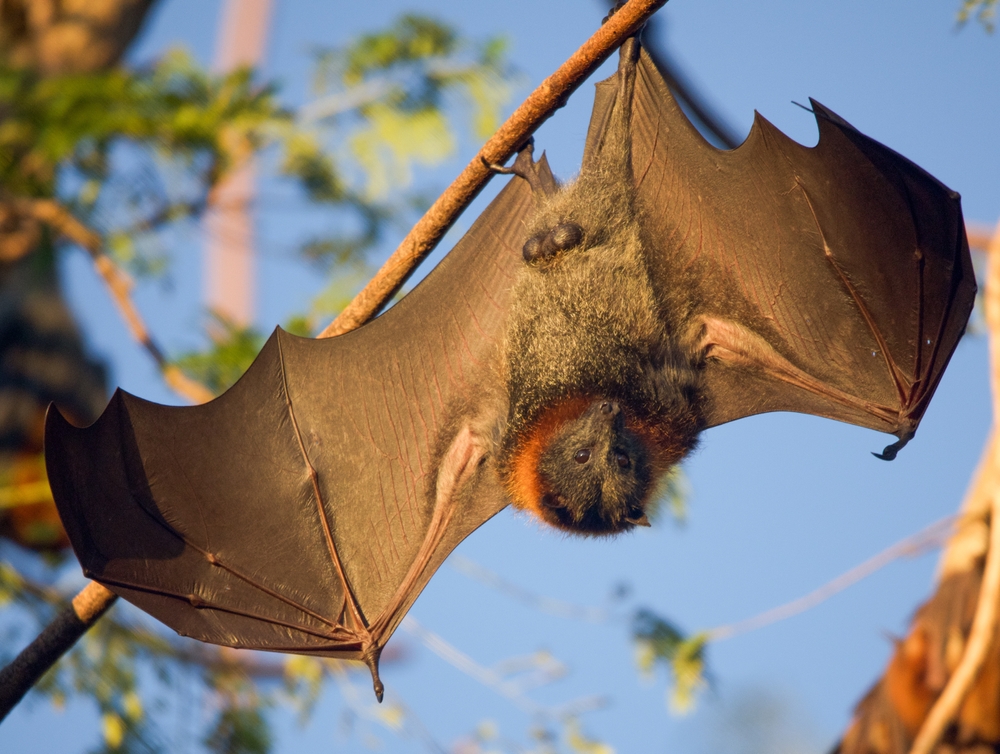
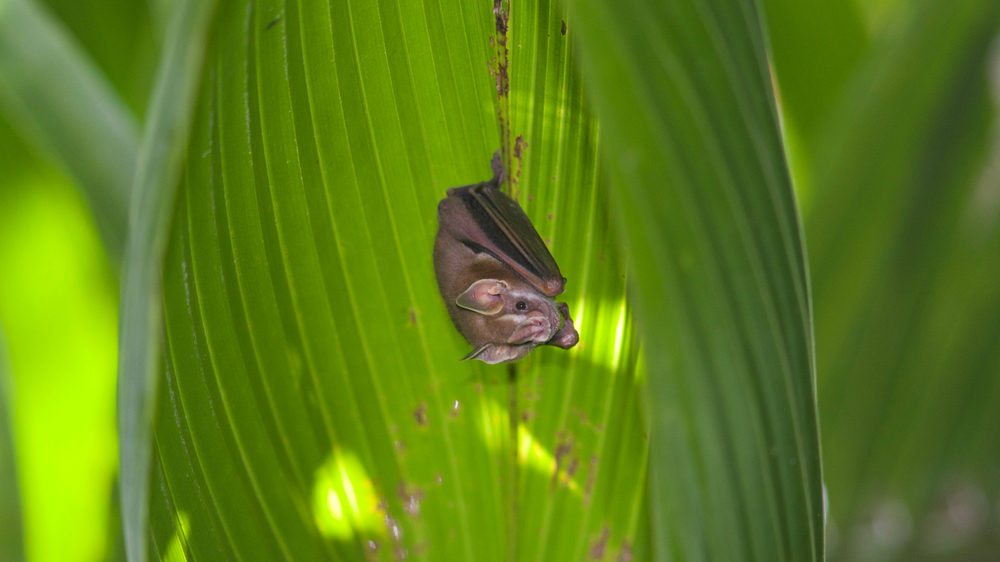
Fruit bats are a group of bat species from the Pteropodidae family. According to A-Z Animals, there are 42 types across Africa, Australia, Asia, and South America. They eat a sweet diet of fruit, sap, nectar, and pollen. Some are pollinators, just like bees. But while bees transfer nectar while hopping from flower to flower, bats spread pollen over long distances. They also disperse fruit seeds when they consume the juice and spit out the pulp.
When these bats eat, their blood sugar levels spike and yet it doesn’t harm them the same way it does to humans. “These bats control sugar like it was nothing,” said Nadav Ahituv, the director of the Institute for Human Genetics at the University of California San Francisco. He and his colleagues published a 2024 study investigating bat biology to find a new diabetes treatment.
According to Wei Gordon, a biologist at Menlo College, and study co-author, bats use the spiked sugar levels to power their search for their next meal. ”They are really dependent on having sugar ready to go in their system to fuel their lifestyle,” she said to NPR. Within half an hour of eating, the bats’ sugar levels return to their pre-meal state. “So the question is,” Gordon said, “how do they bring [their blood sugar] down so low, so quickly? How can they handle it without acquiring some sort of metabolic disease?”
Why don’t bats have diabetes?
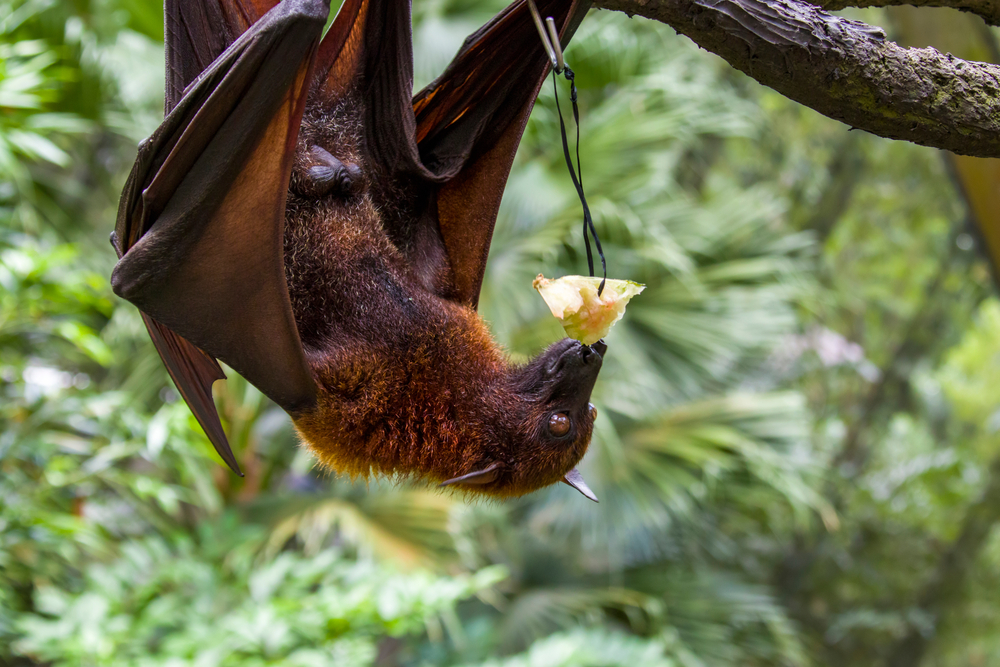
Image credit: Shutterstock
To find out, the team compared fruit bats to bats with an insect-based diet, which is high in protein and low in sugar. Going in, the scientists were already aware of the starkly different appearances of the kidneys and pancreases of these species. So they began to compare the genes and cells in these organs. “And what was really exciting is that in fruit bats, we did see a lot more cells that are responsible for maintaining your blood sugar,” said Gordon. More specifically, the fruit bats had more insulin-producing cells in their pancreas compared to the insect-eating bats.
But insulin is not the only answer. Jasmin Camacho, an evolutionary biologist at the Stowers Institute for Medical Research in Missouri, believes exercise plays a large role in the bats’ glucose levels. She gives the example of the Glossophaga mutica bat that eats nectar and consumes more sugar than fruit bats. “Their biology is so extreme,” she said. “They’ll go around foraging up to 800 flowers a night. So that’s basically like every night, they’re eating their body weight in sugar…” Doing the same could be fatal to humans, and yet the bats stay healthy. And while fruit bats lower their high blood sugar levels with insulin, “nectar bats can tolerate high blood glucose levels, similar to what is observed in people with unregulated diabetes,” said Camacho in a press release. “They have evolved a different mechanism, and it does not seem to depend on insulin.”
How exercise affect blood glucose levels
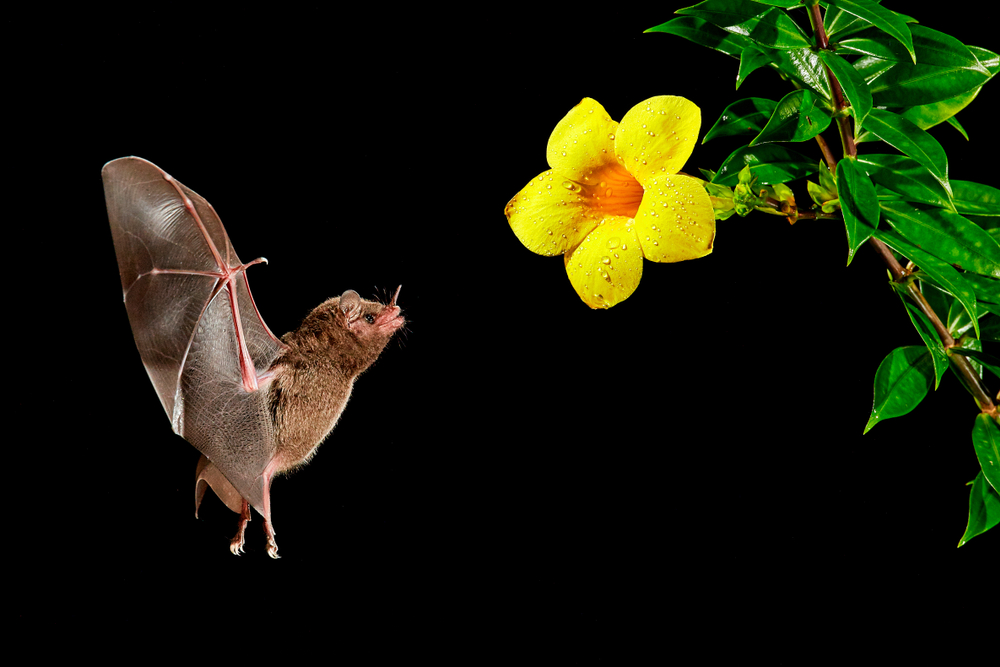
Image credit: Shutterstock
As a result, Camacho believes that exercise is central to maintaining the bats’ health. Nectar-feeding bats are like nighttime hummingbirds that can hover as they feed from flowers. They have a fast metabolism that sustains their rapid, energy-demanding way of flying. These bats may keep the sugar circulating in their bloodstream as they seek their next meal. Exercise has a similar effect to insulin since it stimulates glucose uptake. For that reason, diabetics who rely on insulin injections need to consider their activity levels when dosing themselves. For instance, they may give themselves less insulin before a meal if they are planning to hike afterward.
Therefore, Camacho is curious about how bat biology uses exercise to regulate blood sugar as opposed to human biology. “Maybe that can teach us some things about how to be healthier in our lives,” said Camacho. She hopes this can lead to a new treatment or prevention method for obesity and type 2 diabetes. “There’s a lot that we can learn from how they’ve come to thrive on the sugar diet.”
New research into diabetes treatment
Camacho led a 2024 study comparing dietary adaptations of 22 bat species, including those that eat fruit, insects, nectar, meat, fish, and blood. “Our study reports blood sugar levels that are the highest we have ever seen in nature. What would be lethal, coma-inducing levels for mammals, but not for bats,” said Camacho. “We are seeing a new trait we didn’t know was possible.”
Although the researchers are far from understanding how bats function, this study is an important resource for further trials. “The datasets will fuel future research that aims to differentiate mammalian dietary differences and could progress the development of novel therapeutics for a variety of metabolic diseases in humans,” said Ahituv.
The study recorded bat blood glucose levels over 750 mg/dL, which is higher than any other mammal. This is a testament of how well this species has adapted to a sugar-filled diet. “We have uncovered key insights into the gut’s role in regulating blood glucose levels, a critical factor in the risk of developing diabetes,” said Camacho to Interesting Engineering. “These findings underscore the duodenum [a part of the small intestine] as a crucial regulator of blood glucose and a promising target for future treatments aimed at reducing sugar absorption after meals to improve glycemic control in the fight against the human diabetes epidemic.”
Read More: Can GLP-1 Drugs Help People Without Diabetes Lose Weight?
Read More: Widely Used Diabetes Drug Tied to Remarkable Longevity in Women