
Most women have been told some version of the same story about aging: that staying youthful requires an ever-growing collection of creams, serums, treatments, and beauty products. Yet when dermatologists study women whose skin remains healthy and vibrant well into later life, they often find that the biggest differences come not from expensive interventions, but from a handful of consistent daily habits.
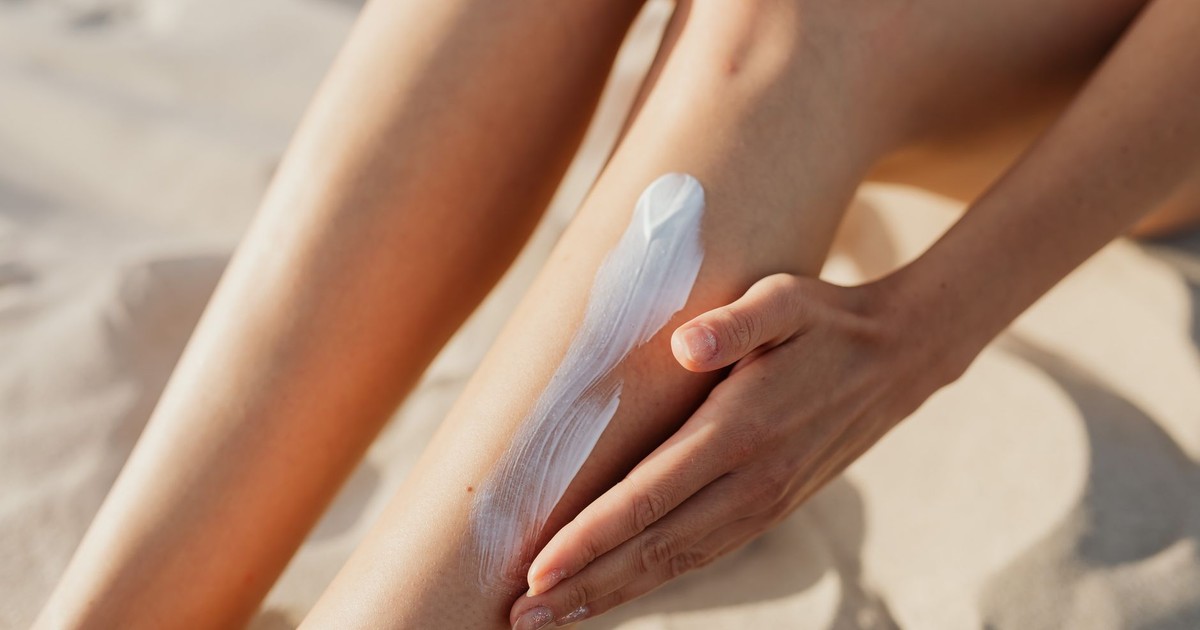
In a 4.5-year study of 903 adults, daily sunscreen users recorded 24 percent less skin aging than people who applied it only occasionally – and the daily-use group showed no detectable increase in skin aging at all over that period. That single finding, published in the Annals of Internal Medicine, overturns the common assumption that anti-aging results require expensive products or clinical procedures. The mechanism behind it leads directly to the other beauty habits for older women that hold up the same way: they work on skin biology, not on masking what’s already happened.
Fine lines don’t just appear from nowhere. They follow from collagen loss, oxidative damage, dehydration, and inflammation – all of which daily choices either accelerate or slow. Dermatologists who study skin aging at a cellular level keep returning to the same handful of behaviors because they address these drivers directly.
Six of those habits, each backed by clinical research, consistently distinguish women whose skin looks vibrant decade after decade.
1. Wear Broad-Spectrum Sunscreen Every Single Day

Daily sunscreen use produces measurably less skin aging over time. UV exposure is one of the primary accelerators of visible facial aging, because ultraviolet light drives the breakdown of collagen and elastin and causes DNA damage that can lead to skin cancer. Collagen is the structural protein that keeps skin firm and plump, so anything that degrades it faster than your body can rebuild it shows up on your face.
Your body produces less collagen as you age, and existing collagen breaks down at a faster rate – and the quality of that collagen is lower than when you were younger. Layering UV damage on top of that natural decline is the fastest route to premature aging. Dermatologists recommend choosing sunscreen labeled “broad spectrum” to ensure protection against both UVA and UVB rays, with most skin specialists now recommending SPF 30 or above for daily facial use. Apply it every morning, regardless of the season, and reapply if you’re spending extended time outdoors.
2. Prioritize Hydration – Inside and Out

As skin ages, it becomes less efficient at retaining moisture. Oil production gradually declines, the skin barrier becomes more fragile, and dehydration becomes more noticeable in the form of dullness, rough texture, and fine lines. While no amount of water can erase wrinkles, staying adequately hydrated helps support the skin’s structure, elasticity, and ability to repair itself. Even mild dehydration can make skin appear less plump and accentuate signs of aging that are already present.
Part of this age-related shift involves a decline in hyaluronic acid, a naturally occurring molecule that helps the skin attract and retain water. As levels decrease over time, skin becomes more prone to dryness and loss of volume. Topical ingredients such as hyaluronic acid and glycerin can help draw moisture into the outer layers of the skin, improving hydration and giving skin a smoother, fuller appearance.
Hydration works best from both directions. Applying a fragrance-free moisturizer after showering helps lock water into the skin, while consistent fluid intake helps support hydration throughout the body. Research from the NIH’s National Heart, Lung, and Blood Institute has linked chronic underhydration to accelerated biological aging and an increased risk of chronic disease. Drinking enough water won’t stop aging, but it can help your skin function at its best. If your skin frequently looks dull, feels tight, or appears less supple first thing in the morning, hydration may be one of the simplest factors worth addressing.
3. Protect Your Sleep Like It’s a Skincare Investment

Sleep is when your skin does its most active repair work. Healthy collagen networks depend on enzymatic processes that are most active during cellular repair cycles, and no anti-aging serum can replicate what happens in those overnight hours. A randomized controlled trial found that good sleepers had significantly lower intrinsic skin aging scores compared to poor sleepers – meaning measurably fewer wrinkles and better overall skin condition, as reported in research published in Clinical and Experimental Dermatology.
Cortisol is a vital hormone, but prolonged elevation due to stress is detrimental to dermal health – when stress becomes chronic, high cortisol levels continuously circulate, leading to systemic inflammation. Sleep deprivation raises cortisol directly, which accelerates the breakdown of collagen and elastin in the dermis. Seven to nine hours of quality sleep isn’t rest for its own sake – it’s the window your skin has to rebuild what the day damaged.
4. Lift Weights

Most conversations about exercise and skin focus on cardio, but research suggests resistance training may play an important role in skin structure as well. In a 16-week intervention study led by researchers at Ritsumeikan University and published in Scientific Reports in 2023, 61 sedentary middle-aged women were assigned to either aerobic or resistance training. Both forms of exercise improved skin elasticity and upper dermal structure, while resistance training additionally increased dermal thickness.
The study also found that resistance training improved markers of the skin’s extracellular matri, the structural network that supports firmness and elasticity—while reducing inflammatory factors associated with skin aging. Together, these changes point to exercise influencing not just circulation, but the underlying biological structures that contribute to firmer, more resilient-looking skin.
5. Eat to Support Collagen

For women specifically, the daily sunscreen group showed no detectable increase in skin aging after 4.5 years – but diet is the other side of that same coin. A 16-week study in middle-aged Japanese women confirmed that both resistance training and aerobic exercise significantly improved skin elasticity and upper dermal structure, while dietary choices shape the raw material that skin is made from. Data from Cedars-Sinai notes that women can lose up to 30% of their skin collagen within the first five years after menopause – a rate that no topical product fully compensates for on its own.
Diet is one of the most direct levers available. Vitamin C is essential for collagen biosynthesis. It acts as a cofactor for prolyl and lysyl hydroxylase, the key enzymes that cross-link and stabilize collagen fibers. Landmark research on this mechanism has been published in the Journal of the American Academy of Dermatology. Without adequate vitamin C, the body physically cannot build new collagen strands. It also protects existing collagen from UV-related breakdown. Foods richest in vitamin C include red bell peppers, kiwi, strawberries, and citrus fruits. A diet high in added sugar and ultra-processed foods can lead to premature aging by contributing to glycation – where sugar molecules bind to proteins like collagen and reduce its ability to function normally. Cutting back on refined sugar and processed food isn’t just a metabolic decision; it’s a direct investment in your skin’s structure.
A 2025 review in the journal Food Science & Nutrition confirmed that dietary antioxidants – including vitamins A, C, and E, as well as plant-based polyphenols found in berries, olive oil, and green tea – can effectively slow the visible aging process by neutralizing the free radicals that break down collagen. Aim for a plate heavy on color: dark leafy greens, orange and red vegetables, and berries cover most of the key antioxidant categories in a single meal.
Read More: The Only Proven Ways to Build Collagen and Fight Wrinkles According to Dermatologists
6. Manage Chronic Stress

Stress hormones are directly destructive to skin tissue. The link between cortisol and skin aging lies in its impact on collagen and elastin – excess cortisol activates enzymes called matrix metalloproteinases (MMPs), which actively break down these structural proteins. These are the same hormones your body releases during short-term danger, but when they stay elevated over weeks and months, they begin degrading the structural proteins that keep skin looking firm and even-toned.
Prolonged cortisol elevation due to chronic stress is detrimental to dermal health; when stress becomes chronic, high cortisol levels continuously circulate, driving systemic inflammation and accelerating skin aging. A 2024 review in Frontiers in Medicine confirmed that chronic psychological stress significantly impacts skin appearance through elevated cortisol and epinephrine (adrenaline). Daily habits that meaningfully lower cortisol – consistent sleep, regular exercise, time outside, even a brief mindfulness or breathing practice – protect skin the same way sunscreen does, just from the inside. A 10-minute walk after dinner doesn’t feel like a beauty routine, but the hormonal effect on your skin is real and cumulative.
What This Means for You
Sunscreen slows collagen degradation from UV exposure. Hydration maintains the skin’s structural moisture barrier. Sleep enables nightly cellular repair and keeps cortisol in check. Resistance training drives measurable improvements in dermal thickness and elasticity. A diet rich in vitamin C and antioxidants, low in refined sugar, gives your skin the raw materials it needs and removes the ones that accelerate breakdown. Managing chronic stress reduces one of the most consistent biochemical threats to collagen and skin structure.
None of these beauty habits for older women require expensive products or clinical interventions. Most cost nothing. What they do require is consistency – which is exactly why the women who look noticeably healthy at 55 and 65 tend to have had these habits in place for years, not weeks. Pick the one you’re most inconsistent with right now and build that first. The cumulative effect, over months and years, is the result you’re looking for.
Disclaimer: This information is not intended to be a substitute for professional medical advice, diagnosis, or treatment and is for information only. Always seek the advice of your physician or another qualified health provider with any questions about your medical condition and/or current medication. Do not disregard professional medical advice or delay seeking advice or treatment because of something you have read here.
AI Disclaimer: This article was created with the assistance of AI tools and reviewed by a human editor.
Read More: 10 Anti-Inflammatory Foods You Should Be Eating, According to Registered Dietitians