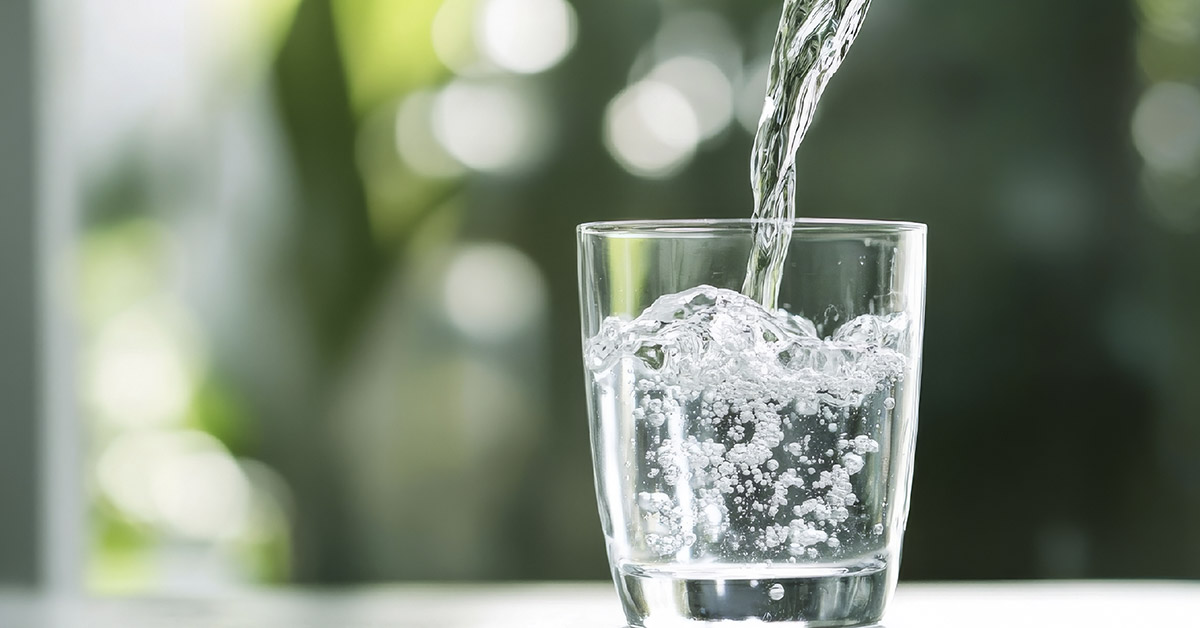

Water is essential for health and survival. It plays a critical role in almost all bodily functions, including digestion, kidney detoxification, joint lubrication, body temperature regulation, brain function, and so much more. However, it may not be the best beverage for hydration, according to a study from St. Andrews University in Scotland. In it, the researchers compared how the body responds to different drinks using a new tool called the Beverage Hydration Index (BHI) and water was surprisingly not the most hydrating.
What’s Wrong With Water?
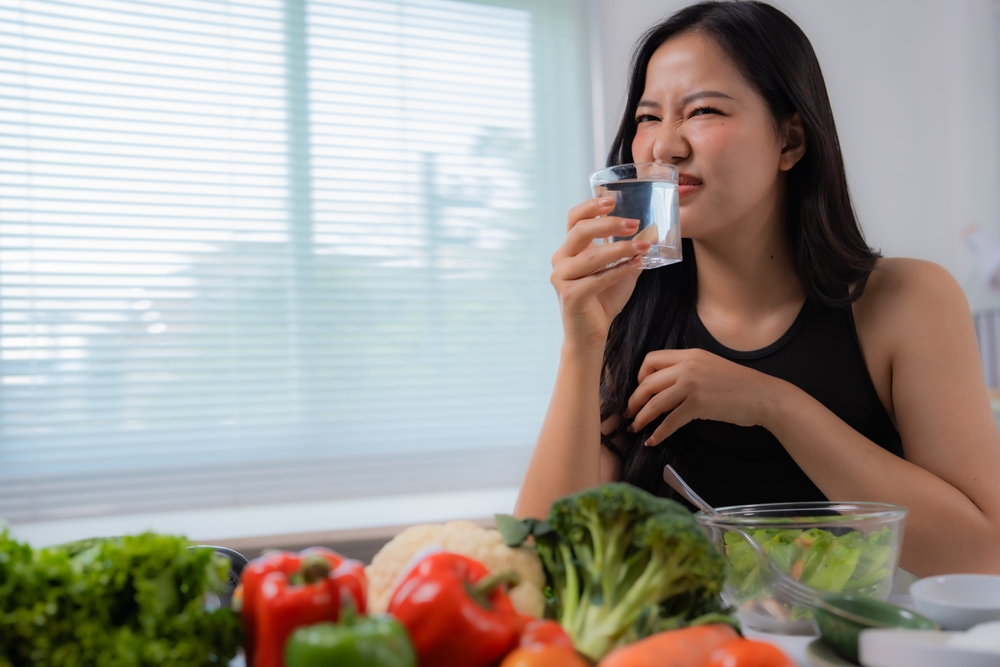
Make no mistake; the researchers confirmed that plain and sparkling water does a good job of quickly hydrating the body. However, drinks with some sugar, fat, or protein did a better job at maintaining hydrating for a longer period of time. This is due to several factors, according to study author Ronald Maughan, who is a professor at St. Andrews’ School of Medicine. He gives the example of volume. In other words, the more a person drinks, the faster the body absorbs it.
Nutritional Content
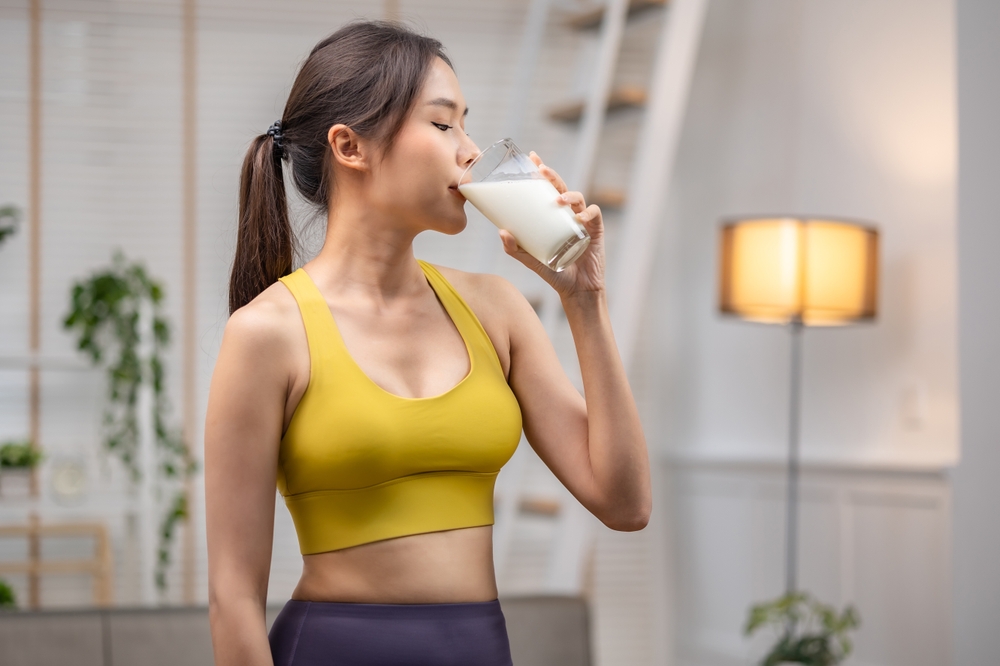
A second factor is the nutrients in the beverage. For this reason, the team found milk to be more hydrating than water because of its content of sugar lactose, fat, and protein. These ingredients slowed the absorbing process, keeping the fluid in the stomach to be diluted over a longer span of time. Additionally, milk has sodium, which holds on to water and makes the body produce less urine.
Read More: Stay Hydrated: 9 Water Types and Top Brands You Should Try
The Power of Electrolytes
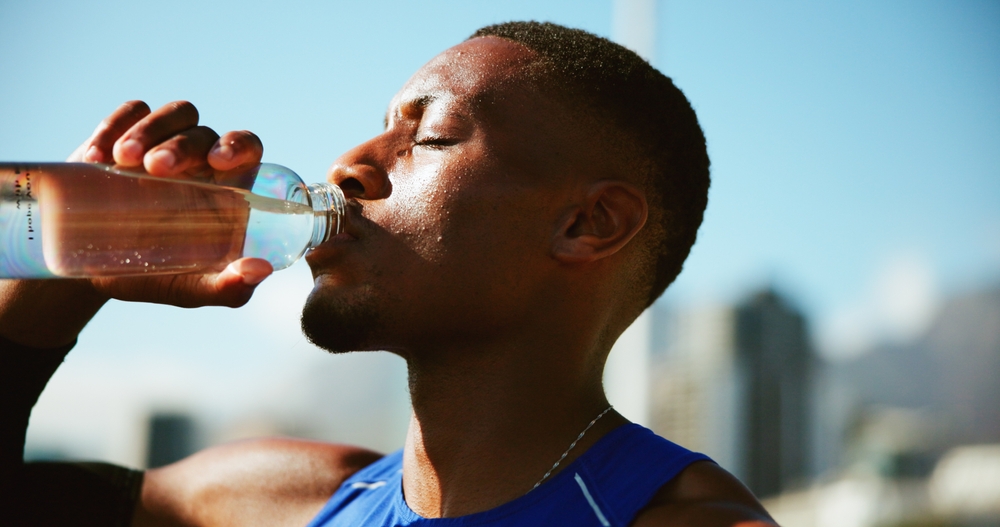
In that way, milk had a similar effect as oral rehydration solutions, which are made of primarily salts and sugar. “This study tells us much of what we already knew: Electrolytes — like sodium and potassium — contribute to better hydration, while calories in beverages result in slower gastric emptying and therefore slower release of urination,” said Melissa Majumdar to CNN. The registered dietitian, personal trainer and spokesperson for the Academy of Nutrition and Dietetics was not involved in the study.
Sugary Drinks For Hydration?
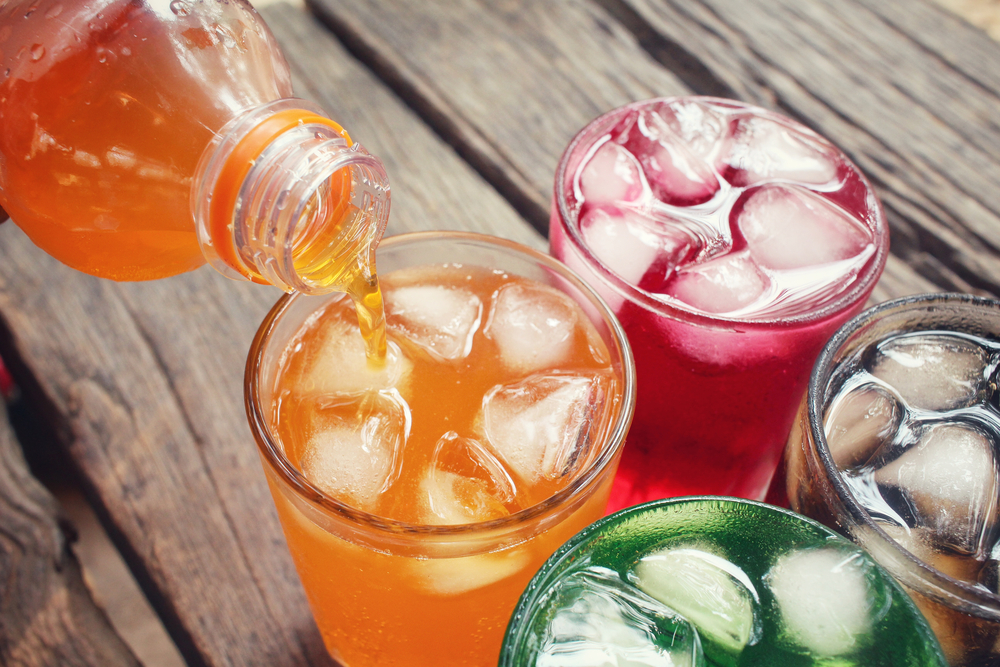
However, all sugary drinks are not the best for hydration. Some sugar content, such as in milk, can be beneficial, but fruit juices and sodas are less effective. They linger in the stomach and empty slower than plain water, but fluid has to get “pulled” into the small intestine to dilute the high amount of sugar. Plus, juice and soda come with “empty” calories that fill up the stomach without providing the sustenance from solid food. So if the choice is between water or sugary drinks, go with water, advises ZME Science.
What About Alcohol?
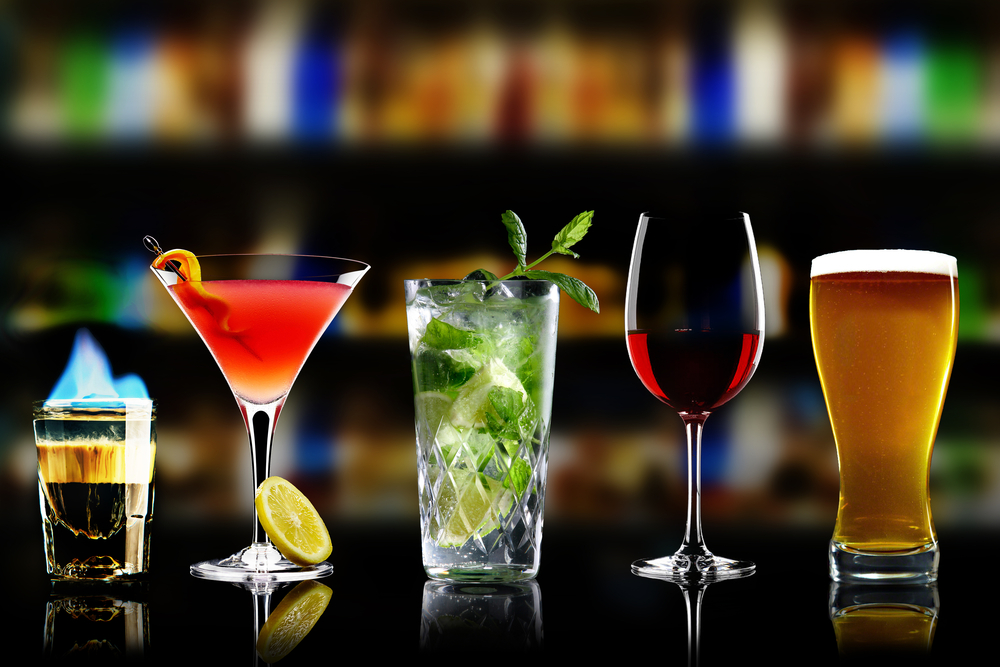
Coffee and alcohol tend to be worse at hydrating compared to sugary drinks. First off, alcohol acts as a diuretic that causes more urination. So the volume of the drink will indicate how hydrating or dehydrating it might be. “Beer would result in less water loss than whiskey, because you are ingesting more fluid with beer,” Maughan said. “Strong alcoholic drinks will dehydrate, diluted alcoholic drinks will not.”
What About Coffee?
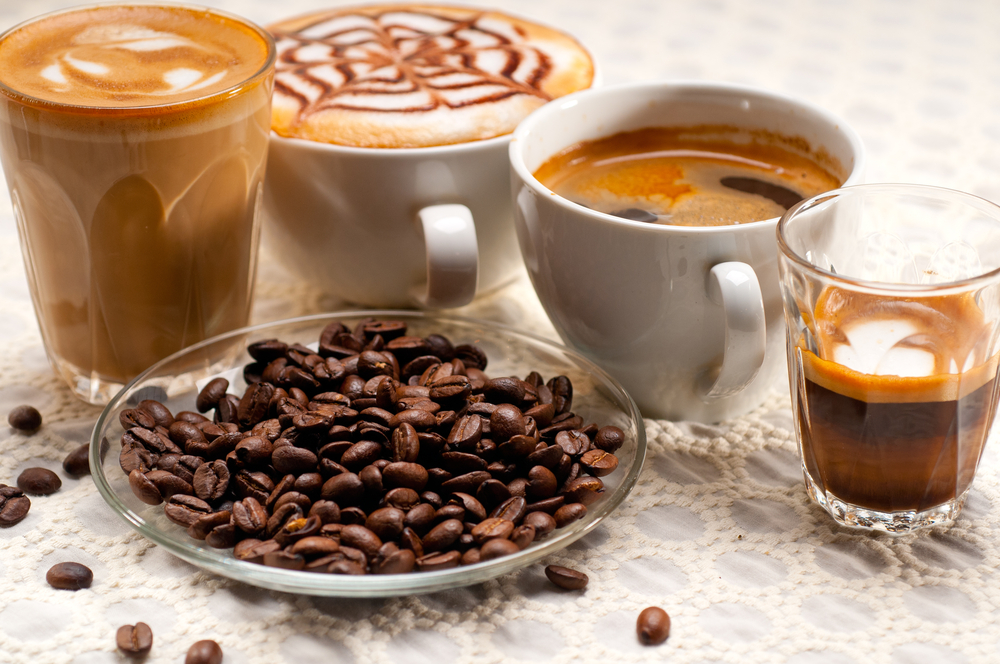
The hydrating or dehydrating effects of coffee also depends on volume, in this case, of caffeine. A standard coffee with about 80 mg of caffeine would be roughly as hydrating as water, says Maughan. However, consuming 300 mg or more can create a diuretic effect that can contribute to dehydration, according to the study. Previously, it was commonly believed that coffee causes dehydration, but this is not the case unless you’re downing a chain of espresso shots.
The best drinks for hydration according to the BHI
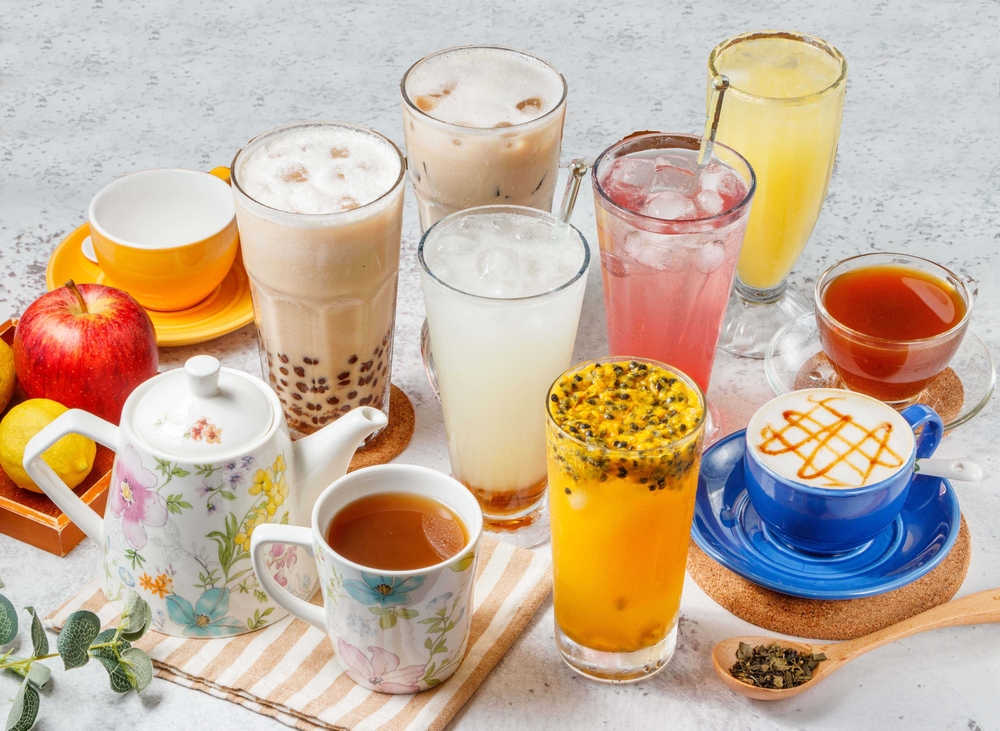
The BHI offers general guidance on which beverages tend to support hydration more effectively than others. While water is often the go-to, a few other options may perform just as well, or even better, in certain situations. Some drinks might help the body retain fluids longer, depending on their ingredients. The exact rankings can vary, but the focus remains on what helps keep the body balanced.
- Skimmed milk – This has the highest BHI score and contains protein, lactose, sodium, and potassium.
- Oral rehydration solution – It tends to retain more fluid than skimmed milk, and contains sodium, potassium, and a small amount of sugar.
- Full-fat milk – The fat content slows fluid loss but there is slightly less water content compared to skim milk.
- Orange juice – It retains fluids but the sugar content can offset this benefit.
- Still water – This is the baseline BHI score, and provides fast hydration but less retention.
- Sparkling water – The score was similar to still water.
- Cola – Cola (and the rest of drinks on this list) scored under the baseline of plain water, in this case, due to its sugar content.
- Diet cola – Contains more caffeine than regular cola, but shouldn’t impact hydration.
- Sports drink – It’s balanced with sodium, potassium, and moderate sugar amount, but it’s no more hydrating than plain water.
- Lager beer – The dehydrating effect of alcohol is offset by the volume of fluid.
- Hot coffee – A standard coffee with moderate levels of caffeine shouldn’t have a diuretic effect.
- Hot tea – The caffeine content is too low to cause dehydration.
- Cold tea – Similar to the effect of hot tea.
“If you’re thirsty, your body will tell you…”
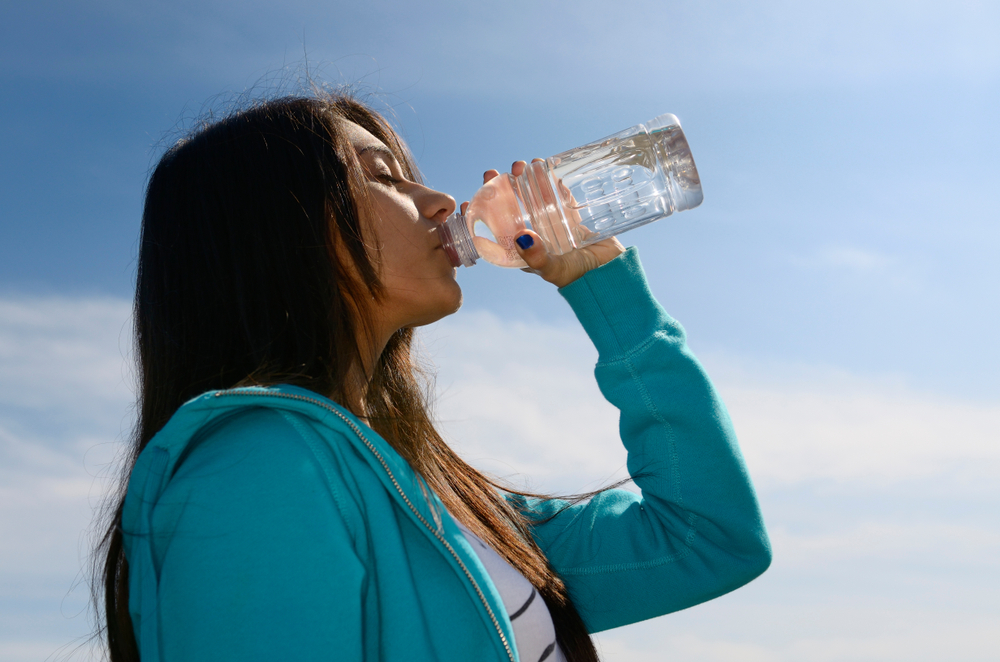
With that being said, Majumdar believes that most people do not need to stress about the hydrating capabilities of their beverages. “If you’re thirsty, your body will tell you to drink more,” Maughan said. However, issues may arise for athletes training in warm conditions, individuals with illnesses that cause vomiting or diarrhea, people with cognitive or mobile impairments that make drinking more difficult, or older people with a diminishing sense of thirst.
Read More: Why Drinking Water All Day Long Is Not the Best Way to Stay Hydrated