
Seitan, made from wheat gluten, packs roughly 25 grams of protein per 100 grams – more protein per calorie than chicken breast. Yet most people reaching for plant-based protein have never heard of it, let alone tried it. The gap between what the research identifies as the most effective plant-based protein sources and what actually ends up in people’s grocery carts is surprisingly wide.
That gap matters, because not all plant proteins are built the same. Some deliver a complete amino acid profile – meaning they contain all nine essential amino acids the body can’t produce on its own. Others fall short on certain amino acids, require pairing with other foods, or come loaded with sodium. A few ultra-processed options wear a “plant-based” badge while delivering a nutritional profile that barely improves on the meat they replace.
Whole-food plant proteins – lentils, chickpeas, tofu, edamame – are among the most affordable and well-studied foods available, with clinical research linking regular consumption to measurably lower risks of type 2 diabetes, cardiovascular disease, and certain cancers. Processed plant-based alternatives are a different story.
The complete vs. incomplete protein divide
A food must contain all nine essential amino acids to be considered a complete protein source – and that’s where plant proteins have historically gotten an undeserved reputation. Many plant foods are low or missing in one or two essential amino acids, which led decades of nutritionists to recommend careful “protein combining” at every meal.
Current evidence has shifted that picture. Well-structured and varied plant-based diets can deliver adequate protein, including all nine essential amino acids, without obsessive pairing at every meal. Eating a range of legumes, grains, and vegetables across the day naturally covers the full amino acid spectrum for most healthy adults.
Soy is a complete protein – it contains all nine essential amino acids – making tofu, edamame, and tempeh particularly reliable for anyone who wants protein simplicity without food math. Quinoa also qualifies as a complete protein. Chia seeds contain all essential amino acids as well, making them a useful addition to smoothies and oatmeal, even if their protein density per serving is modest.
The best options: what the evidence supports
Lentils are arguably the most underutilized plant-based protein in the Western diet. According to USDA FoodData Central, a cup of cooked lentils supplies 17.9 grams of protein and more than 15 grams of dietary fiber – exceeding the protein typically found in two large eggs or a 5-ounce container of Greek yogurt. They’re also one of the few protein foods that simultaneously deliver a significant fiber hit, which matters for blood sugar and gut health. A 2024 randomized controlled trial published in Nutrients found that adults consuming lentil-based midday meals over 12 weeks had significantly lower LDL cholesterol and post-meal blood glucose levels compared to those eating calorie-matched meat-based meals.
Tofu and edamame – both derived from soy – are among the most researched plant proteins in clinical literature. A 2024 systematic review and meta-analysis published in Nutrients found that high consumption of total soy products, tofu, and soymilk was associated with reduced total cancer risk across 52 studies. The American Cancer Society affirms that consuming soy foods is associated with a decreased or neutral effect on cancer risk – the decades-long worry about soy and hormones is not supported by current evidence in humans eating normal food amounts.
Seitan – vital wheat gluten, sometimes called “wheat meat” – is the highest-protein option on this list by a significant margin. Seitan is low in fat and carbohydrates while providing about 25 grams of protein per 100 grams, making it the closest plant equivalent to a chicken breast in pure protein density. The catch is a notable one: seitan is made entirely from wheat gluten, so it’s completely off-limits for anyone with celiac disease or non-celiac gluten sensitivity. It also lacks fiber entirely and is low in lysine – pairing it with beans or lentils across the day rounds out the amino acid profile.
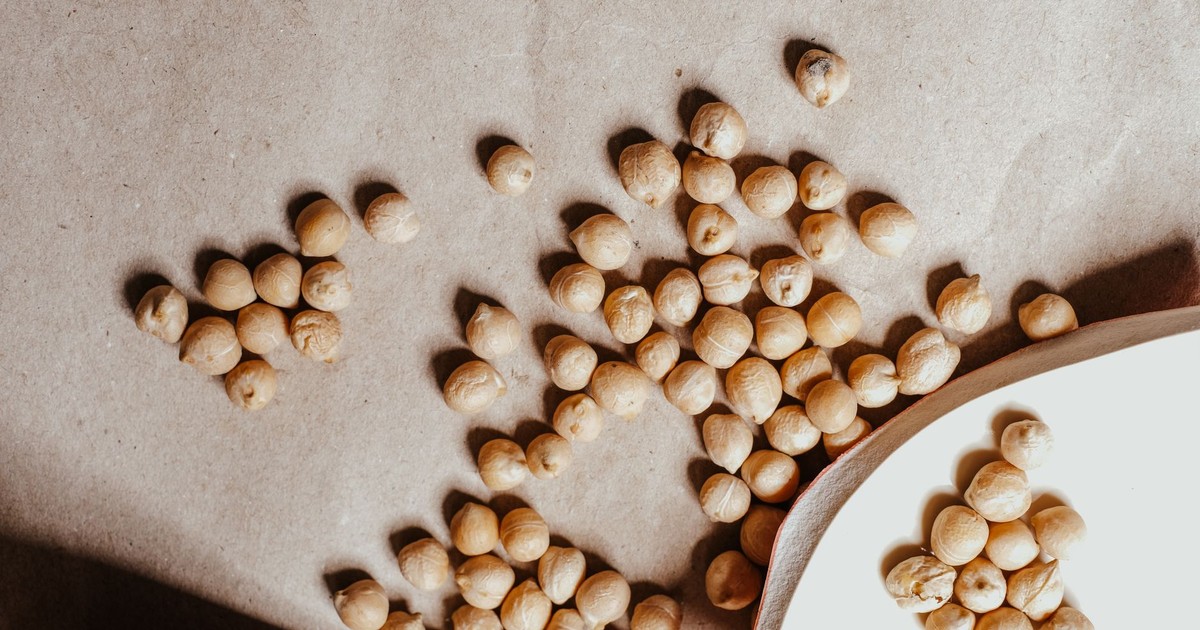
Chickpeas, black beans, and legumes broadly all land in similar nutritional territory: roughly 6 to 9 grams of protein per half-cup serving, combined with meaningful fiber and a low glycemic index. The protein numbers are more modest than seitan or lentils, but the fiber content and micronutrient density – iron, folate, magnesium – make legumes among the most nutritionally efficient foods available. People who eat legumes regularly see measurable health returns: a 2023 review published in Diabetes Care found that greater adherence to a plant-based dietary pattern was associated with a 23% decreased risk of type 2 diabetes.
Pea protein powder occupies a useful middle ground for anyone who wants a protein boost without soy or gluten. A standard 22-gram scoop delivers approximately 19 grams of protein with just 1 gram of fat. Pea protein is not complete on its own – it’s low in methionine – but it’s well-absorbed and causes fewer digestive complaints than whey for many people. Processed plant-based protein products can be deceptively high in sodium, and pea protein powders are no exception. Check labels carefully.
The worst options: where “plant-based” misleads
The worst plant-based protein choices aren’t necessarily ‘bad foods’ – they’re foods marketed as nutritional equivalents to meat that frequently fall short on the metrics that matter most.
Plant-based meat products – burgers, sausages, ground-meat substitutes – are the most prominent example. Research from the Good Food Institute shows plant-based meats average fewer calories and significantly less saturated fat than animal-based equivalents, but consistently higher sodium. That sodium gap is larger than it sounds. A 2024 study published in Nutrients found that plant-based meat alternatives averaged 660 mg of sodium per 100 grams, compared to just 60 mg per 100 grams for beef. Anyone managing blood pressure or cardiovascular risk needs to factor that in, because the sodium load in two plant-based burger patties can approach or exceed a full day’s recommended limit.
Ultra-processed plant-based cheeses, deli slices, and protein bars also tend to combine minimal actual protein – often 2 to 5 grams per serving – with long ingredient lists, added oils, and significant sodium. They’re convenience foods, not health foods, and labeling them “plant-based” doesn’t change that. If the ingredient list runs more than ten items deep and includes multiple gums, oils, and flavor extracts, the “plant-based” label is doing more marketing work than nutritional work.
The vitamin B12 problem no one talks about enough
Vitamin B12 is an essential nutrient not made by plants – unfortified plant-based foods are not a reliable source. B12 is critical for neurological function, red blood cell production, and DNA synthesis. Deficiency develops slowly and can be mistaken for fatigue, low mood, or cognitive fog – symptoms easy to attribute to a dozen other causes. According to the NIH Office of Dietary Supplements, people who eat little or no animal products need either B12-fortified foods or a supplement. Suitable fortified sources include certain plant milks, nutritional yeast, and some breakfast cereals.
What the long-term data actually shows
A 2025 meta-analysis published in Frontiers in Nutrition found that participants with the highest adherence to healthy plant-based dietary patterns had 19% lower risk of cardiovascular mortality and meaningfully lower all-cause mortality compared to those with the lowest adherence. A separate analysis tracking 78,151 people across three cohort studies found that those with the highest scores on a healthful plant-based diet index had 19 to 29% lower risks of all-cause, cardiovascular, and cancer mortality compared to those in the lowest quartile. These are observational findings – they show association rather than direct cause – but the consistency across multiple study designs and large populations adds real weight.
A 2025 systematic review and dose-response meta-analysis published in Food & Function – pooling 25 prospective studies – found that adherence to a healthy plant-based diet index was significantly associated with lower all-cause and cardiovascular mortality. High-fiber plant-based diets have also been shown to produce significant improvements in blood pressure, cholesterol levels, and glycemic management.
Read More: 10 ‘High-Protein’ Foods That Aren’t Actually As Protein-Packed As You Think
The environmental case is also compelling. Replacing meat and dairy with a diet built around whole plant proteins – including legumes and soy – has been associated with substantially lower diet-related greenhouse gas emissions.
Whole plant proteins are also consistently among the cheapest protein sources on any grocery shelf. Lentils, chickpeas, black beans, and tofu are dramatically less expensive per gram of protein than beef, chicken, or most processed plant-based alternatives.
What to do now
The single most effective move for anyone wanting better protein from plants: anchor your meals around whole-food sources first. Lentils, chickpeas, black beans, edamame, and tofu collectively deliver more protein per dollar than almost anything else on a grocery shelf, and they come with fiber and micronutrients that isolated protein powders and processed meat substitutes don’t. Legumes provide plant-based protein and resistant starch that feed protective gut bacteria – a benefit largely absent from most processed alternatives.
For people with irritable bowel syndrome or digestive sensitivity, the fiber content in legumes can initially cause bloating. FODMAPs – types of fermentable carbohydrates found in legumes, nuts, and grains – can trigger digestive issues in people with IBS. Starting with well-rinsed canned lentils or chickpeas, and increasing portion sizes gradually, usually resolves this over a few weeks as gut bacteria adapt.
People eating plant-based protein exclusively, or close to it, should add a B12 supplement or confirmed B12-fortified foods daily, check the sodium on any packaged plant product before buying it, and aim for variety rather than relying on one or two sources. A diet that rotates lentils, tofu, seitan (if gluten-tolerant), chickpeas, and quinoa across the week will cover protein and amino acid needs without obsessive tracking.
Disclaimer: This information is not intended to be a substitute for professional medical advice, diagnosis, or treatment and is for information only. Always seek the advice of your physician or another qualified health provider with any questions about your medical condition and/or current medication. Do not disregard professional medical advice or delay seeking advice or treatment because of something you have read here.
AI Disclaimer: This article was created with the assistance of AI tools and reviewed by a human editor.