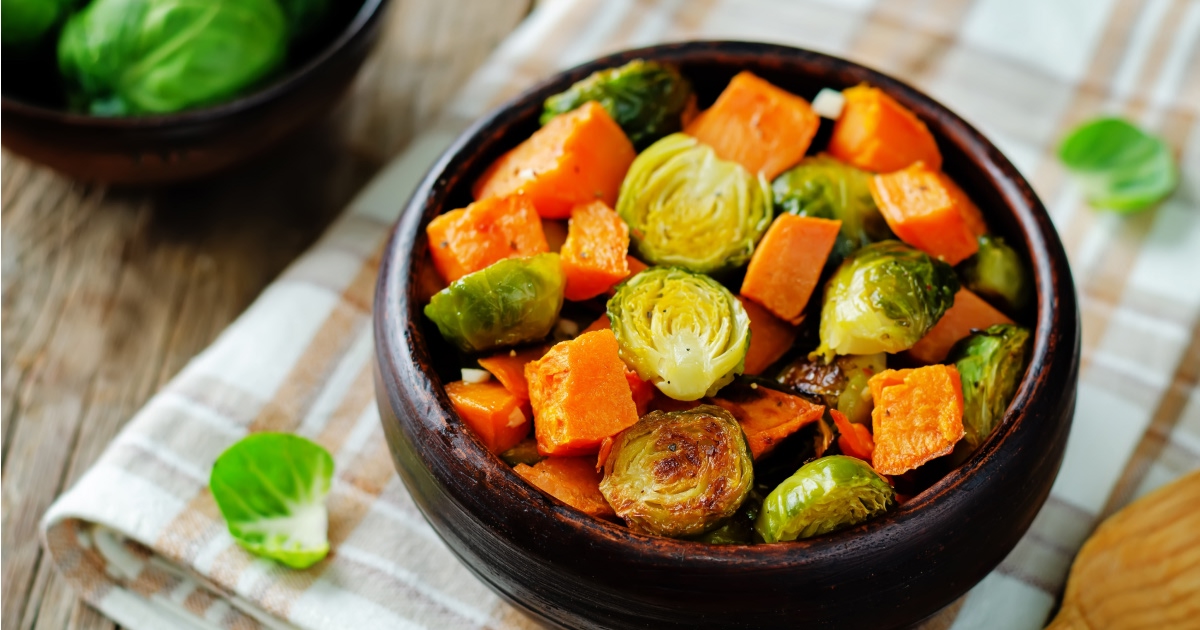

Dietary fiber comes from plant foods. There are two types: soluble and insoluble fiber. Most fiber-containing foods have a mix of both.
- Insoluble fiber is found in the skins of vegetables and fruit and the bran portion of whole grains. Insoluble fiber helps promote regularity and a healthy digestive system.
- Soluble fiber can be found in some vegetables, fruit, and legumes like dried beans and peas. When water is added to food, the soluble fiber thickens and becomes sticky, gummy and gel-like. Soluble fiber can help slow the digestion of food.
Soluble fiber can help in many ways:
- Lowers LDL (“bad”) cholesterol levels: Soluble fiber prevents some dietary cholesterol from being broken down and absorbed. Over time, soluble fiber can help lower cholesterol levels or the amount of free cholesterol in the blood.
- Helps to manage your blood glucose (sugar) levels: Soluble fiber slows down the digestion rate of other nutrients, including carbohydrates, making blood sugar spikes less likely.
- Feeling satiated or full longer after meals: Soluble fiber slows down how quickly foods are digested, meaning most people feel full longer after fiber-rich meals.
- Supports bowel movement regularity: Soluble fiber adds bulk to stools by absorbing liquid in the intestines, and softens stools to support regular bowel movements.
- Promotes a healthy gut microbiome: Certain soluble fibers can ferment and feed the “good” bacteria in the colon, functioning as prebiotics. These friendly bacteria produce short-chain fatty acids like butyrate, acetate, and propionate to support overall gut health.
- May lower the risk of certain diseases: type 2 diabetes, cardiovascular disease, and colon cancer.
How Much Fiber Should I Aim For?
There are no guidelines for healthy adults on how much soluble fiber to have. Instead, recommendations are for total dietary fiber, which includes soluble and insoluble fiber.
According to Health Canada, women need 25 grams of fiber per day and men need 38 grams. In the U.S., the Dietary Guidelines for Americans recommend about 14 grams of fiber for every 1,000 calories consumed, which generally works out to a similar range for many adults. Despite these recommendations, most Canadians get only about half the fiber they need
To lower blood cholesterol levels, 5-10 g of soluble fiber per day is typically recommended.
Make sure to increase your dietary fiber intake slowly and drink more fluids as your fiber intake increases. This will help the fiber work better and prevent gas, bloating, and diarrhea.
If you have a gastrointestinal condition, you may need to limit the amounts or certain food sources of fiber. Speak with your doctor or healthcare provider to find out how much fiber is right for you.
Read More: Popular Fiber Supplement May Not Be Suitable for Fatty Liver Disease
Food Sources of Soluble Fiber

The table below provides a list of common foods higher in soluble fiber:
| Food | Serving Size. | Soluble Fiber (grams) |
|---|---|---|
| Vegetables | ||
| Asparagus, cooked | 125 mL (½ cup) | 1.7 |
| Beets, cooked | 125 mL (½ cup) | 0.8 |
| Broccoli, cooked | 125 mL (½ cup) | 1.2 |
| Brussels sprouts, cooked | 125 mL (½ cup) | 2.0 |
| Carrots, cooked | 125 mL (½ cup) | 1.1 |
| Eggplant | 125 mL (½ cup) | 0.7 |
| Green beans, cooked | 125 mL (½ cup) | 0.5 |
| Okra, frozen, cooked | 125 mL (½ cup) | 1.0 |
| Peas, green, cooked | 125 mL (½ cup) | 1.3 |
| Spinach, cooked | 125 mL (½ cup) | 0.5 |
| Sweet potato, cooked | 125 mL (½ cup) | 1.8 |
| Turnips, cooked | 125 mL (½ cup) | 1.7 |
| Fruit | ||
| Apple | 1 small | 0.7-1.2 |
| Applesauce | 125 mL (½ cup) | 0.7 |
| Apricot | 4 | 1.8 |
| Apricots, dried | 7 halves | 1.1 |
| Avocado | ½ fruit | 1.3 |
| Cherries, black | 12 large | 0.6 |
| Figs, dried | 2 | 1.9 |
| Grapefruit (pink, red, white) | ½ medium | 1.1 |
| Kiwi fruit | 1 large | 0.7 |
| Mango | ½ small | 1.7 |
| Nectarine | 1 medium | 0.5 |
| Orange | 1 small | 1.8 |
| Peach | 1 medium | 1.0 |
| Pear | ½ large | 1.1 |
| Plum, red | 2 medium | 1.1 |
| Prunes, dried | 3 medium | 1.0 |
| Raspberries | 250 mL (1 cup) | 0.9 |
| Strawberries | 250 mL (1 cup) | 0.9 |
| Grain Products | ||
| Cereals (check product label for serving size) | ||
| Bran cereals | 75 mL (⅓ cup) | 1.4 |
| Oat bran, cooked | 175 mL (¾ cup) | 2.2 |
| Oatmeal, dry | 75 mL (⅓ cup) | 1.4 |
| Flaked bran cereals, plain or with raisins | 175 mL (¾ cup) | 0.4-0.9 |
| Breads | ||
| Bread, pumpernickel | 1 slice | 1.2 |
| Bread, rye | 1 slice | 0.8 |
| Oat bran muffin | 1 medium | 2.5 |
| Other grain products | ||
| Barley, pearled, cooked | 125 mL (½ cup) | 0.8 |
| Pasta, whole wheat, cooked | 125 mL (½ cup) | 0.6 |
| Spaghetti, whole wheat, cooked | 125 mL (½ cup) | 0.6 |
| Wheat germ | 45 mL (3 Tbsp) | 0.7 |
| Protein Foods | ||
| Legumes (dried beans, peas and lentils) | 125 mL (½ cup) | 2.4 |
| Black beans, cooked | 125 mL (½ cup) | 0.5 |
| Chickpeas, cooked | 125 mL (½ cup) | 1.3 |
| Kidney beans, light red, cooked | 125 mL (½ cup) | 2.0 |
| Lentils, cooked | 125 mL (½ cup) | 0.6 |
| Lima beans, cooked | 125 mL (½ cup) | 1.1 |
| Navy beans, cooked | 125 mL (½ cup) | 2.2 |
| Pinto beans, cooked | 125 mL (½ cup) | 1.4 |
| Nuts and Seeds | ||
| Flaxseeds, whole | 15 mL (1 Tbsp) | 1.1 |
| Chia seeds | 15 mL (1 Tbsp) | 0.3-0.5 |
| Peanuts, roasted | 60 mL (¼ cup) | 1.0 |
| Sesame seeds | 60 mL (¼ cup) | 0.8 |
| Sunflower seeds | 60 mL (¼ cup) | 0.8 |
| Supplements | ||
| Psyllium fiber, ground | 15 mL (1 Tbsp) | 5.0 |
| Psyllium fibre, husks | 15 mL (1 Tbsp) | 3.5 |
About Dr. James Yoon
Dr. James Yoon is a top-rated naturopathic doctor practicing in downtown Toronto, with a clinical focus on digestive health, hormonal health, metabolic concerns, and complex chronic conditions. With over a decade of clinical experience, he combines evidence-informed naturopathic medicine with a functional medicine approach to better understand the underlying factors contributing to each patient’s health concerns.
Explore more of Dr. Yoon’s work at DrJamesYoon.com.
Read More: The Low-FODMAP Diet: A Detailed Guide to How It Works, What to Eat, and Who May Benefit – By Dr. James Yoon, ND.
Sources
- (2021) Dietitians of Canada: Food Sources of Soluble Fiber.
- (2020) Registered Dietitians of the University Health Network – Improving Your Health with Soluble Fibre.
Disclaimer: This information is not intended to be a substitute for professional medical advice, diagnosis or treatment and is for information only. Always seek the advice of your physician or another qualified health provider with any questions about your medical condition and/or current medication. Do not disregard professional medical advice or delay seeking advice or treatment because of something you have read here.