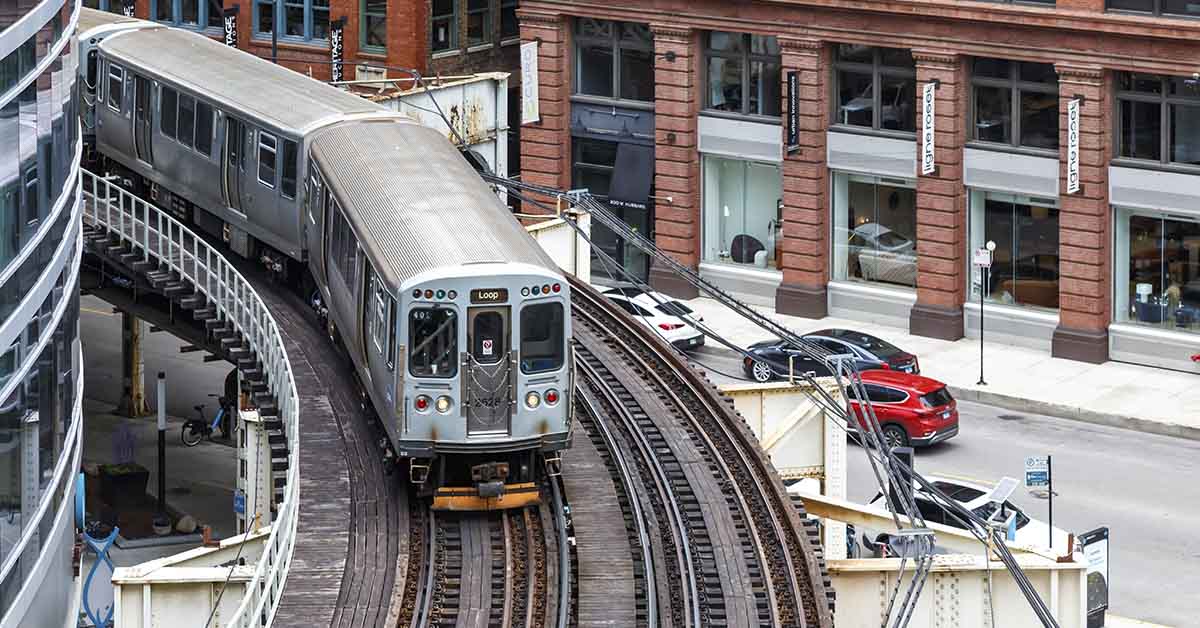

Public transit usually feels predictable. People sit, stare at phones, wait for stops and hope they reach home without anything weird happening. That expectation broke apart for a 26 year old woman named Bethany MaGee, who is now fighting for her life after a shocking attack on a Chicago train. Her situation pushed many residents to ask how someone with a long arrest history stayed on the streets for so long. The whole thing has made the city rethink what it calls safety and what safety actually is in real life.
A Normal CTA Ride Turns Into Chaos
People on the train said everything seemed fine at first. The suspect stood near Bethany MaGee, and no one saw anything strange. He held a bottle that looked like water, or something close to it. No one paid attention because riders rarely do. Then, in seconds, he poured the liquid on her clothes and lit it. Flames jumped fast, too fast for most people to understand.
Witnesses threw jackets on her and screamed for help. Someone hit the emergency button. One rider said they could not even think straight because the moment felt unreal. The train pulled into the next station and paramedics rushed to her. They moved her out as gently as they could and started treatment right there on the platform.
Doctors later confirmed she had severe burns and would need a lot of care. They kept her in critical condition. They also said her recovery will take a long time, maybe much longer than most people would expect.
A Suspect With Dozens of Arrests
Investigators checked CTA cameras right away. The cameras showed the suspect clearly, identifying him at Lawrence Reed, 50. Several officers knew him already since they had arrested him before. Police records list 72 arrests, which shocked a lot of people, but not everyone. Some Chicago residents said they recognized the name because it keeps appearing in local reports.
His history included assault, theft, drug cases and other incidents. None of them led to long-lasting consequences. Some cases got dropped, and some ended in probation. It is a pattern that many critics point to as a sign of a broken system.
Officials said they will review his whole history again. They need to know where the system failed. People want accountability, and they want it fast.
The Woman Behind the Headlines
It is easy to forget the person at the center of all this. But Bethany MaGee is not a headline. Friends say she is quiet most of the time, thoughtful and kind. She likes art, late-night documentaries, and walking around the city on slow afternoons. She works hard and keeps a small circle of people close to her.
Bethany never expected her day to end in a hospital. Burn trauma affects every part of the body. It changes skin, nerves, temperature control and mental health too. Her doctors said she shows strength but they also stay realistic. Burn trauma is unpredictable and often cruel.
Her family sits with her every day, whispering to her and holding her hand. They hope and grieve. They do both at the same time because that is what families do when life turns upside down.
Cameras Helped Police Act Quickly
CTA stations use many cameras. Some riders forget they exist but detectives do not. These cameras helped track the suspect from platform to rail car and then out of the station. Officers recognized him from earlier encounters which helped them locate him quickly.

While cameras do not stop violence, they help identify suspects. In this case, they played a major role. The footage supported the charges that prosecutors plan to file. Some riders still think cameras are not enough, but they admit the system helped after the fact.
Others want more officers on trains. Some ask for mental health workers. People rarely agree on one clear solution, yet this incident pushed the conversation forward.
Why Repeat Offenders Present Big Challenges
Cities often face the same few offenders repeatedly. Research says a small percent of offenders commit many crimes. Some struggle with addiction. Others deal with untreated mental health disorders. A few come from unstable backgrounds that make everything harder. These issues feed into a cycle of arrests and releases.
Critics say public safety must come first. They argue the system failed Bethany MaGee, because someone with so many arrests should not roam the city without strong supervision. Supporters of reform say the system needs better treatment options, not just longer sentences. They say punishment does not treat the root problems.
Chicago now stands at a difficult crossroads. It has to decide how to keep riders safe while still respecting individual rights. The debate is not new but this tragedy pushed it into the spotlight again.
Understanding Burn Trauma and the Fight to Survive
Burn injuries are complex. When skin is damaged, the body loses its first defense against infection. Doctors must stabilize the patient, prevent shock and protect damaged tissue. They monitor vital signs often and adjust water levels in the body to keep things stable.
Some burns need surgery. Doctors may graft skin from donors or synthetic material. This helps reduce infection and speeds healing. The process hurts and it takes a long time. Even after surgeries, survivors face emotional trauma. They remember the event in vivid ways that can interrupt daily life.
The medical team said Bethany MaGee has shown strength. They also said the road ahead will not be easy at all.
Chicago Riders Feel Unsafe and Confused
After the attack, many riders shared their fears online. Some said they would avoid the CTA for now. Others said they would not ride alone again. A few said they would shift their commute time or change train lines.
Fear spreads fast in cities. Transit systems rely on trust, and when trust cracks, ridership drops. This affects businesses, tourism and even the environment. Cities need strong transit systems and people need to feel safe inside them.
Officials urged people to stay calm, but the worries remain. Riders want action, not talk. They want to see changes before they feel comfortable again.
Transit Crime Trends Show a Larger Pattern
Transit crime has increased in many cities. Chicago is not alone. Experts say lower ridership played a part. Fewer people on platforms mean fewer witnesses. Economic stress also contributes to crime. Mental health struggles make some situations worse.
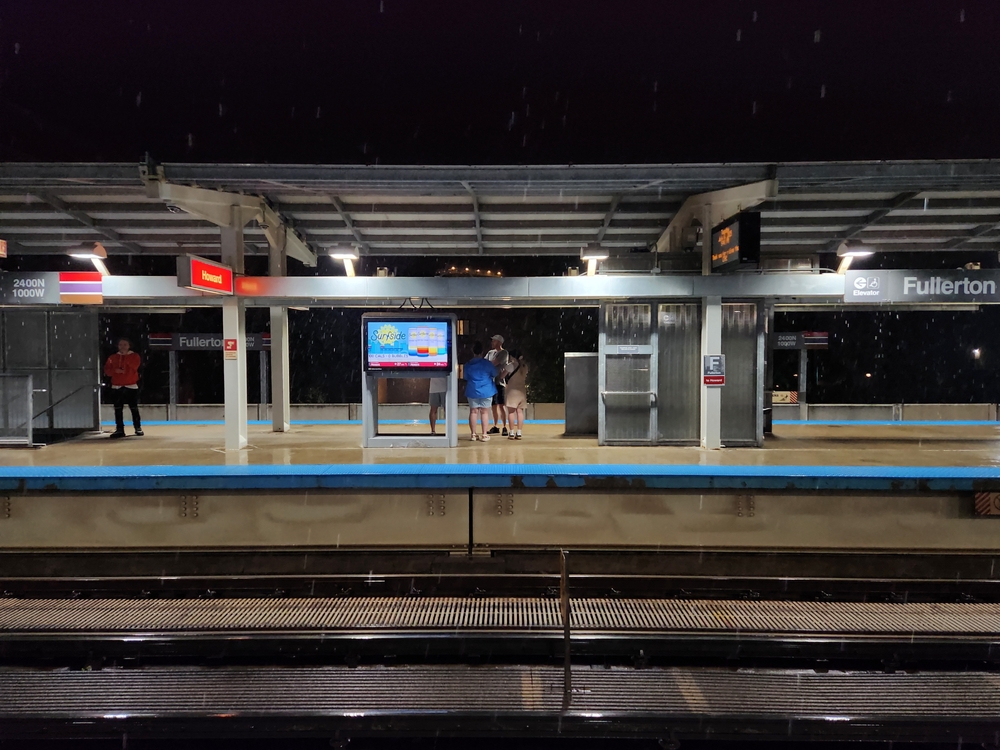
Image credit: Shutterstock
Chicago sees a range of transit crimes from theft to vandalism to assault. Extreme cases like the attack on Bethany MaGee are rare but powerful. People remember rare events more than common ones. These events shape how safe people feel.
Experts suggest multi-layered safety plans. Better lighting helps riders feel safer, and more officers help deter crime. Outreach workers can help people who show signs of distress. A strong communication system ensures fast responses.
Parallels With the Iryna Zarutska Case
Another frightening transit attack made national headlines this year August in Charlotte, North Carolina. The victim was Iryna Zarutska, a 23-year-old Ukrainian refugee who had been rebuilding her life after leaving the war in her home country. She boarded a commuter train like she had done many times before. Minutes later, she was stabbed by a man with a long and troubled criminal background. She had no interaction with him. She never even had the chance to react.
Video from the train showed how sudden the attack was. Zarutska sat quietly while the man stood over her, and the violence began without warning. The randomness of the moment shook people across the country. It looked like the kind of danger no one can predict, and that feeling closely mirrors what happened to Bethany MaGee in Chicago.
Both offenders shared similar histories, marked by repeated arrests and signs of instability. In each case, questions formed around whether stronger supervision, mental health intervention or stricter monitoring could have prevented the attacks. After Zarutska’s death, lawmakers in North Carolina created a new set of rules focused on higher-risk offenders. Chicago now faces its own version of these debates as it searches for ways to prevent another tragedy on its trains.
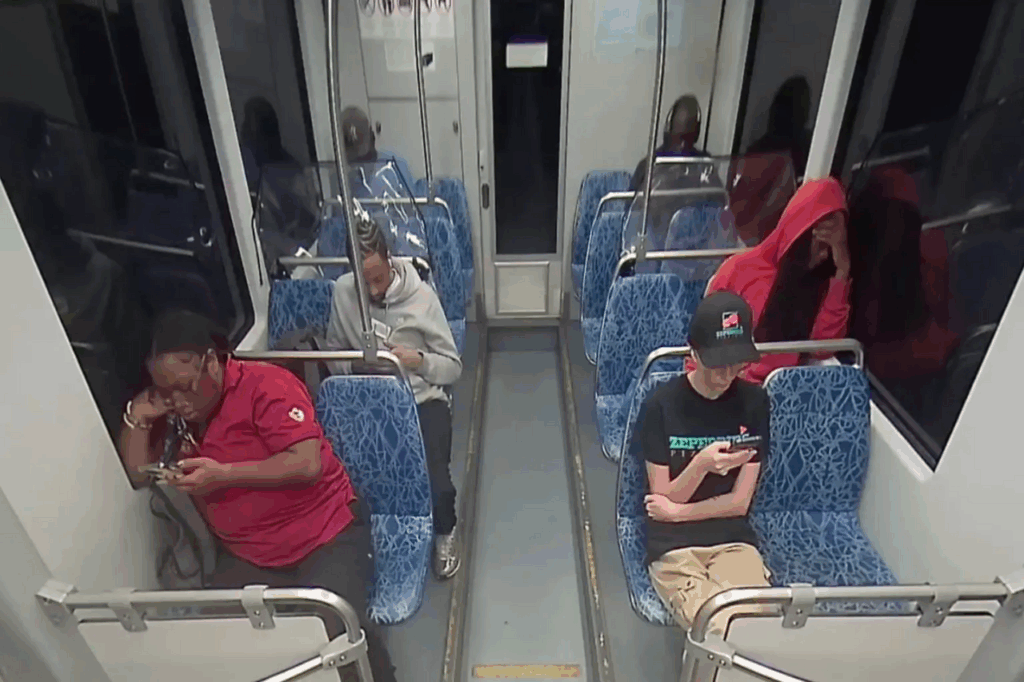
Image credit: Wikipedia
How the System Handles Complex Cases Like This
Judges face difficult decisions when dealing with someone who has a long arrest history. They must consider risk, health concerns and fairness. They cannot detain someone without proper cause, and they also cannot predict violent behavior with certainty.
Still, many residents believe the system failed them. They want to know why earlier interventions did not help, and why repeated red flags did not lead to stronger actions. They want to know what steps could have prevented this.
Experts say early intervention helps reduce crime. Yet they also admit some individuals continue dangerous behaviors even after support. In those cases, stronger supervision may protect the public more effectively.
The Emotional Weight on the Community
Violence in shared spaces leaves emotional scars. Riders who witnessed the attack may feel nervous for a long time. Some may avoid trains, others may tense up around strangers. Psychologists say this is normal and will improve with time.
Families face even heavier emotions. The family of Bethany MaGee moves through worry, grief and hope. They take each day as it comes, and they rely on small improvements to stay strong.
The city carries emotional weight, too. Incidents like this shake public confidence. Chicago must rebuild that trust through clear communication and visible action.
Residents Call for Stronger Transit Safety
City leaders said they will review safety measures. Ideas include more officers, more cameras and better emergency alerts. Some leaders want mental health response teams. Others want stronger fare enforcement to discourage troublemakers.
Experts warn against relying on one solution. Violence often grows from broader social issues. A successful plan should use several tools at once. City officials said they will speak with community groups and transit leaders to shape a new strategy.
Why This Case Became a Turning Point
People talked about transit safety long before this. Still, this case struck a different nerve. The brutality shocked people. The suspect’s arrest history felt like a warning ignored. The system had chances to intervene but did not. The attack on Bethany MaGee became a symbol of deeper issues.
Her name now appears in debates about safety and justice and pushes officials to reconsider long standing policies. Her situation, without her choosing it, influences the city’s next steps.
Chicago Comes Together for the Victim
Residents offered support right away. Some donated money for medical bills. Others sent cards and messages of hope. A few left flowers near the station. People wanted her family to know they were not alone.
Her recovery will be long, and she may face many surgeries. She may need physical therapy and mental health support. Burn survivors often rebuild life step by step. Doctors said she shows strength and determination.
Community support helps lighten emotional burdens. Chicago often unites during crisis and this time is no different.

A City Forced to Reflect and Improve
Cities learn from moments like this. Chicago now must examine every point where the system failed. Officials said they will review transit security and court policies. They want to understand what went wrong and how to fix it.
The public remains vocal as people demand action, not delays. They want leaders to take responsibility and they want real improvements, not temporary solutions. Real change takes time, yet this case may push the city toward a safer system.
Final Thoughts
The story of Bethany MaGee is both heartbreaking and revealing. A simple train ride became a life-altering tragedy. The city must confront the weaknesses that allowed this to happen. Riders need protection. Families need answers. Chicago needs healing.
Bethany remains in critical condition. She relies on skilled doctors and the steady support of her loved ones. Her story carries a lesson the city cannot ignore. It exposes gaps in the system that must be repaired.
Chicago cannot change the past. But it can improve the present. It can build safer trains, stronger support systems and better responses to people in crisis. It can create a future where tragedies like this become far less likely.
Read More: Two Children Face Rape and Attempted Murder Charges After Attack on 5-Year-Old