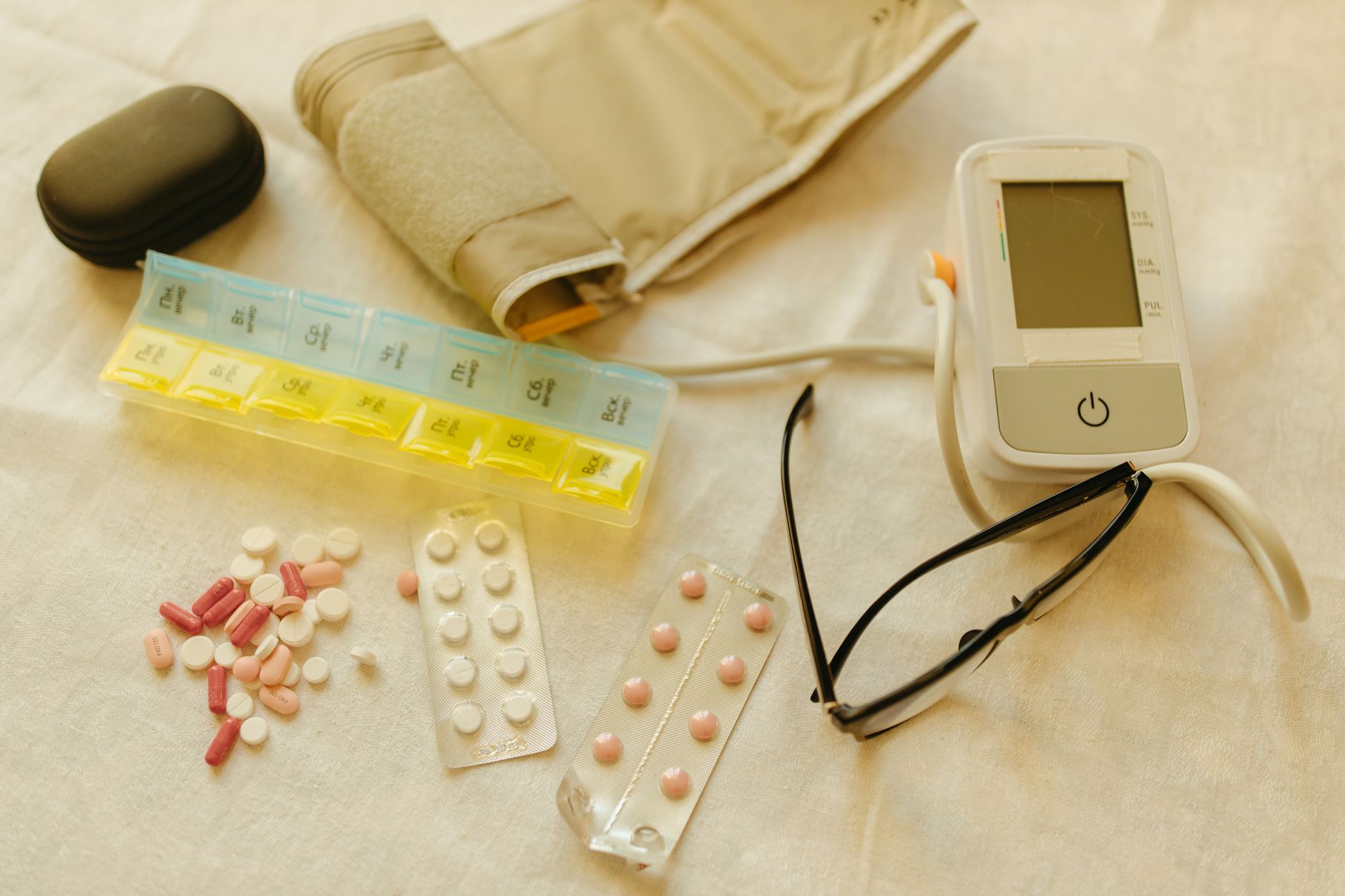

Half of all people who start blood pressure medication have stopped taking it within a year. Not because their blood pressure normalized. Not because their doctor told them to. They quit because the drug made them feel worse than the condition it was treating.
That’s not a fringe outcome. Side effects from blood pressure medications are associated with nonadherence, treatment dissatisfaction, and worse blood pressure control – a cycle that compounds over time. The medication doesn’t fail; the patient stops it, the pressure climbs, and the risk of stroke or heart attack quietly rises in the background.
The frustrating reality is that most of these blood pressure medication side effects are manageable – or avoidable altogether with the right drug choice. But that conversation rarely happens in a 15-minute appointment, which is exactly why so many people end up making the decision alone, in silence, and at significant risk to themselves.
The Scale of the Problem
Non-adherence is particularly high in patients with hypertension, leading to poor blood pressure control, increased cardiovascular risk, and increased burden on the healthcare system. A meta-analysis of data on 376,162 patients from 20 studies found that after six months more than 30%, and after one year, about 50% of patients may stop their initial treatment.
According to the CDC, about 34 million adults who may need blood pressure medicine according to hypertension guidelines are not currently taking it – and nearly two out of three of those adults have a blood pressure of 140/90 mm Hg or higher. Among those who do start, the numbers on control are poor: only about 1 in 4 adults with high blood pressure has it under control.
The cost of that gap is measurable in lives. Non-adherence in hypertension leads to poor blood pressure control, increased cardiovascular risk, and increased burden on the healthcare system. Yet the question most patients never get answered is a simple one: which specific drug is making them feel this way, and is there a better option?
The Cough Nobody Warned You About
The most common blood pressure medication side effects associated with lisinopril – one of the most widely prescribed blood pressure drugs in the US – include cough (occurring in 5 – 20% of patients), dizziness, and worsening kidney function, with cough being the leading cause of discontinuation.
Lisinopril belongs to a class called ACE inhibitors (angiotensin-converting enzyme inhibitors), drugs that lower blood pressure by blocking a chemical pathway that tightens blood vessels. The cough they produce is dry, persistent, and often described as a tickling or scratching sensation in the throat. It results from increased bradykinin levels that accumulate when the ACE enzyme is blocked, and can develop within hours of the first dose or take up to six months to appear.
ACE inhibitor-induced cough is not equally distributed across the population. Research shows the cough is 1.5 times more likely in women than men, and 2.5 times more likely in people of East Asian descent. Many patients spend months attributing the cough to allergies, a lingering cold, or acid reflux before it’s traced back to their pill bottle.
The standard fix is a class switch rather than stopping treatment entirely. ARBs (angiotensin receptor blockers) work on the same blood pressure pathway without causing bradykinin buildup. The dry, tickly cough is one of the most common side effects of ACE inhibitors, is usually not dangerous but can be very bothersome, and in most cases improves or disappears after switching to an ARB. If you’ve had a persistent dry cough since starting a blood pressure drug, bring it up with your doctor – don’t just stop taking the medication.
Fatigue, Low Mood, and the Beta-Blocker Effect
Beta-blockers, including metoprolol and atenolol, are among the most frequently prescribed blood pressure medications and among the most frequently abandoned. They work by slowing the heart rate and reducing the force of heart contractions, which lowers blood pressure but can also leave patients feeling drained in ways they don’t always connect to the medication.
According to the Mayo Clinic, side effects of chronic beta-blocker therapy include tiredness, dizziness, and depression. Those aren’t small numbers. One in four patients reporting fatigue is a significant reason why people decide the medication isn’t worth taking.
A large 2025 nationwide study found that the risk of side effects was consistently elevated when comparing beta-blocker treatment with calcium channel blockers, including depression, anxiety and insomnia, and dizziness. The picture is complicated, however: a quantitative review of randomized trials found that the conventional belief that beta-blocker therapy is associated with substantial risks of depressive symptoms and fatigue is not fully supported by clinical trial data, with no significant increased risk of depressive symptoms and only small increased risks of fatigue. That doesn’t mean individual patients don’t experience these effects – it means the absolute risk is modest, and the experience varies person to person.
Beta-blockers also carry a specific risk when stopped abruptly. Patients who stop beta-blockers suddenly face a significantly higher risk of heart attack compared to those who continue their medication. This makes them one of the most dangerous drugs to quit cold turkey, which is precisely why the decision should always involve a doctor who can supervise a gradual taper.
If fatigue on a beta-blocker is affecting quality of life, alternatives exist. Some patients do better on ACE inhibitors or ARBs, which generally have more favorable energy profiles. The point is that there’s usually a conversation to have, not a prescription to abandon.
Swollen Ankles and the Calcium Channel Blocker Problem
Calcium channel blockers, particularly amlodipine (Norvasc), are among the most effective first-line treatments for high blood pressure. They’re also a common source of a side effect that patients find alarming and uncomfortable: swollen ankles and feet.
Amlodipine-induced peripheral edema is a common, dose-dependent side effect that can impact patient quality of life and treatment adherence, and the risk can be reduced by using lower doses, switching to (S)-amlodipine, or combining with ACE inhibitors or ARBs. The swelling happens because amlodipine relaxes the arteries but not the veins, creating a pressure mismatch in tiny blood vessels that pushes fluid into nearby tissues, where it accumulates in the ankles and feet over time.
According to a 2026 study published in PLOS ONE, calcium channel blockers can cause vasodilatory adverse effects, including peripheral edema, which may lead to additional therapy and affect medication adherence. In other words, patients are sometimes given a second medication to manage the swelling caused by the first – increasing pill burden and making adherence even harder to sustain. The study was a retrospective multicenter cohort of hypertensive patients and found that 38.7% of patients developed peripheral edema, with a mean onset of 10.5 weeks after initiating treatment.
The edema is dose-dependent. Patients receiving amlodipine 10 mg daily had a greater (42.5% vs. 33%) and earlier risk of edema than those on 5 mg daily. For patients bothered by swelling, asking about a lower dose – or a switch to a different drug class – is a reasonable conversation to have.
You can read more about foods that support healthy blood pressure naturally alongside medication.
Diuretics, Sexual Side Effects, and Why Patients Go Quiet
Thiazide diuretics (water pills) like hydrochlorothiazide and chlorthalidone are workhorses of blood pressure treatment. They reduce the volume of fluid in the bloodstream, lowering pressure over time. They’re cheap, effective, and generally well-tolerated – but one side effect goes largely unreported because patients are embarrassed to mention it.
Thiazide diuretic use is associated with male sexual dysfunction, including decreased libido and difficulty maintaining an erection. This finding has been consistent across multiple observational studies and has contributed to men quietly stopping their medication without telling their doctor. The assumption is often that aging or stress is to blame, when the drug is actually the cause.
For men experiencing sexual dysfunction on a thiazide diuretic, the answer isn’t to stop the medication without guidance – it’s to flag the symptom. ACE inhibitors and ARBs are not associated with the same sexual side effects and may be viable substitutes depending on the individual’s overall health picture.
The Danger of Stopping Without a Plan
Rebound hypertension – a spike in blood pressure above pre-treatment levels – can occur within days of stopping medication, or take up to six months to develop, depending on the drug. For most blood pressure medications, the risk is manageable with proper tapering under medical supervision. For some drugs, the stakes are significantly higher.
Stopping clonidine, an older blood pressure drug that acts on the central nervous system, can trigger rebound within hours. In rare cases, this has caused hypertensive encephalopathy (dangerous swelling-related brain pressure) and stroke – though these outcomes are uncommon and primarily documented in case reports rather than large controlled trials. That context matters, but it doesn’t make abrupt discontinuation safe. The core point stands: “I’ll just stop taking it” is not a safe default decision for any antihypertensive drug.
Why Pill Burden Makes Things Worse
An evaluation of more than 500,000 US patients receiving three or more antihypertensive medications found that most failed to achieve the recommended blood pressure target of below 130/80, and both medication nonadherence and therapeutic inertia were widespread. The math is intuitive: more pills mean more chances for side effects, more complexity in daily routines, and more friction at every refill.
One practical solution with solid evidence behind it is the single-pill combination – a formulation that packages two or three blood pressure drugs into one tablet. Research has found that fixed-dose combination medications significantly improve adherence compared to taking the same drugs as separate pills. Fewer pills at once makes a measurable difference in whether people actually take them.
Read More: Extremely High Blood Pressure Symptoms You Should Never Ignore
What to Do Now
Side effect symptoms from blood pressure medications are associated with nonadherence, treatment dissatisfaction, and worse blood pressure control – and these relationships play out clearly in primary care populations with poorly controlled hypertension. The right response is almost always a conversation with a prescriber, not a quiet decision made at home.
A March 2025 study published in the Journal of the American Board of Family Medicine confirmed that patients experiencing side effect symptoms showed lower treatment satisfaction and worse blood pressure control. But the solution isn’t to stop treatment – it’s to find the right treatment. If a dry cough has appeared since starting an ACE inhibitor, ask about switching to an ARB. If beta-blocker fatigue is affecting daily function, ask whether a different drug class fits your situation. If ankle swelling on amlodipine is a problem, ask about dose reduction or an alternative. If thiazide-related sexual dysfunction is happening, say so – it’s a documented side effect, not an embarrassing anomaly, and there are options.
A study published in the Journal of the American Board of Family Medicine assessed one-year persistence and adherence across four of the most commonly dispensed antihypertensive drug classes using a nationwide administrative claims database representing 11 million covered lives – and found that adherence varied meaningfully by drug. That means the drug a person is prescribed matters, and switching is often a legitimate clinical step, not a failure. The drug that works is the one a person actually takes, every day, without feeling like the medicine is its own problem.
Disclaimer: The author is not a licensed medical professional. The information provided is for general informational and educational purposes only and is based on research from publicly available, reputable sources. It is not intended to constitute, and should not be relied upon as, medical advice, diagnosis, or treatment. Always consult a licensed physician or other qualified healthcare provider regarding any medical condition, symptoms, or medications. Do not disregard, avoid, or delay seeking professional medical advice or treatment because of information contained herein.
AI Disclaimer: This article was created with the assistance of AI tools and reviewed by a human editor.
Read More: 3 Morning Habits to Avoid if You Have High Blood Pressure or Cholesterol