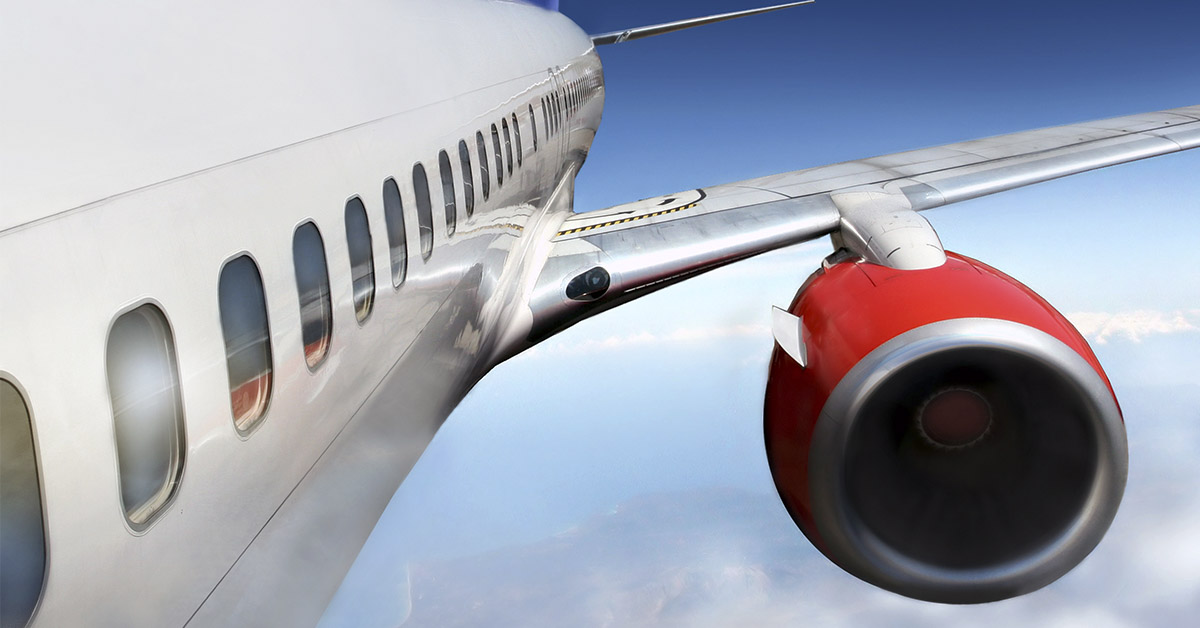

On Saturday, August 16, Flight DE 3665 from Corfu, Greece, was forced to make an emergency landing after the Boeing 757 plane’s engine caught fire after take-off. The plane safely landed at Brindisi Airport in southern Italy.
One passenager on the craft claimed “I sent goodbye texts,” fearing this was their last moments. Others held on and embraced what was to come next. The 273 passengers and 8 crew members were able to safely embark from the aircraft, with no injuries being reported.
What Happened Mid-Flight
The Condor flight was en route from Corfu, Greece, to Düsseldorf, Germany. Shortly after takeoff, the crew onboard noticed an interference in the airflow of the right turbine. When the plane reached around 36,000ft in altitude, the power suddenly shut off in the cabin. Terrified passengers noticed the sound of large bangs and flames emerging from the right wing, causing some of them to panic.
One passenger reported to Frankfurter Rundschau, “Suddenly, the power went out for a few seconds, and we realized we were no longer climbing.”
Another passenger said, “It was an incredibly horrible experience. I’ve already sent goodbye texts because I thought, ‘It’s over now’.”
Emergency Landing in Brindisi
The Boeing plane had been in the air for about 40 minutes when the flight was diverted to Brindisi Airport in Italy. Luckily, all passengers and crew were able to safely exit the plane through the standard exits.
Condor Airlines later told PEOPLE in a statement that passengers were never “in danger” at the time of the incident. They went on to say that a chemical reaction that took place in the engine’s combustion chamber is what passengers and crew witnessed from the rear of the plane.
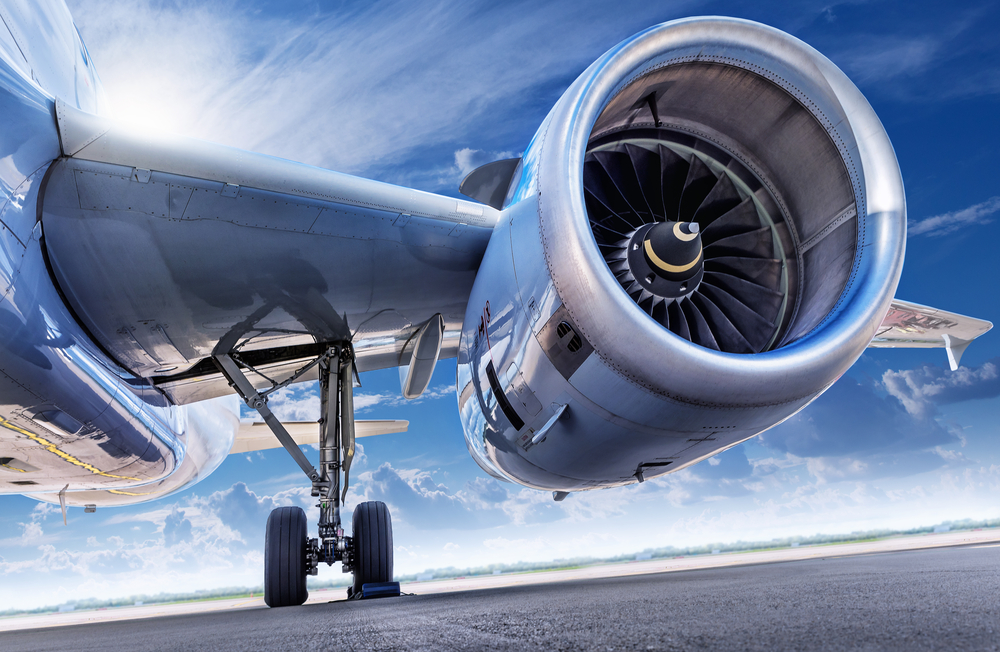
“Flight DE3665 from Corfu (CFU) to Düsseldorf (DUS) diverted to Brindisi (BDS) on 16 August 2025. The reason was a parameter indication outside the normal range caused by a disturbance in the air flow supply to the engine,” Condor Airlines said to PEOPLE.
“Due to the fault message, it was precautionarily decided to divert to Brindisi. The aircraft landed around 8:15 p.m. at Brindisi Airport, and all guests disembarked the aircraft normally. Another Condor aircraft was dispatched to carry all guests to Düsseldorf on August 17th, 2025,” the statement continued.
Passenger Experience After Boeing Plane Engine Catches Fire
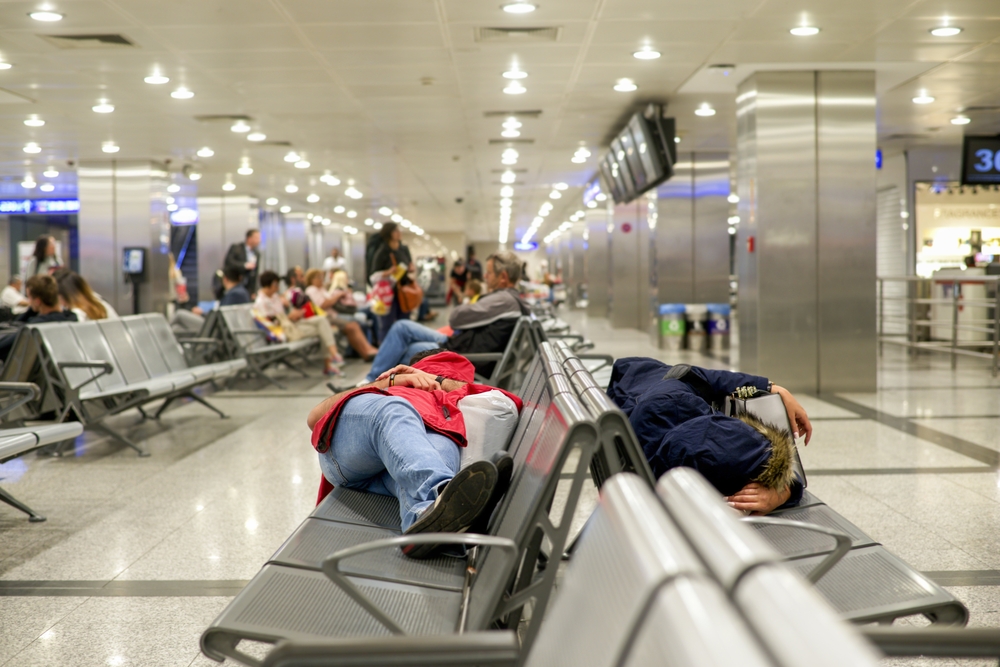
Due to a shortage of accommodation in Brindisi, blankets and vouchers were supplied to passengers who stayed at the airport. Some airport shops were also able to open to help with supplies.
Condor Airlines arranged to take all passengers to Düsseldorf the following morning on August 17. Passengers who were able to make alternative accommodation were asked to submit their expenses for reimbursement.
“We apologize for any inconvenience caused, but the safety of our passengers and employees is always our top priority,” Condor Airlines ended with in their statement.
Reactions and Safety Concerns
Although Boeing handled the emergency landing correctly by following standard aviation protocols, many passengers were left frazzled with fear and disillusion.
Boeing has received a lot of scrutiny from the public in recent years. Following a series of mishaps, some of which have resulted in serious accidents. Investors and customers are beginning to lose confidence in the company. Many feel that Boeing could be handling its response to these incidents in a better fashion.
The Federal Aviation Administration (FAA) has placed Boeing under a watchful eye, increasing oversight on their suppliers and production processes. They have demanded a shift in the company’s safety culture and quality assurance.
Conclusion
The Condor flight engine fire was nothing short of a terrifying experience for passengers on board. Luckily, the crew’s quick action and training prevented a serious disaster from occurring. Incidents such as this help us to underline the importance of safty measures and preparedness in aviation. Companies such as Boeing need to ensure ongoing maintenance of their aircraft, making safety their main priority.
At the same time, airlines must provide transparent communication and support for passengers who endure such traumatic events. The fear and uncertainty felt during those moments in the air highlight just how vulnerable travelers can be. Strengthening trust between airlines and passengers requires not only reliable aircraft but also strong crisis management.
For passengers, this serves as a reminder that while air travel is statistically safe, accountability remains essential to keeping it that way.
Read More: US State Introduces Trump ‘Loyalty Test’ for Teachers Amid Controversy