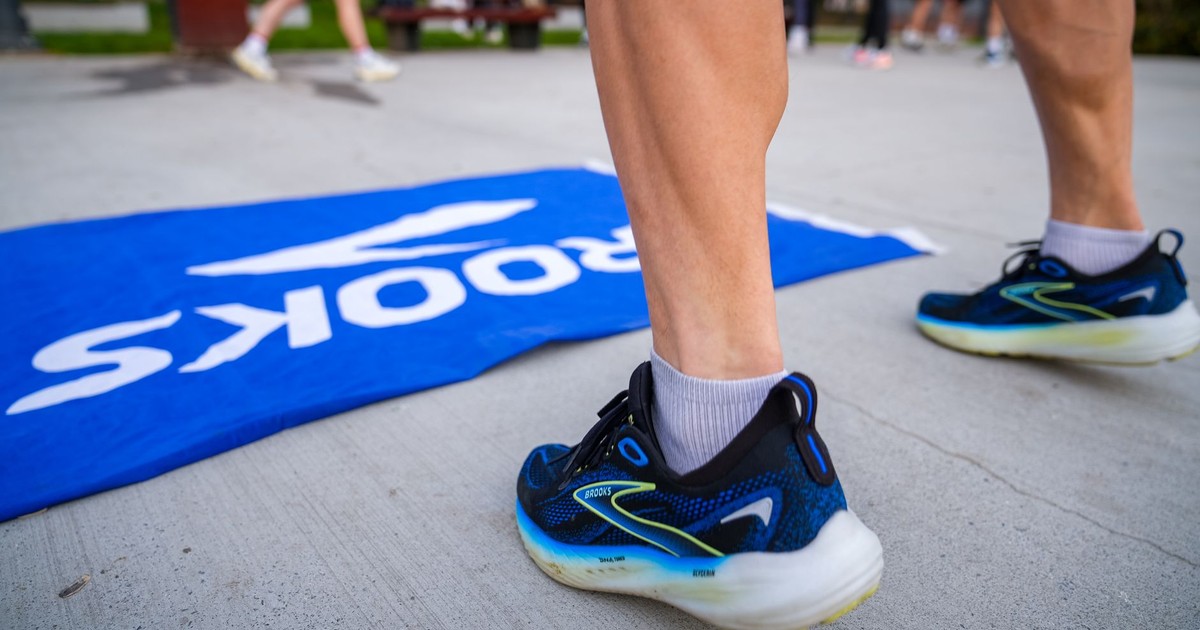

The soleus sits beneath the gastrocnemius – the visible, rounded calf muscle you can see and feel – so deep that it doesn’t bulge or flex in any obvious way during ordinary movement. It accounts for roughly 1.3% of total body weight, according to a 2026 study in Frontiers in Endocrinology. When researchers at the University of Houston designed a specific seated heel-raise movement to activate it, they found it reduced post-meal blood glucose elevation by 52% – a result large enough to prompt follow-up trials in people with prediabetes.
The movement is called the soleus push-up. The science behind it is more careful than the social media headlines suggest, and understanding what the research actually shows – and what it doesn’t – matters before deciding whether it belongs in your daily routine.
Why the Soleus Is Built Differently
The iScience study found that roughly 88% of the soleus is composed of slow-twitch (Type I) fibers – a proportion higher than virtually any other muscle in the body. Slow-twitch fibers are built for endurance, not explosiveness. They run on oxygen, resist fatigue, and are densely packed with mitochondria, the cellular structures that burn fuel.
What makes the soleus particularly unusual is where it draws its fuel from. Most working muscles rely heavily on glycogen, a form of stored carbohydrate packed into the muscle itself. The iScience study found that during the specific contractions researchers designed, the soleus drew only about 4% of its energy from its own glycogen stores. The remaining 96% came directly from blood glucose and circulating fats – substrates pulled from the bloodstream in real time. This means the muscle can continue contracting for extended periods without depleting its local reserves, which helps explain why it resists fatigue so well.
For researchers interested in how the body manages blood sugar, that fuel-use pattern is notable – especially in a muscle that accounts for only about 1.3% of total body weight.
What the 2022 Study Actually Found
Marc Hamilton, a professor of Health and Human Performance at the University of Houston, led the team behind the soleus push-up research. Participants – volunteers ranging in age, fitness level, and body type – were asked to perform a sustained seated heel-raise movement while undergoing a standard oral glucose tolerance test, the same test clinicians use to assess how the body handles a large sugar load. The movement Hamilton’s team designed, named the soleus push-up (SPU), involves lifting the heel while the ball of the foot stays grounded, then allowing the heel to lower back down, repeatedly, in a slow, rhythmic cycle.
Compared with participants who sat completely still, those performing the soleus push-up saw about 52% less elevation in blood glucose after the glucose drink, and roughly 60% less demand for insulin over the three hours that followed. The iScience researchers also found that the movement effectively doubled whole-body carbohydrate oxidation above resting levels – a measurable metabolic shift driven by a muscle that makes up only a small fraction of total body mass.
The study also measured effects on blood fats, finding that keeping soleus muscle metabolism active effectively doubled the normal rate of fat metabolism during fasting periods between meals, reducing circulating VLDL triglyceride levels.
The 52% figure comes from a controlled laboratory setting. Participants performed the movement continuously for hours, monitored with electromyography (EMG) equipment to confirm the soleus – not surrounding muscles – was doing the work. The glucose tolerance test itself is not a meal; it’s a standardized 75-gram sugar drink designed to stress the body’s glucose-handling system in a controlled and reproducible way. The study was small. It was not a clinical trial testing whether soleus push-ups improve long-term blood sugar control, prevent diabetes, or reduce HbA1c. It was a mechanistic study: a careful look at what this muscle does under a specific condition, not a prescription for how to manage blood sugar at home.
What the 2025 Prediabetes Study Added
Researchers in Hungary ran a 2025 pilot study in Sports in individuals with prediabetes – a condition defined by blood glucose levels above normal but not yet in the diabetic range. The study found that soleus push-ups had a beneficial impact on glucose tolerance between minutes 30 and 120 of an oral glucose tolerance test, resulting in a roughly one-third reduction in the area under the curve of blood glucose values.
The effect was smaller than what Hamilton’s group observed in healthy volunteers, which makes clinical sense: people with prediabetes have underlying metabolic differences that affect how muscles process glucose. The 2025 study also confirmed that the benefit appeared even without EMG feedback to guide the movement – relevant for anyone who doesn’t have access to laboratory monitoring equipment.
This was a pilot study, meaning it was designed to test feasibility and generate preliminary data, not to confirm effectiveness at scale. The number of participants was small. Neither study establishes that regular soleus push-ups will reliably lower blood sugar in everyday life, nor that they offer protection against the progression of prediabetes to type 2 diabetes. Both studies do establish that the soleus muscle has a real and measurable influence on how the body handles blood glucose in the short term, and that the effect is large enough to be worth investigating further in bigger, longer trials.
Chronically elevated post-meal glucose is among the earliest metabolic abnormalities that precede a type 2 diabetes diagnosis, which is part of why researchers are interested in any intervention that blunts those spikes.
How to Perform the Movement
The soleus push-up is a seated exercise performed with both feet flat on the floor. The heel rises while the front of the foot stays put; when the heel reaches the top of its range of motion, the foot is passively released to come back down. The movement is slow and rhythmic, not rapid or forceful. Seated heel raises are more effective at isolating the soleus than standing calf raises, because the bent-knee position shifts the mechanical load away from the gastrocnemius and onto the deeper soleus beneath it.
The key detail from Hamilton’s original study is that the heel should rise actively – driven by the muscle contracting – and then fall passively, without using the shin muscles to pull it down. That passive release keeps the workload concentrated in the soleus. Performing the movement with excessive force or speed doesn’t isolate the target muscle as effectively.
In the laboratory study, participants performed the movement for extended periods – sometimes multiple hours – while being monitored. In real life, that level of sustained activity isn’t practical for most people, and the exact dose needed to produce a meaningful effect outside a controlled setting hasn’t been established. A practical approach: sit with feet flat on the floor, raise your heels and hold at the top for about two seconds, then lower slowly and repeat. Doing several sets at a desk during the working day – particularly in the hour or two after a meal, when blood glucose typically peaks – is a reasonable way to incorporate it, even if the real-world metabolic impact will likely be more modest than the study conditions produced.
What This Research Means for Daily Metabolic Health
The soleus push-up is not a replacement for exercise, walking, dietary management, medication, or regular medical care. Long unbroken periods of sitting impair the body’s ability to process blood sugar and reduce the activity of enzymes that regulate fat metabolism. According to the Cleveland Clinic, sedentary behavior is linked to increased risk of obesity, diabetes, and cardiovascular disease, which is part of why breaking up sitting time matters beyond any single exercise technique. The soleus push-up, by itself, does not undo the full spectrum of harms that come from a sedentary lifestyle.
The soleus is an underutilized metabolic lever for people who spend significant portions of the day seated. Most cardiovascular and resistance exercise – running, cycling, swimming, lifting – doesn’t specifically target the soleus in the sustained, isolated way the seated push-up does. Adding periodic soleus contractions after meals offers a low-effort, low-risk way to keep that muscle metabolically active. A 2021 randomized trial published in PLOS ONE found that breaking up prolonged sitting with two-minute bouts of walking every 30 minutes reduced post-meal insulin responses compared with sitting continuously. The findings add to evidence that regularly interrupting sedentary time with movement may benefit metabolic health.
Anyone managing prediabetes, insulin resistance, or blood sugar concerns through diet and exercise should raise the topic with their doctor or diabetes care team before treating the movement as a therapeutic intervention. The pilot study findings are promising but preliminary. Researchers are actively running larger trials, and the picture will become clearer as more data comes in.
The Bottom Line
The soleus is a small, deep calf muscle with an unusually high concentration of slow-twitch fibers, a rich blood supply, and a fuel-use pattern that makes it exceptionally efficient at clearing blood glucose during sustained low-effort contractions. The 2022 iScience study found that a specific seated heel-raise movement – performed continuously under laboratory conditions – reduced post-meal blood sugar elevation by about 52% and cut the insulin response by about 60% compared to sitting still. A 2025 pilot study in people with prediabetes found a meaningful reduction in glucose response, though smaller in magnitude and still at the preliminary stage.
Performing rhythmic seated heel raises – heels lifting while the ball of the foot stays grounded, then lowering passively – for several minutes after meals is low-risk, requires no equipment, and engages a muscle that most standard exercise routines don’t specifically target. Treat it as one tool in a broader approach to metabolic health, not as a shortcut that replaces movement, sleep, diet, and regular medical follow-up.
Disclaimer: This information is not intended to be a substitute for professional medical advice, diagnosis, or treatment and is for information only. Always seek the advice of your physician or another qualified health provider with any questions about your medical condition and/or current medication. Do not disregard professional medical advice or delay seeking advice or treatment because of something you have read here.
AI Disclaimer: This article was created with the assistance of AI tools and reviewed by a human editor.
Read More: Do Bananas Really Spike Blood Sugar? The Answer May Surprise You