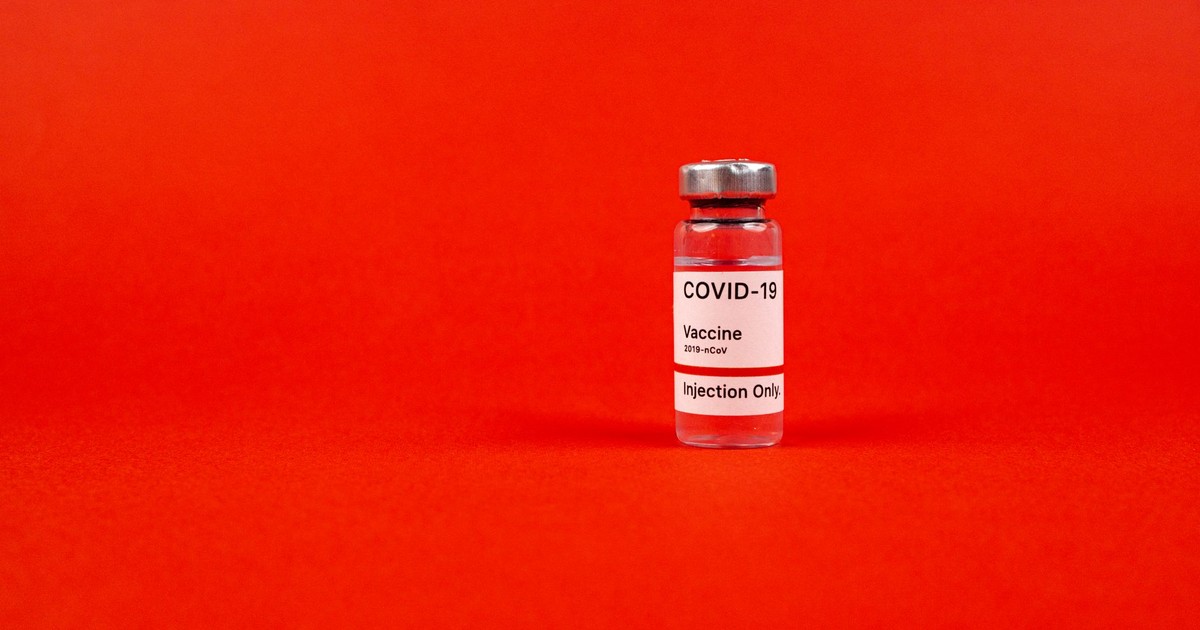

Three vaccines quietly removed from the CDC’s routine childhood schedule – hepatitis A, hepatitis B, and rotavirus – had, combined, prevented nearly 2 million hospitalizations and more than 90,000 deaths over three decades. That’s the starting point for understanding why the decision announced on January 5, 2026, ignited one of the sharpest divides in American pediatric medicine in a generation.
The CDC’s updated childhood immunization schedule didn’t arrive with much warning. On January 5, 2026, the CDC updated the childhood vaccine schedule to recommend fewer routine vaccines for all children and introduced a three-tiered framework: routine, high-risk-based, and shared clinical decision-making. That last category – “shared clinical decision-making” – means a vaccine is no longer automatically offered to every child at every well visit, but rather left to individual conversations between parents and doctors. Data from immunization programs consistently shows that removing a vaccine from the universal recommendation tier reduces uptake, because families who aren’t proactively offered a vaccine are far less likely to seek it out.
The updated schedule was issued by Jim O’Neill, acting director of the CDC, and marks one of the most consequential public health policy shifts under HHS Secretary Robert F. Kennedy Jr., who was confirmed to the role in February 2025 and has repeatedly questioned the scope of childhood vaccination in the United States. The move followed an assessment developed by FDA and other HHS officials, and came after a December 2025 presidential directive ordering a review of the U.S. vaccine schedule. Kennedy framed the result as a realignment, stating that “we are aligning the U.S. childhood vaccine schedule with international consensus,” a phrase that pediatricians and public health organizations immediately challenged.
In January 2026, O’Neill approved a new 2026 childhood immunization schedule, bypassing the usual Advisory Committee on Immunization Practices (ACIP) process. ACIP is the expert body that traditionally reviews evidence, hears from disease specialists, and votes on each vaccine recommendation. For several of the six key changes – including those regarding hepatitis A, HPV, influenza, meningococcal ACWY, RSV, and rotavirus – ACIP was not involved in some or all aspects of the recommendation changes. Here is a breakdown of each of those six childhood vaccines discontinued from routine universal recommendation, and what the data says about each one.
1. Rotavirus

The new schedule removes recommendations for flu and COVID vaccines for children, along with shots for rotavirus, meningitis, hepatitis A, and hepatitis B. Rotavirus is the one on this list that often catches parents off guard, because its consequences can look deceptively mild at first – a few days of vomiting and diarrhea – and then escalate rapidly in infants.
Before routine administration began in 2006, 70,000 young children were hospitalized and 50 died yearly from rotavirus in the United States alone, according to KFF Health News. The vaccine dramatically changed that picture. In an 18-state analysis of hospital discharge data from 2000 to 2008, compared with the median rate for the 2000-2006 rotavirus seasons, hospitalization rates dropped 16% in 2007 and 45% in 2008 – among the first data to show that vaccine introduction was associated with a dramatic reduction in rotavirus gastroenteritis among U.S. children almost immediately.
Under the new framework, rotavirus vaccination falls into the shared clinical decision-making category. That means it’s available, but families won’t automatically receive it as part of routine care. Given that infants under 12 months are the most vulnerable group, and the vaccine schedule requires doses be given before 8 months of age to be effective, delayed or missed conversations could translate directly into missed protection.
2. Influenza

The flu vaccine has long been one of the more contentious items on the childhood immunization schedule, partly because it requires an annual dose and partly because its effectiveness varies from season to season. But the data on its impact in children is harder to dismiss than the debate around it suggests.
According to Medical Daily, there were a total of 179 influenza-associated pediatric deaths during the 2025-2026 season, with approximately 85% of those who died not fully vaccinated. That figure arrived in a report covering the same season in which the CDC removed flu from its universal childhood recommendation. Historically, over 80% of influenza-associated pediatric deaths have occurred in unvaccinated or incompletely vaccinated children, and children younger than 5 years – especially those under 2 – face the highest risk of severe illness, hospitalization, or death.
The influenza vaccine now sits in the shared decision-making tier, meaning a pediatrician can recommend it, but it’s no longer a standard part of the schedule every child receives. The American Academy of Pediatrics called the overall schedule changes “dangerous and unnecessary,” a description that resonates particularly with the flu decision given the deaths recorded in the same season the change took effect.
3. Hepatitis B
Hepatitis B is a viral infection that attacks the liver and can cause both acute and chronic disease. Chronic infection over the course of a lifetime can lead to liver damage, liver failure, liver cancer, or even death. For decades, giving the hepatitis B vaccine within 24 hours of birth was considered one of the most effective preventive interventions in newborn care.
The at-birth hepatitis B dose was designed to protect infants born to mothers whose infection status is unknown at delivery – a not-uncommon scenario. Under the revised 2026 schedule, ACIP changed the hepatitis B vaccine recommendation from universal to shared clinical decision-making for infants born to mothers with negative or unknown hepatitis B test results. The gap in that reasoning: a negative test result on file doesn’t guarantee that the mother’s status hasn’t changed, and an unknown result means the infant’s risk is entirely unassessed. Just three vaccines – hepatitis A, hepatitis B, and rotavirus – have prevented nearly 2 million hospitalizations and more than 90,000 deaths in the past 30 years, according to CBS News.
4. Hepatitis A

Hepatitis A is a liver infection spread through contaminated food and water, and through close contact with infected people. It rarely causes chronic disease the way hepatitis B does, but acute hepatitis A can be severe – and in young children, the illness is often silent, meaning kids can transmit it widely without showing obvious symptoms.
The U.S. previously recommended two doses of hepatitis A vaccine for all children, starting at age 12 months. That universal recommendation is now gone. Michael Osterholm, PhD, MPH, director of the University of Minnesota’s Center for Infectious Disease Research and Policy and founder of the Vaccine Integrity Project, warned that removing these recommendations without a rigorous public review of risks and benefits will lead to more hospitalizations and preventable deaths among American children. The AJMC reported that the reduction covered diseases from 17 to 11 on the universal schedule, a sweeping change made without the customary independent evidence review.
Hepatitis A outbreaks tend to cluster in communities with lower vaccination rates, meaning the real-world effect of removing universal recommendation is likely to show up unevenly – particularly in lower-income areas or communities with less consistent access to pediatric care.
5. Meningococcal Disease

Meningococcal disease is bacterial meningitis (infection of the membranes around the brain and spinal cord) and septicemia (blood poisoning). It progresses with terrifying speed – a child who is sick in the morning can be critically ill by evening. About 600 to 1,000 U.S. cases occur annually, KFF Health News reported, killing more than 10% of those it sickens and leaving 1 in 5 survivors with a permanent disability.
Among survivors, 10-20% may suffer severe long-term consequences, including neurological disabilities, kidney damage, amputations, and hearing loss. According to the CDC, 422 invasive meningococcal disease cases were reported in 2023 – the highest annual number since 2014 – and in March 2024, the CDC issued a health advisory due to rising serogroup Y cases, including antibiotic-resistant strains. Moving meningococcal vaccination out of the universal tier at the exact moment case counts are climbing strikes many pediatricians as a misread of the current data.
Read More: What Parents Need to Know About the New 2026 Vaccine Schedule
6. COVID-19

COVID-19 vaccination for children is the most politically charged item on this list, and also the one with the most complicated track record. The decision to remove it from universal recommendation had actually been building since May 2025, when HHS Secretary Kennedy announced that COVID-19 vaccines would no longer be routinely recommended for healthy children or pregnant people without high-risk conditions. The January 2026 schedule update made that shift official and permanent.
In May 2025, Kennedy said the CDC would no longer recommend COVID-19 vaccines for children or pregnant people without health conditions that place them in a high-risk category. COVID-19 vaccination is now categorized under shared clinical decision-making – available but not universally prompted. For children with underlying health conditions such as obesity, asthma, or immunocompromising conditions, the risk picture remains real, and the vaccine remains accessible. For otherwise healthy children, the CDC’s position is now that the decision belongs to parents and clinicians.
What Pediatricians Are Doing Instead

The American Academy of Pediatrics did something the CDC did not: it kept all six vaccines on its 2026 schedule. The AAP published its Recommended Childhood and Adolescent Immunization Schedule for 2026, continuing to recommend routine immunization for protection against 18 diseases – including RSV, hepatitis A, hepatitis B, rotavirus, influenza, and meningococcal disease – in a policy statement released on January 26, 2026.
The AAP’s immunization schedule has been endorsed by over 230 medical associations and healthcare organizations, including the American Medical Association and the American College of Obstetricians and Gynecologists. That breadth of endorsement reflects a consensus among practicing clinicians that the evidence for these six vaccines has not materially changed – the policy around them has.
A federal judge in Boston issued a stay on March 16, 2026, postponing the effective date of the schedule changes, meaning the legal status of the new CDC schedule remained contested well into the year. Insurance coverage, for now, continues: despite the changes, insurance companies are still expected to cover the costs of all the vaccines through 2026.
What Does This Mean?
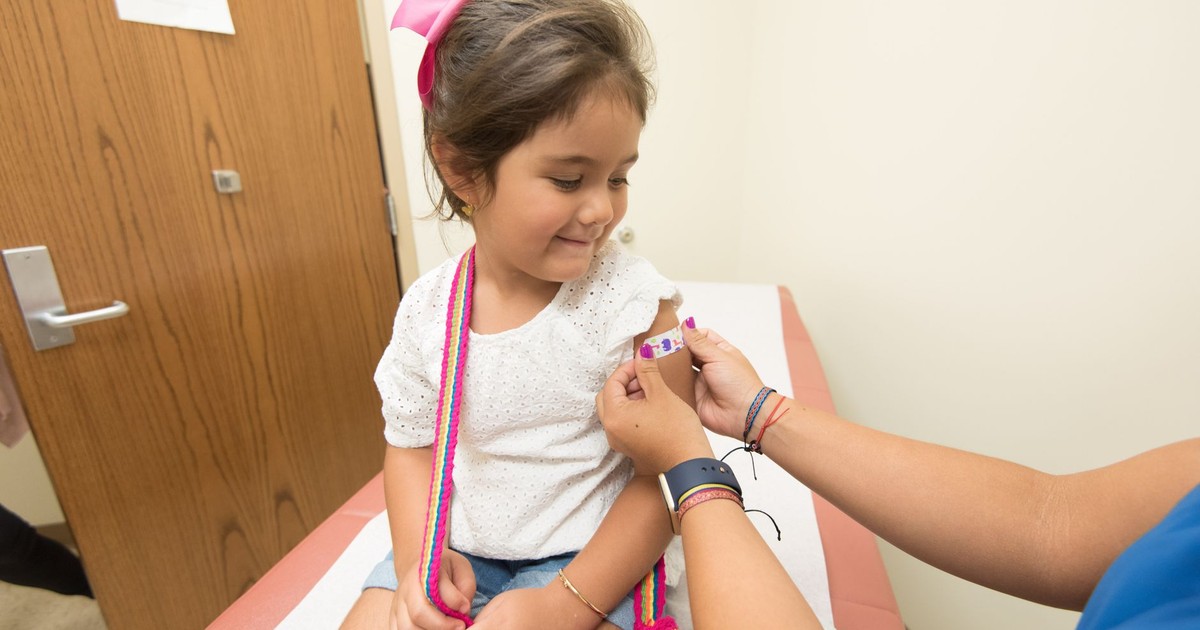
“No longer universally recommended” does not mean “unavailable” or “unsafe.” Every one of these six childhood vaccines discontinued from universal recommendation can still be administered, is covered by insurance through at least the end of 2026, and is still actively recommended by more than 230 medical organizations.
If your child’s pediatrician brings up one of these vaccines, that conversation is a direct result of the gap between the CDC’s revised schedule and the AAP’s. Ask specifically which schedule your doctor follows, and ask about your child’s individual risk factors for rotavirus, influenza, hepatitis A and B, meningococcal disease, and COVID-19. A child in daycare, a child with a chronic condition, or a child traveling internationally faces meaningfully different risks than the baseline population. The data on each of these vaccines hasn’t changed – only the federal government’s default recommendation has.
Disclaimer: The author is not a licensed medical professional. The information provided is for general informational and educational purposes only and is based on research from publicly available, reputable sources. It is not intended to constitute, and should not be relied upon as, medical advice, diagnosis, or treatment. Always consult a licensed physician or other qualified healthcare provider regarding any medical condition, symptoms, or medications. Do not disregard, avoid, or delay seeking professional medical advice or treatment because of information contained herein.
AI Disclaimer: This article was created with the assistance of AI tools and reviewed by a human editor.
Read More: Trump’s Vaccine Order Explained: What It Means for Your Kids