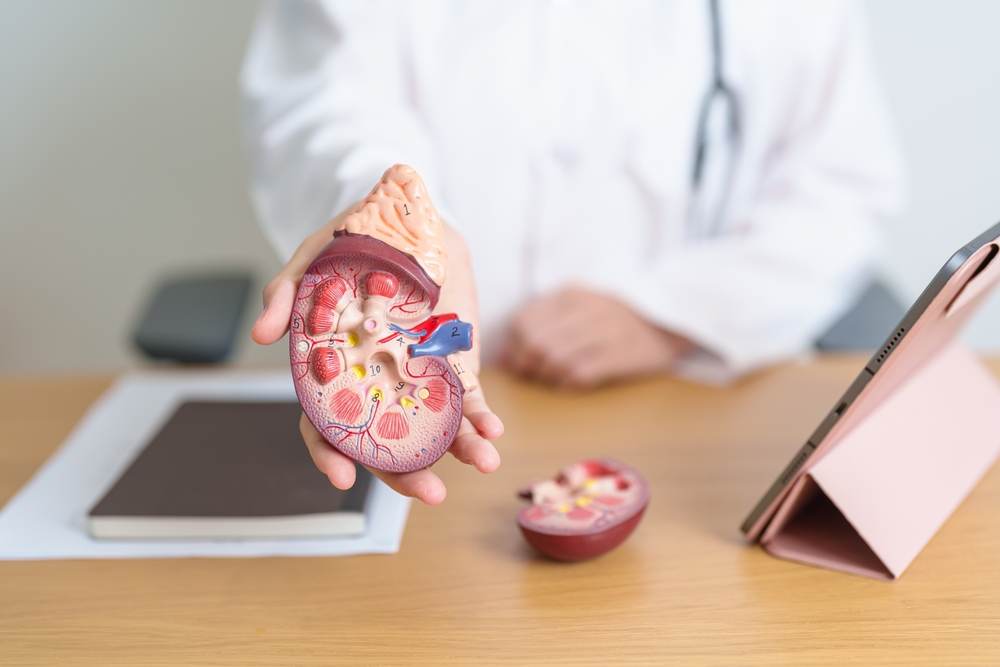

Most people don’t think about their kidneys until something goes wrong. These two fist-sized organs, tucked just below your rib cage, silently filter around 200 liters of blood every single day. They remove waste, balance fluids, regulate blood pressure, and even help produce red blood cells. They’re doing extraordinary work – and they almost never complain about it.
That silence is exactly what makes chronic kidney disease so dangerous. Unlike a broken bone or a fever, declining kidney function rarely sends a clear, obvious distress signal. The warning signs tend to be vague, easy to dismiss, and quick to be blamed on something else. You might chalk up the fatigue to poor sleep or the puffiness around your ankles to standing too long at work. That’s how years can pass before a diagnosis arrives.
The numbers make this reality even more striking. According to the NIH, Chronic kidney disease affects more than 1 in 7 U.S. adults – an estimated 35.5 million Americans. Yet about nine in 10 U.S. adults with CKD aren’t aware they have the condition. What makes this so difficult is that people at Stage 1 CKD usually don’t know they have it because they don’t have any symptoms. Globally, the picture is equally sobering: in 2023, 788 million people aged 20 years and older were estimated to have CKD, up from 378 million in 1990. The condition is growing, and most of the people living with it have no idea. Here are some early warning signs that may indicate a problem.
1. Changes in Urination
Your urine is a window into your kidney health, and changes to it are often among the first clues that something is off. Normally, urine should be pale yellow and clear. If it looks foamy – like scrambled egg whites – it might be a sign that protein is leaking into your urine, a condition called proteinuria. Healthy kidneys are designed to keep protein inside the body, so when it starts escaping into your urine, that’s a sign the filtering system is beginning to fail.
Waking up frequently during the night to urinate – called nocturia – can also point to early kidney problems. You might also notice blood in the urine, which can appear reddish, pink, or brown. As CKD worsens, dark or foamy urine, blood in your urine, or a need to urinate more often can all become more noticeable.
Any persistent change in urine color, smell, or frequency deserves attention. It doesn’t automatically mean kidney disease – urinary tract infections and other conditions can cause similar changes – but it’s worth a conversation with your doctor, especially if it’s been going on for more than a few days.
2. Persistent Fatigue and Weakness
Feeling tired all the time when you’re getting enough sleep is frustrating – and easy to rationalize away. But this kind of fatigue can be a real sign of declining kidney function.
Your kidneys produce a hormone called erythropoietin (EPO), which signals your body to make red blood cells. When kidney function declines, less EPO is produced, leading to anemia and persistent tiredness. Anemia essentially means your blood is carrying less oxygen around your body, which is why people feel so profoundly exhausted. Even simple tasks – walking up stairs, cooking dinner – can feel like they require enormous effort.
When the kidneys aren’t filtering properly, toxins stay in the blood rather than leaving the body through the urine, which can make it difficult to sleep. The combination of poor sleep, anemia, and toxin buildup creates a cycle of exhaustion that no amount of coffee will fix. If you’re experiencing fatigue that feels out of proportion to your lifestyle, it’s worth asking your doctor about a simple blood test to check kidney function.
3. Swelling in the Feet, Ankles, or Face
Puffy feet, tight shoes by mid-afternoon, or a swollen face in the morning – these can all point to a problem with fluid regulation, and your kidneys are the primary managers of that system.
Decreased kidney function can lead to sodium (salt) retention, causing swelling in your feet and ankles. When the kidneys can’t remove excess sodium efficiently, water follows the salt and accumulates in the body’s tissues – a process called edema (fluid swelling in the tissues). If your shoes feel tighter or your fingers appear puffy, your kidneys may not be removing excess sodium and fluid effectively. Swelling is a common symptom of declining kidney function.
The face is often the area where people first notice morning puffiness, particularly around the eyes. Swelling in the lower extremities can also be a sign of heart disease, liver disease, and chronic leg vein problems, which is why you shouldn’t self-diagnose. What’s important is not ignoring it when it’s unexplained and recurring. Bring it up with your doctor, particularly if it’s happening alongside other symptoms on this list.
4. Dry, Itchy Skin
Most people don’t associate itchy skin with their kidneys. Eczema, dry air, aging – those seem like far more likely culprits. But if the itch is widespread, persistent, and doesn’t respond to moisturizer, it may be your kidneys signaling distress.
Dry and itchy skin can be a sign of the mineral and bone disease that often accompanies advanced kidney disease, or when the kidneys are no longer able to keep the right balance of minerals and nutrients in your blood. Healthy kidneys do many important jobs: they remove wastes and extra fluid from your body, help make red blood cells, keep bones strong, and work to maintain the right amount of minerals in your blood. When that mineral-balancing function breaks down, the imbalance can show up on your skin.
Tell your doctor if you have changes in your skin, such as dryness, itchiness, or changes in skin color, especially if they appear alongside other symptoms like fatigue or changes in urination. Widespread itching with no apparent cause is something a doctor should hear about, not something to simply endure.
5. High Blood Pressure That’s Hard to Control
High blood pressure is so common that many people simply accept it as a fact of life, especially over age 40. But here’s something that often gets missed: the relationship between blood pressure and kidney health runs in both directions.
High blood pressure is both a cause and a consequence of kidney disease. Damaged kidneys can’t regulate blood pressure properly, and high blood pressure, in turn, damages kidney blood vessels. This creates a damaging loop where each condition makes the other worse. Common causes of chronic kidney disease include diabetes, high blood pressure, autoimmune disease, and polycystic kidney disease.
If your blood pressure is stubbornly high despite medication or lifestyle changes, your doctor should evaluate your kidney function. This isn’t just about treating the number on the blood pressure cuff – it’s about understanding why the body is struggling to regulate itself in the first place. Managing blood pressure aggressively and early is one of the most impactful things you can do to protect kidney function over time.
6. Trouble Sleeping
Poor sleep is so normalized in modern life that it can feel pointless to mention it to a doctor. But when it’s happening alongside other symptoms, it carries more weight than most people realize.
When the kidneys aren’t filtering properly, toxins stay in the blood rather than leaving the body through the urine, which can make it difficult to sleep. There is also a link between obesity and chronic kidney disease, and sleep apnea is more common in those with kidney disease compared with the general population. People with kidney disease often report trouble sleeping, which may be attributed to nighttime muscle cramps, restless leg syndrome, or frequent urination.
If your sleep disruptions involve waking frequently to urinate, cramps, or a general sense of restlessness that has no clear explanation, mention it to your doctor alongside the other things you’re experiencing. Sleep problems in isolation may not point to kidney disease, but in combination with other warning signs, they complete a picture worth investigating.
7. Nausea, Loss of Appetite, or a Metallic Taste
These symptoms tend to appear as kidney disease progresses beyond the very early stages, but they’re still worth knowing about. Kidney disease can cause a feeling of nausea and may lead to episodes of vomiting, which can be especially prominent in the morning or after meals.
A persistent metallic taste in the mouth can also be indicative of kidney disease, due to the buildup of waste products in the blood. This buildup – called uremia (a condition where waste normally filtered by the kidneys accumulates in the blood) – can also cause a loss of appetite. These symptoms can prompt someone to eat less, further worsening weakness and fatigue.
If you’ve been experiencing unexplained nausea regularly, or foods that you used to enjoy suddenly taste metallic or just wrong, it’s worth flagging with your doctor. These symptoms are non-specific, meaning they can be caused by many things, but when they’re happening alongside other kidney-related signs, they become important context.
8. Muscle Cramps and Twitching
Waking up with a leg cramp in the middle of the night is something many adults have experienced. But frequent, unexplained cramping can point to electrolyte imbalances caused by kidney dysfunction.
Electrolyte imbalances, such as low potassium and calcium levels, can cause muscle cramps and twitching, and these symptoms may be associated with kidney disease. The kidneys are responsible for keeping minerals like calcium, phosphorus, and potassium in balance. When they can’t do that job properly, the imbalance can cause the muscles to behave erratically.
Cramps or twitching in the muscles are among the physical changes worth reporting to your doctor, especially if they’re happening regularly and can’t be explained by dehydration or overexertion. A simple blood test measuring electrolyte levels can provide useful information and may be the first step toward identifying what’s driving those cramps.
Now that you know what to watch for, the equally important question is what you can do about it – before you ever get a formal diagnosis. Whether you’re at risk or simply want to be proactive, there’s meaningful evidence behind several natural, preventative approaches.
How to Protect Your Kidneys Naturally
Control what you eat. The Dietary Guidelines for Americans recommends adults limit their sodium to no more than 2,300 milligrams per day. Many people with CKD need to limit their sodium even more. Reducing processed foods, fast food, and packaged snacks is the most practical way to cut sodium. Beyond salt, research from Harvard Health found that eating a plant-based diet that includes a variety of fruits and vegetables has been shown to help lower high blood pressure, and may also protect against worsening of chronic kidney disease in people with high blood pressure. After five years, people in the fruits and vegetables group had less damage to their kidneys, along with better blood pressure readings, lower LDL (bad) cholesterol levels, and healthier body weights.
Move your body consistently. Regular physical activity is one of the most evidence-backed lifestyle tools for reducing kidney disease risk. The KDIGO 2024 guidelines recommend that people with CKD be advised to undertake moderate-intensity physical activity for a cumulative duration of at least 150 minutes per week, or to a level compatible with their cardiovascular and physical tolerance. A 2024 review published in a renal physiology journal also confirms that exercise offers protective benefits for the maintenance of health and function with age, even in the presence of CKD, and that physical inactivity is itself a primary risk factor for CKD development and progression. You don’t need to run marathons – brisk walking, swimming, or cycling all count.
Manage blood sugar and blood pressure proactively. To slow down kidney damage and keep kidneys working well for as long as possible, doctors will help you control your blood sugar if you have diabetes and keep your blood pressure in a healthy range – for most people with CKD not on dialysis, the goal is less than 120/80 mm Hg. If you have either of these conditions and haven’t had your kidney function checked recently, that’s worth doing now.
Manage stress. Stress can have an impact on CKD progression and management. Chronic stress – a persistent state of stress that continues for extended periods – can lead to high blood pressure and poor glucose control, increasing risk factors for kidney disease. Managing stress through techniques like mindfulness, meditation, and regular physical activity can help improve mental health and potentially slow CKD progression.
Watch out for overuse of common painkillers. This one surprises a lot of people. If you have a high risk of developing kidney disease, you should stay away from painkillers such as nonsteroidal anti-inflammatory drugs (NSAIDs) or acetaminophen. These over-the-counter medications can reduce blood flow and damage kidney tissue, especially for people over 65 years of age. If you rely on these regularly for pain management, talk to your doctor about alternatives.
For more on what else can slow the progression of kidney damage, this guide on kidney disease progression factors breaks down the key lifestyle influences in practical terms.
Read More: 8 Surprising Things That Could Be Harming Your Kidneys (And It’s Not Salt)
What This Means for You
Chronic kidney disease doesn’t announce itself loudly. It builds slowly, quietly, and by the time symptoms become impossible to ignore, significant damage may already have occurred. While chronic kidney disease isn’t fully reversible, early stages can often be managed and slowed through proper treatment and lifestyle changes. That’s why the warning signs covered here matter so much – catching this early genuinely changes outcomes.
The good news is that two simple tests can reveal a great deal. An eGFR (estimated glomerular filtration rate) below 60 and/or a uACR (urine albumin-to-creatinine ratio) above 30, sustained for three months or more, can indicate kidney disease is present. The eGFR measures how well your kidneys are clearing waste from your blood. A uACR detects protein in the urine, which is one of the earliest signs that the kidneys’ filtering membranes are under stress. Both tests are available through your regular doctor and can be ordered as part of a routine blood and urine panel – no specialist visit required.
Regular screening is especially important if you have diabetes, high blood pressure, or a family history of kidney disease. These are the people most likely to develop CKD and least likely to have symptoms until the condition is advanced. If any of the eight warning signs in this article sound familiar to you – especially in combination – make an appointment. Ask your doctor specifically about your kidney function. The earlier you know where you stand, the more options you have to protect what you still have.
Disclaimer: The author is not a licensed medical professional. The information provided is for general informational and educational purposes only and is based on research from publicly available, reputable sources. It is not intended to constitute, and should not be relied upon as, medical advice, diagnosis, or treatment. Always consult a licensed physician or other qualified healthcare provider regarding any medical condition, symptoms, or medications. Do not disregard, avoid, or delay seeking professional medical advice or treatment because of information contained herein.
AI Disclaimer: This article was created with the assistance of AI tools and reviewed by a human editor.
Read More: 8 Breakfast Choices You May Want to Avoid With Kidney Problems