

Colorectal cancer rates are falling in Americans over 65, largely because of better screening, and rising sharply in people under 50. Among adults aged 20 to 49, incidence is climbing by 3% per year. Forty-five percent of new colorectal cancer cases now occur in this younger population, up from just 27% in 1995. Researchers at the American Cancer Society believe it reflects something changing in the way younger adults live and, critically, what they eat.
In 2026, an estimated 158,850 new cases of colorectal cancer will be diagnosed in the United States, and 55,230 people will die from the disease. Colorectal cancer is the second leading cause of cancer death overall. Among people younger than 50, it has become the leading cause of cancer-related deaths. Diet is one of the few modifiable factors researchers have identified with a meaningful effect on risk.
The connection between colon cancer foods and disease risk isn’t abstract. Decades of research, including large-scale human trials and meta-analyses, have identified specific foods that elevate risk and specific foods that reduce it. Some of the findings are counterintuitive in their precision. An extra 50 grams of processed meat per day, roughly two slices of deli ham, raises colorectal cancer risk by 18%. A single additional serving of legumes per week drops it by 13%. What you eat, repeatedly, over years, shapes your colon in measurable ways.
Red Meat and Colon Cancer Risk
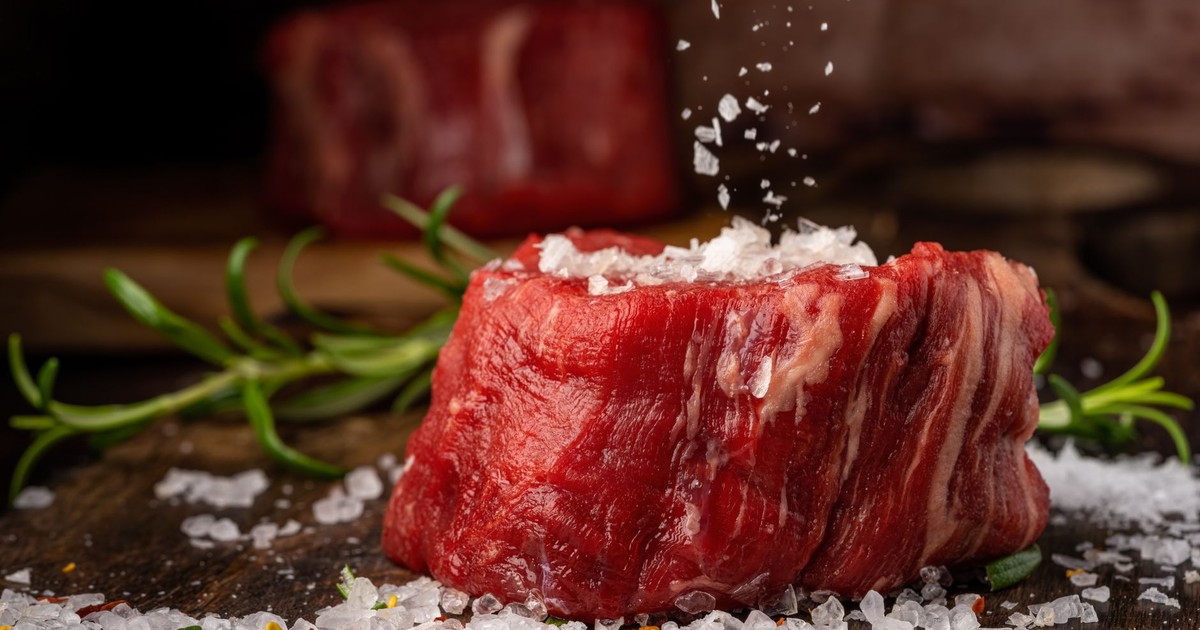
A 2025 meta-analysis pooling 60 prospective studies, published in GeroScience, found that high consumption of red meat was linked to increased risks of colorectal, colon, and rectal cancers. The numbers are specific: a 2025 analysis in GeroScience found that people with the highest red meat intake had a 22% higher risk of colon cancer compared with those eating the least.
The mechanism involves several pathways. When red meat is cooked at high temperatures, as in grilling or frying, it produces heterocyclic amines and polycyclic aromatic hydrocarbons, compounds known to damage DNA in colon cells. Red meat also contains heme iron, which can promote the formation of N-nitroso compounds in the gut, another class of carcinogens. The researchers flagged that dose matters: occasional consumption carries far less concern than daily red meat eating. The World Health Organization classifies red meat as Group 2A, meaning “probably carcinogenic to humans,” and the World Cancer Research Fund recommends limiting intake to no more than three portions per week, or 350 – 500 grams of cooked red meat weekly.
Swapping one or two red meat meals for fish, poultry, or legumes is one of the most evidence-supported dietary changes for reducing colon cancer risk.
Processed Meat

Processed meats sit in a different category from fresh red meat. The WHO classifies them as Group 1 carcinogens, meaning there is convincing evidence they cause colorectal cancer in humans. Bacon, hot dogs, sausages, deli meats, salami, and ham all fall into this category. The same 2025 GeroScience analysis found that every additional 50 grams of processed meat per day, roughly two strips of bacon or two slices of deli turkey, is associated with about an 18% higher relative risk of colorectal cancer.
The reason processed meats are more dangerous than fresh red meat comes down to preservation. Processed meats are preserved by smoking, curing, salting, or adding preservatives like sodium nitrite. These processes produce nitrosamines inside the body, chemical compounds formed when sodium nitrite reacts with proteins during digestion. Nitrosamines are potent carcinogens, capable of initiating genetic mutations in the cells lining the colon.
There is no known safe threshold for processed meat in the context of cancer. The evidence-based recommendation from major cancer research bodies is to eat very little, if any, processed meat. For those who can’t eliminate it entirely, limiting intake to occasional amounts and choosing products without added nitrites where possible is a meaningful step.
Ultra-Processed Foods
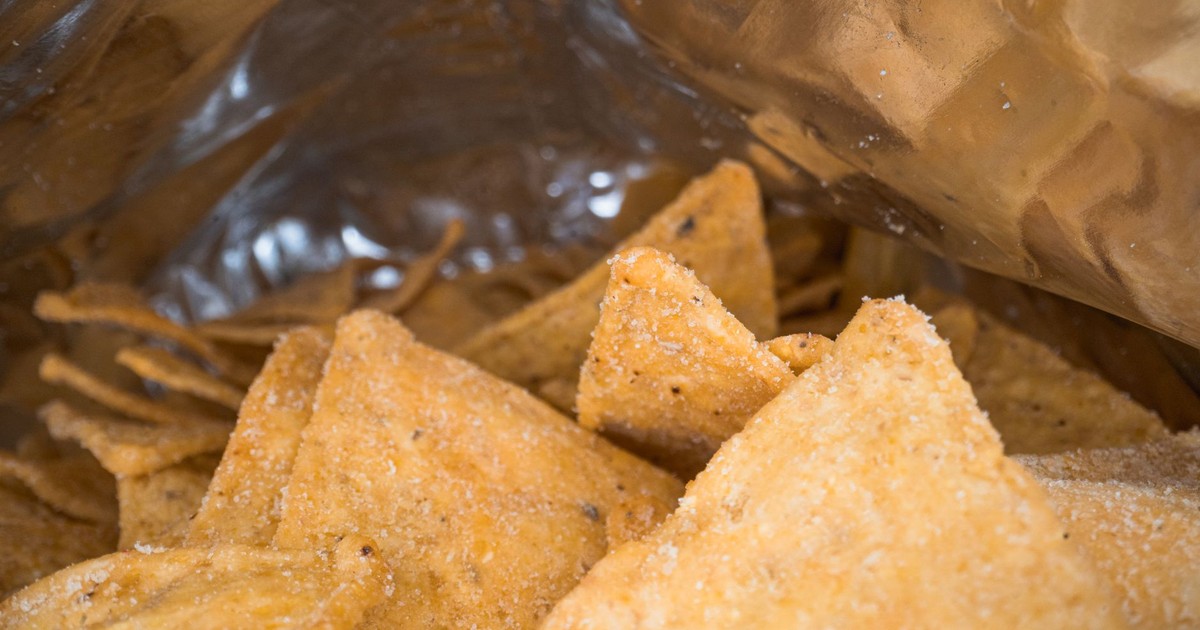
Ultra-processed foods go beyond processed meat to include packaged snack foods, breakfast cereals, flavored yogurts, fast food, sodas, and anything heavily reformulated from its original ingredients. Eating more ultra-processed foods is tied to an increased risk of precancerous colorectal growths in women under 50, according to a study published in JAMA Oncology that included nearly 30,000 women.
Women who consumed the highest amounts of ultra-processed foods had a 45% higher risk of developing conventional adenomas – the colorectal cancer precursor most associated with early-onset colorectal cancer – compared to those consuming the lowest amounts. Adenomas are non-cancerous polyps that, if left undetected, can turn malignant over time. About 75% of colorectal cancers start as these growths.
Researchers believe ultra-processed foods promote colon cancer through multiple routes: disrupting the gut microbiome (the community of bacteria living in the digestive tract), triggering chronic inflammation, and contributing to obesity and insulin resistance, all of which are independently associated with higher cancer risk. Andrew Chan, MD, a gastroenterologist at the Mass General Brigham Cancer Institute and a professor at Harvard Medical School, noted that reducing ultra-processed food intake is a direct strategy to mitigate the growing burden of early-onset colorectal cancer.
Alcohol

Alcohol is a well-established colon cancer risk factor, yet one that often gets underemphasized compared with diet and obesity. A 2018 analysis in Nutrients found that every 10-gram increase in daily alcohol consumption raises colorectal cancer risk by 7% overall. Ten grams is the amount in a standard small glass of wine or about half a regular beer. The association is dose-dependent: the more alcohol consumed, the higher the risk.
Alcohol damages the colon through several mechanisms. It metabolizes into acetaldehyde, a toxic compound that directly harms DNA in colon cells. Alcohol also depletes folate, a B vitamin that plays a role in DNA repair, and increases estrogen levels, which may promote tumor growth. Heavy drinking above 30 grams per day, equivalent to about two standard drinks, is associated with particularly convincing evidence of elevated colorectal cancer risk.
The American Cancer Society notes that the best evidence-based advice is to avoid alcohol entirely for cancer prevention purposes, though it acknowledges that for those who choose to drink, limiting intake reduces relative risk. For anyone with other colorectal cancer risk factors, such as a family history or pre-existing polyps, even moderate drinking deserves a conversation with their doctor.
Refined Carbohydrates and Added Sugar
Sugary drinks, white bread, pastries, white rice, and other refined carbohydrates don’t generate the same headlines as red meat or alcohol, but research published in Frontiers in Nutrition has identified higher dietary carbohydrate intake, particularly refined carbohydrates, as a risk factor for colorectal cancer in men. The proposed mechanism runs through insulin. High-glycemic foods spike blood sugar, forcing the pancreas to release large amounts of insulin. Chronically elevated insulin promotes cell growth in the colon lining, which can accelerate the development of polyps.
Refined carbohydrates are also closely tied to obesity, itself a major independent risk factor. Obese individuals have a 30 to 50% higher risk of developing colorectal cancer compared to those with a healthy weight. Belly fat in particular matters. Central obesity, meaning excess fat stored around the waist, accounts for up to 25% of colorectal cancer cases in men.
Replacing refined grains with whole-grain alternatives, cutting sugary beverages, and keeping added sugar to a minimum addresses this risk pathway directly. These are not dramatic interventions, but they have compounding benefit for gut health over years.
Dietary Fiber and Colon Cancer Foods That Fight Back
Fiber is the most consistently protective dietary factor identified in colorectal cancer research. A widely cited 2011 analysis in BMJ found a 10% reduction in colorectal cancer risk for every 10 grams per day increase in dietary fiber intake. To put that in food terms, 10 grams of fiber is roughly one cup of cooked lentils, or two medium apples, or a bowl of oatmeal. The effect accumulates over time: people eating higher-fiber diets consistently over years accumulate meaningful risk reductions.
Whole grains are a particularly potent source. The American Institute for Cancer Research found, combining data from six studies, that eating 90 grams of whole grains daily, the equivalent of three standard servings of oatmeal, brown rice, or whole wheat bread, reduces colorectal cancer risk by 17%. And a meta-analysis examining fiber intake in colorectal cancer patients found that each additional 5 grams of daily fiber intake correlates with an 18% lower chance of dying from colorectal cancer in those diagnosed.
Fiber speeds the movement of waste through the colon, reducing the time that carcinogens spend in contact with the colon wall. It also feeds beneficial gut bacteria, which produce short-chain fatty acids, compounds that maintain the health of the colon lining and suppress inflammation. Vegetables rich in phytochemicals (plant-based compounds with biological activity), including carrots, leafy greens, and cruciferous vegetables like broccoli, add additional protective layers beyond fiber alone. Good practical targets: 25 – 35 grams of fiber daily, from a wide variety of plant foods.
You can read more about the dietary patterns linked to the rise in colon cancer among young adults and why these trends are alarming doctors working with younger patients.
Legumes
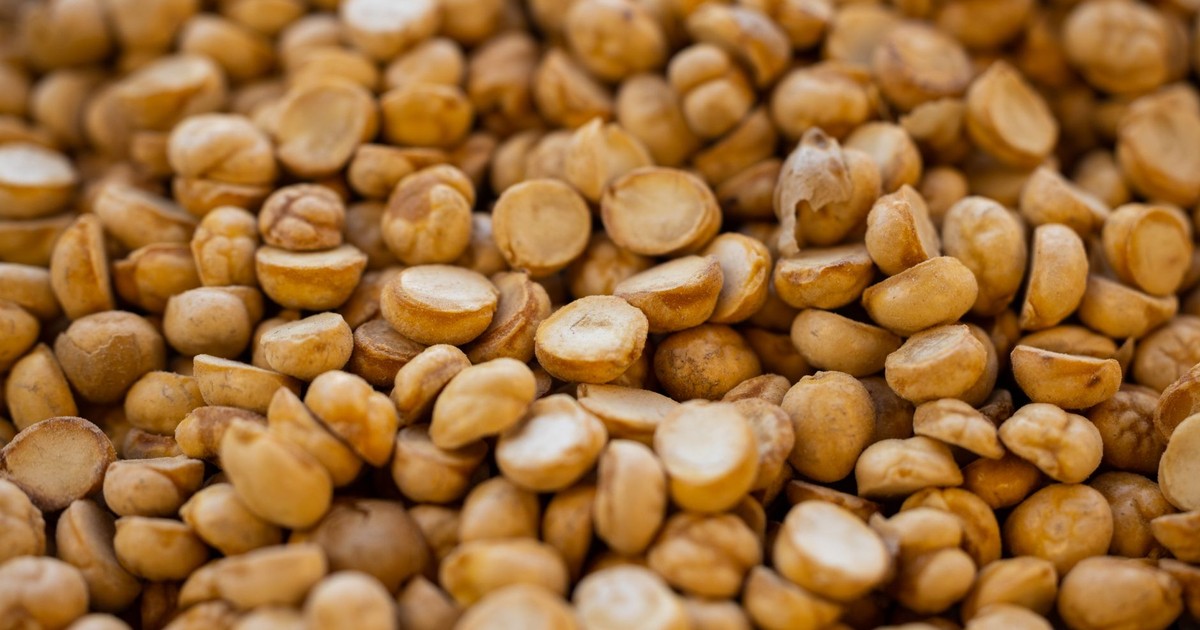
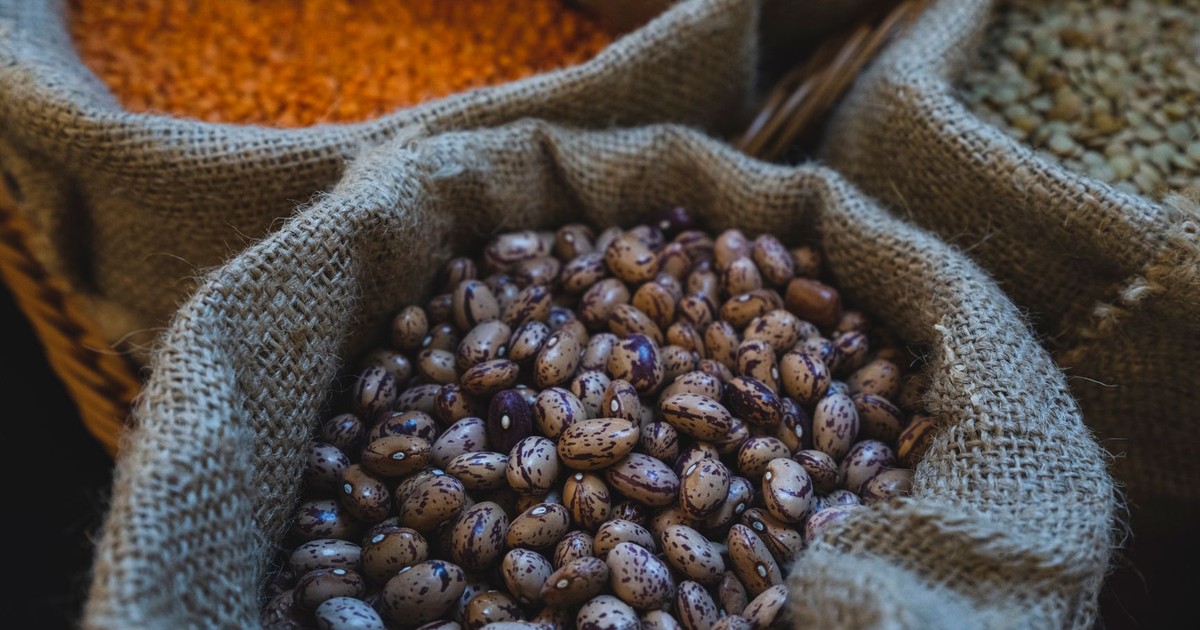
Beans, lentils, chickpeas, and peas occupy a unique position in colorectal cancer research because their protective effect is measurable and dose-responsive. A meta-analysis in BMC Cancer found that higher legume consumption was associated with a 9% lower risk of colorectal cancer overall, compared with lower intake. A 2024 study published in a peer-reviewed nutrition journal sharpened that finding considerably, determining that increasing consumption by just one portion of legumes per week was enough to decrease colorectal cancer risk by 13%.
Legumes owe their protective profile to several components working together. Their high fiber content feeds the same beneficial bacteria that whole grains support. They’re also rich in resistant starch, a type of carbohydrate that escapes digestion in the small intestine and acts as a prebiotic (food for beneficial gut bacteria) in the colon. Black beans, lentils, and chickpeas also contain folate, which plays a role in DNA repair, and phytochemicals with anti-inflammatory properties.
Adding one serving of legumes per week to replace a processed or red meat meal is one of the more efficient dietary trades for reducing colon cancer risk. A half-cup of cooked lentils, a cup of bean soup, or a serving of hummus all count.
Calcium-Rich Dairy Foods

Dairy’s relationship with colorectal cancer risk is one of the more solidly documented protective associations in nutrition research. A 2025 review in Cancer Today found that people who consumed 300 milligrams more calcium per day than those with the lowest calcium intake had a 17% lower risk of colorectal cancer. Three hundred milligrams is about the amount in one cup of milk or a cup of plain yogurt.
The protective mechanism appears to center on calcium’s ability to bind to bile acids and free fatty acids in the gut. Both of these compounds, when present in excess, can damage the lining of the colon and promote cell proliferation. By binding to them, calcium reduces their contact with colon cells. The association holds independent of other dietary factors, suggesting calcium itself, rather than other components of dairy, drives the benefit.
Practical dairy choices for this purpose include low-fat milk, plain yogurt (which also delivers probiotic bacteria), and calcium-set tofu for those who avoid dairy. Non-dairy sources of calcium such as fortified plant milks, sardines with bones, and bok choy provide the mineral without the saturated fat found in higher-fat dairy products.
Berries and Anthocyanin-Rich Fruits
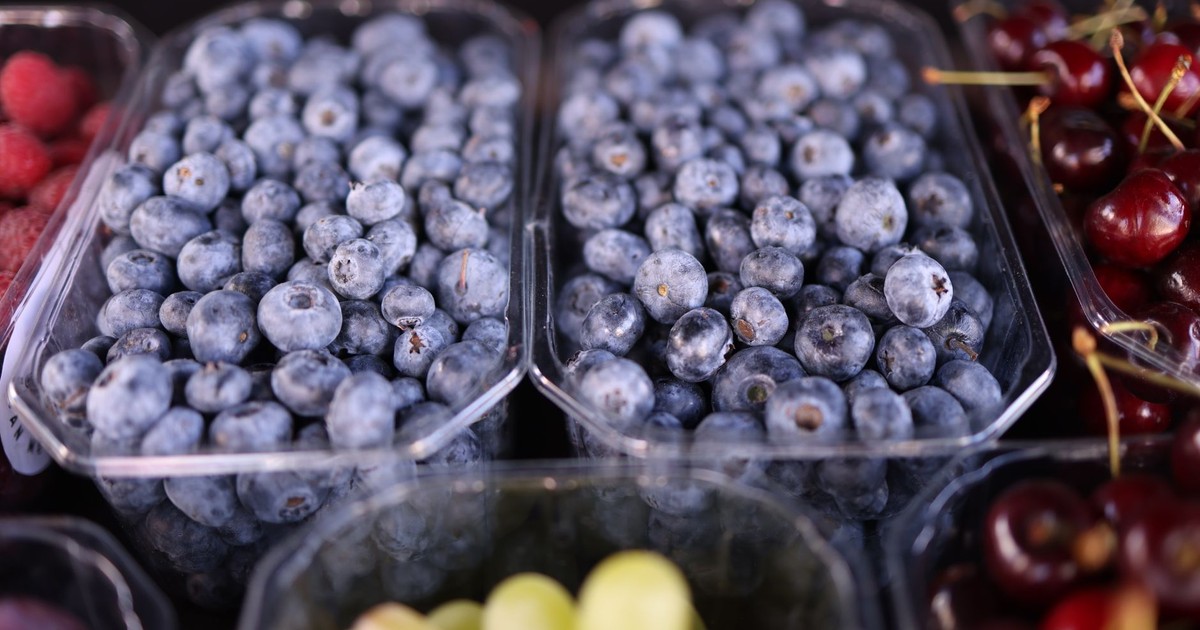
Berries deliver a class of plant compounds called anthocyanins (the pigments that make blueberries blue and raspberries red) that have attracted particular attention in colorectal cancer research. Research published in a 2023 review in Nutrients found that vegetables and fruits rich in phytochemicals like anthocyanins and antioxidants promote a healthy colonic environment by reducing inflammation and oxidative stress (damage caused by unstable molecules called free radicals). Black raspberries have attracted specific attention in laboratory studies for their high anthocyanin concentration, with research showing they can slow cancer cell growth.
Berries also contribute meaningfully to daily fiber intake, which compounds their protective effect. Raspberries contain about 8 grams of fiber per cup, making them one of the highest-fiber fruits available. Blueberries, strawberries, and blackberries similarly provide antioxidants, vitamin C, and folate alongside their anthocyanin content.
Research into the combined effect of multiple phytochemicals working together in whole fruits suggests the protection is greater than any single isolated compound. Eating a variety of berries throughout the week, rather than relying on supplements, gives the colon access to that full range of protective plant chemistry.
Read More: 10 Ways to Help Reduce Your Colon Cancer Risk
The Bottom Line

Diet doesn’t act like medication, where a single dose produces a measurable result. Colon cancer develops over years, often decades, and what you eat repeatedly is what shapes your risk. The research here points to a consistent pattern: diets built around red and processed meats, ultra-processed foods, refined carbohydrates, and alcohol push risk upward, while diets anchored by fiber, whole grains, legumes, calcium-rich foods, and antioxidant-rich fruits pull it downward.
Concrete changes don’t require an all-or-nothing approach. Swapping one red meat meal per week for a legume-based dish, adding a serving of raspberries or a cup of lentil soup to your regular rotation, and cutting back on packaged snacks in favor of whole foods are all changes that accumulate into meaningful risk reduction over time. The American Cancer Society reports that overall colorectal cancer incidence declined 45% from its peak between 1985 and 2022, largely due to increased screening and improvements in modifiable risk factors – confirming that what people eat and how often they get screened genuinely moves the numbers. Colorectal cancer screening is now recommended starting at age 45 for average-risk adults. If you haven’t had that conversation with your doctor, that’s a good place to start.
Disclaimer: This information is not intended to be a substitute for professional medical advice, diagnosis, or treatment and is for information only. Always seek the advice of your physician or another qualified health provider with any questions about your medical condition and/or current medication. Do not disregard professional medical advice or delay seeking advice or treatment because of something you have read here.
AI Disclaimer: This article was created with the assistance of AI tools and reviewed by a human editor.
Read More: E. coli Toxin May Be Driving Increase in Colon Cancer Among Younger Adults