

Alzheimer’s is the most common cause of dementia, affecting around 6.9 million people in the United States aged 65 and older. Alzheimer’s disease causes significant memory loss and affects the afflicted person’s ability to perform everyday activities. In advanced stages, the disease can result in loss of brain function and even death, yet there is currently no cure for it. It’s therefore no surprise that people are constantly looking for ways to treat or prevent the development of Alzheimer’s. Thankfully, a new study has revealed that simply making a small change to your diet can reduce your Alzheimer’s risk. According to researchers, if you are looking to consume nutrients that reduce Alzheimer’s disease, you should consume more choline-rich foods. In this article, we will explore this newly-discovered link between choline and brain health.
The Study on the link Between Choline and Brain Health
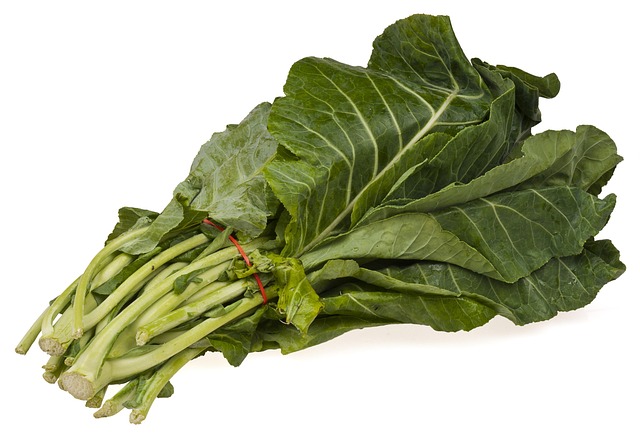
A team of researchers from Washington, D.C, Chicago, and Boston recently revealed that consuming choline-rich foods could potentially lower your Alzheimer’s risk. According to the USDA, this essential micronutrient can be found in dairy products, poultry, some fish, beans, and cruciferous vegetables. For the study, participants who all did not have Alzheimer’s were given dietary questionnaires to answer and underwent neurological exams annually. The average age of the participants for this study was 81. After eight years, the team concluded that eating around 350 milligrams of choline daily was linked to the lowest clinical Alzheimer’s risk in older individuals. These findings are bolstered by a Chinese study conducted in 2024 that found that choline intake improves cognitive function, particularly among women.
Choline-Rich Foods
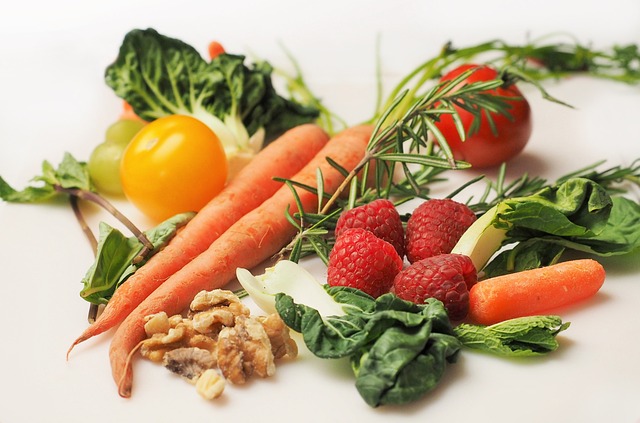
While choline-rich foods include eggs, it should be noted that 90% of an egg’s choline content is found in the yolk. Therefore, if there is any reason you only eat the egg whites, consider taking a choline supplement. It’s always recommended to speak to your doctor about what dosage is right for you, as each individual will have differing needs. For example, premenopausal may require less dietary choline. This is because increased choline levels already trigger the production of choline inside the body.
It’s important to consume adequate nutrients, since your brain uses around 20% to 30% of all the calories you take in. Walnuts also contain nutrients that reduce Alzheimer’s risk such as choline and omega-3 fatty acids. Wild Salmon is also a great option to regularly add to your diet, as well as green, leafy vegetables, and organic blueberries. According to the founder of Amen Clinics in California, Dr. Daniel Amen, “If you had a salad every day, and you put blueberries and salmon and walnuts on it with a little lemon and olive oil, that would be a perfect brain-boosting lunch.”
He went on to say that people should consider taking supplements that bolster brain health, such as a daily multi-vitamin, fish oil, and vitamin D. He added that, “Nearly two-thirds of the American population is low in vitamin D. And if it’s low, it’s a universal risk factor for every bad thing related to your brain, but also to your body, including obesity and cancer … Know and optimize your vitamin D level.”
Read More: Managing High Blood Pressure Could Help Reduce Dementia Risk
Diets Containing Nutrients That Reduce Alzheimer’s Risk

Byeon choline, many nutritionists also recommend the MIND diet, a hybrid of the DASH and Mediterranean diet. This diet was specifically designed by researchers at Rush University Medical Center to help reduce Alzheimer’s risk. In this diet, an emphasis is placed on foods such as nuts, berries, leafy greens, whole grains, olive oil, beans, and fatty fish. According to a study published in 2023, those who most closely adhered to the diet had a 53% lower Alzheimer’s risk. Whereas many diets can be restrictive, the MIND diet is relatively flexible, which makes it easier for people to stick to in the long term. While choline may be one part of the picture, we have to think holistically if we want to make sure we are consuming all of the nutrients that reduce Alzheimer’s risk.
The Bottom Line
There is presently no cure for Alzheimer’s disease, but research into choline and brain health offers a positive outlook. Choline-rich foods such as eggs, salmon, beans, and leafy greens help to protect the brain, particularly as individuals age. However, for those who do not get enough nutrients in their diet, supplements like vitamin D and omega-3s can help with brain health. Following brain-friendly meal plans, such as the MIND diet, can also help lower the risk of cognitive deterioration over time. These diets include foods that are anti-inflammatory and high in antioxidants, which all help to benefit the brain.
Read More: 9 Early Signs of Dementia You Could Be Overlooking