
Vitamin D is one that has found itself in the spotlight often in recent years. Also known as the “sunshine vitamin”, it has long been recognized for its vital role in bone health. Now, emerging research suggests that it might also help to slow down the aging process. This promising finding, however, comes with a caveat: too much vitamin D could potentially increase susceptibility to certain diseases. This is what we know currently.
The Role of Vitamin D in Aging and Telomere Preservation

A recent study conducted at Augusta University in the United States brings new hope that vitamin D supplementation could slow biological aging. It does this by protecting telomeres – the protective caps on our chromosomes that naturally shorten as we age. Researchers tracked 1,031 participants with an average age of 65 over the span of five years. They measured their telomere lengths at the study’s start, after two years, and again after four years.
Again, telomeres are tiny structures located at the ends of chromosomes. You can think of them kind of like the plastic caps on the end of your shoe laces. These telomeres prevent damage to your DNA each time that your cells divide. As you age, telomeres shorten. This is a process linked to a range of age-related diseases, including cancer, heart disease, and osteoarthritis.
In the study, half the participants took 2,000 IU (international units) of vitamin D daily. The rest of the group received a placebo. Those taking vitamin D preserved about 140 base pairs of telomere length compared to the placebo group. Considering that telomeres typically shorten by roughly 460 base pairs every decade, this preservation suggests a meaningful protective effect.
Beyond Bone Health: Vitamin D’s Broader Benefits

Vitamin D is well-known for facilitating calcium absorption, essential for building and maintaining strong bones. This is especially important for children, teenagers, people with darker skin, or those with limited sun exposure. However, new evidence shows that vitamin D also plays a significant role in immune function. Supplementation has been linked to reduced respiratory infections, especially in deficient individuals. Early research also indicates it might help prevent autoimmune diseases such as rheumatoid arthritis, lupus, and multiple sclerosis.
One proposed mechanism behind vitamin D’s protective effects on telomeres is its anti-inflammatory properties. Since inflammation accelerates telomere shortening, reducing inflammation could preserve telomere length and support healthier aging.
The Catch: The Sweet Spot of Vitamin D

While these findings are encouraging, experts caution against high-dose supplementation without medical guidance. The 2,000 IU used in the Augusta University study substantially exceeds the current recommended daily intake, which is 600 IU for adults under 70 and 800 IU for those older. This raises questions about what is the optimal dosage.
Moreover, some scientists warn that excessively long telomeres might paradoxically increase the risk of disease. They suggest that there is a “sweet spot” of telomere length that is optimal for health that we do not yet fully understand. Vitamin D levels and requirements can vary greatly between individuals, influenced by factors such as baseline vitamin D status, overall nutrition, sun exposure, and how vitamin D interacts with other nutrients in the body.
What This Means for You
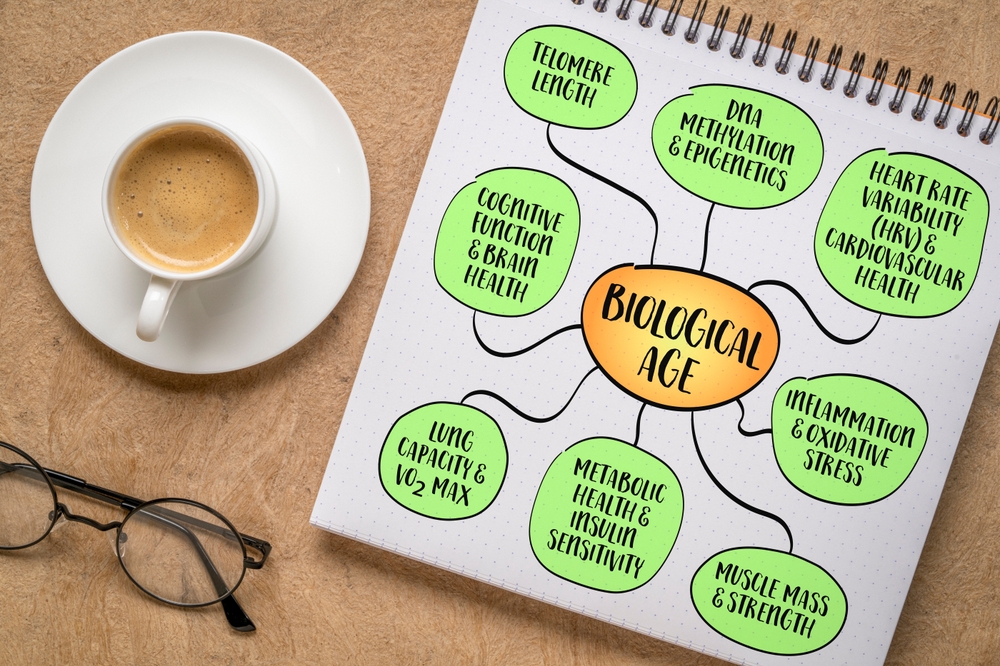
Despite the exciting potential of vitamin D to slow aspects of aging, it’s premature to begin high-dose supplementation specifically for this purpose. Health aging still rests on well-established pillars: a balanced diet, regular exercise, quality sleep, stress management, and avoiding smoking. All of these factors are known to support telomere health naturally.
For those who are deficient in vitamin D or at risk of bone health issues, supplementation remains a safe and effective strategy, validated by decades of research. As scientists continue to explore the complex biology of aging, vitamin D may prove to be one important piece of the puzzle of maintaining cellular health. That being said, moderation and individualized care are key to harnessing its benefits without unintended risks.
Read More: Scientists ‘Reverse Aging’ in 53-Year-Old Woman’s Skin Cells by 30 Years