
Transmissible cancers had never been formally documented in fish – though the naturalist Henry David Thoreau described brown bullhead with similar black spots in Massachusetts ponds as far back as the 1850s. According to Vermont Public, those observations went unexplained for more than 170 years. Then, in 2012, anglers on a border lake shared by Vermont and Quebec started pulling up catfish covered in something that looked, as Tom Jones, a fish biologist with the Vermont Department of Fish and Wildlife, recalled hearing anglers describe it, like black tar smeared across their skin. Nobody knew what it was. Nobody could have predicted what it turned out to be.
A study published in the journal Nature confirmed the tumors are a transmissible cancer, meaning the cancer cells themselves spread directly between fish, behaving less like a typical tumor and more like a parasite. The discovery raises important questions about where this cancer originated, how it will affect fish health and populations, and how cancer works in all animals, including humans. Understanding how a cancer breaks free from one body and colonizes another has implications that reach well beyond a single lake in New England.
In that paper, researchers report that the brown bullhead catfish of Lake Memphremagog is one of just four animals on Earth known to succumb to this rare type of transmissible cancer. The other three are animals most people have heard of – and the history of what that disease did to one of them makes this discovery worth taking seriously.
1. A Contagious Cancer Fish Discovery Unlike Any Before
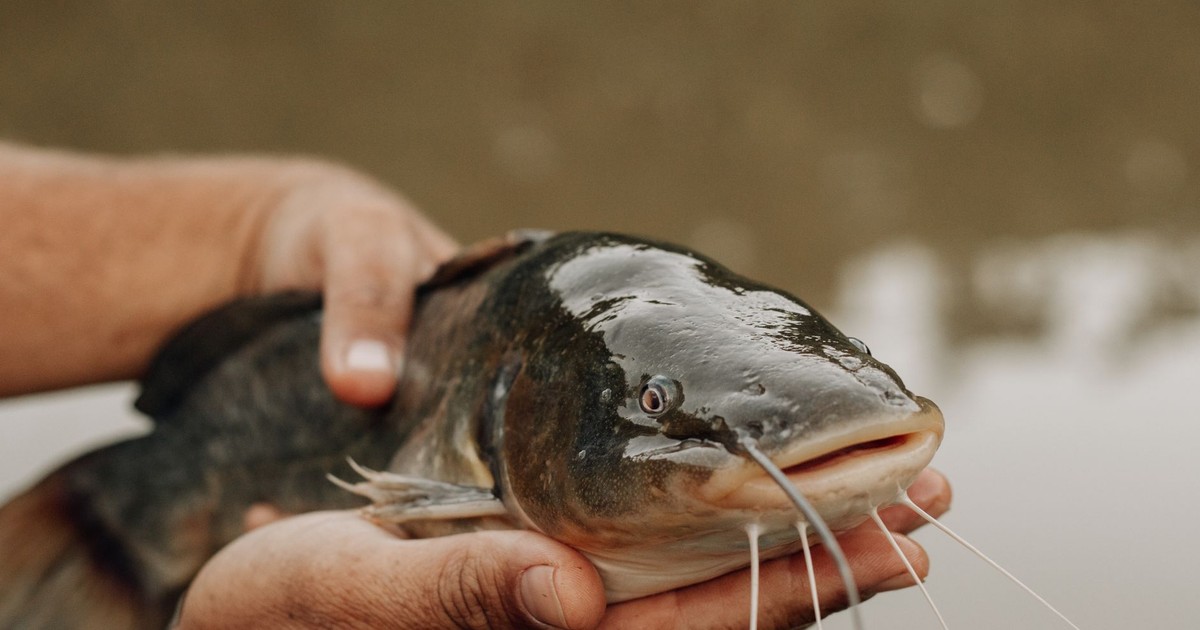
This is the first time a transmissible cancer has been found in a freshwater animal and only the fourth time in any animal. The diseased fish were first found in Lake Memphremagog on the Vermont/Quebec border, but the team has since found fish with this cancer in other lakes in New England and Canada. What makes this so unusual isn’t just that the fish have cancer. Plenty of animals develop tumors. The remarkable part is that these cancer cells are moving between individual animals, functioning less like a malignancy growing inside one host and more like an infectious agent that hops from body to body.
Mark Henderson, a fish biologist and study co-leader at the University of Vermont’s Rubenstein School of Environment and Natural Resources, noted that the cancer “seems to only happen in larger fish that are of spawning age,” suggesting some part of spawning behavior leads to the spreading of the cancer between animals. Researchers believe spawning provides the close physical contact needed for cancer cells to pass between fish. Because brown bullhead are scaleless, bottom-dwelling fish, the cancer cells may also persist in lake sediment and infect other fish through their skin, mouth, or gills. Brown bullhead are a hardy, wide-ranging species distributed broadly across eastern North America and considered an indicator species of water quality – which makes this finding doubly striking. An indicator species is now indicating something scientists have never seen before in a freshwater animal.
The cancer manifests as raised black lesions on the fish’s skin, along with lumpy tumors. These range from non-raised lesions with no evidence of tumor formation but proliferations of melanocytes – the pigment-producing cells – in the dermis and epidermis, to raised black lesions of developed melanomas where the normal skin structure was no longer apparent, with melanocytes invading the underlying muscle and, in some cases, metastasizing to other organs. In the most advanced cases, the cancer reaches the brain and liver.
2. The DNA Evidence That Confirmed Contagion
The most critical question facing researchers wasn’t whether the fish had cancer. That had been established years earlier. The question was whether the cancer in one fish had anything to do with the cancer in another – or whether each fish was simply developing its own independent tumor in response to some shared environmental trigger.
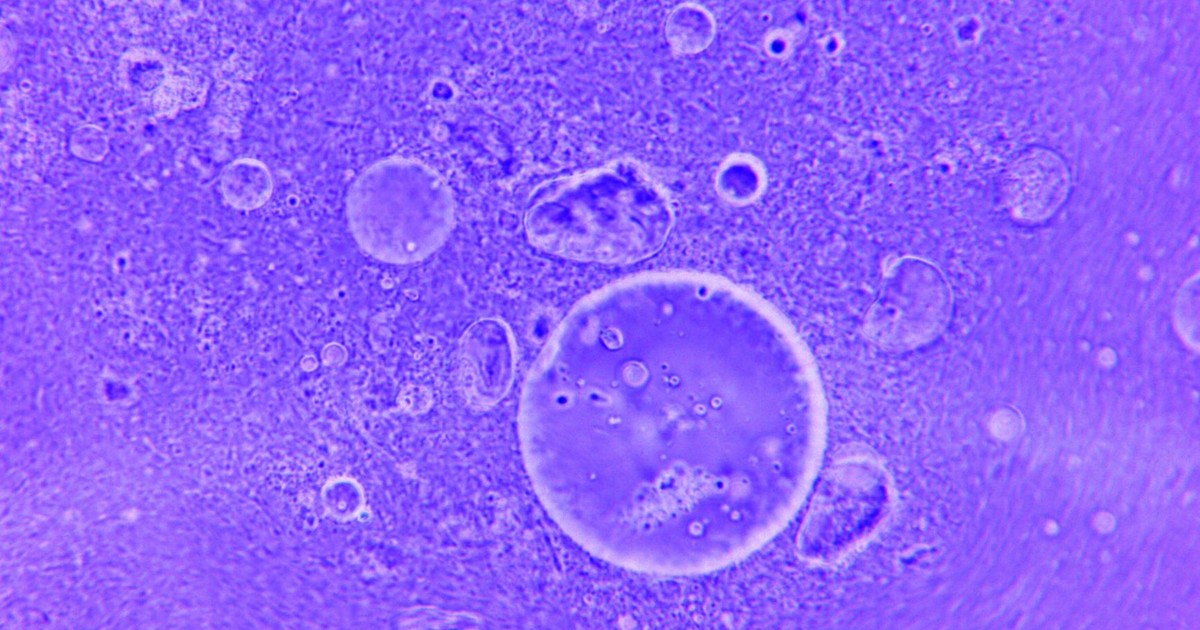
Julie Dragon, the associate professor of microbiology and molecular genetics who directs the bioinformatics core at the University of Vermont, compared the genes of the tumors with those of the surrounding fish tissue and found – to her surprise – that the genes in the tumors were more closely related to each other than to the tissue of the host fish. That is the key genomic signature of a transmissible cancer: the tumor is genetically more similar to tumors in other fish than to the body it’s currently growing in. It’s essentially a foreign organism.
Whole-genome sequencing of tumor and matched non-tumor host tissues revealed that tumor mitochondrial and nuclear genomes are more closely related to each other than to their hosts or unaffected fish. Hundreds of thousands of genetic variants are shared among tumor samples but are absent from host fish, vastly exceeding levels seen in conventional cancers. Genetic evidence also suggests the cancer lineage may have originated outside Lake Memphremagog, although researchers say more work is needed to determine where it first emerged.
3. The Role of Arsenic – and What Was Ruled Out
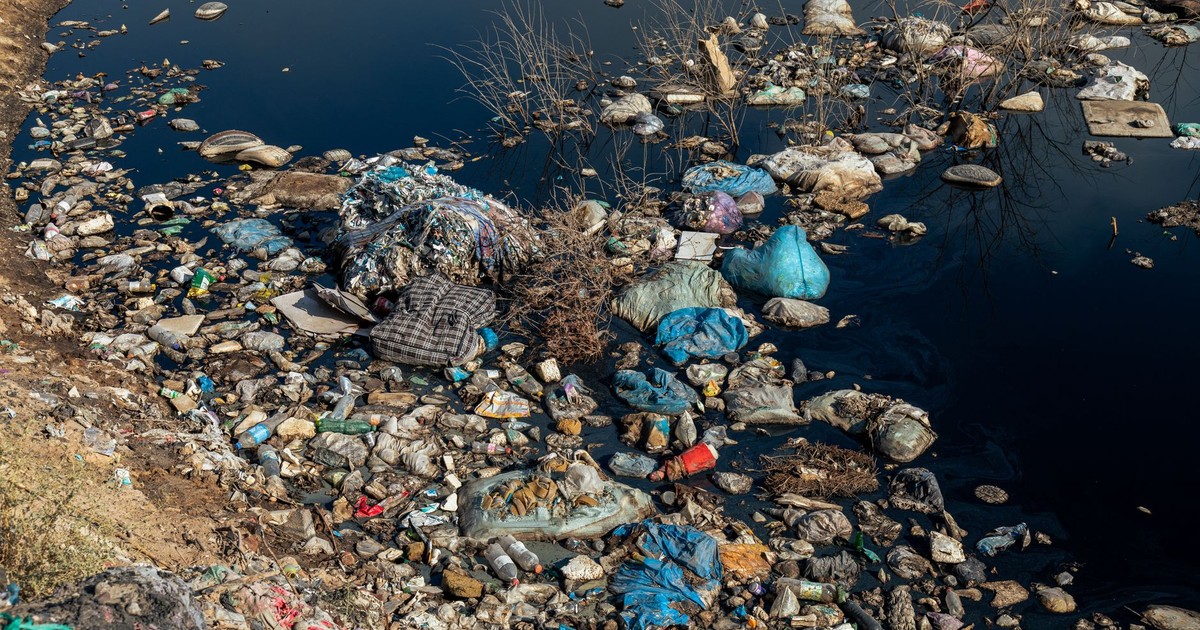
When black lesions started appearing on a third of the fish in a lake that supplies drinking water to a sizable population, the obvious suspect was pollution. The high number of melanomas led scientists to believe the cancer was caused by a contaminant or contagion, partly because Lake Memphremagog serves as a drinking water source for 175,000 people. A nearby landfill drew particular suspicion early on, and Tropical Storm Irene’s 2011 flooding was also floated as a possible cause of runoff-driven contamination.
Neither theory held up. The cancer is found evenly throughout the 32-mile-long lake, in reproductively isolated populations of the fish – not clustered in the lake’s South Bay, near the landfill, as would be expected if the landfill were the culprit. Water quality tests in Lake Memphremagog show the same low levels of pollutants as many other nearby waterbodies and lakes, including Lake Champlain, which isn’t known to have any transmissible melanoma. The study notes that pollutants or hormonal changes could weaken immune systems, making the lake’s brown bullhead more vulnerable to infection, and that naturally occurring arsenic may also play a role. The disease correlates geographically with natural arsenic levels, suggesting arsenic may be a contributing factor in vulnerability, even if it isn’t the direct cause of transmission.
The distinction matters. Environmental contamination causing cancer in individual fish is a familiar, manageable problem. A cancer actively spreading between fish like an infection is something else entirely. The cancer’s ecological impact remains uncertain. While some transmissible cancers are devastating – the Tasmanian devil tumor has wiped out 90% of some populations – others, like the dog tumor, coexist with their hosts and have for thousands of years. Which category this catfish cancer falls into is still an open question.
4. The Three Precedents – and What They Tell Us

This is the first transmissible cancer ever identified in a freshwater animal, but it isn’t the first time science has documented a cancer spreading between animals like a contagious disease. Three previous examples exist, and they are strikingly varied in how dangerous they turned out to be.
The most catastrophic is the Tasmanian devil. Devil facial tumour disease (DFTD) has swept across nearly the entire species’ range, resulting in localized declines exceeding 90% and an overall species decline of more than 80% in less than 20 years. Although cancer rarely acts as an infectious disease, the transmissible cancer in Tasmanian devils is virtually 100% fatal. The disease first appeared in 1996 and spreads when devils bite each other – a common behavior during feeding and mating. It has pushed the species to the brink of extinction.
Dogs tell a very different story. The canine transmissible venereal tumor (CTVT) is generally not fatal to domesticated dogs. It spreads through physical contact during mating and typically regresses on its own or responds well to treatment. Despite circulating in canine populations for a very long time, it has not driven any population to collapse. A transmissible cancer affecting marine bivalves – clams, mussels, and cockles – along the east coast of North America has apparently been causing some declines, though the extent of losses is not yet fully known. Together, these three precedents show that transmissible cancers exist on a wide spectrum of lethality. The catfish cancer’s position on that spectrum is something researchers are still working to determine.
For those interested in how diet and environmental factors intersect with cancer risk more broadly, research into fish consumption and cancer has shown that what fish eat – and what surrounds them – can have meaningful biological consequences up the food chain.
5. The Spread Beyond One Lake – and What Thoreau May Have Seen
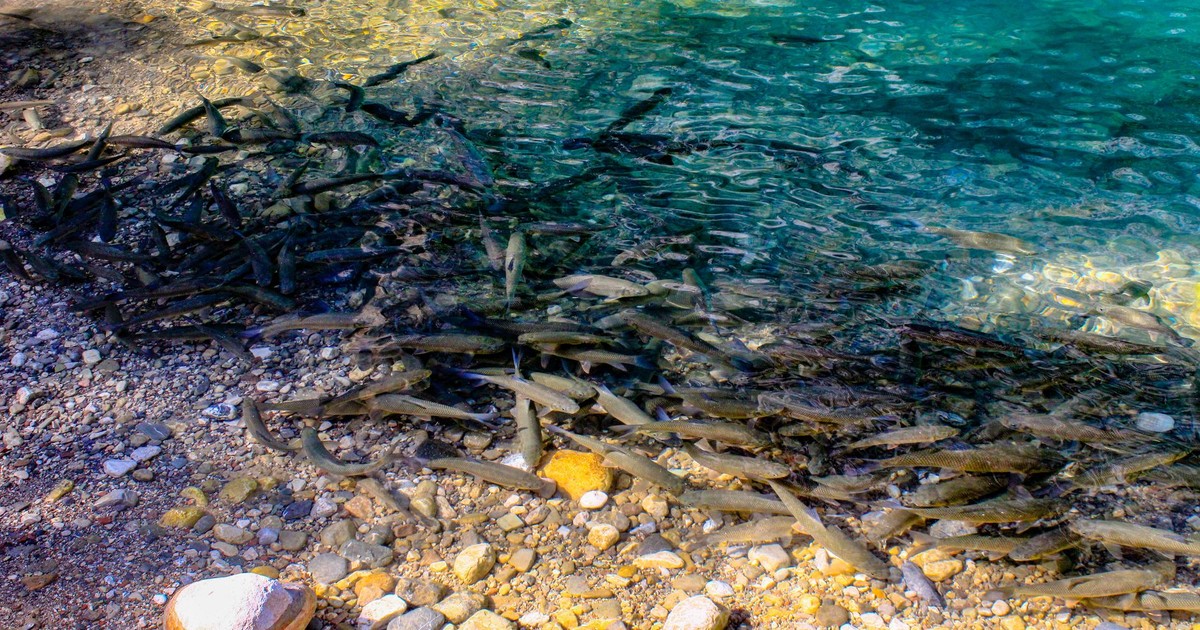
Since 2012, anglers and biologists have reported a striking increase in brown bullhead catfish with raised black skin patches in the cross-border lake shared by Vermont and Quebec. By 2014, nearly one in three fish showed the dark lesions. That prevalence was striking enough to sustain years of investigation. Now the picture has grown more complicated. Sampling has expanded far beyond Lake Memphremagog, and the cancer has turned up elsewhere.
The discovery has prompted researchers to begin sampling additional waterways in Vermont, New Hampshire, Maine, and New Brunswick. The cancer’s presence across multiple states and a Canadian province suggests it is not a localized anomaly tied to one lake’s particular conditions. It may have been circulating undetected across northeastern North America for years, or even decades. The first documented observation of the catfish cancer may be from Massachusetts, in the journals of Henry David Thoreau. In July 1852, Thoreau was on the Concord River and wrote of a catfish with “a very large velvet-black spot, which included the right pectoral fin; a kind of disease I have often observed on them.” Six years later, Thoreau again wrote about a pout on the Assabet River lying on the bottom, appearing diseased, with “nearly half the head” covered in “an inky-black kind of leprosy.” Scientists are currently exploring ponds and rivers in Massachusetts to learn more about the distribution of the cancer and to see if it may have originated there.
Julie Dragon has stated clearly that the cancer has not been seen in any other catfish or bottom-dwelling fish in the lake, and that the research team does not believe it can pass to any other species. “We obviously haven’t tested it, but it doesn’t appear that it can. So I don’t think there’s a threat to the public.” Brown bullheads remain plentiful in the lake, suggesting the cancer doesn’t quickly kill the fish, even though it invades internal organs. Whether that remains true as the cancer continues to spread is something scientists are actively monitoring.
Read More: 6 Types of Fish With as Much Omega-3 as Salmon
What This Means for Science – and for Us

Julie Dragon has emphasized that understanding this newly discovered transmissible cancer could offer new insights into cancer biology more broadly. “By studying how cancers survive and spread outside their original host, we can learn a great deal about what keeps cancers contained – and what happens when those boundaries break down,” she said. In most species, tumors arise, grow, and die with their host. Understanding why a handful of cancers have broken that rule – and managed to become self-sustaining across an entire population – could open doors to understanding cancer containment in general.
Dragon believes these catfish may hold clues about how tumors spread throughout our own bodies. “We still don’t really understand this event where a cell leaves the tumor, moves through the bloodstream, gets into a new organ,” she says. Scientists in this field believe nature likely holds many similar discoveries in store. This is only the fourth time a transmissible cancer has been found in any animal – and given how long these conditions appear to go undetected, the true number circulating in wildlife may be considerably higher. The brown bullhead catfish of Lake Memphremagog – a bottom-dweller that most people have never heard of – has just become one of the most scientifically significant fish in the world.
Disclaimer: This information is not intended to be a substitute for professional medical advice, diagnosis, or treatment and is for information only. Always seek the advice of your physician or another qualified health provider with any questions about your medical condition and/or current medication. Do not disregard professional medical advice or delay seeking advice or treatment because of something you have read here.
AI Disclaimer: This article was created with the assistance of AI tools and reviewed by a human editor.
Read More: A Cancer-Killing Virus Just Stopped Pancreatic Tumors in 3 Patients