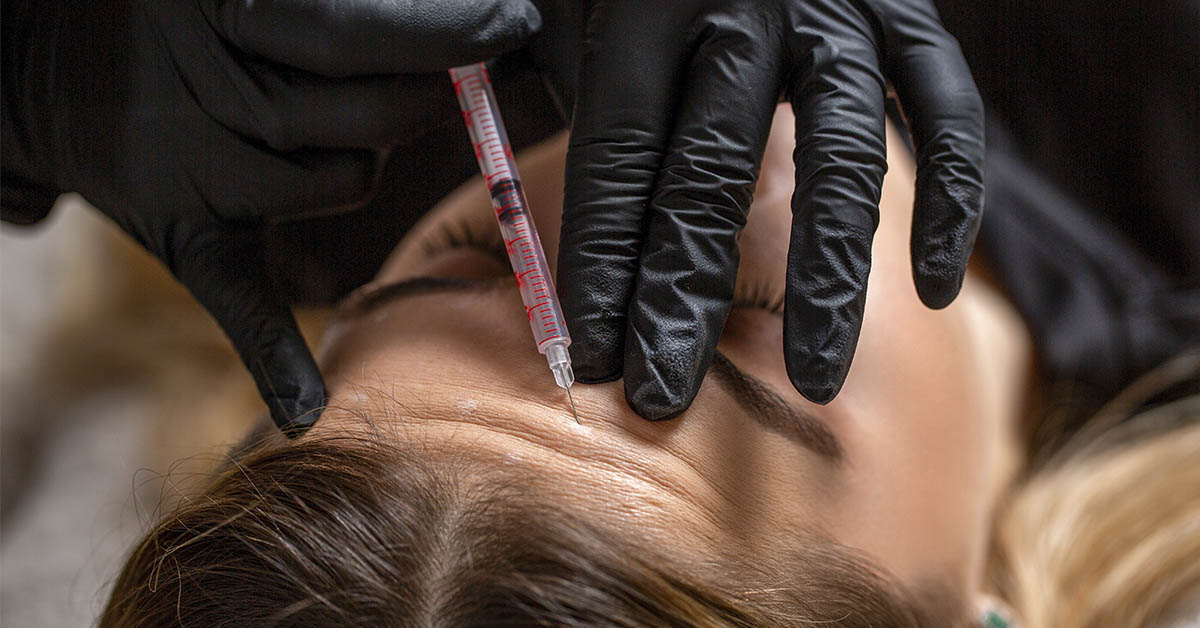

Deciding whether to get Botox can feel confusing, especially when marketing claims and results don’t always match. That is why Dr. Bita Farrell’s split-face experiment is so compelling. Usually, we only see the typical before-and-after photos. However, Dr. Farrell injected only the right side of her lower face and then filmed how each side moved two weeks later. The untreated side pulled down as usual, while the treated side barely moved.
In this article, we will use her experiment as a starting point to explain how Botox actually works and if it is worth considering. We will learn how injections change the muscle balance, where Botox originated, and its application for medical conditions before cosmetics. We also cover proven benefits, real risks, and whether you are a good candidate. Finally, we will take a look at what to expect, covering everything from consultation to aftercare.
A Doctor’s Half-Face Experiment With Botox
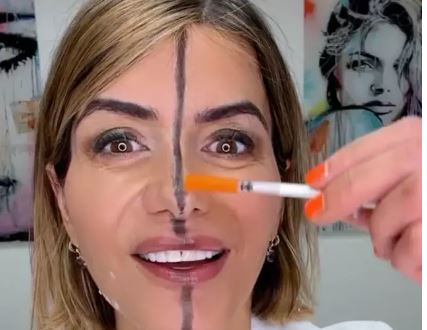
Deciding whether to try Botox seems to be a growing issue, and one physician’s self-experiment offers a clear indication of what it can do. In June last year, former UCLA Clinical Professor Dr. Farrell filmed herself after acting as her own “lab rat.” However, she wasn’t satisfied with just showing before-and-after photos. Instead, she injected only the right side of her lower face to demonstrate how neuromodulators change movement and shape. Botox is a prescription form of botulinum toxin that temporarily relaxes targeted muscles. Although originally used for medical conditions, it’s now widely used for cosmetic smoothing, as unmoving muscles help create smoother-looking skin.
Two weeks after treatment, Dr. Farrell recorded a video trying to contract her lower-face muscles. On camera, the difference was very apparent. The untreated left side moved freely, while the right side, the botoxed side, showed little to no movement. She had specifically targeted the depressor anguli oris (DAO), the muscle that drags the corners of the mouth downward. She also targeted the platysma, the sheet-like neck muscle that contributes to how the jawline pulls and certain facial expressions. With more than 20 years of injecting experience, she was able to illustrate the function of Botox, not just aesthetics. This demonstration made the mechanism more tangible to the public. It showed that if you reduce the activity of the muscles that pull down, the face can appear naturally lifted.
How Relaxing “Downward” Muscles Help Lift the Face
Basically, our facial muscles generally pull either up or down. When the muscles that tug the lower face downward are relaxed with a neuromodulator, the upward-pulling muscles gain relative dominance. Chief among those is the zygomaticus group in the midface. They help elevate the corners of the mouth and contribute to a lifted, “happier” expression. By weakening the downward forces, the upward vectors dominate, subtly elevating tissues and smoothing lines created by repetitive pulling. In practice, that can translate into several visible benefits. Softening the DAO can reduce a perma-frown or “resting sad face”. It can also lessen marionette lines around the chin and make the corners of the mouth look less turned down. Additionally, dosing the platysma can slightly lift the neck, help refine the jawline, and reduce the early look of jowls. Combined, these changes may also ease the appearance of nasolabial folds by improving overall facial balance.
Importantly, this is not a filler effect; Botox doesn’t actually add any volume. Instead, it changes muscle tone and the direction of pull, which can make cheeks appear a touch fuller and more elevated. This is because the midface isn’t being dragged downward as intensely anymore. Dr. Farrell’s split-face video was able to capture this dynamic in action. The treated side stayed relatively still when she contracted her lower face, while the untreated side pulled down as usual. For anyone on the fence, her experiment reveals that lower-face Botox can produce a subtle lift and softer lines. However, this is provided that it’s done by an experienced injector who understands anatomy and balance. As always, any treatment should be individualized to the patient. Yet the results are evident: relaxing the muscles that pull the face downward lets the natural lifters do their job
Where Does Botox Come From?
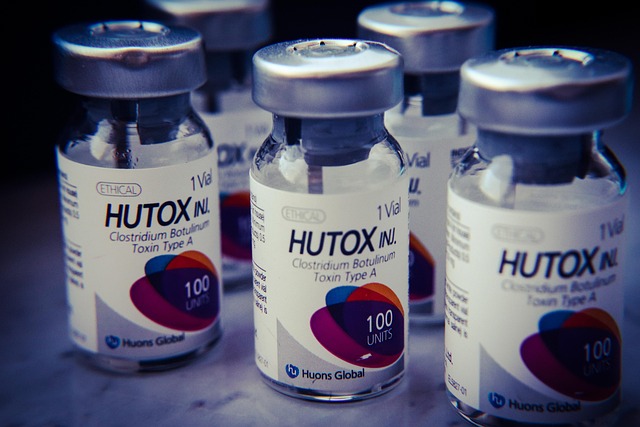
Botox’s history starts with food poisoning cases in the 1800s. Between 1817 and 1822, a German doctor named Justinus Kerner carefully described botulism after outbreaks linked to spoiled sausages. He even suggested that tiny, controlled doses of the poison might help certain medical problems. In 1895, a Belgian scientist, Émile van Ermengem, studied an outbreak of salted ham and identified the bacterium that makes the toxin. It was later named Clostridium botulinum. However, modern medical use began much later. In the 1970s and 1980s, an eye doctor, Alan B. Scott, tested very small injections of botulinum toxin type A. His aim was to relax overactive eye muscles in people with crossed eyes and eyelid spasms. He called his product Oculinum and showed that careful dosing could safely weaken targeted muscles. In 1989, the U.S. Food and Drug Administration approved botulinum toxin type A for those eye conditions.
This was the first official green light for medical use. In 1991, the company Allergan bought Oculinum and renamed it Botox. Doctors soon noticed a side benefit in treated patients. Frown lines looked softer because the muscles could not pull as strongly. After more studies, the FDA approved BOTOX Cosmetic in 2002. This allowed doctors to use it for temporarily smoothing moderate to severe frown lines between the eyebrows. Approvals continued as more research came to light. In 2004, Botox gained approval for severe underarm sweating, and in 2010, it was approved to help prevent chronic migraine. In 2013, it received approval for lines at the outer corners of the eyes, often called crow’s feet. Other medical uses were added over time, including muscle spasticity and an overactive bladder. The idea behind every use is the same: Botox relaxes specific muscles by blocking nerve signals.
The Benefits of Botox
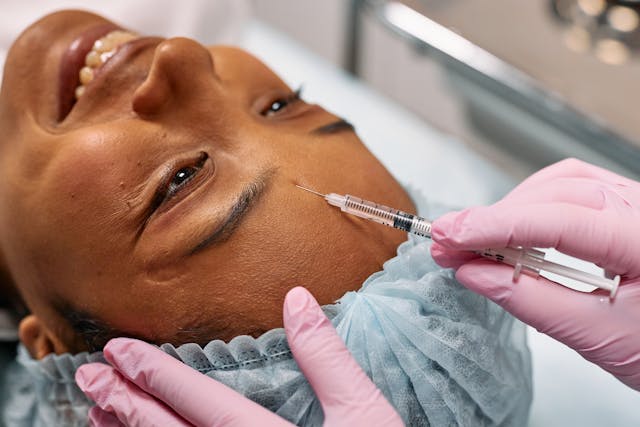
Used correctly, Botox offers both cosmetic and medical benefits backed by clinical research and regulatory approvals. For appearance, small injections can relax specific facial muscles so frown lines and crow’s feet look softer. Results usually appear within days and often last three to four months. This is why many dermatologists use it for wrinkle smoothing. Beyond cosmetics, Botox helps several health conditions. As we mentioned earlier, it is approved to prevent chronic migraine in adults who have frequent headaches. Studies in the PREEMPT program revealed fewer headaches and improved quality of life, supporting its use every 12 weeks. Botox also reduces excessive underarm sweating when prescription antiperspirants are not enough. By blocking the nerve signal to sweat glands, injections can markedly cut sweat production for months. Clinical groups that focus on hyperhidrosis report high response rates across the underarms, hands, and feet, with repeat sessions.
For movement disorders, Botox can lessen neck spasms and pain in cervical dystonia. It also reduces muscle stiffness in limb spasticity after stroke and other neurologic conditions. These medical uses are included in official labeling and can improve daily function when part of a full care plan. Other benefits include treatment of overactive bladder-related symptoms and certain eye problems, such as eyelid spasms and crossed eyes, bringing relief without surgery. Major medical centers also note Botox’s role in controlling drooling and specific facial nerve disorders in selected patients. Across these uses, the shared mechanism is temporary, localized chemodenervation. By dialing down overactivity, Botox can reduce pain, limit symptoms, and improve comfort or appearance with a short, office-based procedure. Expert guidelines and long-running studies support its effectiveness when the product is genuine and the injector is properly trained.
The Dangers of Botox
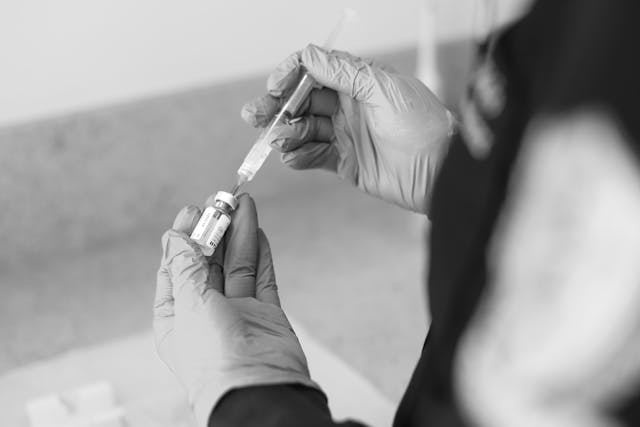
Botox is widely used, but it still carries real risks that you should be aware of. The U.S. FDA places a boxed warning on botulinum toxin products about the rare possibility that effects can spread beyond the injection site. This may cause botulism-like symptoms, such as having trouble swallowing or breathing. These symptoms have been reported hours to weeks after treatment, and require urgent medical care. However, more common problems are local and typically temporary. People can potentially experience pain, swelling, bruising, headache, flu-like symptoms, and eyelid droop after facial injections. Yet most of these side effects improve within days to weeks. It should be noted that the technique used matters a lot. If the toxin diffuses to nearby muscles, temporary weakness can cause asymmetry. It can also result in changes to your smile, dry mouth, or difficulty opening the jaw, especially with lower face or neck treatments. Certain groups of people tend to face a higher risk.
People with neuromuscular disorders or those taking drugs like aminoglycoside antibiotics can experience stronger effects and are advised to avoid treatment. Pregnant or breastfeeding patients are generally not treated due to limited available safety data. High cumulative doses and short intervals between sessions may increase the likelihood of antibody formation, potentially reducing effectiveness. On rare occasions, it may lead to more generalized weakness. This risk appears lower with typical cosmetic dosing but rises with long-term, high-dose therapeutic use.
Furthermore, an alarming safety issue is on the rise and involves counterfeit or mishandled products and unlicensed injectors. In 2024, the FDA and CDC warned about hospitalizations linked to fake or improperly sourced botulinum toxin. Public health alerts have advised getting an immediate evaluation if botulism is suspected. They also stressed verifying that genuine, approved products are used in medical settings. Ultimately, most professional societies note that when trained clinicians use approved products in the right patients, serious events are uncommon.
Who Is and Isn’t a Good Candidate
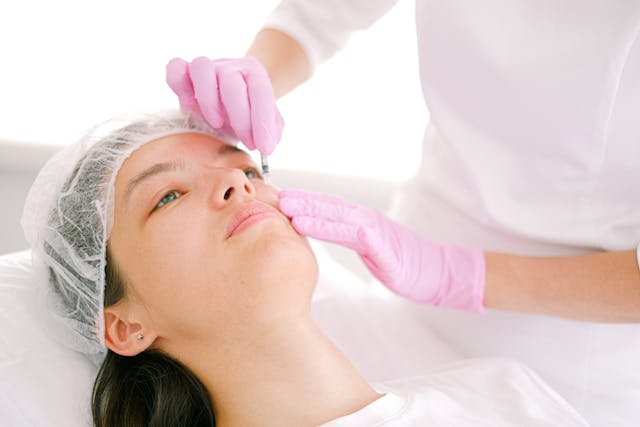
Botox can be a good option if you want to soften dynamic lines caused by muscle movement. It can also be beneficial in treating approved medical issues such as chronic migraine or excessive underarm sweating. The best candidates are healthy adults with realistic expectations who understand that results are temporary and dose-dependent. However, people who are pregnant or breastfeeding, or who have certain neuromuscular disorders, should not receive treatment. A careful review of your medical history and medications matters. This is because drugs that affect neuromuscular signaling can change how safe the procedure is. A pre-treatment examination should map out your facial movement, review risks, and outline a follow-up plan for touch-ups if needed.
Choosing a qualified injector is just as important as deciding to have Botox at all. Look for a board-certified dermatologist or plastic surgeon (or a clinician working under their supervision). Make sure they use FDA-approved products, maintain medical-grade storage, and follow established dosing guidance. Professionals emphasize that technique, anatomy knowledge, and authentic product reduce the chance of side effects and asymmetry. Experts advise verifying the setting, credentials, and product before proceeding due to last year’s report on counterfeit products. Ask where the product is obtained, how it is stored, and what the plan is if complications occur. A reputable practice will typically provide informed consent, aftercare instructions, and access for follow-up.
Read More: Is The Skin On Your Neck Starting To Sag? Here’s Why And What To Do About It
What to Expect
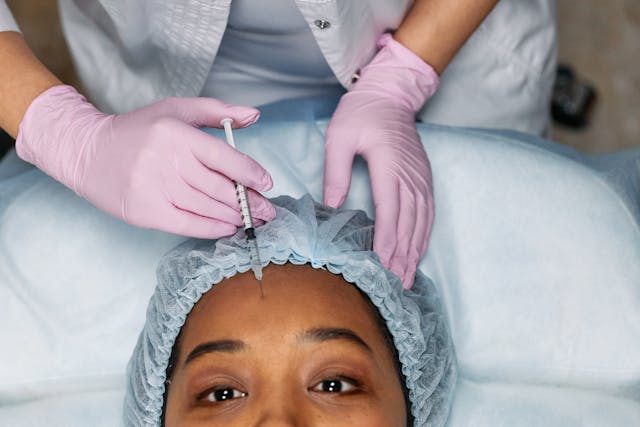
Most people notice early changes within three to five days, with full effect around 10 to 14 days. Your injector may schedule a brief review after two weeks to assess facial symmetry and fine-tune small areas if appropriate. Results commonly last about three to four months, though duration varies by dose and other individual factors. With repeated, well-spaced treatments, some patients find intervals can lengthen slightly as targeted muscles weaken from disuse. Your clinician will help tailor the timing to your goals and response. Aftercare is pretty simple but still very important. You can usually resume normal activities right away, but avoid rubbing or massaging treated areas for the first day. This is because that can shift the toxin and cause temporary weakness where you do not want it. Mild redness, swelling, or bruising may occur and typically settle within days.
Headaches or a heavy sensation can happen briefly and usually improve without treatment. Your provider should explain warning signs that need attention, such as trouble swallowing or breathing, which are rare but require urgent evaluation. Keeping realistic expectations, following aftercare, and returning for maintenance sessions every few months helps minimize risks over time. If you have a big event, plan treatment at least two weeks ahead so the effect can settle. Avoid strenuous facial massages, saunas, or hot yoga on day one because heat and pressure may shift the toxin. Light exercise is usually fine after a few hours if your provider agrees. To lower bruising risk, some clinicians suggest avoiding alcohol and non-essential blood thinners for several days beforehand. Photos at baseline and at two weeks help track subtle changes and guide future dosing. If an area feels “too still,” small adjustments at a later visit can restore balance.
The Bottom Line
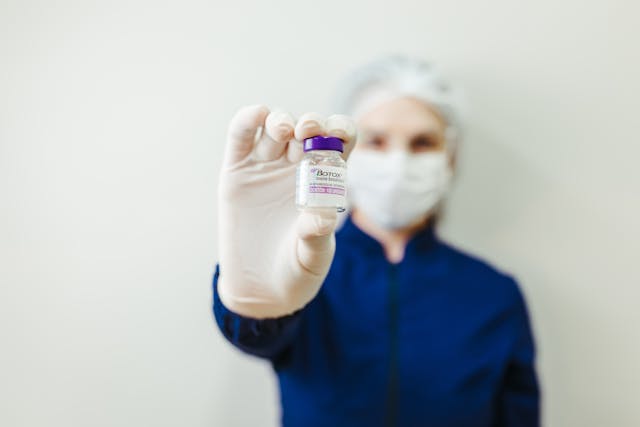
Dr. Bita Farrell’s split-face experiment turns abstract science into something you can see. By relaxing the muscles that pull the lower face downward, Botox lets natural lifters work more effectively, creating a subtle, fresher look without adding volume. The history shows how a feared toxin became a regulated medical tool used for eye disorders, migraines, sweating, spasticity, and aesthetic concerns. The benefits are real when treatment is individualized, dosing is conservative, and the product is genuine. The risks are also real, from short-term bruising and eyelid droop to rare, serious symptoms that require urgent care.
Good candidates understand both sides and choose trained injectors who use approved products in medical settings. If you are considering Botox, start with a consultation that reviews your health and sets clear goals. Plan treatments at least two weeks before important events and follow simple aftercare to reduce unwanted spread. Expect results within two weeks and lasting effects for three to four months, with maintenance spaced to your response. Keep photos to track progress and adjust dosing over time. In short, informed choices will help you make the best decision for yourself.
Disclaimer: This article was created with AI assistance and edited by a human for accuracy and clarity.
Read More: Breakthrough Reveals How Botox Infiltrates Brain Cells