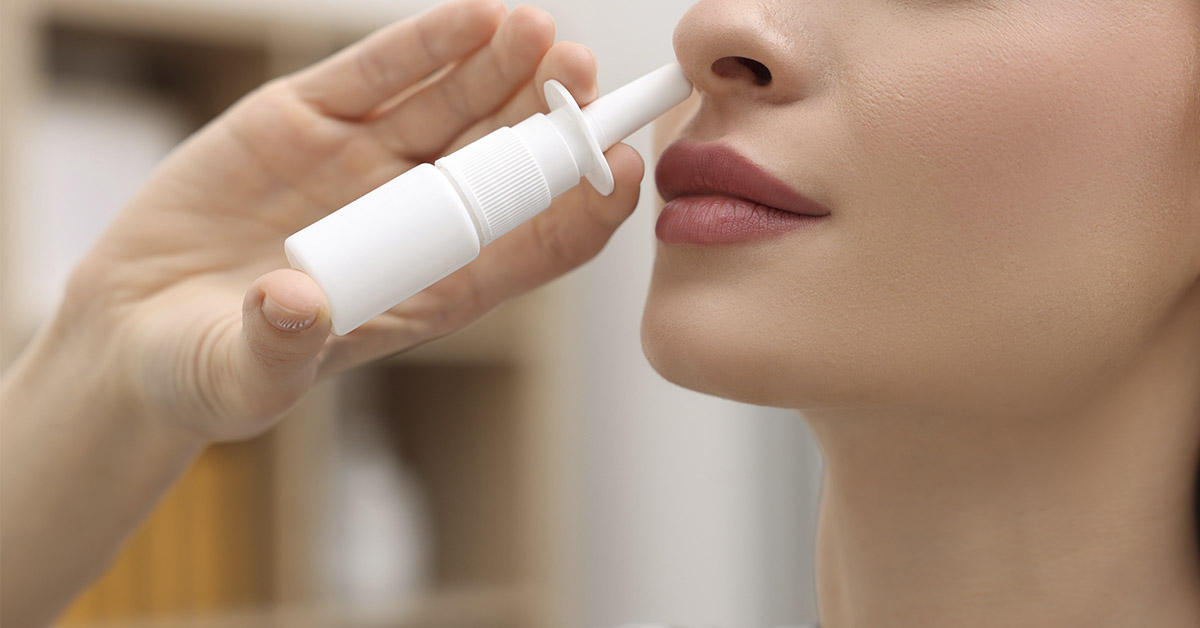

According to a new clinical trial, using a specific anti-allergy nasal spray can potentially prevent you from getting a COVID infection. Best of all, it has proven to be a safe and effective treatment over the years and is available straight over the counter. Known as azelastine, the antihistamine acts as an antiviral against various respiratory infections, ranging from RSV to influenza. Let’s learn more about the new findings regarding the nasal spray and COVID prevention.
The Study On the Anti-Allergy Nasal Spray and COVID Prevention

For the study, researchers from the Saarland University Hospital recruited 450 participants, the majority of whom were in their early 30s. The participants were then split into two groups. The first group consisted of 227 people who sprayed the nasal spray in each nostril, three times per day.
The second group was told to do the same; however, their bottles were filled with a placebo. Over the following two months, everyone was given rapid tests for COVID twice per week. The results showed that 2.2% of the group who had been administered the azelastine got COVID compared to 6.7% in the group that was given a placebo. The study additionally found that the rates of other respiratory infections were also reduced in the azelastine group.
It is still unknown why the nasal spray seems to be so effective at preventing COVID infections. However, the researchers have indicated that the spray could potentially bind to the virus in the moist membrane that lines the nose, called the nasal mucosa. It is through these membranes that pathogens typically enter the body.
Another theory is that the nasal spray interacts with the ACE2 receptor, which the COVID virus usually uses as an entry point, enabling the virus to access and latch on to human cells. According to the senior author of the study, Dr. Robert Bals, “Our findings suggest azelastine could serve as a scalable, over-the-counter prophylactic against Covid, especially when community transmission is elevated or in high-risk settings such as crowded indoor events or travelling.”
Additionally, the nasal spray is relatively cheap, costing around $10 to $30 for a 30-day supply. Furthermore, the FDA has already proven that it is safe to use in individuals aged six upwards. The nasal spray is currently approved by the FDA for rhinitis, a condition characterized by inflamed nasal passages.
According to researchers, the nasal spray may calm a specific kind of protein present in the nose that occasionally triggers nasal hypersensitivity. When the protein, called TRPV1 is overactive, it can trigger inflammation, leading to damage of the nasal lining. This damage can make it easier for viruses to enter the body.
Limitations and Criticisms
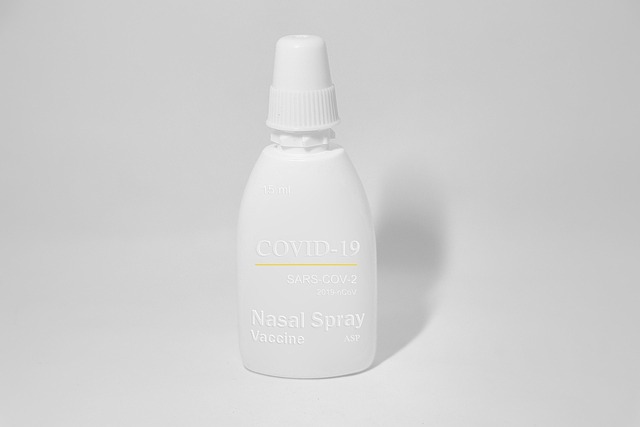
While the results are promising, the nasal spray and COVID prevention study does have certain limitations and has faced some criticism. For example, all of the participants were relatively healthy and young. The authors also added that more studies involving larger groups of participants were still required before the nasal spray can be recommended as a preventative measure.
Additionally, they stressed that it should not be considered a replacement for vaccines. Some critics have asked whether simply wearing a mask wouldn’t be easier, considering the intense daily regimen of nasal spraying required. However, some people might actually find it easier to simply spray their noses a few times a day than wear a mask all day.
Considering that the participants were all young and healthy, others have said that more studies are required to determine how the elderly and other high-risk groups react to the treatment. While many feel that there is still insufficient evidence to widely endorse it just yet, it could prove to be useful for those already using the spray for their allergies.
However, the results do provide indication that the nasal mucosa could serve as a significant target for future vaccines for both COVID and other viruses that attack the respiratory system. This would be very beneficial, as the current vaccines for COVID don’t offer much protection against other infections.
The Bottom Line
While still in their early stage, these initial trials on nasal spray and COVID prevention are proving to be promising. The nasal spray is cheap and easily accessible and has a proven record regarding its safety and efficacy. Now, what is required are larger trials involving a more comprehensive presentation of the population.
Since the participants in the study were largely young and healthy, they still need to learn how the treatment will affect people regarded as “high-risk”, such as the elderly. However, if it proves to be effective, it could serve as an additional preventative measure. Yet, researchers have stated that its use should be supplementary and not replace other proven measures such as vaccines and wearing masks.
Read More: FDA Approves First-Ever Blood Test to Diagnose Alzheimer’s