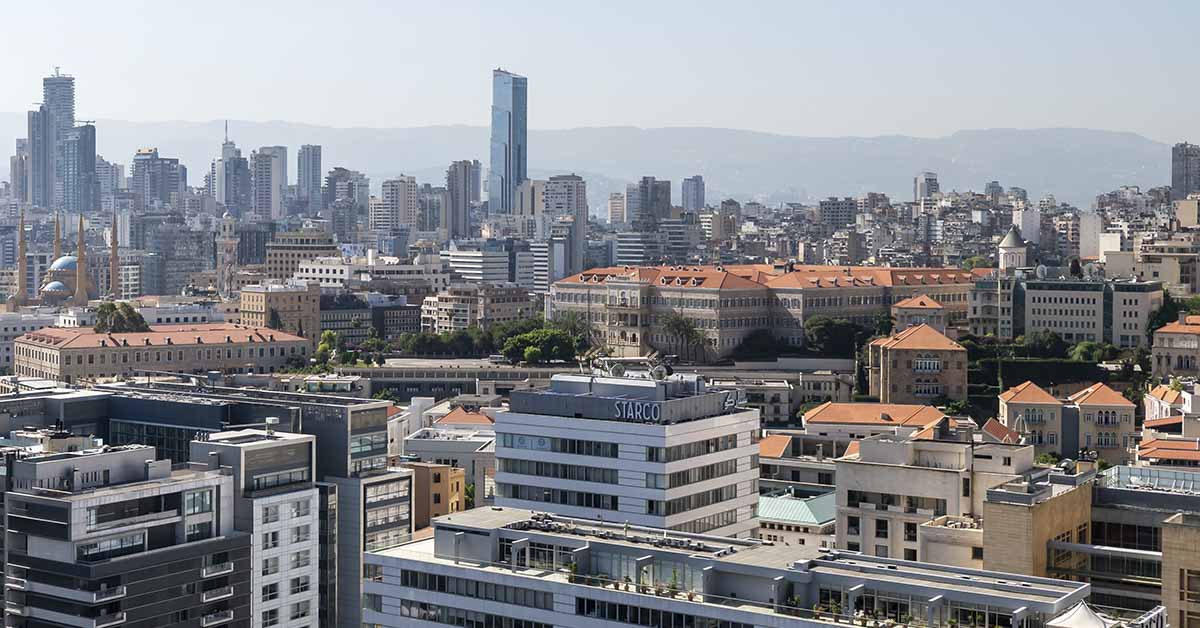
Lebanon is living through a cancer emergency that grows more urgent each year. A new analysis from the Global Burden of Disease program, published in The Lancet, reveals that Lebanon has the world’s fastest increase in both new cancer cases and cancer deaths. From 1990 to 2023, incidence rose by 162 percent while mortality rose by 80 percent. In 2023, the country recorded about 233.5 new cases for every 100,000 people. Researchers warn that global cancer will keep rising through 2050, yet Lebanon’s curve is climbing faster than almost anywhere else. These findings have jumped from spreadsheets into daily life, because families already feel the weight in clinics, pharmacies, and living rooms across the country. Therefore, the challenge is not only to expand treatment but to confront the upstream causes that drive disease and late diagnosis. But why is Lebanon the country with the highest cancer rates?
Well, it seems several forces have converged to push cancer risk upward in Lebanon. For example, diesel generators fill the city air during long power cuts, and traffic emissions remain poorly controlled. Additionally, tobacco use is common in homes and social spaces, so secondhand smoke reaches many non-smokers. Screening exists for common cancers, yet economic hardship and awareness gaps leave many people untested until symptoms appear. Furthermore, hospitals face rolling shortages of essential drugs, which force treatment delays. However, none of this is irreversible. Other countries have bent their cancer curves through cleaner air, strong tobacco control, organized screening, and reliable access to care. Lebanon can adapt those lessons while honoring its own realities. The aim is clear because survival improves when air is cleaner, habits are healthier, tests are timely, and medicines are on the shelf.
Background and Context
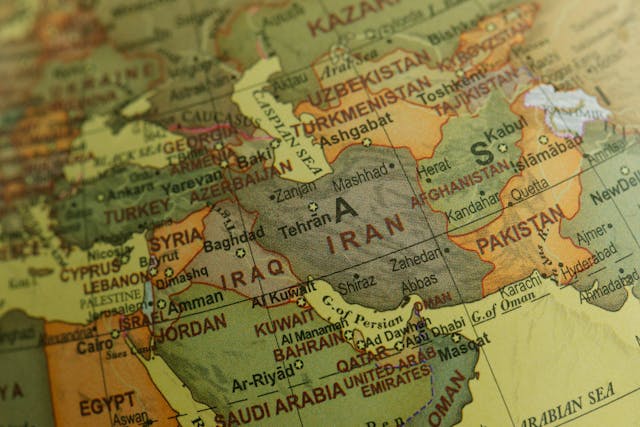
Lebanon’s health landscape reflects years of overlapping stress. The economy collapsed after 2019, the currency lost nearly all value, and poverty rates surged. Those shocks disrupted hospitals and supply chains, which affected every step of health care. Even before the crisis, cancer incidence had been rising, as it did across much of the region with aging populations and urban lifestyles. Yet the recent acceleration is sharper, and it touches people sooner. Families now juggle clinic visits with generator bills and rent, which makes routine screening easy to postpone until symptoms become hard to ignore. Therefore, historical trends set the stage, but today’s pressures are amplifying the risk.
Global forecasts can provide us with important context. The Lancet and the Global Burden of Disease program project that worldwide cancer cases will reach around 30.5 million by 2050, while annual deaths could top 18 million. The International Agency for Research on Cancer reports a similar trajectory, with lower-income countries expected to shoulder the largest proportional increases. High-income settings may stabilize or reduce deaths through early detection and modern therapy, even as incidence remains high.
Lebanon’s surge in both incidence and mortality suggests a dangerous mix of higher exposure and weaker access to timely care. However, it also means there is room for big gains if the country expands prevention and improves pathways to treatment. Population realities add more detail. Lebanon’s resident population includes large refugee communities, which strains public services and health budgets. Urban density concentrates exposure to air pollution, while rural areas face different risks, including agricultural chemical use and water contamination. Health literacy varies by region and income, so awareness campaigns do not reach everyone at the same pace.
Causes and Risk Factors
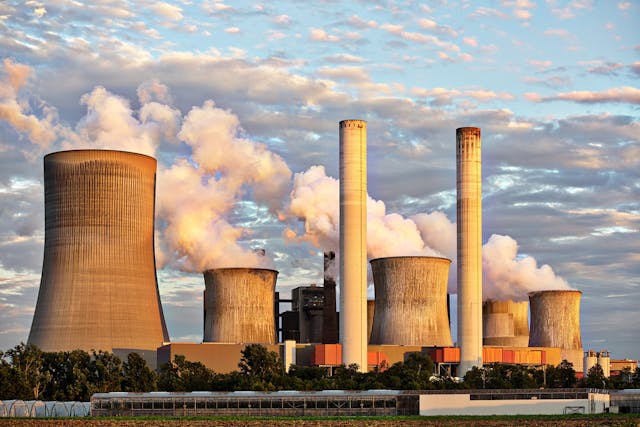
Air pollution is a daily hazard in many Lebanese cities. Long power cuts force people to rely on diesel generators, which release fine and ultrafine particles that carry toxic compounds. New research from the American University of Beirut measured generator emissions and found that about 87% of the particles were quasi-ultrafine. These particles penetrate deep into the lungs, enter the bloodstream, and reach distant organs. Traffic exhaust adds to the burden when vehicle standards go unenforced. People who live, work, and study near clusters of generators and congested roads inhale these mixtures every day, often without practical ways to avoid exposure. Over the years, that exposure has raised risks for cardiovascular disease and several cancers. Tobacco use magnifies the problem. Adult smoking prevalence is among the highest in the region, and youth surveys show concerning levels of cigarette and waterpipe use.
Many people encounter secondhand smoke in cafes, workplaces, and homes, which increases risk even for those who never smoke. Public health experts have warned that smoke-free laws and anti-tobacco campaigns are unevenly enforced, which leaves norms largely unchanged. As a result, lung cancer remains a looming threat. The risk extends beyond the lungs because tobacco exposure contributes to cancers of the mouth, throat, pancreas, and bladder. Yet strong policies can reduce use, and countries that invested in prevention saw long-term declines in lung cancer after a lag.
Diet, inactivity, and late diagnosis also play roles. Economic strain pushes families toward cheaper, calorie-dense foods, while safe spaces for exercise are not always available. Reports of agricultural chemical overuse and river contamination raise concerns about unsafe washing water for produce in certain areas. Screening programs for breast, cervical, and colorectal cancers exist, but awareness and affordability limit uptake during hard times.
Impact on Society
Behind the statistics are families making impossible choices. A mother in Beirut describes losing her sister and her mother to cancer, while admitting she still smokes because stress feels unmanageable. Her story echoes across neighborhoods where power cuts complicate daily life and generator fees absorb scarce income. When a loved one needs chemotherapy, families scramble for transportation money and appointment slots. Some relatives skip work to serve as caregivers. Others take extra shifts to cover bills. Emotional strain intensifies as people weigh rent and food against scans and medicines. In such conditions, even motivated patients can fall behind on care. This human cost reveals why prevention and screening matter.
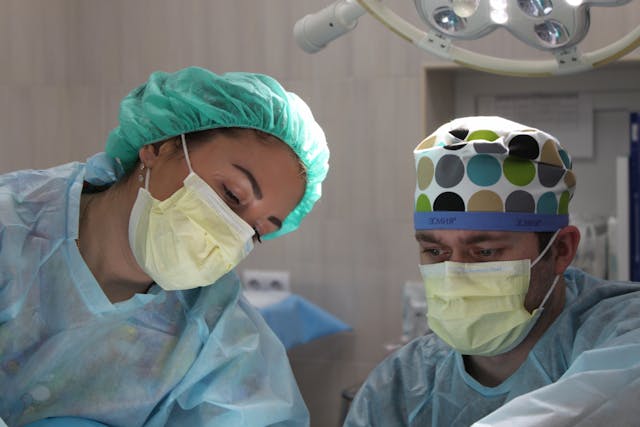
Hospitals carry the load that families cannot. Clinicians report shortages of essential cancer medicines, with nearly one-third of interviewed patients in one study experiencing treatment interruptions during the crisis. When a drug is missing, oncologists sometimes switch regimens, which can lower the chance of a cure. Nurses carry an extra burden as colleagues emigrate for better pay. Social workers stretch small funds to cover scans or transport for patients who would otherwise stop treatment. Charities fill gaps, yet demand keeps rising. Therefore, the current system runs on resilience and improvisation, even though cancer care requires precision and consistency.
The economy also absorbs heavy losses from illness and premature death. People miss work for appointments or due to side effects, while employers struggle to replace skills quickly. Health spending shifts toward crisis purchases, which leaves less for prevention and primary care. Analysts have tied dirty air to large economic costs through hospital admissions, lost productivity, and early mortality. In this context, environmental and tobacco policies are not only health interventions. They are growth strategies that keep people working and children learning.
Comparisons to other places in the world

Cancer is rising worldwide as populations grow, but the pattern varies by country. High-income nations have reduced mortality for several cancers through screening and modern therapy, even as incidence remains high. Lower-income settings face sharper increases in both cases and deaths because prevention is weaker and access to treatment is limited. Global agencies project that cases and deaths will climb steeply by 2050, with the biggest proportional increases in countries that already struggle with healthcare financing. Lebanon stands out because the speed of its increase ranks first, which signals both rising exposure and fragile care pathways.
Several countries cut lung cancer mortality after comprehensive tobacco control that included high taxes, graphic warnings, smoke-free laws, and mass media campaigns. Organized screening programs reduced deaths from breast, cervical, and colorectal cancers by finding the disease earlier. Air quality improved in cities that enforced vehicle standards, tightened fuel quality, and stabilized power grids to end generator dependence. These policies worked across cultures and economies, though each place tailored the details. Lebanon can learn from those examples while adapting to its own political and financial constraints. Results will not be instant, yet measurable gains can appear within a few years if the work is consistent.
It is also helpful to look at regional peers that made progress despite constraints. Some Gulf states reduced smoking among youth through clear school programs and strict enforcement. Several European cities cut diesel pollution with inspection regimes and low-emission zones. Middle-income countries expanded access to colon cancer screening by mailing stool tests and reserving colonoscopy for positive results. These examples show that momentum does not require unlimited budgets. It requires focus, accountability, and honest public communication that invites people into solutions rather than blaming them.
Potential Solutions and Interventions
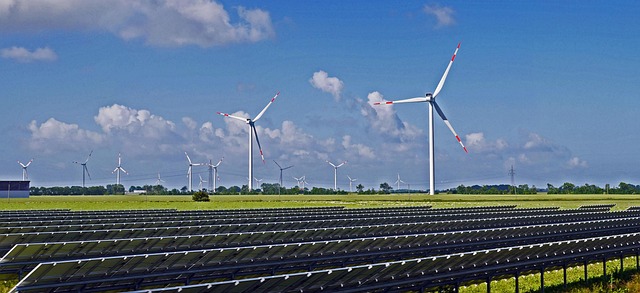
Cleaner power is a health policy. Stabilizing the national grid and scaling solar plus storage in critical sites can reduce generator runtime in hospitals, clinics, schools, and apartment blocks. During the transition, strict enforcement of emission standards and limits on high-sulfur fuel can cut the dirtiest exhaust. Cities can require annual inspections for vehicles and visible roadside checks for smoky exhaust. Public transport investments and safer walking routes help residents choose cleaner travel. Air quality monitors can map hotspots so enforcement targets the right streets. These steps reduce exposure to PM2.5 and ultrafine particles, which lowers long-term cancer risk while improving day-to-day breathing.
Tobacco control saves lives even faster. Higher tobacco taxes reduce consumption, especially among youth. Plain packaging and larger warnings make risks harder to ignore. Comprehensive indoor smoke-free laws protect workers and shift social norms. Mass-reach media campaigns, tailored in Arabic and built around real stories, can accelerate quitting. The United States saw large health gains and cost savings from such campaigns, which Lebanon can adapt to local channels and voices. Quitlines, pharmacy-based counseling, and affordable nicotine replacement should stand ready so motivation turns into successful quitting. Community and faith leaders can reinforce these efforts with messages that fit cultural contexts.
Screening and early detection must reach people where they live. Mobile mammography can visit towns on regular schedules and link directly to surgeons and oncology teams. Primary care clinics can bundle cervical screening with reproductive health visits to raise uptake. Pharmacies and community centers can offer at-home stool tests for colorectal cancer, with clear pathways to colonoscopy when needed. Vouchers and municipal transport support can remove practical barriers for low-income families. Clear messages should explain that early-stage cancers are often curable, which reduces fear and delay.
Expert Opinions and Quotes
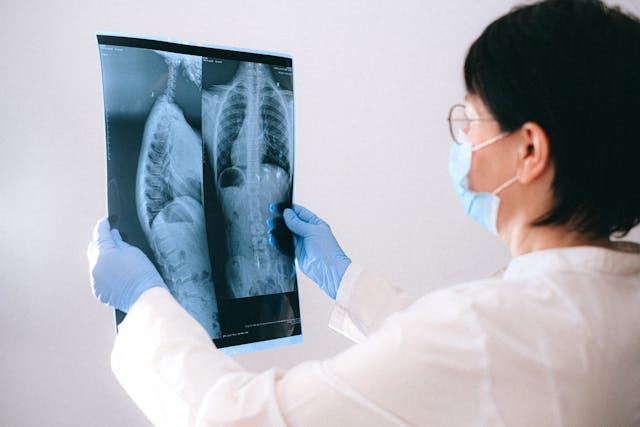
Public health leaders have spoken plainly about the scale of the problem. Ali Mokdad, a senior researcher who co-authored the survey, told lawmakers that Lebanon should ban smoking in public spaces, expand screening, and launch aggressive anti-tobacco campaigns. He pointed to evidence from the CDC’s national media effort in the United States, which prevented an estimated 129,100 early deaths between 2012 and 2018. Now that the scale is known, what will be done this year to change it? The urgency in that message reflects a belief that delay will cost lives.
Clinicians on the ground describe a system that needs stability and predictable supplies. A Lebanese oncologist explained that treatment interruptions have become painfully common during shortages, which undermines the gains that modern therapy can deliver. A recent study found that nearly one-third of patients experienced interruptions linked to acute drug shortages. Another researcher examined how limited access to immunotherapy affected survival in advanced lung cancer, highlighting the harm when modern treatments are out of reach. These voices argue for national procurement that resists currency swings and for transparent stock tracking that prevents surprise outages. They also call for workforce support, since nurses and pharmacists keep care moving.
Local environmental health experts add that cleaner power would cut hospital admissions and improve the quality of life quickly. AUB researchers who measured generator emissions have urged tighter fuel standards and better enforcement, while encouraging investments that reduce reliance on diesel during outages. Their findings on ultrafine particles help explain why people feel worse on days when engines thrum nonstop on street corners. Because these exposures occur where people live, even small reductions can protect health over large populations. Early detection and reliable treatment are all essential, and none can be postponed.
Data, Registries, and Measurement Gaps

Reliable data is the backbone of smart cancer policy, yet Lebanon’s systems remain patchy. Cancer registries have operated intermittently, with coverage and funding fluctuating during fiscal crises. When data collection stalls, officials cannot target screening, stock essential drugs, or evaluate campaigns effectively. Therefore, improvements in measurement are not academic luxuries, but lifesaving tools that guide scarce resources. A modern registry should capture every new case quickly and consistently across public and private facilities. Records need standardized tumor sites, stages at diagnosis, treatment courses, and outcomes.
However, clinics still face staff shortages, software incompatibilities, and privacy concerns that slow reporting. Simple digital forms, clear data dictionaries, and training sessions can lift quality without overwhelming busy teams. Hospitals can appoint data stewards who coordinate with pathology labs and oncology wards. These stewards ensure that biopsies, imaging, and treatment decisions appear in the patient’s record. Municipal health offices can then map incidence by neighborhood to spot clusters and delays. Yet measurement must also track risk factors, including smoking status, secondhand exposure, and proximity to generators. Good data does not cure cancer, but it shortens the path to a cure. With stable funding and simple tech, Lebanon can measure what matters and move faster from problem to progress.
Conclusion on the Country with Highest Cancer Rates

Lebanon’s cancer curve does not have to keep rising at the world’s fastest rate. The current statistics are stark, yet they point directly to solutions that can save lives within a few years. Cleaner electricity would quiet generators and clear the air that residents breathe every day. Strong tobacco control would help people quit and prevent many young people from starting. Organized screening would bring cancers to light earlier, when treatment works best. Stable procurement would keep essential medicines on pharmacy shelves, so clinicians could treat according to science rather than supply. Community groups, hospitals, universities, and ministries can move in step, because each holds part of the answer.
People can act while policy changes gather pace. If you smoke, talk to a clinician or pharmacist about quitting this month. If you are eligible for screening, schedule it and bring a friend who needs a reminder. If you live near heavy generator use, ventilate rooms when outdoor air is cleaner, and consider shared solar or neighborhood efficiency where possible. Families can keep a simple health folder with test results and medicines, because continuity matters when life is unsettled. Yet personal steps should not distract from structural change, since clean air, affordable screening, and reliable treatment require collective decisions. Lebanon has the science, the expertise, and the lived experience to turn this around. The question is whether leaders and communities will choose to begin that turn now, while so many lives can still be saved.
Disclaimer: This article was created with AI assistance and edited by a human for accuracy and clarity.
Read More: He Never Smoked, But Still Got Lung Cancer at 45. Here’s the One Symptom He Noticed