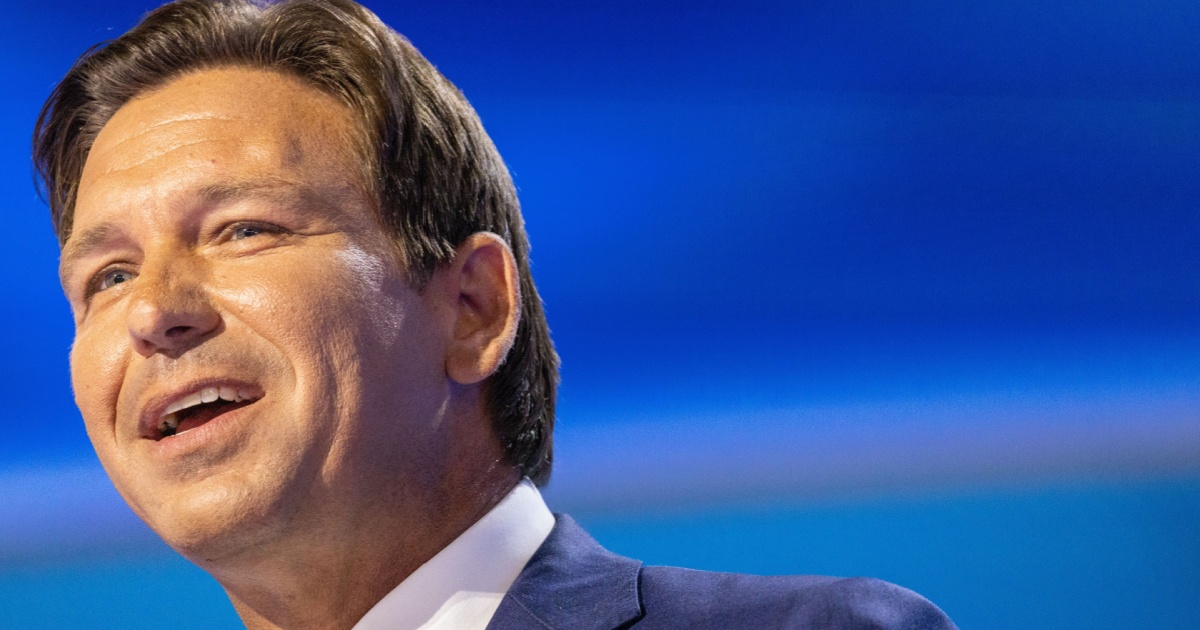

Florida was already the state that banned DEI in public universities and put the brakes on how race could be taught in classrooms. So when Governor Ron DeSantis signed a sweeping new law in late April 2026 targeting local governments, many Floridians were not surprised – but plenty of them were ready to argue about it. What is less predictable is how much this debate has spilled beyond the politics of a single state, into questions that touch every community in America: Who does diversity mean in practice? Who pays for it? And who gets to decide when enough is enough?
The answers, it turns out, are more complicated than either side likes to admit. The law’s supporters say this is about fairness and merit. Its critics say it guts protections for people who still face real barriers. And the communities caught in the middle, from minority-owned businesses to local elected officials, are now calculating exactly what this will cost them. The picture that emerges from all of those angles together is worth sitting with before drawing conclusions.
Here is what happened, who said what, and why it matters well beyond Florida’s borders.
What the New Law Actually Does
Governor Ron DeSantis signed legislation known as SB 1134, banning local governments from funding or promoting diversity, equity, and inclusion initiatives, with local officials who are found to have violated the law subject to removal from office. The signing took place at an event in Jacksonville on April 22, 2026.
The bill defines DEI as any effort to “manipulate or otherwise influence the composition of employees with reference to race, color, sex, ethnicity, gender identity, or sexual orientation other than to ensure that hiring is conducted in accordance with state and federal antidiscrimination laws.”
The reach of the law goes further than just stopping funding. One measure prohibits municipalities from funding or passing a resolution in support of programs deemed diverse or inclusive, and it also bars cities and counties from having a DEI office or an inclusion officer, giving the governor the power to remove local officials who violate the law. On top of that, the law creates a cause of action for citizens to file civil suits against local governments if they feel discriminated against by DEI programs.
The legislation also requires grant recipients to certify that public funds will not be used to advance DEI and provides enforcement mechanisms, including penalties for officials who violate the law. The compliance deadline is firm: the law takes effect January 1, 2027.
DeSantis in His Own Words
DeSantis was direct about his reasoning at the Jacksonville signing event. He described DEI as “an ideological construct that is designed to promote a particular political agenda, particularly to the detriment of disfavored groups,” adding that the number one disfavored group would be white males, and that he believes they have been discriminated against.
He did acknowledge that some policies aimed at equal opportunity have a legitimate place. He said he supports policies “that ensure an even playing field or equal opportunity for people,” but argued that is “not the same as trying to socially engineer certain outcomes to the detriment of groups that some of the intellectual elite disfavor.”
When it comes to enforcement, DeSantis was equally clear. He said, “What I’ve found in this business is when people know there’s accountability, they’re much more apt to toe the line and do what the law requires.” He also repeated a phrase that has become something of a trademark for his administration. DeSantis repeated his refrain that Florida is “where woke goes to die” during his prepared remarks – a phrase he had used often in early 2023.
The bill’s sponsors framed the legislation in similar terms. Jacksonville Republicans Senator Clay Yarborough and Representative Dean Black said in a statement that they saw “a need to preserve the American ideals of merit, individualism, and character in Florida’s institutions.” Senator Yarborough had pointed to specific spending examples during the legislative process. He noted that Hillsborough County paid $572,000 for an external contract that included training that taught staff from several departments that their prejudice is outside their control when it comes to race, ethnicity, and gender.
Pushback from Communities and Local Officials
Not everyone was willing to let the argument go unchallenged. Evelyn Foxx, president of the NAACP branch in Gainesville, pushed back directly on DeSantis’s claim that white men are the primary victims of DEI. She said, “If you talked to one hundred white men, they wouldn’t feel the same way,” adding that “the governor is out of touch with people, and that is the bottom line.”
The criticism from local leaders was not limited to the politics. Concrete, dollar-figure concerns about minority businesses have surfaced across the state. In Tallahassee, a program administered by a joint city-county office may close after the signing of the legislation preventing local governments from enacting DEI practices. Genesis Robinson, executive director of Equal Ground, warned that the law puts programs designed to connect minority communities to public contracts and address public health disparities at serious risk. He argued in a statement that what supporters call “merit” looks very different “in systems that were never designed with us in mind,” pointing to the reality that Black communities have had to navigate redlining, underfunded schools, discriminatory lending, and inequitable contracting.
Fort Lauderdale Mayor Dean Trantalis was more pointed about who he believes the law actually targets. He warned that among the programs local governments might have to remove are ones “supporting women and minority-owned business programs, many cultural festivals and nonprofits and even support for Pride festivals.” St. Petersburg Mayor Ken Welch also raised a structural concern, calling the law “a serious threat to local governments” that “directly challenges the constitutional principle of home rule in Florida,” adding that it is “vague, and the impacts will be much broader than many will realize.”
A Pattern Years in the Making
This law did not arrive without a runway. In recent years, the Florida Legislature has passed laws limiting how race can be taught in K-12 schools and preventing higher education institutions from spending federal dollars on DEI initiatives.
The most prominent of those earlier efforts was the Stop WOKE Act, which DeSantis signed in 2022. Formally known as the Stop Wrongs to Our Kids and Employees Act, the law restricts schools and businesses from promoting certain concepts related to race, gender, racism, and social privilege. It was followed in 2023 by a law specifically targeting public universities. DeSantis signed a bill into law banning the state’s public colleges and universities from spending money on diversity, equity and inclusion programs.
Those earlier laws hit legal turbulence. A federal judge described the Stop WOKE Act, as applied to higher education, as “positively dystopian,” and an appeals court subsequently ruled it could not apply to colleges and universities – and later ruled it could not be enforced against businesses, either. A 2025 peer-reviewed study examining the impact of Florida’s anti-DEI legislation on faculty and staff at higher education institutions found evidence of a chilling effect on ethical decision-making and open discourse at state institutions.
The new SB 1134 extends that legislative pattern from universities and state agencies down to cities, counties, their contractors, and even their grant recipients. It represents a significant expansion of the state’s reach into local governance.
The Federal Backdrop
Florida’s moves are not happening in isolation. Republican state leaders and President Donald Trump’s administration have both rallied against DEI practices at the federal level. In January 2025, Trump signed executive orders directing the dismantling of DEI policies at federal agencies and in the private sector, including among government contractors and subcontractors. He has also attempted to freeze federal funding for universities over DEI.
What DEI actually involves in practice is worth defining clearly. DEI practices include training on combating discrimination, addressing pay inequity along gender or racial lines, and broadening recruitment and access for underrepresented ethnic groups. Supporters of these programs argue they address documented, structural inequities. Critics argue they create new forms of preference that undermine merit-based hiring and promotion.
That tension is not going away. The question in Florida right now is not whether people disagree – they clearly do – but what happens when that disagreement gets settled by law rather than local democratic process.
Read More: New Yorkers Fleeing To Florida and Texas Are Being Slapped With a ‘Secret Tax’
What This Means for You
If you live in Florida, the practical effects begin January 1, 2027. Both city and county governments must be compliant by that date, though at least one local attorney has already expressed hope that a judge will find the law “unconstitutionally vague” before the deadline hits. Local officials across multiple cities are already reviewing their budgets, contracts, and existing ordinances to determine what must be stripped out. Programs designed to help minority and women-owned businesses compete for local government contracts through the request for proposals process are squarely in the crosshairs, with advocates noting that navigating that process requires significant administrative support that many small businesses simply do not have.
If you live outside Florida, this is still worth watching carefully. The bill passed the Florida House 77 to 37, with five Republicans joining Democrats in opposition. The fact that even some Republicans voted against it suggests that the practical consequences of the law are not fully resolved along party lines. Legal challenges are expected, and the outcome of those challenges in Florida courts will likely influence similar legislation in other states. Whether you see DEI programs as essential safeguards or government overreach, the decisions being made in Tallahassee right now are shaping the template that other state legislatures are watching closely. Understanding the actual text of this law – not just the political framing on either side – is the most useful thing anyone can bring to that conversation.
AI Disclaimer: This article was created with the assistance of AI tools and reviewed by a human editor.
Read More: DeSantis Pushes to End All School Vaccine Mandates in Florida