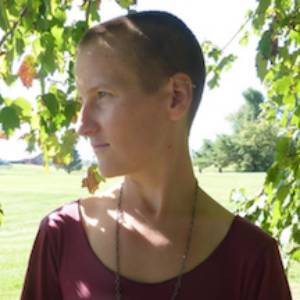
Daw Mi Mi arrived in Singapore in 1996 to run dialysis lines for two years. She is still there, now 70. She threads needles through veins that other nurses struggle to find. She works eight-and-a-half-hour shifts at Alexandra Hospital and shows no sign of stopping. She stayed because of what happens between a nurse’s hands and a patient’s arm three times a week, for the rest of that patient’s life.
Her path to nursing was not chosen. It was forced. In 1974, Mi Mi was a second-year chemistry undergraduate in Rangoon, Burma, aiming for an academic career. When U Thant, the third United Nations Secretary-General, died in New York on November 25, 1974, and was denied a state funeral in his homeland, students poured into the streets to protest. The government’s response was to shut the universities. Universities and colleges across the country were closed for over six months after the uprising.
With her chemistry degree on pause, Mi Mi moved to the Shan State near the Thai border, where a nursing school had remained open. She enrolled without enthusiasm, figuring that doing something useful beat waiting. Within her first year of training, working alongside frightened patients in the state hospital, she found something chemistry lectures had never offered. She could hold someone’s hand, explain what a needle was about to do, and see the relief right away. Patients started asking for her by name. When the universities eventually reopened, she turned down chemistry without hesitation.
How was her career forged in crisis?
Mi Mi trained in conditions that made every later challenge feel manageable. During her final year of nursing school, the hospital’s fuel-powered generator caught fire. A staff member had refuelled it by candlelight. Patients on the second-floor ward tried to get out. Some were still attached to intravenous drips. Those who couldn’t leave on their own, including patients who had just had surgery, had to be carried down staircases on stretchers. Mi Mi made the trip multiple times, with shaky legs each time.
After graduating in 1978, she spent 17 years in Myanmar’s operating theatres. She worked in general surgery and emergencies. Mass-casualty events were not unusual. Up to a dozen injured patients could arrive at once after a road accident or a building collapse. Some had fractured hips, uncontrolled bleeding, or broken ribs. Her job was to stay one step ahead of the surgeons. She had to anticipate instrument needs in real time. That discipline of focused, rapid, practiced attention would become the foundation of everything she later did in a dialysis unit.
The dialysis opportunity came by chance. Mi Mi spotted an ad from the National Kidney Foundation Singapore. It was recruiting dialysis nurses for a two-year overseas placement. She had never operated a dialysis machine before. There were few in Myanmar at the time. But she applied anyway.
Read More: At 105, She Credits ‘the Good Lord’ for Her Long Life and Says Every Day Is a Blessing
What does a dialysis nurse’s work actually demand?
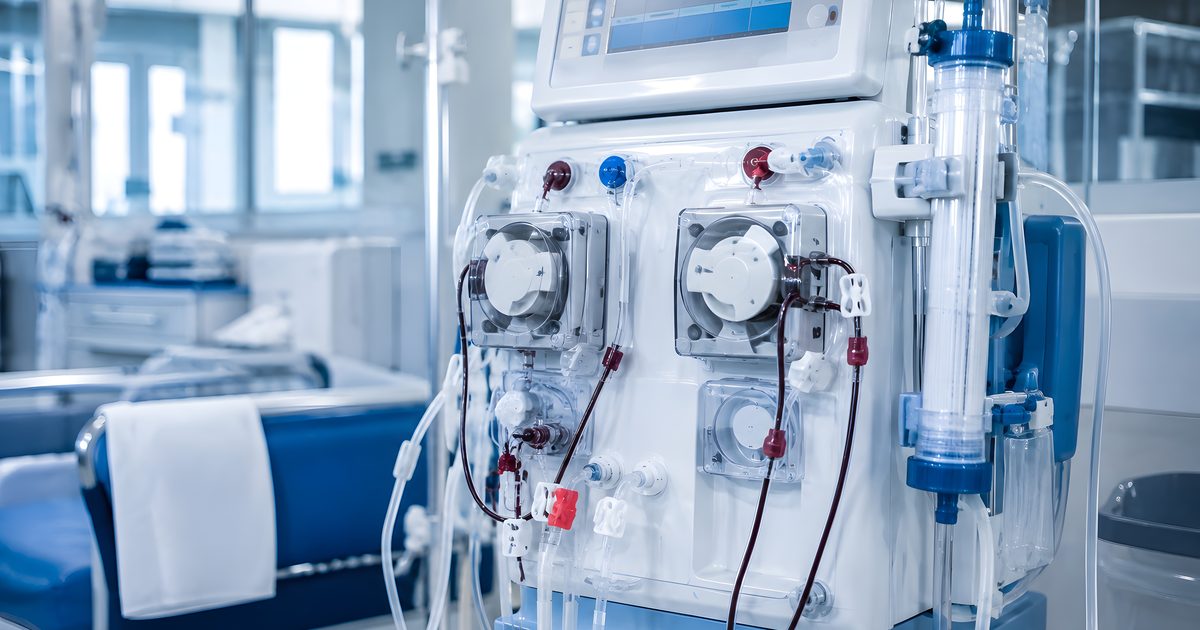
When kidneys can no longer clear waste and extra fluid from the blood, hemodialysis steps in as a mechanical substitute. A surgeon creates a connection between an artery and a vein to generate high-volume blood flow. During each session, nurses insert two needles at different points along that surgically prepared vessel. One draws blood into the machine. One returns it after filtration.
The technical demand is higher than it sounds. Every patient’s vein is different. Some run deep beneath the skin. Others curve or narrow. Newly prepared veins may be fragile. Placing a needle accurately, every session, in a frightened patient who already lives with serious illness, requires tactile skill, anatomical knowledge, and calm. Those skills take years to develop.
Mi Mi arrived in Singapore in 1996 speaking limited English and no Singlish at all. Despite the language barrier, she quickly became one of the most requested nurses at her centre. The operating theatre had already trained her hands to work quickly and read a situation without being told. Those skills transferred directly to the dialysis ward, and patients noticed.
Thirty years later, she is still at it. She works her shifts at Alexandra Hospital’s Dialysis Centre, a unit that provides continued dialysis support to admitted patients alongside counselling, nutrition education, and financial assistance. Many of her patients are younger than she is. She is 70. The kidneys of patients with end-stage kidney disease cannot clear waste and fluid on their own. They need dialysis or a kidney transplant to survive. For those patients, the nurse who places the needles is not an incidental figure. She is a constant in an otherwise destabilising life.
How large is the crisis she works within?
The National Kidney Foundation Singapore runs dialysis centres across the nation. Singapore faces a growing kidney disease burden. The Foundation’s key statistics say there are now more than 9,000 dialysis patients in Singapore. About 6 new kidney failure patients are diagnosed each day. About 2 in 3 new cases of kidney failure in Singapore are linked to diabetes. That makes diabetes a leading, and often preventable, driver of one of the country’s most expensive health crises.
Singapore has among the highest rates of treated end-stage kidney disease in the world. An aging population and high rates of diabetes drive that burden. Chronic kidney disease now affects around 14% of adults worldwide. A 2025 Lancet analysis found that the number of adults living with the condition has more than doubled since 1990. It has reached nearly 800 million people. In the United States alone, as of March 2025, facilities were treating 516,837 patients on dialysis.
Why do nurses like Mi Mi keep working?
A study in the International Nursing Review found that healthcare workers, especially nurses, are staying on the job well past traditional retirement age more often than before. A 2016 study of older nurses in Singapore found that patient contact and relationships were among the things they still enjoyed about working.
Mi Mi is past Singapore’s retirement age and continues with the full support of her employer. She has said she has no plans to retire.
A 15-year National Health Interview Survey of more than 83,000 older adults was published in the CDC journal Preventing Chronic Disease. It found that people who kept working past 65 were more likely to stay in good health than those who retired. They were also less likely to develop serious health problems. A 2025 study from UC Davis, published in the American Journal of Geriatric Psychiatry, followed more than 13,000 adults aged 45 and older for up to 15 years. It found that people who reported a higher sense of purpose were about 28% less likely to develop cognitive impairment. That included mild cognitive impairment and dementia.
Can a sense of purpose be a health factor?
Mi Mi’s three decades in Singapore illustrate what the research describes. When work involves real human connection, and the person doing it feels needed, that work can have measurable health effects. For adults in midlife, the evidence on purpose and brain health makes a practical case. It is worth finding, and protecting, the activities that deliver that feeling. Retirement can remove the structure that once delivered it automatically.
For those in a dialysis nursing role, or any healthcare job with deep patient ties, staying engaged longer can help. The work should still suit a person’s physical capacity. The health benefits are documented for the nurse as well as the patient. The UC Davis and CDC findings apply broadly. The job title matters less than a lasting, meaningful connection to others.
Mi Mi came to Singapore for two years. She stayed for thirty. She’s still there, still threading needles, still remembered by name. The chemistry career she abandoned in 1974 never came back. The patients who know her hands still do.
Disclaimer: The author is not a licensed medical professional. The information provided is for general informational and educational purposes only and is based on research from publicly available, reputable sources. It is not intended to constitute, and should not be relied upon as, medical advice, diagnosis, or treatment. Always consult a licensed physician or other qualified healthcare provider regarding any medical condition, symptoms, or medications. Do not disregard, avoid, or delay seeking professional medical advice or treatment because of information contained herein.
AI Disclaimer: This article was created with the assistance of AI tools and reviewed by a human editor.