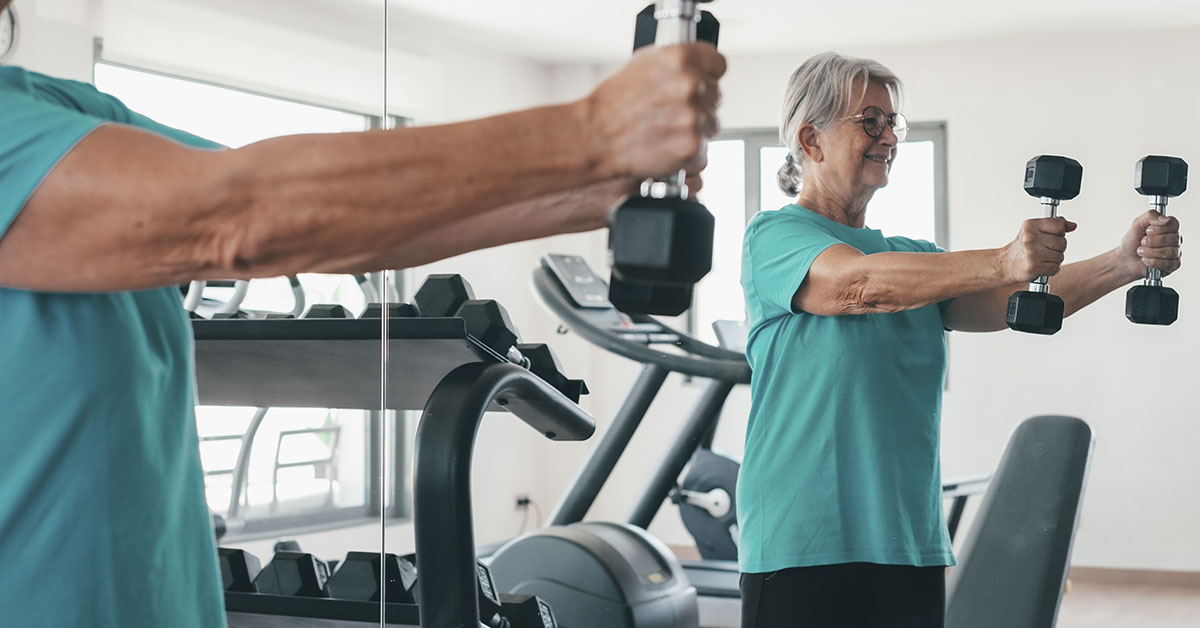

Turning 60 no longer comes with the mentality that it used to: slow down, stay at home, and be “too old” to do many things. For women today, this decade isn’t a signal to slow down, but rather one that is characterized by newfound freedom, wisdom, and the desire to live vibrantly. However, the biological reality of aging – menopause completion, shifting hormonal profiles, and natural changes in bone density – requires a strategic shift in how we approach our health.
The goal of an anti-aging lifestyle isn’t actually to anti-age; that is to say that it isn’t to chase an impossible standard of youth. Rather, it is to optimize healthspan: the portion of your life spent in good health, being capable of living independently and enjoying life. Achieving this requires a holistic synergy of diet and exercise after 60. By focusing on evidence-based nutrition and a multi-faceted fitness routine, women can significantly reduce the risk of chronic disease, maintain cognitive sharpness, and remain physically independent.
The best part about all of this is that you can start no matter how old you are or how long it’s been since you exercised. On top of that, it doesn’t have to be expensive or overly time-consuming. While the wellness industry has been hijacked by a luxury industry that suggests health requires expensive supplements, boutique gym memberships, and high-end organic meal kits, the truth is far more empowering. The most effective tools for women’s health over 60 are accessible, affordable, and often entirely free.
The Foundation: Nutrition for Vitality
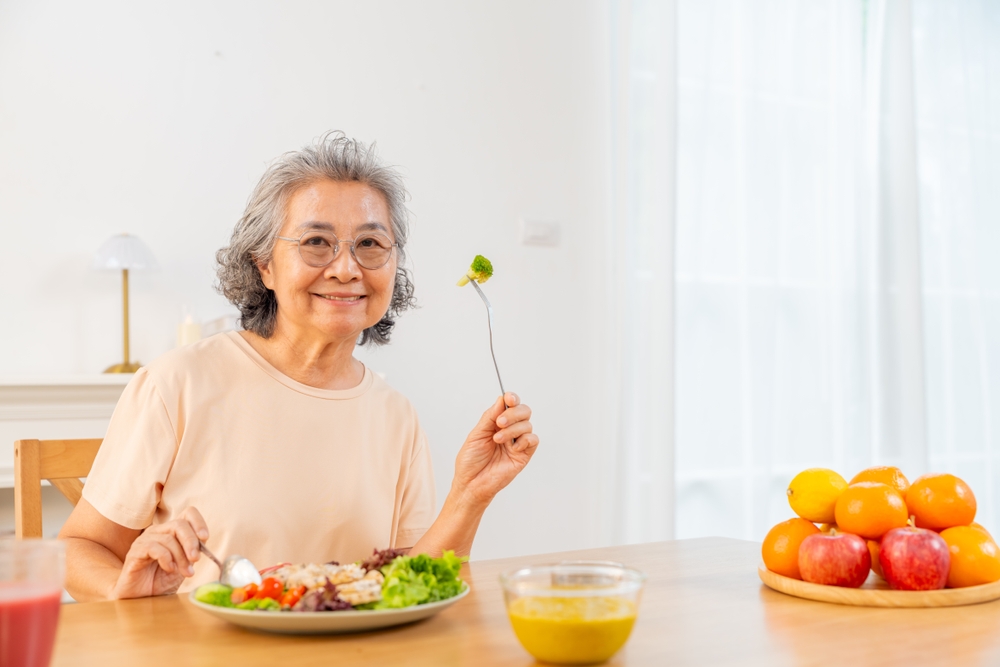
Image credit: Shutterstock
Caption: For women’s health over 60, eating well is one of the most important pillars of longevity.
Nutrition in your 60s is not about dieting for weight loss. Rather, it is about fueling for function. As metabolism naturally slows, the nutrient density of every meal becomes more important. Remember: health is not about being your smallest self, but rather, about being your strongest, most energetic, and happiest self. Eating healthfully, paired with a good exercise routine, will improve your body composition (lean mass, aka muscle versus fat mass), improving every aspect of your health and vitality.
1. The Power of Protein: Combating Sarcopenia
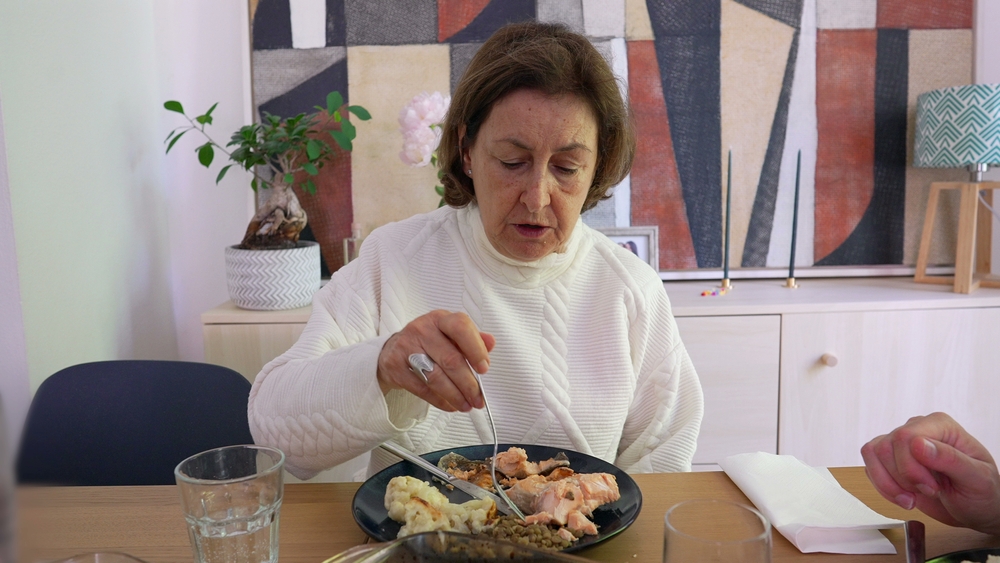
Image credit: Shutterstock
One of the most significant challenges women face after 60 is sarcopenia, the age-related loss of muscle mass and strength. Research published in the Journal of the American Medical Association (JAMA) indicates that muscle mass decreases by approximately 3% to 8% per decade after age 30, with a sharper decline after 60.
To counter this, protein intake must increase even if total caloric intake stays the same. A study published in The Journal of Clinical Nutrition suggests that older adults may need 1.2 to 1.5 grams of protein per kilogram of body weight to effectively stimulate muscle protein synthesis.
Why it matters: Muscle is your metabolic engine. It supports your joints, prevents falls, and manages blood sugar levels.
Budget tip: You don’t need expensive grass-fed steaks or designer protein powders. Lentils, chickpeas, eggs, and canned sardines or tuna are some of the most cost-effective, high-quality protein sources available.
2. Fiber: The Unsung Hero of Gut and Heart Health
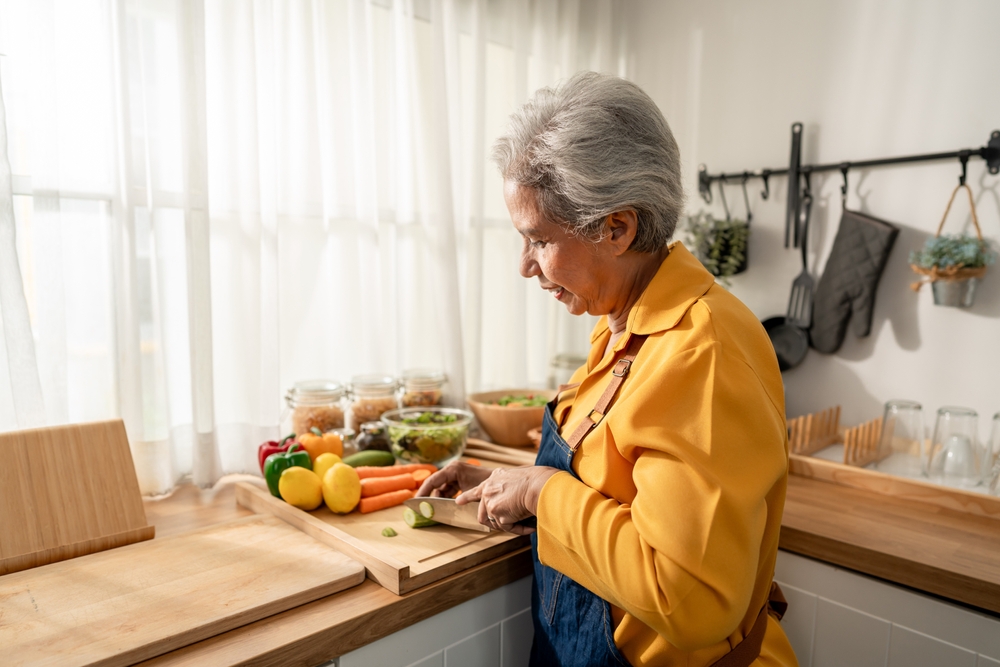
Digestive efficiency can decrease with age, making fiber a non-negotiable part of women’s health over 60. A landmark study in The Lancet highlighted that high fiber intake (25g to 29g daily) is associated with a 15-30% decrease in all-cause and cardiovascular-related mortality.
There are two types of fiber: soluble and insoluble. Soluble fibers are found in oats and beans. They help lower LDL (“bad”) cholesterol. Insoluble fiber is found in whole grains and vegetables. It helps to keep the digestive system regular and prevents many illnesses, including diverticulitis.
Budget tip: Frozen vegetables are often more nutrient-dense than fresh produce that has sat on a truck for a week. Not only that, but they are significantly cheaper. A bag of frozen spinach or mixed berries is an affordable way to skyrocket your fiber intake.
3. Hydration and Micronutrients
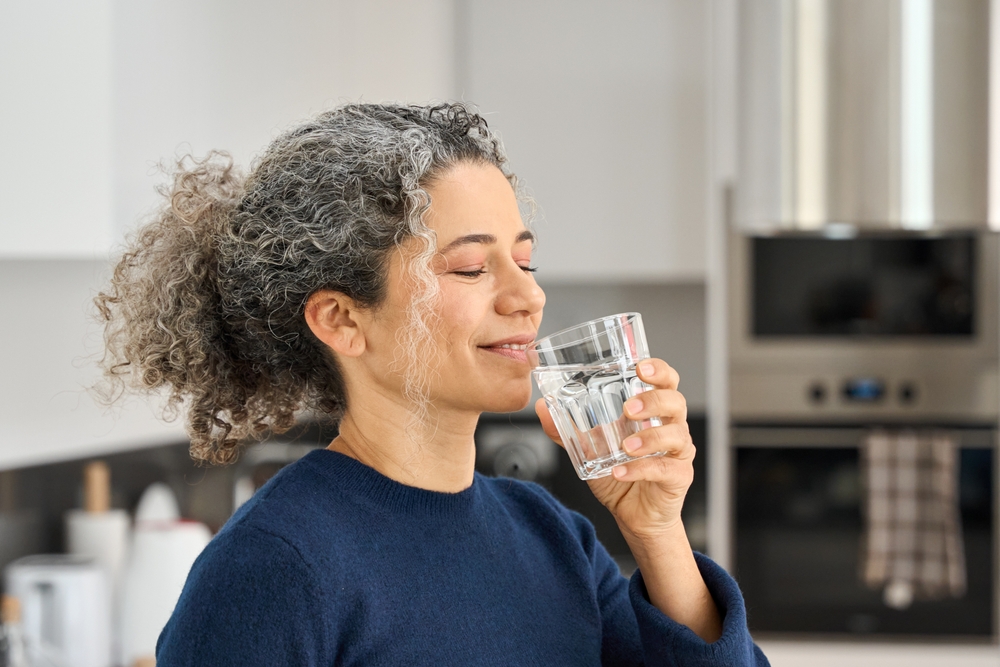
Image credit: Shutterstock
Thirst signals can dull as we age, leading to chronic low-level dehydration. This manifests itself as brain fog, fatigue, and joint pain. Simultaneously, certain micronutrients become harder to absorb. Stomach acid levels often drop after 60, making vitamin B12 absorption difficult. Women who are 60 years and older should ensure they consume fortified cereals or affordable supplements if recommended by a doctor.
Calcium and vitamin D are essential for preventing osteoporosis. A study in the New England Journal of Medicine showed that consistent supplementation of vitamin D and calcium significantly reduced fracture rates in postmenopausal women. These supplements are generally not expensive, though calcium is normally easy to get from food. Vitamin D is synthesized from the sun, which becomes more difficult as we age and is naturally more challenging for women in less warm and sunny climates. Speak with your doctor about a vitamin D supplement to know if it is right for you.
Movement as Medicine: The Three Pillars of Exercise
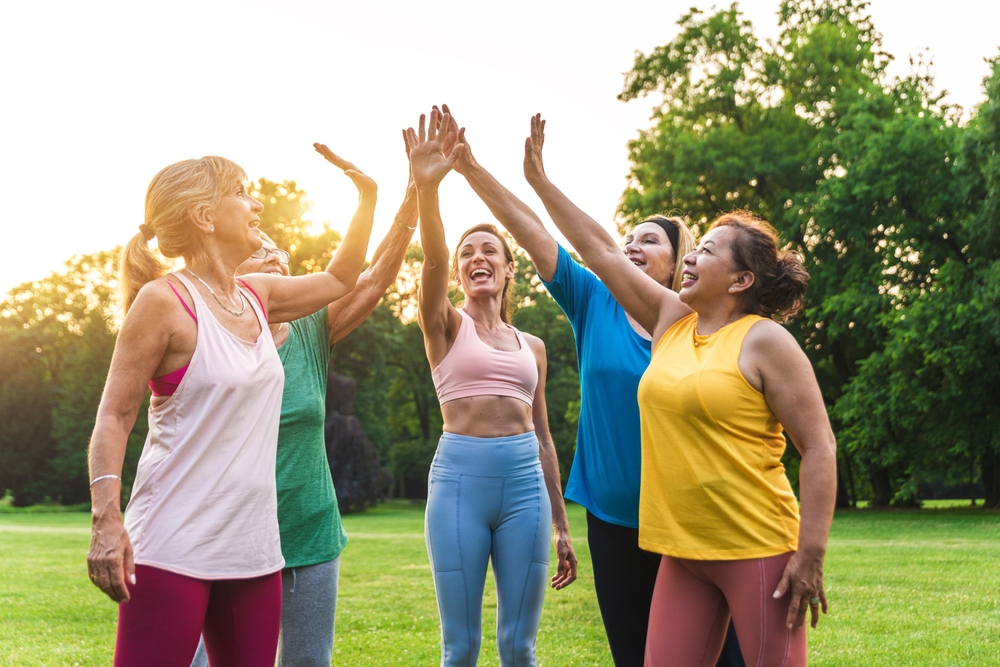
If you could bottle the benefits of exercise, it would be the most expensive pharmaceutical on the market. For women over 60, exercise is the primary defense against the physical limitations often associated with aging. An effective anti-aging lifestyle must include three distinct types of training.
1. Strength Training: Building Your Armor
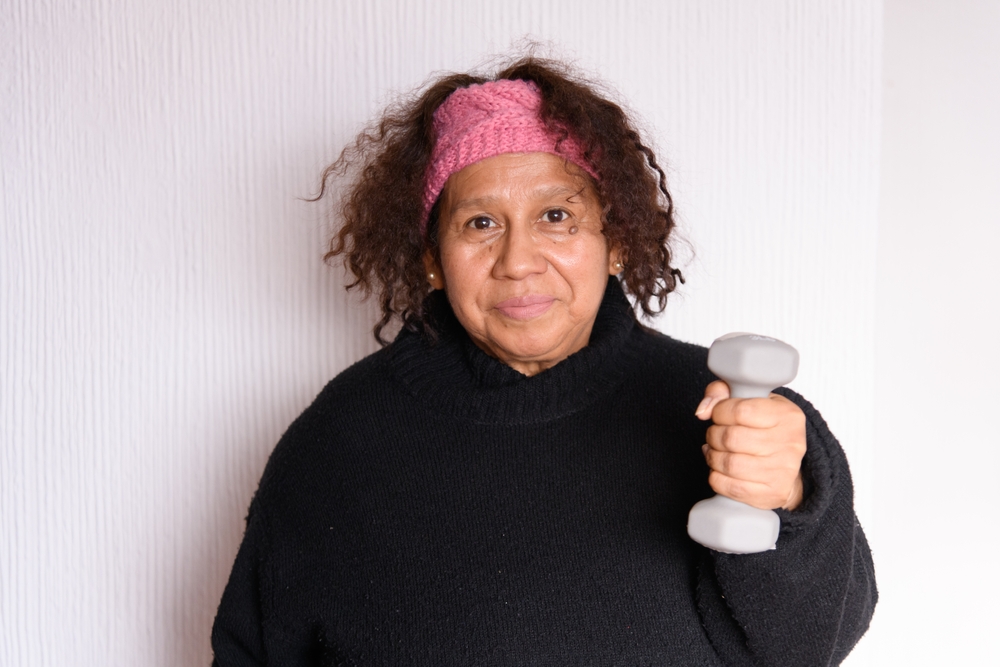
Image credit: Shutterstock
Resistance training is the gold standard for bone density. The Wolff’s Law of bone remodeling states that bone grows or remodels in response to the forces or demands placed upon it. By lifting weights or using resistance bands, you are literally telling your bones to become denser.
A study published in Biology of Sport confirmed that even women in their 60s and 70s can achieve significant muscular hypertrophy (growth) and strength gains through twice-weekly resistance training. Focus on functional movements: squats (even just sitting and standing up from a chair), hinges (picking something up off the ground, bending from the hips and not back), and pushes and pulls.
Budget tip: You don’t need a gym membership if that’s not something you can afford. Gallon jugs of water, heavy books, or your own body weight are excellent free weights. You can also purchase a set of dumbbells and/or resistance bands online for not too much money.
2. Cardiovascular Health: Protecting the Engine
Heart disease remains a leading concern for women post-menopause. The American Heart Association recommends at least 150 minutes of moderate-intensity aerobic activity per week. Aerobic exercise improves mitochondrial function (aka the “powerhouses” of your cells) which naturally decline with age. A study in Cell Metabolism found that high-intensity interval training (HIIT) actually reversed some cellular aspects of aging in older adults.
Budget tip: Walking is the world’s best exercise, and it’s free. To increase the intensity without running, try “rucking” (walking with a slightly weighted backpack), find a local path that is hilly, or a decently long set of stairs.
3. Balance and Mobility: The Fall Prevention Strategy
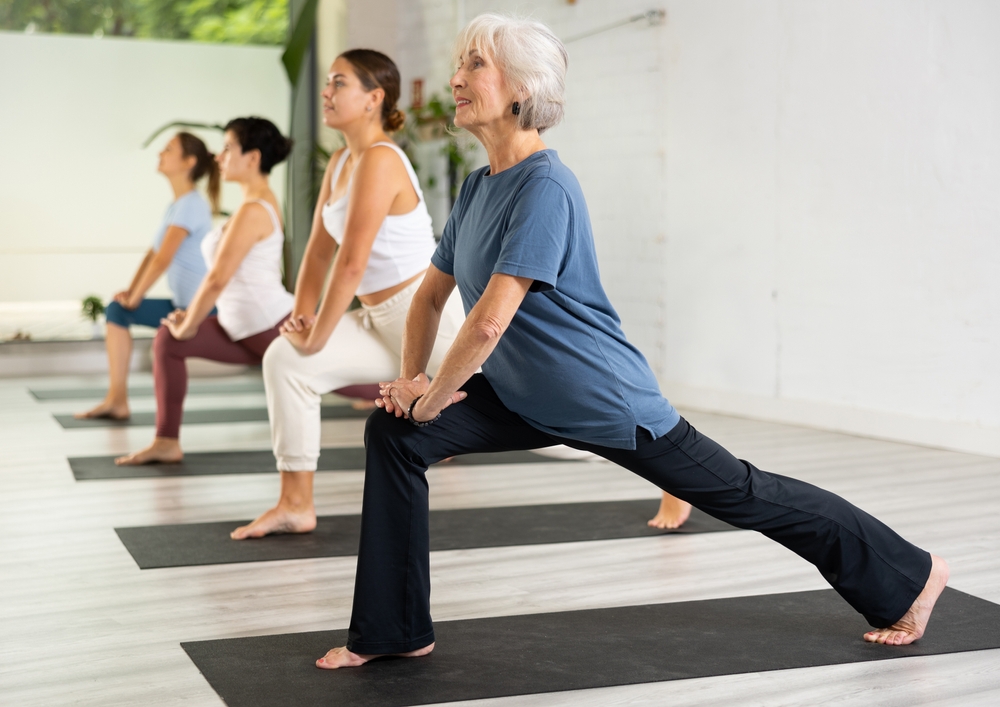
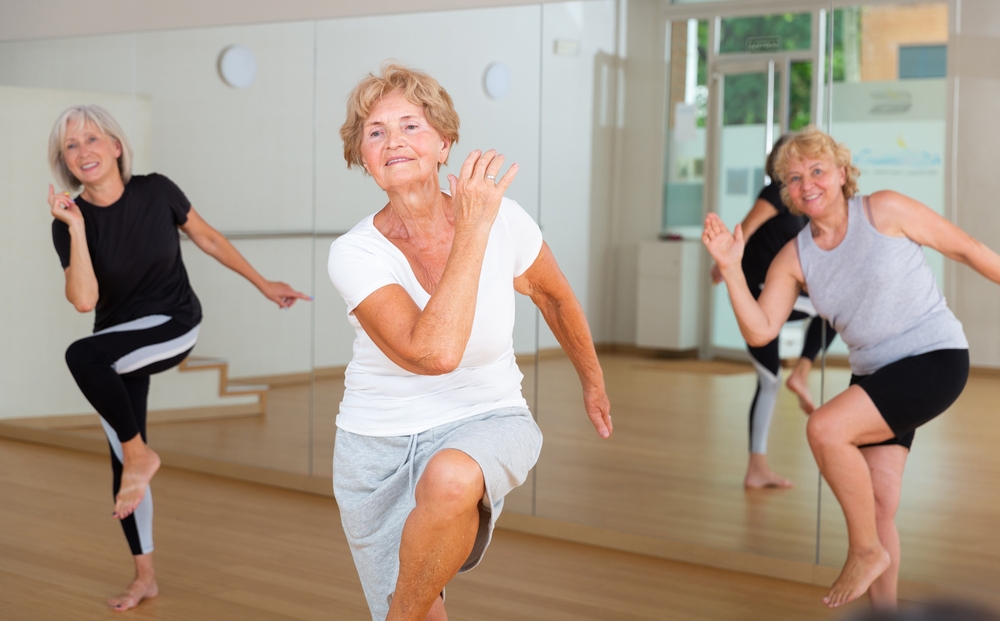
According to the CDC, one out of four older adults falls each year. For women, this can lead to life-altering hip fractures. Balance isn’t just a talent; it’s a motor skill that must be practiced. Research in the British Journal of Sports Medicine indicates that programs combining balance and functional exercises (like Tai Chi or Yoga) reduce the rate of falls by 24%.
Budget tip: Practice “stork standing”, aka standing on one leg, while brushing your teeth or washing dishes. Many community centers offer free or pay-what-you-can yoga classes for seniors. There are also plenty of resources online, such as YouTube, where you can find free yoga classes to follow at home.
The Lifestyle Trifecta: Sleep and Social Connection
While diet and exercise after 60 are the heavy hitters, they don’t work in a vacuum. The soft side of health, recovery, and social well-being is just as scientifically valid.
The Necessity of Sleep
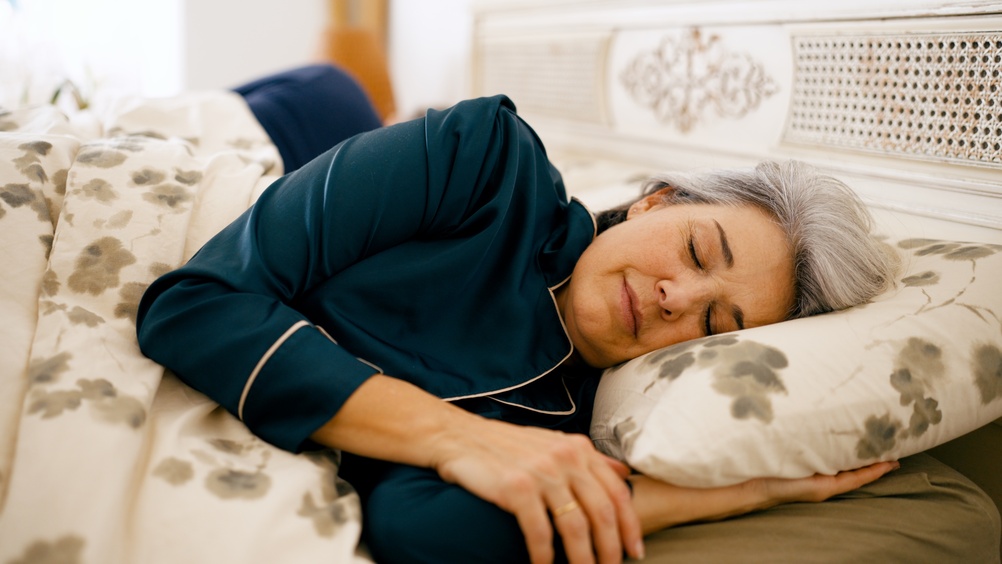
Sleep is when the body repairs tissue and the brain flushes out toxins. A study from Nature Communications linked sleeping less than six hours a night in your 50s and 60s to an increased risk of dementia later in life.
Tip: Maintain your circadian rhythm by getting 10 minutes of natural sunlight in your eyes every morning. It’s a free way to regulate your sleep-wake cycle. Another way to signal to your body that it is time for rest is to take a warm shower before bed. Your body naturally lowers its temperature, which signals the brain to release melatonin and tell it that it is time for sleep.
The Longevity of Social Connection
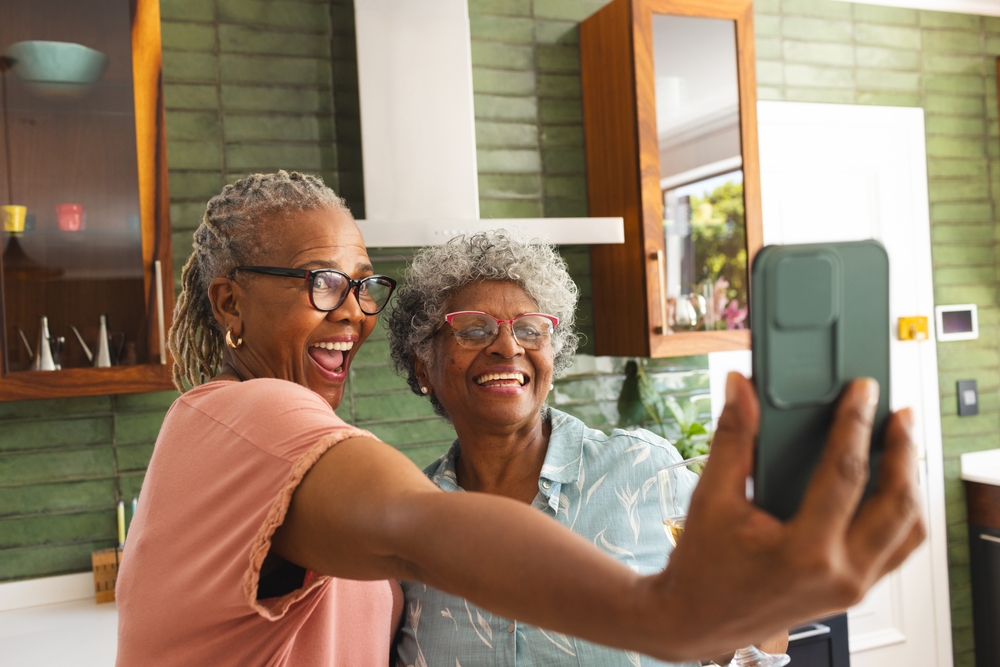
The Harvard Study of Adult Development, one of the longest-running studies on aging, found that the single most important predictor of health and happiness in late life isn’t cholesterol levels; it’s the quality of your relationships. The good news is that socializing doesn’t have to mean expensive dinners out. Join a local walking group, volunteer at a soup kitchen or the library, or start a “potluck” club where once a week you get together with friends or neighbors, and everyone brings a simple, healthy dish.
There are so many ways to be more social as we age. While many find aging isolating, especially if they don’t have any family close by, the reality is that your “village” is what you make of it. Every community has a community center with plenty of ways to get involved. Join clubs (pickleball, knitting, book clubs – whatever piques your interest). Get involved in your community. Getting out and being with people will do more for your health and longevity than you will ever know.
Read More: This 1-Minute ‘Exercise Snack’ Could Help You Live Longer — And It’s Backed By Science
The Bottom Line
Looking and feeling younger at 60 (and beyond) isn’t about erasing wrinkles; it’s about ensuring your body has the strength, energy, and resilience to say “yes” to life’s opportunities. By embracing a balanced approach to women’s health over 60, you are making an investment in your future self.
Remember that consistency beats intensity every time. You don’t need to run a marathon, become vegan, or do anything overly extreme. Small, affordable changes, like adding a scoop of beans to your salad, taking a daily 20-minute brisk walk, and prioritizing a good night’s sleep, accumulate into a powerful anti-aging lifestyle. Health is not a luxury reserved for the wealthy; it is a fundamental right that can be cultivated through simple, science-backed habits starting today.
This information is not intended to be a substitute for professional medical advice, diagnosis or treatment and is for information only. Always seek the advice of your physician or another qualified health provider with any questions about your medical condition and/or current medication. Do not disregard professional medical advice or delay seeking advice or treatment because of something you have read here.
Read More: Reverse Heart Aging By 20 Years: The Exercise Researchers Recommend