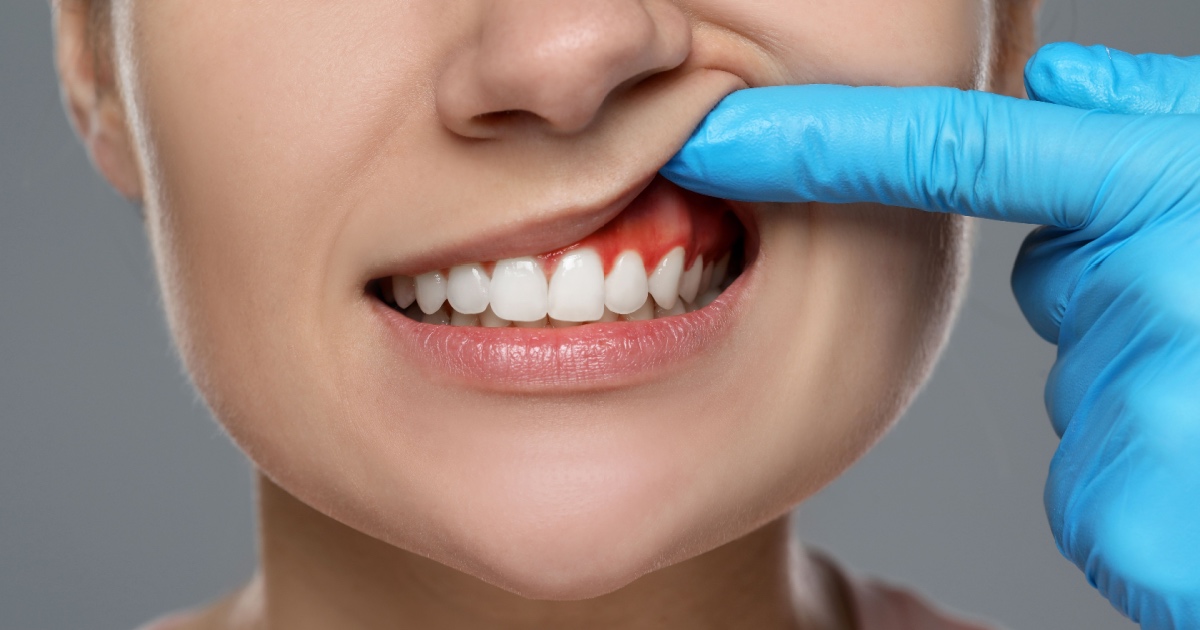

Gum disease treatment has not changed dramatically in decades. A deep cleaning called subgingival instrumentation, in which a hygienist scrapes bacterial deposits from below the gumline, remains the first-line standard of care for periodontitis. What researchers at King’s College London and five Spanish universities tested in 2026 was whether adding a specific dietary protocol to that standard cleaning could change what happens in the body after treatment, and the answer surprised even the research team.
The diet in question wasn’t a supplement, a medication, or a novel dental procedure. It was a structured low-calorie eating protocol called the fasting-mimicking diet, administered in five-day cycles. The trial’s primary finding, published in June 2026 in the Journal of Clinical Periodontology, was that patients who followed this dietary intervention alongside standard periodontal treatment showed significantly lower levels of systemic and local inflammatory markers compared to patients who received the dental treatment alone. The trail between diet gum disease research and clinical practice just got considerably shorter.
The implications reach well beyond the mouth. Periodontitis is not a localized problem that stays in the gum pocket. Research has shown that periodontal disease may contribute to cardiovascular conditions, including atherosclerosis and hypertension, through systemic inflammation and bacterial mechanisms, while also linking it to diabetes and metabolic syndrome through shared inflammatory pathways. A diet that reduces the underlying inflammatory burden of periodontitis is therefore a diet that may simultaneously reduce systemic disease risk, which is precisely what makes this trial worth understanding in detail.
A Quick Summary
The trial investigated whether cycles of a fasting-mimicking diet, used as an adjunct to non-surgical periodontal treatment, were feasible and could influence clinical and inflammatory responses, particularly with respect to C-reactive protein. Participants with periodontitis were randomized to receive standard periodontal treatment while either following their regular diet as controls, or completing three adjunctive five-day courses of the fasting-mimicking diet. The fasting group showed measurable reductions in systemic and local inflammation markers, including C-reactive protein, compared to controls. The diet was safe and well-tolerated across the six-month study period. However, it did not produce superior clinical gum-health outcomes measured by conventional periodontal metrics. This combination of significant biomarker improvement without equivalent clinical improvement defines both the promise and the current limitation of this research.
What Periodontitis Actually Is
The clinical language around gum disease often obscures its true biological nature. Periodontitis is a chronic, host-mediated inflammatory disease in which microbial dysbiosis and dysregulated immune responses drive destruction of the tooth-supporting tissues. That word “host-mediated” matters. The destruction is not caused directly by bacteria. It is caused by the body’s own immune system reacting to bacteria, an overreaction that, over time, erodes the bone and connective tissue holding teeth in place.
Periodontitis is a chronic oral infectious inflammatory disease caused by dental plaque, affecting approximately 35% to 50% of adults globally, and is a principal etiological factor of tooth loss in adults. Those numbers make it one of the most common chronic diseases on the planet, comparable in prevalence to hypertension.
The body’s response to this ongoing infection produces measurable signals throughout the bloodstream. Epidemiological studies have shown that serum C-reactive protein levels were elevated in patients with chronic periodontitis. CRP, or C-reactive protein, is a molecule produced by the liver in response to inflammation anywhere in the body. Elevated CRP is also a recognized risk marker for cardiovascular disease, type 2 diabetes, and metabolic syndrome. The fact that periodontitis elevates CRP connects oral disease to systemic disease risk through a single, measurable pathway.
The introduction of bacterial endotoxins from periodontal infections can damage endothelial cells, contributing to atherosclerotic plaque formation through immunomodulatory pathways. These bacterial components can also induce the production of inflammatory cytokines, leading to further vascular damage and enhancing the risk of clot formation. Standard periodontal treatment reduces bacterial load. What this trial set out to determine was whether dietary modification could reduce the inflammatory response that persists even after the bacteria are removed.
The Trial Design
Periodontitis leads to the formation of gum pockets, and its treatment involves deep cleaning of the teeth to remove soft and hard tooth deposits under the gum line. Although this leads to improvement of the gum conditions and reduced inflammation over the long term, in the hours and days after treatment, inflammation may actually increase, sometimes associated with elevated body temperature. A reliable method to reduce this post-treatment inflammatory response had not been established prior to this study.
The goal of this multi-centre randomized controlled trial was to test whether a diet that mimics the effects of periodic fasting could influence responses in the mouth and throughout the body after treatment of gum disease. Five Spanish university dental centers, the Universidad Complutense de Madrid, Universidad Internacional de Catalunya, Universidad de Murcia, Universidad de Santiago de Compostela, and Universidad de Granada, performed the clinical component, while King’s College London coordinated the research.
Individuals with periodontitis were randomized to receive standard periodontal treatment while either continuing their regular diet as controls, or completing three adjunctive five-day courses of the fasting-mimicking diet. Twenty-eight participants completed the treatment and assessment across the six-month trial period.
The Fasting Protocol
The fasting-mimicking diet used in this trial was a structured, commercially produced regimen. Unlike traditional fasting, which requires complete abstinence from food, the fasting-mimicking diet is a carefully designed, low-calorie diet that provides essential nutrients while inducing a fasting-like state in the body. This approach triggers cellular and metabolic responses similar to prolonged fasting, including reduced inflammation and enhanced tissue repair, with greater adherence and reduced discomfort compared to complete fasting.
The specific caloric prescription was tight. The fasting-mimicking diet provided approximately 1,100 kilocalories on day one, followed by approximately 750 kilocalories daily for days two through five. Each five-day cycle was repeated approximately monthly, for a total of three cycles across six months. The decision to administer three cycles at approximately monthly intervals was based on established clinical protocols used in previous studies on metabolic and inflammatory conditions.
What the Data Showed
In the trial, patients with severe periodontitis who followed the short-term fasting-mimicking diet alongside standard periodontal treatment showed significantly reduced levels of inflammatory markers, not only in their gum tissue, but in their blood. The key marker was C-reactive protein, which fell measurably in the fasting group relative to controls.
Inflammatory changes were also detected locally, at the site of the gum disease itself. Gingival crevicular fluid, a site-specific fluid that seeps from the space between the tooth and gum, carries markers of the inflammatory processes at work in that microenvironment. The fasting group showed reduced inflammatory molecules in this fluid compared to those who maintained their usual diet, suggesting the dietary intervention was affecting not just systemic inflammation but the local inflammatory environment of the gum pocket itself.
The study demonstrated the safety and feasibility of three cycles of the fasting-mimicking diet as an adjunct to periodontal treatment, as evidenced by complete self-reported adherence to the three five-day diet cycles and fulfillment of the progression criteria.
The Critical Limitation
The fasting-mimicking diet did not improve clinical gum health scores compared to standard treatment alone. The biological inflammation markers changed favorably, but researchers did not detect a measurable clinical improvement in periodontal disease severity, including pocket depth, attachment loss, and bleeding on probing, beyond what standard treatment achieved on its own.
This distinction matters clinically. Better biomarkers without better clinical outcomes means the diet is reducing one dimension of the disease, the systemic inflammatory burden, without eliminating the structural damage that drives tooth loss. The trial’s authors are explicit that larger studies are needed before this approach could be incorporated into standard periodontal treatment protocols.
Why Fasting Reduces Inflammation
Professor Luigi Nibali, Head of the Centre for Host-Microbiome Interactions at King’s College London and senior author of the study, outlined several mechanisms that may explain the findings. Fasting reduces oxidative stress in the body, oxidative stress being the molecular damage caused when unstable molecules called reactive oxygen species accumulate faster than the body’s antioxidant defenses can neutralize them.
As Nibali put it: “Fasting reduces oxidative stress in the body, a common cause of inflammation, which can damage cells and DNA.” This is supported by the broader literature on calorie restriction. A 2022 review found that the mechanisms by which fasting decreases oxidative stress include decreasing reactive oxygen species, increasing antioxidant enzyme activities, and increasing the turnover of oxidized macromolecules.
The diet’s caloric restriction also directly targets a secondary driver of periodontal inflammation. As Nibali explained, intake of high-calorie foods and refined carbohydrates, such as cakes and biscuits, can also cause inflammation, so restricting these foods reduces oxidative stress in the body as well. This mechanism is well-characterized. Refined carbohydrate consumption affects gut microbiota composition, triggering increased bacterial pro-inflammatory factors that alter the epithelial barrier and induce systemic inflammation.
The microbiome dimension is potentially the most significant long-term hypothesis from this research, though it remains unconfirmed. Nibali noted that fasting may also have beneficial effects on the microbiome, the body’s community of bacteria that help to keep it healthy, though further research is needed to confirm this relationship. Recent studies using multi-omics approaches have revealed that fasting not only alters gut microbiota composition but also reprograms metabolic functionality.
Read More: Harvard Research Reveals the Everyday Habit That May Be Quietly Cutting Your Life Short
The Broader Science of Fasting and Inflammation
The King’s College London trial did not emerge from a vacuum. A converging body of research on fasting and inflammation in other conditions provides biological plausibility for the periodontal findings.
A 2025 study in Scientific Reports, part of the Nature portfolio, found that a 16:8 intermittent fasting regimen demonstrated beneficial effects on oxidative stress markers and inflammatory indices in postmenopausal women with rheumatoid arthritis. Rheumatoid arthritis, like periodontitis, is a chronic inflammatory disease in which an overactive immune response destroys joint tissue. The mechanistic parallels between the two conditions make the rheumatoid arthritis data directly relevant to interpreting the gum disease findings.
Ramadan fasting has been shown to reduce high-sensitivity C-reactive protein levels significantly in patients with chronic inflammatory conditions and has demonstrated improved oxidative stress markers across multiple patient populations. The fact that multiple fasting protocols, applied to multiple inflammatory diseases, consistently reduce the same biomarker that periodontitis elevates, CRP, lends weight to the King’s College London findings rather than treating them as an isolated result.
The Mediterranean diet, calorie restriction, and now fasting-mimicking protocols all show convergent evidence for reduced periodontal inflammatory markers, suggesting that what we eat is not separate from how our gums behave, even if the mechanism is still being characterized.
Who Should Not Fast
The authors note that larger studies are needed before fasting-mimicking diets could be incorporated into periodontal treatment protocols. Beyond study scale, there are patient populations for whom this approach is simply not appropriate regardless of what future research shows.
The International Diabetes Federation notes that due to the metabolic nature of diabetes, people with the condition are at particular risk of complications from marked changes in food and liquid intake, and fasting is not generally recommended for this population without a structured risk assessment. This is a significant caveat because periodontitis and type 2 diabetes are themselves closely linked, with each worsening the other through shared inflammatory mechanisms. The patients most likely to benefit from an anti-inflammatory dietary intervention may be among those least suited to fasting protocols.
The 2026 American Diabetes Association Standards of Care signal a more individualized rather than blanket approach to fasting decisions in people with diabetes, emphasizing shared decision-making based on individual values, preferences, and comorbidities. Any periodontitis patient with diabetes who is interested in dietary approaches to managing their gum disease should discuss this directly with their physician before attempting any calorie-restricted protocol.
Dr. Giuseppe Mainas, first author of the study at King’s College London, noted: “Our study suggests lifestyle modifications could be important alongside proper tooth brushing for patients.” That framing is deliberate. Dietary modification is positioned as an adjunct to conventional care, not a replacement for it.
What This Means for You
The June 2026 trial from King’s College London and its Spanish partner universities marks a meaningful step in understanding how the diet gum disease relationship operates at a biological level. Several concrete points follow from the evidence.
Standard periodontal treatment, professional deep cleaning and meticulous home oral hygiene, remains the foundation of periodontitis management. The fasting-mimicking diet reduced measurable inflammatory markers in blood and gum tissue when added to that standard treatment, but did not improve clinical periodontal outcomes beyond standard treatment alone. The distinction matters: reduced systemic inflammation has value independent of gum pocket depth, but this dietary approach does not replace professional dental care.
The dietary mechanism is now relatively well understood. Calorie restriction lowers reactive oxygen species production, cuts off the supply of refined carbohydrates that trigger pro-inflammatory cytokines like interleukin-6 and tumor necrosis factor-alpha, and may positively shift microbiome composition, though that last mechanism still requires direct investigation in the periodontal context. For patients with periodontitis who are otherwise healthy, reducing refined carbohydrate intake is a reasonable, low-risk step regardless of whether they undertake a formal fasting-mimicking diet protocol. Avoiding the high-sugar, high-refined-carbohydrate foods that fuel systemic inflammation is consistent with the trial findings, achievable without a structured diet product, and aligned with the broader evidence base on inflammation and oral health.
People with diabetes, pregnancy, a history of eating disorders, or other metabolic conditions should not undertake calorie-restricted fasting without direct medical supervision. The periodontal benefits observed in this trial were measured in a screened population of otherwise healthy adults. Talk to both your dentist and your physician before using any fasting protocol as part of gum disease management.
Disclaimer: This information is not intended to be a substitute for professional medical advice, diagnosis, or treatment and is for information only. Always seek the advice of your physician or another qualified health provider with any questions about your medical condition and/or current medication. Do not disregard professional medical advice or delay seeking advice or treatment because of something you have read here.
AI Disclaimer: This article was created with the assistance of AI tools and reviewed by a human editor.
Read More: 10 Simple Remedies to Help Relieve Gum Disease At Home