

Bowel cancer, once considered a disease primarily affecting older generations, is now showing a disturbing rise among younger adults, including Gen Z. With diagnoses in people under 50 increasing by an alarming 50% in the last three decades, experts are issuing urgent warnings. Dr. Jack Ogden, a GP at The Lagom Clinic in Bristol, in the UK, is leading the call for greater awareness, highlighting five “silent” symptoms often dismissed as minor ailments. For a generation that prides itself on health consciousness, understanding these subtle, pain-free red flags could be the difference between a quick cure and a late diagnosis.
The Alarming Rise in Early-Onset Bowel Cancer

A doctor is warning young people about the silent signs of colorectal cancer as cases rise.
For years, routine screening for bowel cancer (also known as colorectal cancer) has focused on individuals over the age of 50. However, the disease is rapidly spreading among younger demographics. This trend has prompted a worldwide concern that thousands of young people may be ignoring crucial early signals because they assume they are “too young” to have cancer.
Doctors theorize that a combination of factors, including diet, sedentary lifestyles, environmental toxins, and even changes to the gut microbiome from antibiotic use, may be contributing to this increase. Regardless of the cause, the message is clear: if you are under 50, you are not exempt, and vigilance regarding your body’s subtle warnings is vital.
Five Silent Symptoms Gen Z Must Not Ignore
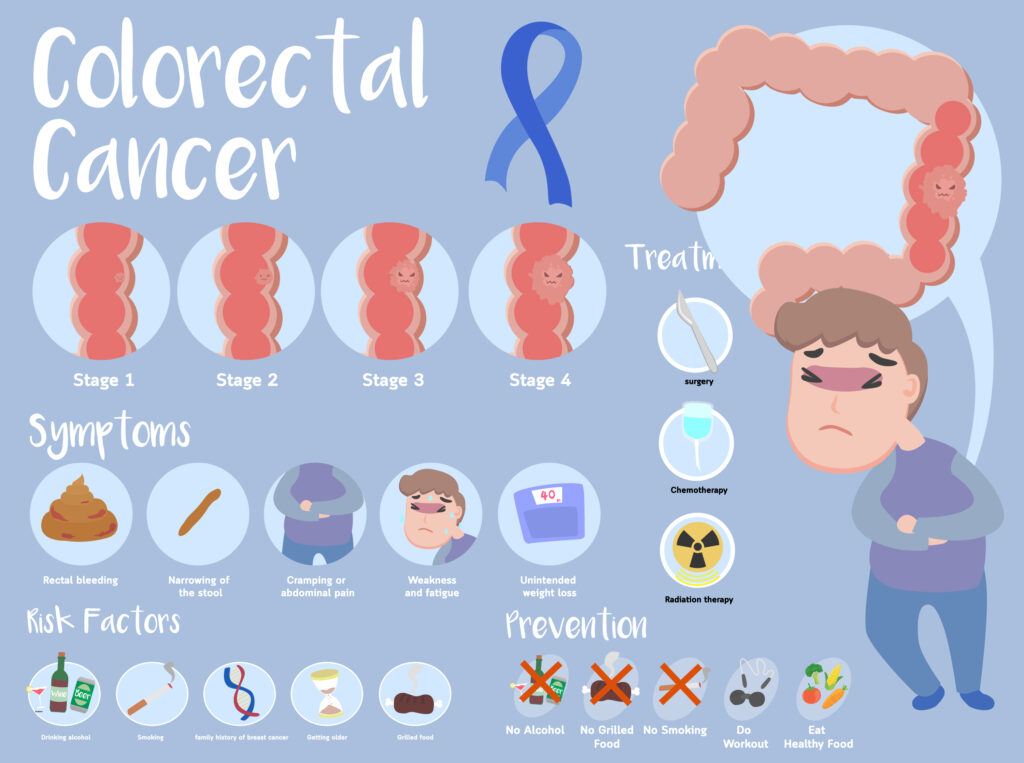
The signs of bowel cancer may go unnoticed.
Dr. Ogden emphasizes that the traditional, well-known symptoms like persistent diarrhea or visible blood are often preceded by more subtle signs. These five symptoms can easily be mistaken for issues like stress, poor diet, or Irritable Bowel Syndrome (IBS), leading to dangerous delays in diagnosis.
1. Iron Deficiency Anemia
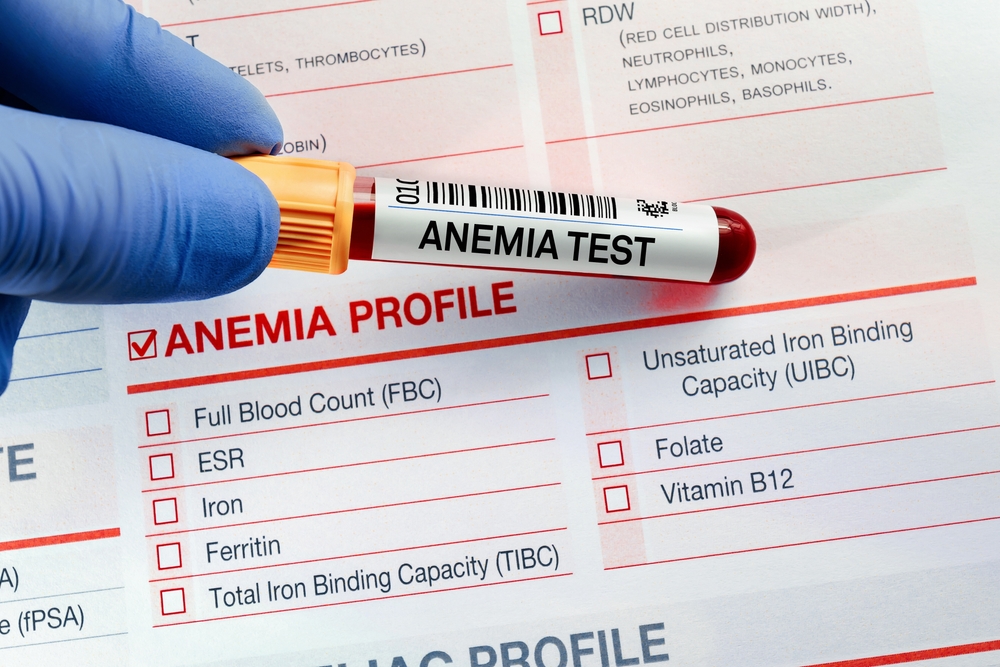
Iron deficiency is a silent sign of bowel cancer.
This is often the first silent sign. A tumor can cause slow, chronic bleeding into the bowel that isn’t visible in stool but leads to continuous iron loss. Symptoms of anemia include persistent fatigue and tiredness that no amount of sleep can seem to fix. It can also include dizziness, shortness of breath, and a pale complexion.
2. Changes in Bowel Habits

Changes in bowel habits are a silent sign of bowel cancer.
While occasional digestive issues are normal, a persistent, unexplained change should raise a red flag. This can manifest as new-onset constipation, diarrhea, or alternating between the two. Crucially, look out for changes in the stool’s consistency or shape, such as stools that are noticeably narrower or “pencil-thin.” This can indicate that a tumor is partially blocking the colon.
3. Unexplained Weight Loss

Unexplained weight loss is a silent sign of bowel cancer.
Losing weight without intentionally trying to through diet or exercise is a concerning symptom. This slow, unexplained weight loss can be caused by the body expending extra energy to fight the cancer, or from a tumor causing a loss of appetite and difficulty in absorbing nutrients.
4. Bloating or Abdominal Pain

Persistent bloating and abdominal pain are silent signs of bowel cancer.
Persistent abdominal discomfort that doesn’t go away can be an early indicator. This can show up as cramps that last for weeks or a feeling of fullness after consuming only a small amount of food. If you experience stomach pain or bloating that is persistent and doesn’t seem linked to a specific meal or cycle, get it checked.
5. Non-Visible Blood in Stool
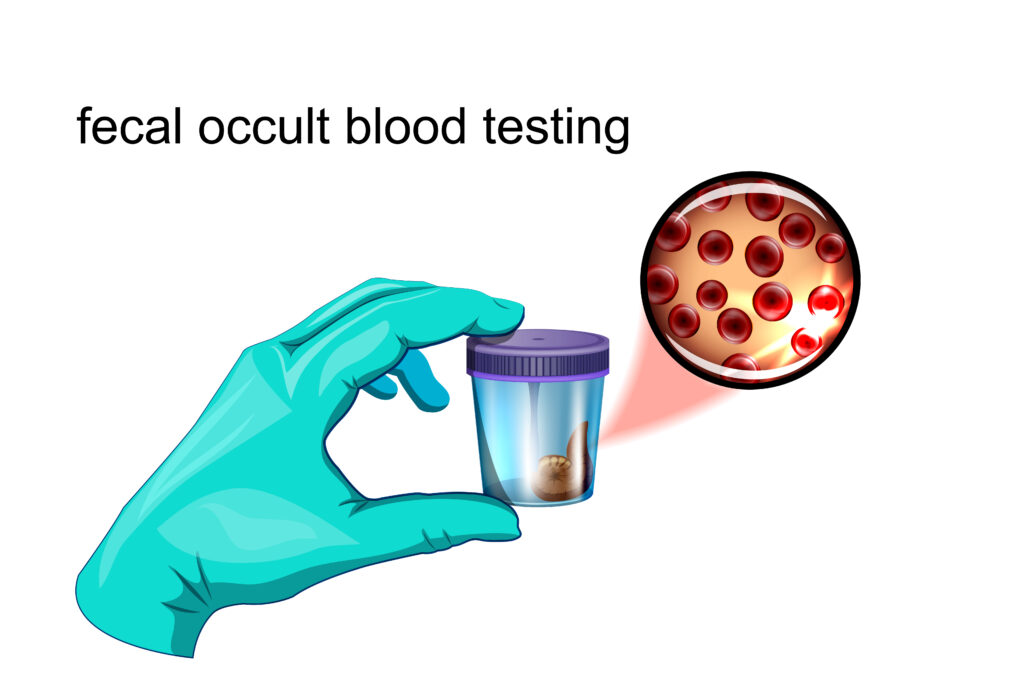
Any blood, even if it is not visible, is a silent sign of bowel cancer.
While bright red blood usually signals hemorrhoids, dark red or black stools can indicate bleeding higher up in the bowel, which is more concerning. Sometimes, the bleeding is so slow that it is not visible to the naked eye and can only be detected through a specialized laboratory test. These tests include a Fecal Immunochemical Test, aka a FIT.
Read More: One Early Habit That May Lower Your Child’s Future Risk of Bowel Cancer
Factors That Increase Your Risk

Experts say our lifestyles are largely to blame for the risk in bowel cancer among younger people.
Several factors can significantly increase an individual’s risk of developing colorectal cancer, with causes falling into lifestyle and genetic categories. Key controllable risks include a high-fat, low-fiber diet that is heavy on processed and red meats. The World Cancer Research Fund suggests limiting processed and red meats to reduce your risk of cancer, including colon cancer. Other lifestyle factors include obesity and a sedentary lifestyle (aka a lack of physical activity), long-term smoking, and heavy alcohol consumption. Factors beyond one’s control that increase risk include increasing age, a family history of colorectal cancer or polyps, and inherited genetic conditions like Lynch syndrome or familial adenomatous polyposis (FAP). Furthermore, individuals with chronic inflammatory bowel diseases, such as chronic ulcerative colitis and Crohn’s disease, are also at an elevated risk due to long-term inflammation in the colon.
Why Early Detection is Life-Saving
The severity of bowel cancer is dramatically determined by how early it is found. If the cancer is detected in its earliest stages, nine out of ten people live for at least five years or more. However, if the cancer is allowed to spread to other parts of the body, the chance of survival plummets to just 10%. The challenge for Gen Z is two-fold: not only is the disease rising in this age group, but doctors are also more likely to attribute symptoms to less serious, more common conditions. This means young patients must be persistent advocates for their health.
Take Action on Persistent Symptoms
The bottom line from Dr. Ogden and other cancer experts is simple: know your normal. If any of these “silent” symptoms – especially iron deficiency anemia, unexplained weight loss, or persistent changes in bowel habits – last for three weeks or more, you must make an appointment with your GP. While these signs can be caused by much less serious conditions, getting an early screening can rule out the worst possibility and potentially save your life. Do not let the embarrassment of the assumption of youth delay a conversation that could be the most important you ever have.
Disclaimer: This information is not intended to be a substitute for professional medical advice, diagnosis or treatment and is for information only. Always seek the advice of your physician or another qualified health provider with any questions about your medical condition and/or current medication. Do not disregard professional medical advice or delay seeking advice or treatment because of something you have read here.
Read More: Why The ‘Young, Fit and Healthy’ Are Getting Bowel Cancer, Surgeon Explains