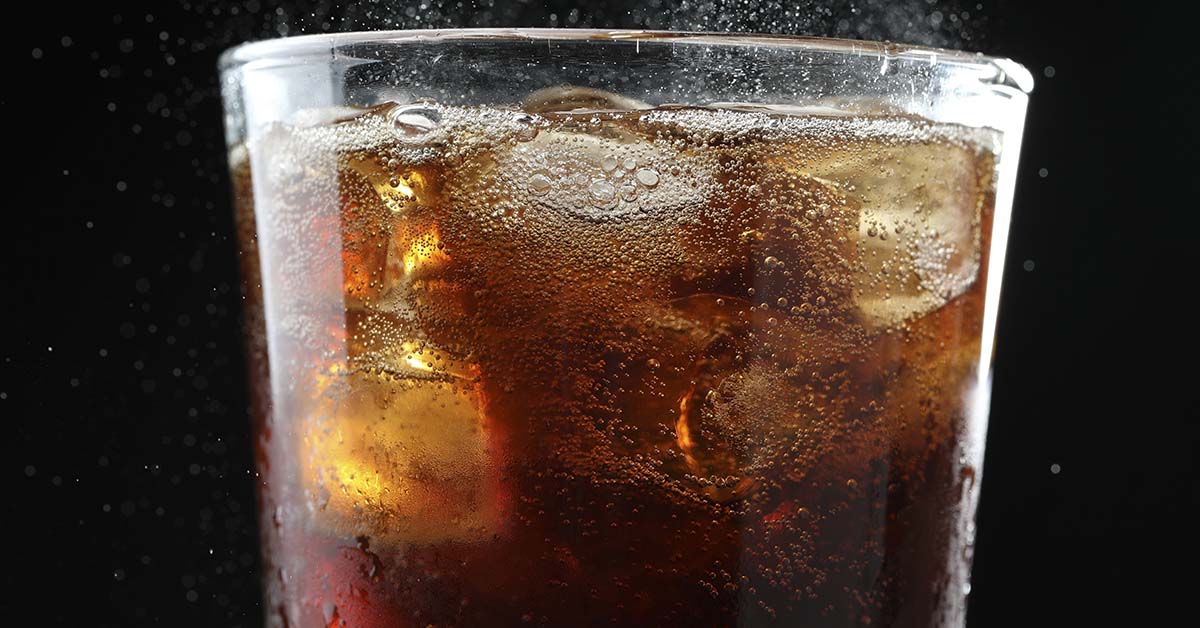
Donald Trump has always treated food as part of his public character. He does not sell discipline, restraint, or tidy moderation. He sells appetite, instinct, and the swagger of a man who refuses to be scolded. That image was already familiar before Dr. Mehmet Oz added a fresh story to the pile. On Donald Trump Jr.’s podcast, Oz said Trump believes diet soda helps because it kills grass. He then said Trump extends that logic to cancer cells. The line was absurd on contact. It was also revealing in a deeper way. Oz now serves as administrator of the Centers for Medicare & Medicaid Services, so his retelling carried more than tabloid novelty. It came wrapped in federal authority, even if the remark itself sounded like barroom logic.
That is why this Trump diet soda story deserves more than a quick laugh. Cancer claims never drift through public life as harmless decoration. They land in living rooms where people are frightened, grieving, desperate, and searching for any lever that might move fate. In that setting, even a joke can harden into folk wisdom. A bright, ridiculous image often outruns the slower language of medicine. The job, then, is to pull the story back onto solid ground. What exactly did Oz say in public? Why did the claim spread so fast online? What does cancer science actually say about aspartame and diet soda? The answers are less flashy than the headline. They are also far more useful to readers.
A Joke With an Official Echo
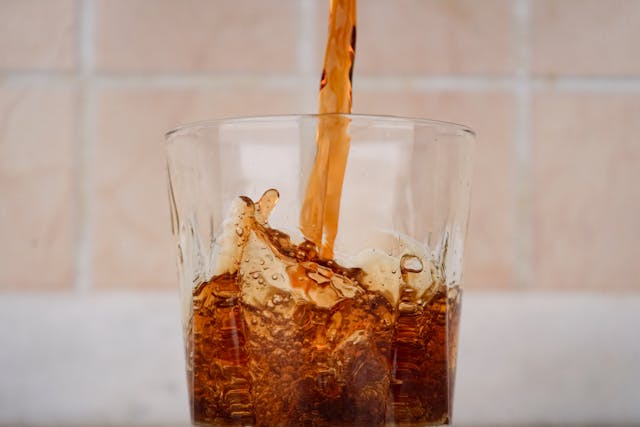
The remark spread because it sounded like private nonsense that slipped into public daylight. On the podcast, Oz told the president’s son that Trump sees diet soda as good for him. He quoted Trump bluntly, “If it kills grass, it’ll kill cancer cells.” Then came the Fanta anecdote. He said the same style of defense appeared there as well. People immediately understood why the quote would travel. It was weird, visual, and easy to repeat. More importantly, it came attached to two men with enormous reach. One holds the presidency of the United States. The other runs CMS inside the federal health system. That combination turned a strange anecdote into a national health story within hours. It also gave an unserious claim a more serious stage. Cancer talk never stays light for very long in public life.
The image did most of the work. Social media loves a picture that can fit inside one sentence. A drink burns grass in a yard. Cancer terrifies almost every family at some point. Therefore, the drink must attack cancer as well. That logic collapses instantly under medical scrutiny, yet it thrives online because it is vivid. A laboratory explanation would have died in the feed. A cartoon image of weeds, soda, and tumors had a far better chance. That is how flimsy health claims often spread. They arrive as pictures first and arguments second. By the time experts begin correcting them, the image has already done its damage. Then it settles into memory and starts sounding strangely familiar. Repetition gives nonsense a polish that truth must fight to match.
The episode also fit Trump’s long political style. He has always favored instinct over method and punch lines over qualification. That approach can be useful in politics because it projects energy and contempt for elite caution. Science lives by the opposite code. Science advances through restraint, repetition, and language careful enough to survive hostile review. Those two cultures collide constantly in modern America. The louder one usually wins the opening round. The quieter one arrives later with committee statements, cautious phrasing, and pages that nobody wants to share online. That mismatch helps explain why the Trump diet soda line traveled faster than the evidence correcting it. It sounded punchy long before it sounded false. By the time corrections arrive, the crowd has already moved on.
Oz’s role made the story harder to dismiss as comic fluff. CMS says he is the agency’s 17th administrator under President Trump. That title does not convert every anecdote into formal guidance. It does raise the standard for what should be repeated in public. Health officials speak into a country already buried under miracle cures, half-read studies, wellness folklore, and viral nonsense. In that atmosphere, even a smirking story can validate magical thinking. Once magical thinking attaches itself to cancer, the consequences grow heavier. Patients and families do not always hear the wink. They hear the words and carry them elsewhere. Those words then travel into kitchens, group chats, and waiting rooms. Authority gives flimsy claims a durability they never earned.
Cancer Science Will Not Play Along
Put the personality aside, and the medical question becomes very plain. Does diet soda kill cancer cells inside the human body? No credible cancer authority says that it does. The National Cancer Institute says preapproval studies found “no evidence” that approved artificial sweeteners cause cancer or other harms in people. The Food and Drug Administration is just as direct about the current aspartame debate. It says the IARC classification “does not mean” aspartame is “actually linked to cancer.” Those statements sound solid, which is exactly what this subject needs. They close the door on soda-as-therapy fantasies with unusual clarity. They also show how far the political version strayed from the evidence.
Bodies are not lawns, and tumors are not weeds waiting for a harsh liquid. Human biology works through dose, absorption, metabolism, tissue response, and time. A substance can damage grass in a yard and tell you nothing useful about what happens inside a person. Yet cancer fear pulls people toward that kind of shortcut thinking. They want an enemy they can identify and a trick they can trust. That desire makes emotional sense to frightened people. It also opens the door to bad reasoning. The more frightening the disease becomes, the easier it is to smuggle nonsense into the discussion. It enters wearing the disguise of common sense and practical wisdom. That is why public cancer language must stay blunt when a claim is this flimsy. Euphemism only gives weak ideas more room to hide.
Much of the confusion comes from a debate the public often hears in fragments. One headline says aspartame may be carcinogenic. Another says regulators still allow it within accepted intake limits. Many readers assume those statements cancel each other out. In truth, they address separate questions. One statement addresses hazard as a category. The other statement addresses risk in daily life. Hazard asks whether something could cause harm under some conditions. Risk asks how likely harm becomes at actual exposure levels. Health agencies spend a huge effort separating those ideas because public discussion keeps crushing them together. Once that distinction vanishes, people swing between panic and denial. Neither state is a strong place to reason from. Clear thinking demands separation before it allows judgment. That discipline is harder online, yet it remains absolutely essential.
That is why the Trump diet soda line fails so completely. It does not merely stretch uncertain evidence into a confident claim. It flips the entire argument upside down. The live scientific question is whether long-term intake deserves more concern and continued study. The viral political version turns that uncertainty into an invented benefit. A debated sweetener becomes a folk treatment. Nothing in oncology supports that move. No serious cancer group recommends diet soda as prevention, therapy, or defense. The claim survives because it is colorful and memorable. Color can hold attention for a day, and perhaps longer online. It cannot carry medical truth across the finish line. Flash is not the same thing as proof.
Aspartame Lives in an Uneasy Middle Ground
Aspartame keeps stirring suspicion because it sits inside a category many people already distrust. It is manufactured, heavily debated, and tied to products that symbolize modern dietary excess. That emotional background gives every new study extra force. In 2023, IARC classified aspartame as “possibly carcinogenic to humans,” also called Group 2B. The phrase sounds alarming because it is easy to hear it as a verdict. Yet WHO’s paired statement was more restrained. JECFA still reaffirmed the acceptable daily intake at 40 milligrams per kilogram of body weight. The agencies were not describing an everyday cancer cure. They were not issuing a simple all-clear, either. They were mapping uncertainty with careful language that many headlines quickly flattened. That flattening created much of the confusion that followed.
The American Cancer Society helps explain that uncertainty in terms that ordinary readers can actually use. It says IARC based its decision on limited evidence that aspartame might cause cancer, especially liver cancer, in people. Limited evidence is not proof of causation. It is a signal that deserves further attention. The FDA makes the same point from another angle. A hazard label, it says, does not prove an actual cancer link under normal use. Put those two positions together, and a more honest picture appears. The record is neither a clean exoneration nor a final condemnation. It is a tense middle ground shaped by uncertainty, exposure, and the quality of the evidence itself. That is less satisfying than certainty, but it is far closer to the truth. Honest uncertainty is still better than theatrical certainty.
A major 2022 paper added fresh fuel to that unease. Charlotte Debras and colleagues studied data from 102,865 adults in the French NutriNet-Santé cohort. They found links between higher artificial sweetener intake and increased overall cancer risk. That result drew broad attention because the sample was large and the headline almost wrote itself. Yet the paper also discussed possible selection bias, residual confounding, and reverse causality. Those limits matter in a serious way. Observational research can uncover important patterns, but it cannot prove one factor caused the disease on its own. The public rarely lingers on that caution because caution does not fit neatly inside a frightening social post. The science still requires patience and care. Good research often moves more slowly than public appetite can tolerate.
That same complexity is why careful organizations still speak in guarded, measured terms. CANSA says current evidence “does not support a causal relationship” between non-nutritive sweetener consumption and cancer in humans. That is not a glamorous conclusion. It is a responsible one for public health. Approved sweeteners are not miracle products. Current evidence also does not justify calling ordinary use a proven cancer cause. Consumers are left with a less thrilling answer than the internet wants. Moderation remains sensible in daily life. More research will surely come over time. No part of that record rescues Trump’s claim. If anything, the unsettled state of the evidence makes loose political improvisation look even more reckless. Uncertainty should invite caution, not swagger.
When Politics Starts Speaking Like Medicine

Image Credit: Pexels
The most revealing part of this episode is not the odd line itself. It is how quickly the line blurred into something that sounded like health advice. That change happened once it passed through politics, podcast culture, and repetition. A president’s habits always attract curiosity. A president’s health myths travel differently because they borrow the aura of office. That remains true even when nobody intends to write policy with them. Add Oz to the story, now speaking as CMS administrator, and the anecdote gains another layer of institutional weight. No formal recommendation was issued by anyone. Millions still heard the story through voices tied directly to national power. That changes the meaning of the joke in public life. The office gives loose words a force they would not otherwise possess. That force can outlast the original conversation by weeks.
Modern media makes that problem worse because it redistributes health talk as emotional fragments. A sarcastic aside becomes a headline. The original grin often disappears from view. A partial clip starts circulating without the softening sentence that followed it. Supporters then insist critics cannot take a joke. Critics respond by focusing on the foolishness of the idea itself. Both reactions keep the story burning. Meanwhile, ordinary readers are left with the false impression that a real medical argument exists over diet soda. Among credible cancer authorities, that argument does not exist. The ambiguity was manufactured by politics and media rhythm, not by oncology. That distinction deserves constant repetition in public debate.
Public health language must carry a heavier burden than ordinary speech. Patients, relatives, and frightened readers do not always have spare energy for sorting irony from evidence. They hear a claim, attach it to a powerful name, and take it somewhere personal. That is why major agencies sound maddeningly careful when they discuss cancer, exposure, and risk. That caution is not timid or ornamental. It is ethical, practical, and necessary. Once a false health idea settles into the culture, it becomes portable, stubborn, and durable. That risk grows when the idea flatters a habit people already enjoy. A political myth about diet soda will never stay confined to one podcast. It will show up later in someone’s family argument or private rationalization. False health talk rarely dies where it began.
The stronger takeaway is cultural as much as medical. America now turns nearly every subject into a performance, including diet, disease, and prevention. Food becomes a tribal identity in public argument. Medical language becomes branding in public argument. Consumption becomes personality theater in public life. In that setting, a can of soda stops being only a beverage. It becomes a prop in a larger story about toughness, instinct, rebellion, and contempt for expert caution. That is why a flimsy claim can last longer than it deserves. It plugs into a script people already know. Science rarely looks glamorous inside that script. It still remains the only guide sturdy enough to trust when the subject is cancer.
Disclaimer: This information is not intended to be a substitute for professional medical advice, diagnosis or treatment and is for information only. Always seek the advice of your physician or another qualified health provider with any questions about your medical condition and/or current medication. Do not disregard professional medical advice or delay seeking advice or treatment because of something you have read here.
A.I. Disclaimer: This article was created with AI assistance and edited by a human for accuracy and clarity.
Read More: The Reason Pope Leo Won’t Travel to the US During Trump’s Term