

Most people reach for a beer after work and assume they’re simply unwinding. The liver, however, starts processing every sip immediately – and when you drink beer daily, that organ never fully gets a day off. What’s less obvious is which part of your body tends to show the first signs of strain, and how quickly some of those changes become measurable.
The answer isn’t always the liver. Researchers studying daily drinkers have found measurable changes in brain structure, blood pressure, and sleep architecture – changes that show up even among people drinking what most would consider a modest amount. Those aren’t the same physiological story at one beer a day versus three or four, and most headlines about alcohol conflate them.
Drinking beer daily affects play out across seven body systems – and the timeline differs for each one. Some changes are measurable within weeks. Others take years to surface, but begin accumulating long before any symptom appears. Here’s what the science shows, system by system.
Your Liver Takes the Hit

The liver is the first stop for every gram of alcohol you consume, and it doesn’t multitask well. When you drink, your liver drops everything else to process alcohol – pulling what amounts to double shifts every time. Over time, that constant overload can damage this vital organ. According to the CDC, long-term heavy alcohol use is directly linked to liver disease, along with dependence, heart problems, and certain cancers.
Liver stress is a long game. For most daily moderate drinkers, the risk is lower than for heavy drinkers, but it doesn’t disappear. The threshold at which accumulation becomes diagnosable disease is more specific than most people realize. According to a 2026 Hepatology Communications study, an estimated 3.15 million people were living with alcohol-associated cirrhosis in 2023, with more than 419,000 new cases occurring that year alone.
For women who drink frequently, the pattern of when they drink matters as much as how much. An NIH study found that among women consuming seven or more drinks per week, daily consumption was associated with 1.61 times the risk of cirrhosis compared to those who spread their drinking across fewer days. Drinking every day, even within a modest weekly total, carries a distinct risk profile from drinking the same amount on fewer occasions.
Research from the NIH’s National Library of Medicine shows that daily consumption of 30 to 50 grams of alcohol – roughly two to four standard beers – sustained over five or more years can cause alcoholic liver disease. That’s not a distant, extreme scenario for a lot of daily beer drinkers.
Blood Pressure Climbs Steadily
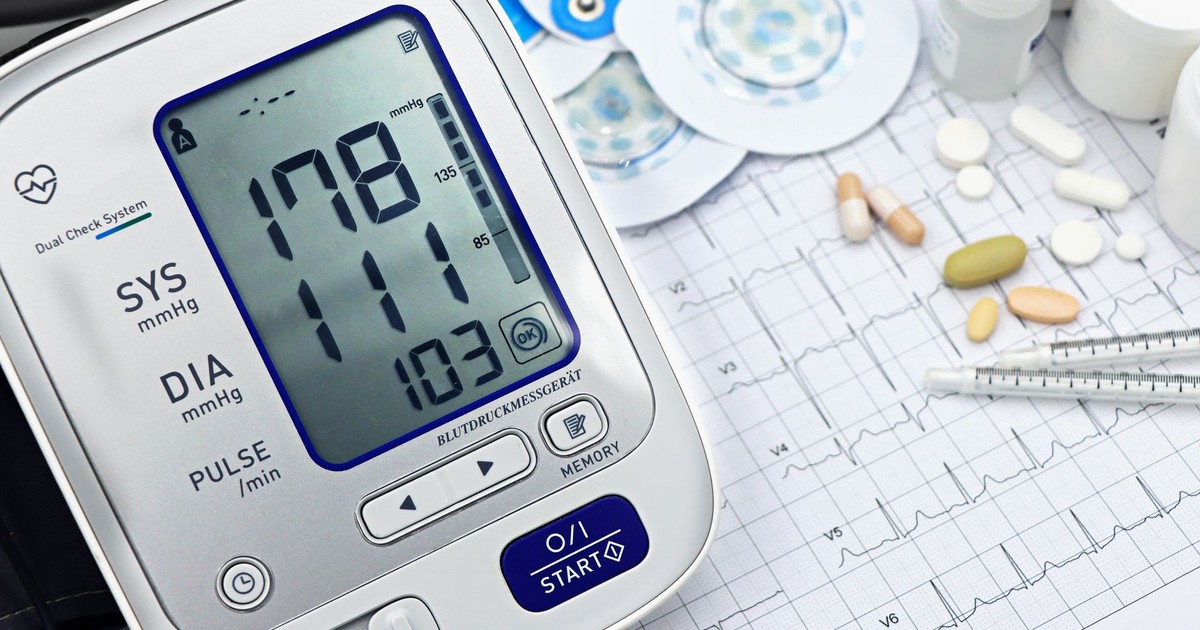
Alcohol’s effect on blood pressure is one of the most consistently documented in cardiovascular medicine, and daily beer consumption is not exempt. According to research published in the American Journal of Hypertension, each one-drink-per-day reduction in alcohol consumption is associated with a drop of approximately 1 mmHg in systolic blood pressure. That’s not a dramatic number in isolation, but sustained high blood pressure is one of the leading risk factors for heart attack and stroke, meaning small daily inputs accumulate into meaningful long-term outcomes.
The CDC’s stroke risk factor data confirms that drinking too much alcohol raises blood pressure and increases the risk of stroke. The 2025 ACC/AHA Blood Pressure Guidelines responded to exactly this body of evidence. The American College of Cardiology now recommends that women limit alcohol to one or fewer drinks daily, and men to two or fewer, explicitly citing blood pressure management as the rationale. For anyone already managing hypertension, daily beer is a variable cardiologists now actively ask about.
Sleep Starts Falling Apart

A beer before bed reliably makes falling asleep faster. That much is true. The problem starts a few hours later. Alcohol suppresses REM sleep – the deepest, most restorative stage – and fragments the second half of the night as the body metabolizes what it consumed.
Research shows that drinking three or more days per week increases arousal during sleep, reducing overall sleep quality, even in people who don’t consider themselves heavy drinkers. The sedating effect that makes a beer feel like a sleep aid also fades quickly. According to American Addiction Centers, those sedating effects are largely lost within just one week of nightly use – meaning the body adapts rapidly, requiring more alcohol to achieve the same falling-asleep sensation while the sleep-disrupting effects remain.
A 2026 narrative review published in the journal Nutrients, examining a decade of evidence, found that habitual alcohol consumption is associated with poorer subjective sleep quality, insomnia symptoms, and increased risk of sleep-disordered breathing. For people who feel they “sleep fine” after a nightly beer, the relevant question isn’t whether they fall asleep – it’s whether they’re cycling through enough REM sleep to consolidate memory, regulate mood, and support immune function overnight.
The Brain Shows Structural Changes
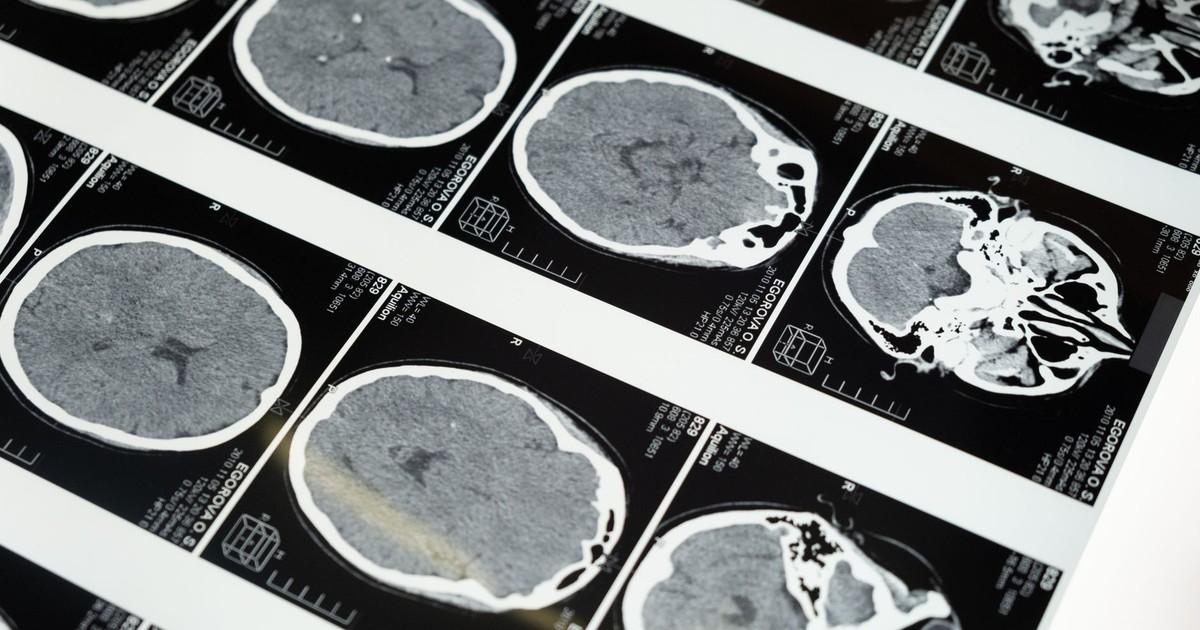
This is the finding that surprises most people who consider themselves responsible drinkers. Brain shrinkage – specifically in the hippocampus, the region responsible for memory and spatial navigation – has been documented not only in heavy drinkers, but in people consuming what researchers classify as moderate amounts.
A British Medical Journal study found that even moderate drinkers – those consuming 14 to 21 units of alcohol per week – had three times the odds of right-sided hippocampal atrophy compared to abstainers. Fourteen units per week translates to roughly six to seven standard beers – a level many weekend social drinkers hit without tracking.
Hippocampal atrophy (shrinkage of the brain’s memory center) is associated with faster cognitive decline with age. The structural changes accumulate over years of regular drinking, and they don’t always reverse when drinking stops. For anyone in their 40s or 50s starting to think about long-term brain health, daily beer consumption is a variable worth factoring in alongside sleep, exercise, and diet.
If you’re thinking about ways to support liver function and overall metabolic health, it helps to understand how the liver recovers between drinking episodes.
Cancer Risk Starts at the First Drink
The direct link between alcohol consumption and cancer risk is well-established for at least seven types of cancer, including cancers of the breast, colorectum, esophagus, liver, mouth, throat, and voice box – regardless of whether the alcohol comes from beer, wine, or spirits. Only 45% of Americans recognize that alcohol can cause cancer, while 89% know tobacco carries cancer risk.
According to the National Cancer Institute, about 100,000 cancer cases per year in the United States are linked to alcohol consumption. The threshold is lower than most people assume. The HHS Surgeon General’s Advisory states plainly that even one drink per day may increase the risk of breast cancer. For colorectal cancer, the American Cancer Society confirms that all types of alcoholic drinks increase cancer risk, and that the amount consumed over time is the most important factor – not the type of beverage.
More than 538,000 alcohol-associated cancers occurred in the United States in 2022, according to the CDC, with breast cancer being the most common among women. For daily beer drinkers, this risk doesn’t require heavy consumption to be relevant.
Your Waistline Responds to Alcohol’s Calorie Density

Beer calories are straightforward in one sense and underestimated in another. Alcohol contains 7 calories per gram – nearly twice the caloric density of carbohydrates and protein, which each deliver 4 calories per gram. A standard 12-ounce beer typically adds 150 calories, which sounds manageable until daily consumption is factored across a year: that’s roughly 54,000 extra calories, or the equivalent of about 15 pounds of stored fat.
Studies have confirmed that drinking beer increases waist circumference. The mechanism isn’t only caloric. Alcohol is processed by the liver before dietary fat, which means fat metabolism slows down while alcohol is present. Alcohol delivers no nutritional value and hinders metabolism because the body has to prioritize breaking down a toxin rather than digesting fat. The combination of high caloric density and fat-burning suppression makes daily beer one of the more effective – and unintentional – drivers of gradual weight gain.
Dropping one beer per day removes around 1,000 calories per week from the diet without changing a single meal.
Heart Rhythm and Cardiovascular Structure Over Time
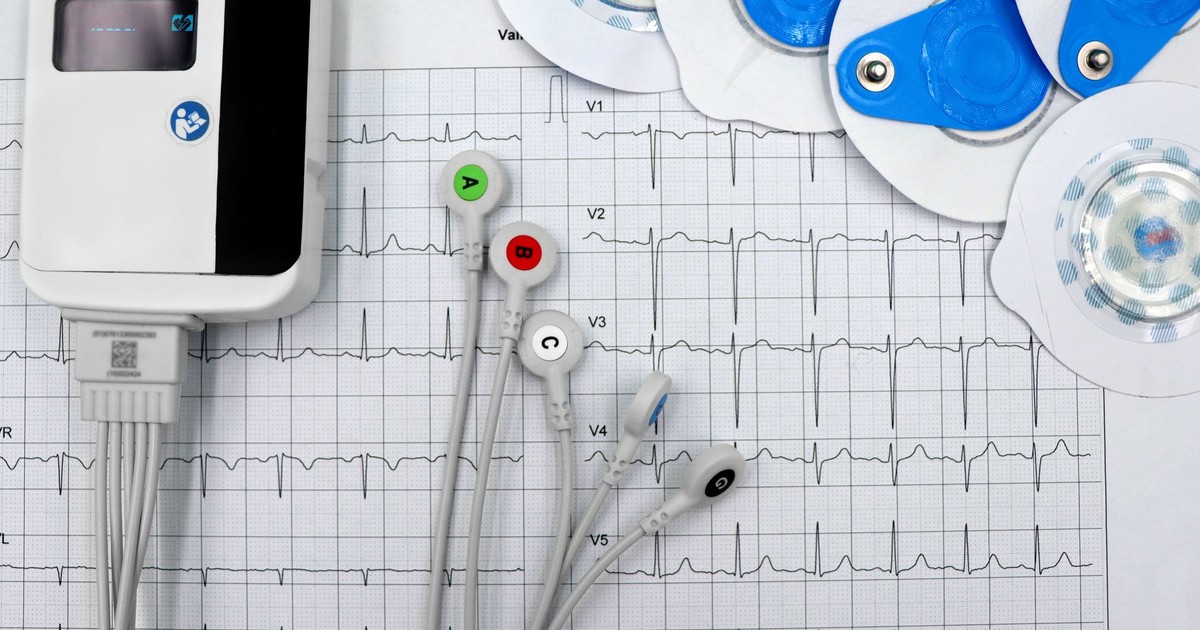
Some moderate-drinking research has shown improvements in HDL (“good”) cholesterol, but the overall cardiovascular ledger tilts negative with daily and escalating consumption. Excessive alcohol consumption increases the risk of cardiomyopathy (weakening of the heart muscle), hypertension, atrial fibrillation, and stroke, according to research in Antioxidants & Redox Signaling. Atrial fibrillation – an irregular heart rhythm that significantly raises stroke risk – has been specifically linked to alcohol intake, sometimes called “holiday heart syndrome” when it appears after heavy episodic drinking, but also documented in regular daily drinkers over time.
At the cellular level, alcohol induces oxidative stress across liver, heart, pancreas, and brain cells. A 2025 PMC review found that alcohol triggers mitochondrial dysfunction and metabolic imbalances across multiple organ systems through reactive oxygen species and NAD+ depletion. Those changes don’t cause immediate symptoms, which is why cardiovascular damage from daily drinking tends to be discovered only once it has progressed substantially.
Read More: Not Just Alcohol: Surprising Diet Habits That May Raise Liver Cancer Risk
How Daily Beer Drinkers Can Rethink Their Habits

The drinking beer daily effects don’t all operate on the same timeline. Some – like disrupted sleep and blood pressure elevation – are measurable within weeks of establishing a daily habit. Others, like hippocampal changes and liver disease, develop over years. Cancer risk accumulates across a lifetime of exposure, and the dose-response curve starts at the very first drink.
Age, genetics, body size, and existing health conditions all influence how alcohol affects any individual. A 35-year-old with no family history of liver disease, high blood pressure, or breast cancer is starting from a different baseline than someone who carries those risks – and the research reflects that individual variation throughout.
The most actionable step most daily beer drinkers can take is to audit frequency before quantity. The liver cirrhosis data, the hippocampal research, and the blood pressure findings all suggest that drinking every day – even within moderate weekly totals – produces worse outcomes than drinking the same total amount across fewer days. Keeping two or three alcohol-free days each week isn’t a dramatic lifestyle overhaul, but the research consistently shows it makes a measurable difference to several of the outcomes described above. If you have concerns about how your drinking habits are affecting your health, your primary care doctor is the right first conversation.
Disclaimer: This information is not intended to be a substitute for professional medical advice, diagnosis, or treatment and is for information only. Always seek the advice of your physician or another qualified health provider with any questions about your medical condition and/or current medication. Do not disregard professional medical advice or delay seeking advice or treatment because of something you have read here.
AI Disclaimer: This article was created with the assistance of AI tools and reviewed by a human editor.
Read More: Alcohol Raises Risk of These 20 Conditions — Including Some That Surprise People