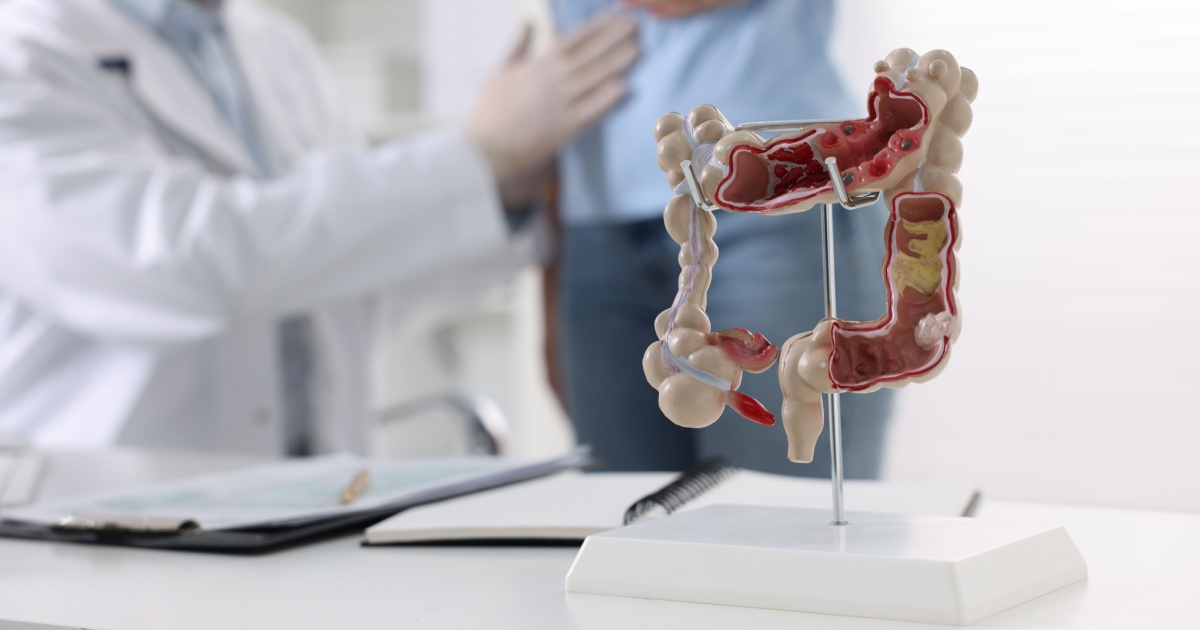

There’s a moment almost everyone knows, but nobody really talks about: the uncomfortable, sluggish feeling when your body just won’t cooperate. You’ve eaten, you’ve waited, and nothing is happening. Whether it’s been a day or three, constipation has a way of making even ordinary tasks feel miserable.
The good news is that relief is often closer than the medicine cabinet. Gastroenterologists – doctors who specialize in the digestive system – know that certain drinks can trigger your body’s own mechanisms for getting things moving, sometimes surprisingly quickly. These aren’t folk remedies or wellness trends invented by influencers. Most of them are backed by real clinical research, and a few have been formally recommended by digestive health specialists for years.
What’s interesting is why they work. The gut is a system of muscles, hormones, and bacteria, and each drink on this list engages it in a slightly different way. Understanding the mechanism helps you use these beverages smartly – and know what to realistically expect. Here’s what gastroenterologists actually recommend.
1. Warm Water (Especially First Thing in the Morning)
Water is the single best drink for constipation. It can ease the immediate problem and help prevent it from coming back. For stool to be soft enough to pass through the gut, it needs adequate water content. That much is basic physiology. But the temperature and timing matter more than most people realize.
Drinking a glass of warm water on an empty stomach, before coffee or breakfast, gives the gut a gentle prompt to start moving. The intestinal tract is more sensitive and prone to movement early in the day, and drinking something warm plays directly into the gastrocolic reflex, the automatic signal that tells your colon to contract and push things along.
For anyone who struggles with chronic constipation, dehydration is often a hidden driver. Stool needs a precise balance of water to stay soft but firm enough to move. When that water is lacking, stool hardens and becomes much harder to pass. Staying consistently hydrated keeps the entire system – stool included – properly hydrated. A practical rule: drink 8 to 16 ounces of warm water immediately on waking, before eating anything else. If plain water feels too plain, add a squeeze of lemon. The citrus may help stimulate the colon, and some studies show that warm water in the morning can help break down foods – so a warm cup of lemon water first thing is a double benefit.
2. Coffee (In Moderation)
Few drinks have a more reliably well-documented effect on bowel function than coffee. If you’ve ever noticed a sudden urge to use the bathroom shortly after your morning cup, that’s not coincidence. Coffee stimulates bowel movements by triggering colonic contractions through the gastrocolic reflex. It also prompts the release of digestive hormones like CCK and gastrin, which activate movement in the gallbladder and colon. In some people, this effect begins within approximately four minutes.
Caffeine plays a role, but it’s not the only active ingredient. The four main compounds in coffee that stimulate bowel movements are caffeine, chlorogenic acids, N-alkanoyl-5-hydroxytryptamides, and melanoidins. This is why decaf isn’t completely without effect. Decaffeinated coffee also stimulates bowel activity, though with reduced intensity. A 2024 review of coffee’s effects on gut microbiota and bowel function found that moderate consumption – fewer than four cups a day – also increased the relative abundance of beneficial gut bacteria, suggesting coffee may support digestive health on multiple levels.
The caveat gastroenterologists consistently flag: moderation. Too much coffee acts as a diuretic, meaning it causes the body to lose water – the exact opposite of what a constipated gut needs. One to two cups, ideally in the morning, is a reasonable amount. People with acid reflux or sensitive stomachs may find that coffee worsens symptoms, even if it helps with constipation, so pay attention to how your body responds overall.
3. Prune Juice
Prune juice is one of the oldest and best-studied natural remedies for constipation, and the science behind it is more interesting than its old-fashioned reputation suggests. Three active ingredients do the heavy lifting: sorbitol (a natural sugar alcohol that pulls water into the colon), pectin (a soluble fiber), and polyphenols (antioxidants that may stimulate gut motility and feed beneficial gut bacteria).
A 2022 randomized placebo-controlled trial published in the American Journal of Gastroenterology found that daily prune juice intake significantly reduced hard, lumpy stools and normalized stool consistency in adults with chronic constipation, without causing diarrhea. That last point matters – many laxative approaches overcorrect and cause loose stools or cramping. Prune juice, at the right dose, tends to normalize rather than overwhelm.
A systematic review also found that prune juice improved stool output compared with placebo, with the benefit attributed to sorbitol drawing water into the gut lumen and softening stools. A typical adult dose is 4 to 8 ounces (about 120 to 240 mL) per day. More isn’t better – it just increases the risk of gas, bloating, and loose stools. If you find the taste too strong, diluting it in warm water first thing in the morning makes it more palatable and adds the hydration benefit of warm water at the same time.
4. Kiwi Juice (or Blended Kiwi)
Kiwi might not be the first thing you think of when you’re reaching for constipation relief, but gastroenterologists and nutrition researchers have been paying close attention to this fruit for good reason. Kiwis contain actinidin, an enzyme that promotes movement in the upper gastrointestinal tract by efficiently breaking down proteins. The juice of kiwi, or blended whole kiwi, can be a convenient way to get these benefits.
Clinical trials have shown that eating two kiwis a day increases bowel movement frequency and improves abdominal comfort, even in patients with irritable bowel syndrome. An international multicenter randomized controlled trial published in the American Journal of Gastroenterology in 2023 confirmed these effects across multiple countries and patient groups, with green kiwifruit showing consistent benefit. If eating two whole kiwis daily isn’t practical, blending them into a juice or smoothie achieves a similar result while also keeping the fiber intact.
For the best effect, use whole blended kiwi rather than commercial kiwi juice, which is often filtered and stripped of the fiber and actinidin that make the fruit useful in the first place. The microbiome connection is one reason kiwi’s polyphenols and fiber are considered beneficial beyond just bowel frequency – the same gut bacteria that ferment kiwi fiber also produce short-chain fatty acids that support overall colon health.
5. Chia Seed Water
Chia seed water – sometimes called “chia fresca” – has become one of the more popular gut health drinks in recent years, and the enthusiasm is largely justified by the fiber content. Gastroenterologist Joseph Salhab, MD, recommends this drink, made with one tablespoon of chia seeds and a 12-ounce glass of water. The seeds absorb liquid and swell into a gel-like consistency, which is the key mechanism behind their effect on digestion.
Chia seeds are exceptionally rich in soluble fiber. When they absorb water and form that gel, they add bulk to stool and retain moisture throughout the digestive tract. Insoluble fiber stimulates the intestinal mucosa and induces water and mucus secretion, softening stools. Sorbitol-containing fruits work similarly, pulling water osmotically into the gut and fermenting in the colon to produce short-chain fatty acids, particularly butyrate, which enhances gut motility. Chia seeds do both jobs – bulking and softening – at once.
The practical note: the seeds need time to hydrate fully. Mix them into water and let the drink sit for at least 10 to 15 minutes before drinking, or prepare it the night before and refrigerate it. If you drink the seeds before they’ve absorbed water, they’ll do the absorbing inside your gut, which can actually make constipation temporarily worse. Always drink extra water alongside chia seed drinks to support the fiber’s movement through the digestive tract. A dietary fiber target of 25 to 35 grams per day – as recommended by the Cleveland Clinic – is a practical goal, and chia seeds are one of the most efficient ways to work toward it.
Read More: You Might Need More Fiber ASAP If You’re One of These Types of People
What to Do Now
Chronic constipation affects between 9% and 20% of adults in the United States, so if you’re dealing with it, you’re far from alone. The five drinks above work through different mechanisms – hydration, hormonal signaling, osmotic water-drawing, enzyme activity, and fiber bulking – which means they can complement each other rather than compete. Starting with warm water every morning costs nothing and takes 30 seconds. Adding prune juice or chia seed water a few times a week builds on that foundation.
That said, drinks are most effective when they’re part of a broader approach. Fiber needs fluid to move through the GI tract – if you increase fiber intake without also increasing fluid intake, constipation can actually worsen. Think of adequate hydration as the baseline that makes everything else work. And if constipation is frequent, lasting, or accompanied by pain, blood in the stool, or unexplained weight changes, that’s a conversation to have with a doctor – not something to manage with juice alone. Frequent or chronic constipation can indicate poor gut health, which research published in Gut Microbes links to a greater risk of developing chronic and inflammatory diseases. Getting to the root cause always matters more than managing symptoms.
Disclaimer: This information is not intended to be a substitute for professional medical advice, diagnosis, or treatment and is for information only. Always seek the advice of your physician or another qualified health provider with any questions about your medical condition and/or current medication. Do not disregard professional medical advice or delay seeking advice or treatment because of something you have read here.
AI Disclaimer: This article was created with the assistance of AI tools and reviewed by a human editor.
Read More: One Simple Way to Check If You’re Constipated With One Beet